

 Vorschau anzeigen
 Versenden
 Teilen
 Details anzeigen

 Herunterladen
 Ähnliche Objekte
 Röntgenaufnahme
 Diashow
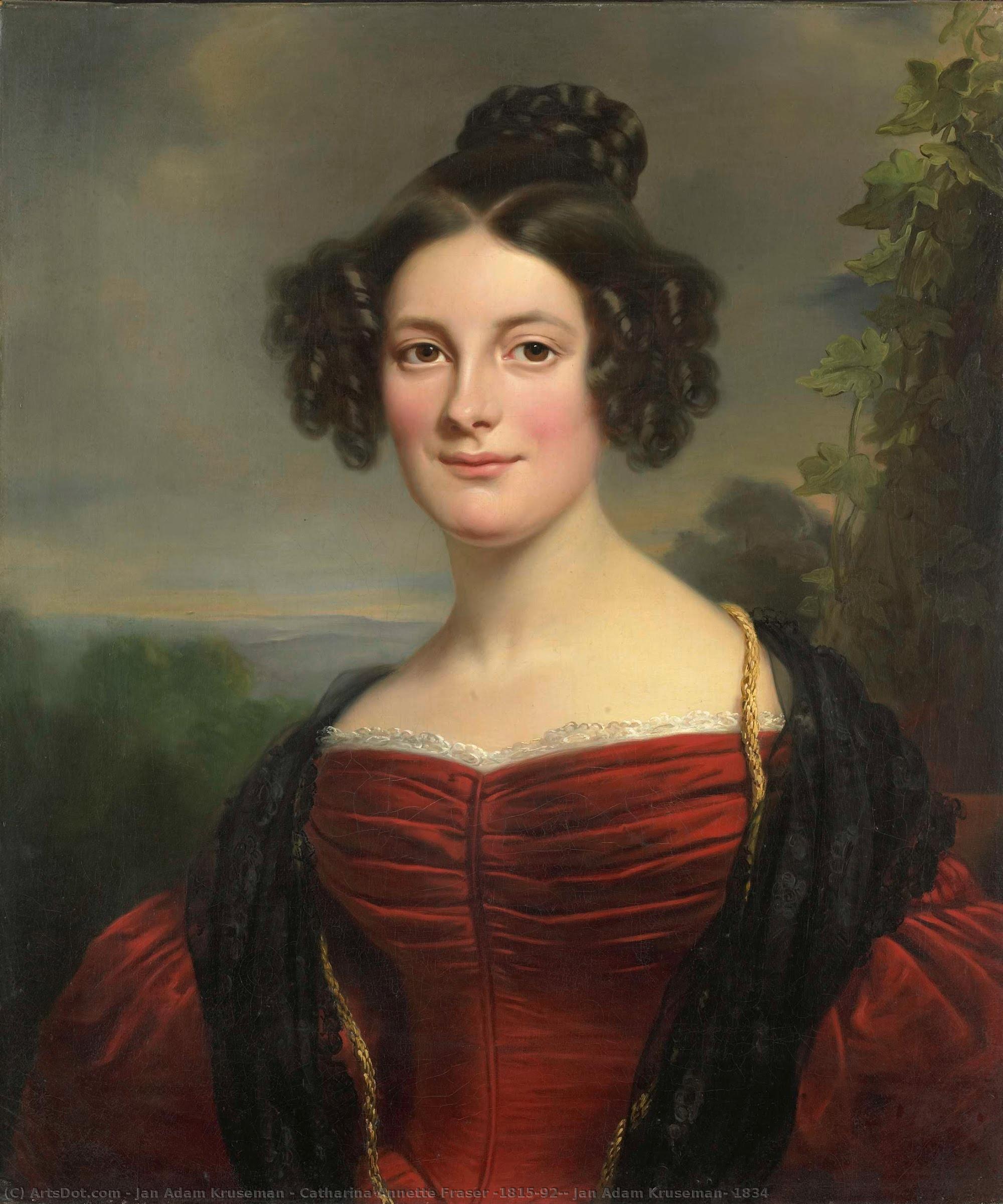
Catharina Annette Fraser (1815-92), Jan Adam Kruseman, 1834
 1834
1834 72.0 x 62.0 cm
 Weiterlesen
Handgefertigte Ölreproduktion
Handgemaltes Ölgemälde auf Leinwand in Ihrer Wunschgröße und mit Rahmen, auf Bestellung von unseren Künstlern angefertigt. ( Druck bestellen Bild kaufen)




































Wählen Sie aus unseren vordefinierten Formaten, die den ursprünglichen Proportionen des Kunstwerks entsprechen.

Sie können Ihre eigenen Maße eingeben, um einen bestimmten Rahmen oder Platz auszufüllen. Wenn die gewählte Größe nicht den Proportionen des Originalbildes entspricht, werden wir das Kunstwerk entweder beschneiden oder das Gemälde durch zusätzliche, handgemalte Elemente erweitern. Ein digitales Mockup wird Ihnen zur Genehmigung zugesandt, bevor die Produktion beginnt.
Bitte beachten Sie, dass die Bildschirmvorschau nicht die tatsächliche Beschneidung oder Erweiterung widerspiegelt. Nur das Mockup zeigt die endgültige Komposition exakt an.
Obwohl Sondermaße verfügbar sind, empfehlen wir, eine Größe aus der vordefinierten Liste zu wählen, um die ursprünglichen Proportionen beizubehalten.
Nach der Bestellung wird das ArtsDot.com-Team dem Kunden Anweisungen per E-Mail zusenden und eine Mockup-Vorschau bereitstellen.
Weltweiter Versand () in nur 3 bis 4 Wochen statt der üblichen 5 Wochen. (23 August). Keine Kompromisse bei der Qualität.

Kostenloser weltweiter Expressversand

Hochwertige Leinenleinwand

Umfassender Versicherungsschutz beim Versand

Zollgebühren-Rückerstattungsgarantie

Garantie für exakte Farbtreue

60 Tage Rückgaberecht (nur bei Mängeln)

100% Geld-zurück-Garantie

Mengenrabatt verfügbar
 Die Glasoption ist nur für Größen unter 110 cm verfügbar.

Catharina Annette Fraser (1815-92), Jan Adam Kruseman, 1834
Art der Reproduktion
Format der Reproduktion
-


Gesamtpreis
$ 263
Beschreibung des Kunstwerks
Ähnliche Kunstwerke









Über den Künstler
Jan Adam Kruseman: A Portraitist of Dutch Nobility and Artistic Legacy
Jan Adam Kruseman (February 12, 1804 – March 17, 1862) stands as a pivotal figure in 19th-century Dutch art history—a painter celebrated for his meticulous portraits that captured the essence of aristocratic life and established him as one of the era’s foremost realist artists. Born into a family steeped in artistic tradition, Kruseman's lineage included prominent painters like Cornelis Kruseman, shaping his early exposure to artistic pursuits and fostering an unwavering dedication to craft.- Early Life & Artistic Training:
- Amsterdam Academy & Influences:
- Royal Commissions & Artistic Recognition:
- The Founding of Arti et Amicitiae:
- Legacy & Influence on Subsequent Artists:
Early Life & Artistic Training
Kruseman’s formative years were marked by a privileged upbringing within a family deeply invested in artistic endeavors. His cousin, Cornelis Kruseman—a respected landscape painter—served as his initial mentor at the Amsterdam Academy of Fine Arts (later Rijksakademie), providing him with foundational lessons in technique and observation. This early influence instilled in Kruseman a profound appreciation for detail and realism—characteristics that would define his artistic style throughout his career. From 1822 to 1824, he pursued further studies in Brussels under the tutelage of François-Joseph Navez and Jacques-Louis David, absorbing the stylistic innovations of Romanticism and Neoclassicism alike.Amsterdam Academy & Influences
Kruseman’s appointment as director of the Amsterdam Academy in 1830 represented a significant milestone—establishing him as a leader within Dutch artistic circles and shaping the future generation of painters. He championed a rigorous curriculum focused on anatomical accuracy and compositional balance, mirroring David's emphasis on classical ideals. Kruseman’s artistic sensibilities were profoundly impacted by these mentors, fostering a commitment to capturing human form with unparalleled precision and conveying emotion through subtle gestures and expressions.Royal Commissions & Artistic Recognition
Kruseman gained considerable renown through his commissions from the Dutch royal family—most notably his portrait of Tsar Alexander I—a poignant tribute commissioned for Anna Pavlovna, Tsar Alexander’s wife. This undertaking showcased Kruseman's ability to portray regal dignity and convey complex psychological states with remarkable subtlety. Subsequent portraits of William II solidified his reputation as a court artist, cementing his place in Dutch artistic history.The Founding of Arti et Amicitiae
Beyond his prolific portraiture, Kruseman was instrumental in establishing Arti et Amicitiae—a collaborative venture with André-Benoît Taurel and Marinus Tétar van Elven—in 1839. This artistic society aimed to foster camaraderie among artists and promote innovative approaches to painting, reflecting Kruseman’s belief in the importance of intellectual discourse alongside creative practice.Legacy & Influence on Subsequent Artists
Kruseman's meticulous attention to detail—particularly his depiction of clothing—influenced countless aspiring painters who admired his mastery of realism. He nurtured a vibrant studio environment, attracting talented students like David Bles, Moritz Calisch and Jozef Israëls, whose artistic styles bear testament to Kruseman’s enduring legacy. Although largely forgotten during the mid-20th century, Kruseman experienced a resurgence of interest in recent decades—marked by a major retrospective at Het Lou Palace (2002–2003) and an exhibition exploring his broader artistic contributions (2015). Today, Kruseman’s work continues to inspire artists and scholars alike, securing his position as one of the most important portraitists of his era.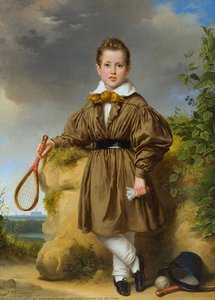
jan adam kruseman
1804 - 1862
Kurzinfos
- Artistic Movement Or Style: Realism
- Artists Or Movements Influenced By This Artist: ['David Bles']
- Artists Who Influenced This Artist: ['Cornelis Kruseman']
- Date Of Birth: February 12, 1804
- Date Of Death: March 17, 1862
- Full Name: Jan Adam Kruseman
- Nationality: Dutch
- Notable Artworks:
- Italian Woman near a Chapel
- Dieuwke Fontein (1800-79)
- Gijsbertus Johannes Rooyens
- Place Of Birth: Amsterdam, Netherlands

