 Vorschau anzeigen
 Versenden
 Teilen
 Details anzeigen

 Herunterladen
 Ähnliche Objekte
 Röntgenaufnahme
 Diashow
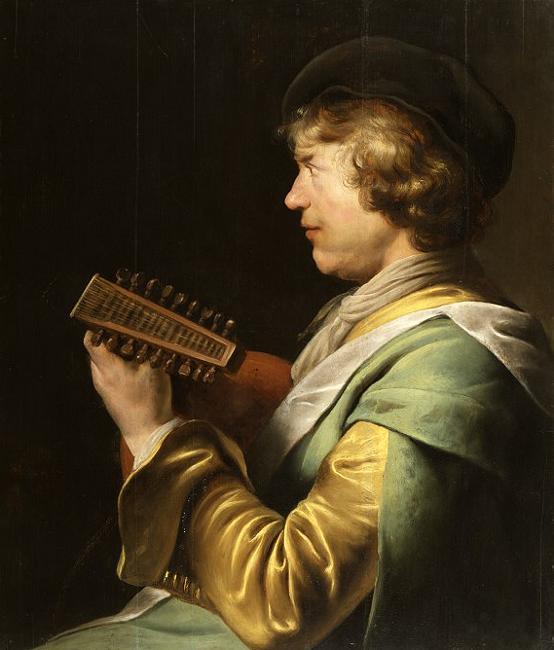
The Lute Player


 Weiterlesen
Handgefertigte Ölreproduktion
Handgemaltes Ölgemälde auf Leinwand in Ihrer Wunschgröße und mit Rahmen, auf Bestellung von unseren Künstlern angefertigt. ( Druck bestellen Bild kaufen)




P118B $10

P118H $10

P118W $10

P438Z $10

P508JH $12

P508YH $12

P805H $10

P805Z $10

P919BZ $10

P919G $10

P919XJ $10

P959ZH $10

P968JZ $12

W106C $8

W218G $10

W218JH $8

W218Y $10

W307PJ $10

W316G $10

W316PJ $8

W316Y $10

W398PJ $8

W4111J $10

W500HY $15

W500JH $15

W692G $12

W849H $8

W940BG $15

W953PJ $8




Wählen Sie aus unseren vordefinierten Formaten, die den ursprünglichen Proportionen des Kunstwerks entsprechen.

Sie können Ihre eigenen Maße eingeben, um einen bestimmten Rahmen oder Platz auszufüllen. Wenn die gewählte Größe nicht den Proportionen des Originalbildes entspricht, werden wir das Kunstwerk entweder beschneiden oder das Gemälde durch zusätzliche, handgemalte Elemente erweitern. Ein digitales Mockup wird Ihnen zur Genehmigung zugesandt, bevor die Produktion beginnt.
Bitte beachten Sie, dass die Bildschirmvorschau nicht die tatsächliche Beschneidung oder Erweiterung widerspiegelt. Nur das Mockup zeigt die endgültige Komposition exakt an.
Obwohl Sondermaße verfügbar sind, empfehlen wir, eine Größe aus der vordefinierten Liste zu wählen, um die ursprünglichen Proportionen beizubehalten.
Nach der Bestellung wird das ArtsDot.com-Team dem Kunden Anweisungen per E-Mail zusenden und eine Mockup-Vorschau bereitstellen.
Weltweiter Versand () in nur 3 bis 4 Wochen statt der üblichen 5 Wochen. (26 August). Keine Kompromisse bei der Qualität.

Kostenloser weltweiter Expressversand

Hochwertige Leinenleinwand

Umfassender Versicherungsschutz beim Versand

Zollgebühren-Rückerstattungsgarantie

Garantie für exakte Farbtreue

60 Tage Rückgaberecht (nur bei Mängeln)

100% Geld-zurück-Garantie

Mengenrabatt verfügbar
 Die Glasoption ist nur für Größen unter 110 cm verfügbar.

The Lute Player
Art der Reproduktion
Format der Reproduktion
-


Gesamtpreis
$ 263
Beschreibung des Kunstwerks
The Lute Player: A Portrait of Introspection in Baroque Splendor
Jan Andrea Lievens’s “The Lute Player,” painted circa 1629, is more than just a depiction of a musician; it's a carefully constructed tableau of human emotion and artistic ambition. This captivating work, now housed within the Walters Art Museum in Baltimore, offers a rare glimpse into the burgeoning world of Dutch Baroque painting, revealing the influence of both Caravaggio’s dramatic lighting and the prevailing trends of the Utrecht School. The subject, a young man lost in contemplation as he plays his lute, embodies a quiet dignity that belies the vibrant artistic currents swirling around him.
Lievens, a talented artist who apprenticed under Joris Verschoten and later collaborated closely with Rembrandt van Rijn, masterfully captures a moment of serene intensity. The figure is presented in a half-length pose, a compositional choice favored by Utrecht painters who sought to draw the viewer into the scene through intimate detail. His posture—slightly turned towards the left, his gaze directed upwards—suggests not merely playing an instrument but engaging with its music, lost in a world of melody and emotion. The subtle upward tilt of his head and the slight smile hint at a private joy, a moment of solace amidst perhaps a more demanding life.
A Caravaggisti Influence: Light, Shadow, and Dramatic Realism
The painting’s power resides significantly in Lievens' skillful manipulation of light and shadow—a technique deeply indebted to the innovations of Michelangelo Merisi da Caravaggio. Unlike the bright, airy landscapes often associated with Dutch art, this piece is dominated by a deep, enveloping darkness that serves to isolate the figure and intensify his expression. A single, focused light source illuminates his face, hands, and the lute itself, creating dramatic contrasts and highlighting the textures of his clothing and instrument. This chiaroscuro effect not only adds depth and volume but also imbues the scene with an almost theatrical quality, as if we are witnessing a private performance.
The meticulous rendering of details—the folds in the garment, the texture of the lute’s wood, the delicate sheen on his hair—further enhances the realism. Lievens demonstrates a remarkable ability to capture not just the appearance but also the essence of his subject, conveying a sense of immediacy and authenticity that is characteristic of Baroque painting. The choice of muted colors – primarily browns, reds, and yellows – contributes to the overall mood of quiet contemplation, while subtle highlights draw attention to key elements within the composition.
Symbolism and Context: Music, Patronage, and Artistic Circles
The lute itself is a potent symbol in this painting. Throughout Western art history, the lute has represented music, love, and even melancholy. Its presence here suggests a celebration of artistic expression and the pursuit of beauty. The inclusion of a madrigal—a vocal composition typically accompanied by instruments—further reinforces this theme. Scholars believe that Lievens’s model was likely Rembrandt van Rijn himself, reflecting the close professional relationship between the two artists during their early careers in Leiden.
The painting's creation occurred within a vibrant artistic milieu, fueled by the patronage of figures like Maurice of Nassau, Prince of Orange. This period witnessed an explosion of creativity and experimentation, as artists sought to push the boundaries of traditional styles. Lievens’s work exemplifies this spirit of innovation, blending elements of Caravaggisti realism with the more intimate and psychologically nuanced approach favored by Utrecht painters. The painting's provenance—having been part of the collection of Gustave de Rothschild—testifies to its enduring appeal and artistic merit.
A Timeless Portrait of Human Emotion
“The Lute Player” is a testament to Jan Andrea Lievens’s skill as a painter and his ability to capture the complexities of human emotion. It's a work that invites contemplation, prompting us to consider not only the beauty of the music being played but also the inner world of the musician himself. The painting’s enduring appeal lies in its quiet dignity, dramatic lighting, and masterful execution—a timeless portrait of introspection and artistic ambition within the rich tapestry of Dutch Baroque art.
Ähnliche Kunstwerke
Über den Künstler
Jan Lievens: A Dutch Master Rediscovered
Jan Lievens (1607 – 1674) was a dutch painter from the netherlands, who lived from 1607 to 1674. his work is often associated with that of rembrandt, as both artists worked in similar styles during the dutch golden age. He was born on october 24, 1607, in leiden, the son of lieven hendriksze, an embroiderer (*borduurwerker*), and was trained by joris verschoten. At about the age of 10, he was sent to pieter lastman in amsterdam for a two-year apprenticeship. This formative experience instilled in him a meticulous attention to detail and a profound understanding of artistic technique—qualities that would characterize his entire oeuvre.- Early Career & Rembrandt Collaboration
- Notable Paintings & Artistic Style
- London Years & Patronage
- Later Life & Legacy
Early Career & Rembrandt Collaboration
Jan Lievens’s artistic journey began in leiden, where he quickly gained recognition for his talent. His copy of *Democriet & Herakliet* by cornelis van haarlem—a monumental undertaking that demonstrated his mastery of perspective and composition—immediately drew the eye of maurice of nassau, prince of orange, who commissioned a portrait of him. This patronage secured Lievens’s financial stability and allowed him to pursue his artistic ambitions without constraint. Crucially, he entered into a collaborative partnership with rembrandt van rijn from 1626 to 1631. Their collaboration produced over two dozen paintings, drawings, and etchings—a period marked by intense rivalry and mutual influence. While the attribution of works from this era remains debated among scholars, there is no doubt that Rembrandt’s presence spurred Lievens to experiment with bolder brushstrokes and dramatic lighting—techniques that would become hallmarks of his distinctive style.Notable Paintings & Artistic Style
Lievens' artistic style was profoundly shaped by caravaggisti influences, evident in his use of tenebrism—the stark contrast between light and dark—and his penchant for portraying figures in dynamic poses. He excelled at capturing psychological depth and emotion, particularly in portraits that aimed to convey the inner life of their subjects. His oeuvre encompasses a diverse range of genres, including history paintings, landscapes, genre scenes depicting everyday life, and still lifes—each infused with meticulous observation and expressive artistry. Among his most celebrated works are *Head of an Old Man*, *Bearded Man with a Beret*, and *Boy in a Cape and Turban*, which exemplify Lievens’s ability to render human anatomy with remarkable accuracy while simultaneously conveying profound emotional resonance.London Years & Patronage
Following the dissolution of his partnership with Rembrandt, Lievens embarked on a period of artistic exploration that took him beyond amsterdam to london, antwerp, and berlin. During these years he secured commissions from royalty—including james i—and established himself as a respected artist in cosmopolitan environments. His success was fueled by his keen understanding of the tastes of the era and his willingness to adapt his style to suit diverse patrons. He continued to produce paintings that showcased both technical virtuosity and imaginative vision, cementing his reputation as one of the most versatile and accomplished painters of his generation.Later Life & Legacy
Jan Lievens died in berlin on june 4, 1674, at the age of 66—leaving behind a legacy of approximately 300 paintings and drawings that continue to fascinate art historians today. His work is housed in museums across europe, including the mauritshuis in leiden and the kremer collection in cologne—testaments to his enduring artistic significance. Despite the initial obscurity surrounding his career—particularly after rembrandt’s death—Lievens has experienced a resurgence of scholarly interest in recent decades, thanks largely to new research that sheds light on previously overlooked aspects of his life and work. His paintings stand as powerful reminders of the dutch golden age and offer invaluable insights into the artistic sensibilities of a pivotal period in european history.
Jan Lievens
1607 - 1674 , Niederlande
Kurzinfos
- Artistic Movement Or Style: Dutch Gouden Eeuw
- Artists Or Movements Influenced By This Artist: ['Rembrandt']
- Artists Who Influenced This Artist:
- Pieter Lastman
- Peter Paul Rubens
- Date Of Birth: 24 Oktober 1607
- Date Of Death: 4 Juni 1674
- Full Name: Jan Lievens
- Nationality: Niederländisch
- Notable Artworks:
- Kopf eines alten Mannes
- Porträt von Constantin Huygens
- Junger Mann mit einem Beret
- Place Of Birth: Leiden, Niederlande
Ähnliche Artikel
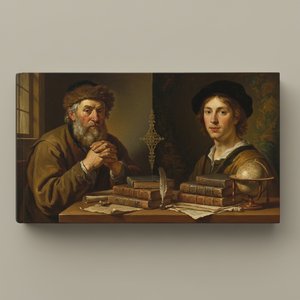
Jan Lievens & Rembrandt: A Comparative Study of Baroque Innovation
Explore the fascinating artistic dialogue between Jan Lievens and Rembrandt van Rijn. Discover Lievens’s unique Baroque style, continental influences, and evolving legacy – a must-read for discerning art collectors.

Die 10 Meisterwerke der niederländischen Barockmalerei – Kunst für Ihr Zuhause | ArtsDot
Entdecken Sie die 10 prägendsten Meisterwerke der niederländischen Barockmalerei! Von Rembrandt bis Vermeer – erleben Sie Kunstgeschichte, Techniken & Emotionen. Hochwertige Reproduktionen für Ihr Zuhause auf ArtsDot.com.

Golden Age Reflections: Dutch Baroque Painting & Cultural Innovation
Explore the Dutch Golden Age of painting! Discover key artists like Vermeer & ter Borch, their innovative techniques, and the rich cultural context behind these Baroque masterpieces. Learn about collecting & appreciating this iconic art period.
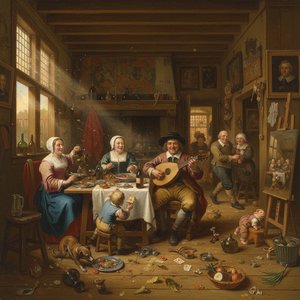
Jan Steen: Meister der niederländischen Genremalerei und Spiegelbild des Goldenen Zeitalters
Entdecken Sie Jan Steen, den Meister der niederländischen Genremalerei! Erfahren Sie mehr über sein Leben, seine Werke und den historischen Kontext des Goldenen Zeitalters. Kunstexperten-Analyse & hochwertige Reproduktionen.
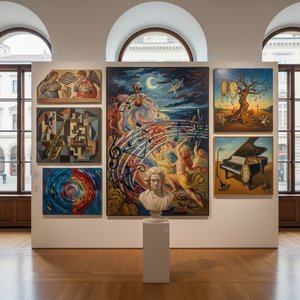
Harmonies on Canvas: Exploring the Visual Representation of Music in Art History
Explore the fascinating history of music's visual representation in art! From ancient symbolism to modern abstraction, discover how artists have captured sound and emotion on canvas. Expert insights & stunning examples.