

 Vorschau anzeigen
 Versenden
 Teilen
 Details anzeigen

 Herunterladen
 Ähnliche Objekte
 Röntgenaufnahme
 Diashow
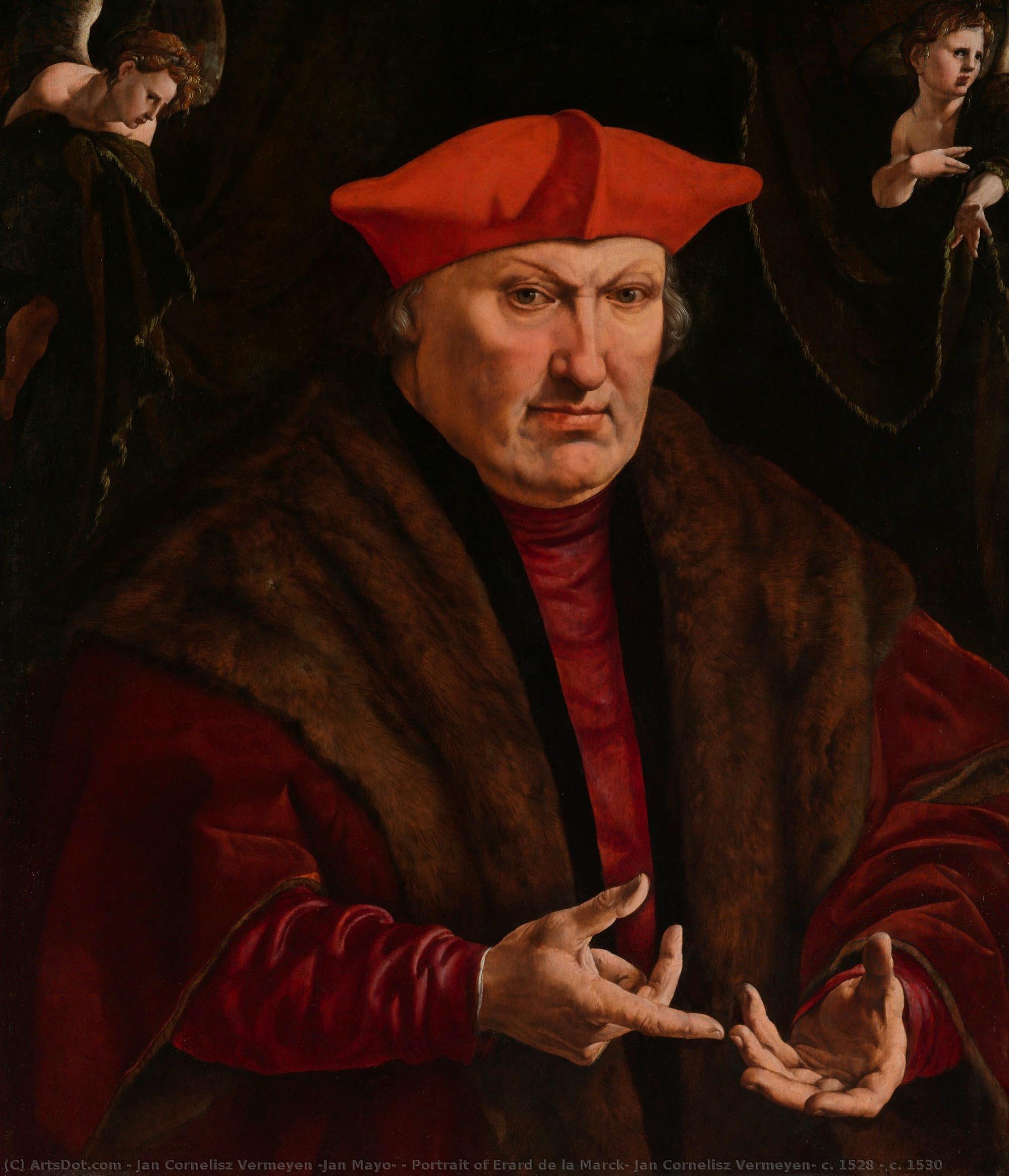
Portrait of Erard de la Marck, Jan Cornelisz Vermeyen, c. 1528 - c. 1530
 1530
1530 64.0 x 56.0 cm
 Weiterlesen
Erwerben Sie ein hochauflösendes, optimiertes digitales Bild, das der Online-Vorschau weit überlegen ist.
Jede Datei wird von unseren hauseigenen Spezialisten mit modernsten Werkzeugen und fachmännischer manueller Retusche sorgfältig vorbereitet. Wir stellen sicher, dass jedes Bild eine außergewöhnliche Klarheit, präzise Farbgenauigkeit und feinste Details aufweist.
Die endgültige Datei wird innerhalb von 72 Stunden per E-Mail zugestellt und ist für den sofortigen Einsatz in professionellen, redaktionellen und Druckumgebungen optimiert. Es handelt sich um dieselbe Qualität, der führende Designstudios, Verlage und Galerien vertrauen.
Digitales Bild
Laden Sie eine hochauflösende Datei für die persönliche Präsentation, den Druck und kreative Projekte herunter. ( Druck bestellen Handgemalte Reproduktion bestellen)
In jeder Bestellung digitaler Bilder enthalten
Professionelle digitale Bereitstellung, garantiert
Wenn Sie sich für ArtsDot.com entscheiden, erhalten Sie nicht nur ein Bild – Sie erhalten ein professionell aufbereitetes digitales Kunstwerk, das mit höchster Präzision erstellt und durch eine Zufriedenheitsgarantie abgesichert wird. Hier ist alles, was automatisch mit Ihrer Bestellung geliefert wird:

Schnelle E-Mail-Zustellung
Ihre hochauflösende digitale Bilddatei wird Ihnen innerhalb von 72 Stunden nach der Bestellung per E-Mail zugestellt – bereit zur sofortigen Verwendung.

KI-optimierte digitale Datei
Ihre Kunstwerke werden professionell mithilfe fortschrittlicher KI-Tools und manueller Bearbeitung optimiert, um maximale Detailtreue, Klarheit und Farbgenauigkeit zu gewährleisten.

Lebenslanger kostenloser Neudruckservice
Datei versehentlich gelöscht oder verloren? Keine Sorge – wir senden sie Ihnen jederzeit kostenlos erneut zu.

Keine Einfuhrgebühren – jemals
Genießen Sie Ihr Kunstwerk sofort ohne Zollgebühren, Einfuhrabgaben oder Versandkosten – digitale Downloads sind immer steuerfrei.

Garantierte Farbtreue
Wir garantieren, dass Ihr digitales Bild mithilfe professioneller Werkzeuge und Farbmanagement die Originalfarben so präzise wie möglich wiedergibt.

60-Tage-Zufriedenheitsgarantie
Sollten Sie mit Ihrem digitalen Bild nicht zufrieden sein, werden wir es überarbeiten oder Ihnen innerhalb von 60 Tagen 100% erstatten – ohne Wenn und Aber.

100% Geld-zurück-Garantie
Nicht zufrieden? Erhalten Sie innerhalb von 60 Tagen nach Erhalt Ihrer digitalen Datei eine vollständige Rückerstattung – ohne Angabe von Gründen.

Rabatte bei Großbestellungen
3 Bilder kaufen, 10% sparen – 5 Bilder kaufen, 15% sparen – Ab 10 Bildern 20% sparen. Ideal für kreative Projekte, Galerien und Agenturen.
Ähnliche Kunstwerke




Biografie des Künstlers
The Visual Chronicler of an Empire
Jan Cornelisz Vermeyen, known to history by the evocative monikers Jan Mayo or Barbalonga, was far more than a mere painter; he was a luminous figure who captured the very essence of the Dutch Northern Renaissance. Born around 1503 in the quiet village of Beverwijk, his life unfolded not in provincial isolation, but through a grand odyssey across the most powerful courts of sixteenth-century Europe. As a visual chronicler of empire, Vermeyen’s brush served both as an instrument of profound spiritual expression and a potent tool for imperial propaganda, documenting the majesty of the Habsburg dynasty during an era of unprecedented expansion.His career was defined by a remarkable ability to navigate the highest echelons of power, moving through the corridors of influence alongside the most formidable rulers of his age. Whether capturing the solemnity of a religious feast or the martial splendor of a military campaign, his work synthesized the meticulous realism of the Low Countries with a burgeoning sense of classical grandeur.
A Synthesis of Northern Realism and Italian Elegance
The artistic soul of Vermeyen was forged in the crucible of the Romanism movement. His style represents a masterful dialogue between two worlds, blending the tactile, descriptive textures characteristic of Netherlandish art with the refined aesthetics of Italy. This unique aesthetic DNA was shaped by his exposure to influential masters such as Anton van Gossaert and Pieter Van Scorel. From these pioneers, he absorbed the ability to marry heavy, sculptural forms with a new, rhythmic elegance derived from Mediterranean ideals.This fusion allowed him to develop a technique that was both physically grounded and spiritually light. One can discern in his compositions the anatomical precision and light-filled atmospheres of the Italian masters, yet they are always anchored by a Northern devotion to detail. This duality is perhaps most evident in his mastery of:
- Spatial Illusionism: Creating depth and drama through sophisticated perspective.
- Luminous Palettes: Utilizing light to breathe life into fabric, flesh, and landscape.
- Psychological Nuance: Moving beyond mere likeness to capture the inner character of his subjects.
Legacy in Portraiture and Tapestry
Vermeyen’s professional ascent was inextricably linked to the heights of European power. He earned prestigious positions within the inner circles of the Habsburg Netherlands, serving as a dedicated portraitist for figures such as Archduchess Margaret of Austria and Mary of Hungary. His most iconic depictions, including his portraits of Emperor Charles V, capture more than mere physical likeness; they convey the profound psychological weight of imperial dignity. He even accompanied the Emperor on the military campaign to Tunis in 1535, bringing firsthand witness to the era's grand conquests.Beyond the canvas, his genius extended to the monumental scale of tapestry design. Collaborating extensively with Flemish weavers, he created intricate decorative panels that utilized dramatic storytelling to adorn the palaces and churches of Europe. Through these tapestries, Vermeyen transformed thread into narrative, ensuring that his vision of history and divinity would endure long after the era of the great empires had passed. His legacy remains etched in the very fabric of art history, a testament to an artist who could translate the grandeur of conquest into the eternal language of beauty.
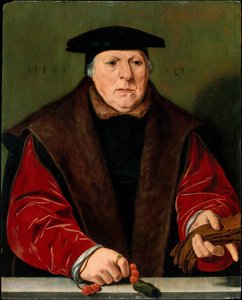
jan cornelisz vermeyen (jan mayo)
1500 - 1559 , Netherlands
Kurzinfos
- Artistic Movement Or Style: Renaissance
- Artists Or Movements Influenced By This Artist: ['Baroque']
- Artists Who Influenced This Artist:
- Van Scorel
- Gossaert
- Date Of Birth: 1504
- Full Name: Jan Cornelisz Vermeyen
- Nationality: Dutch
- Notable Artworks:
- Portrait of a Man with a Rosary
- Mary (1505–1558), Queen of Hungary
- The Marriage at Cana
- Place Of Birth: Beaverwijk, Netherlands

