 Vorschau anzeigen
 Versenden
 Teilen
 Details anzeigen

 Herunterladen
 Ähnliche Objekte
 Röntgenaufnahme
 Diashow
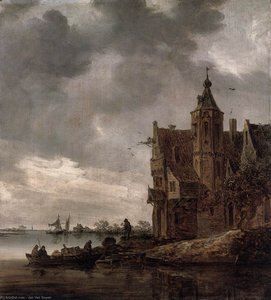
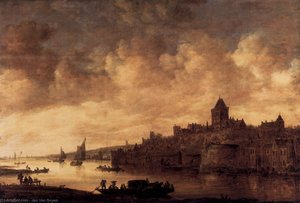
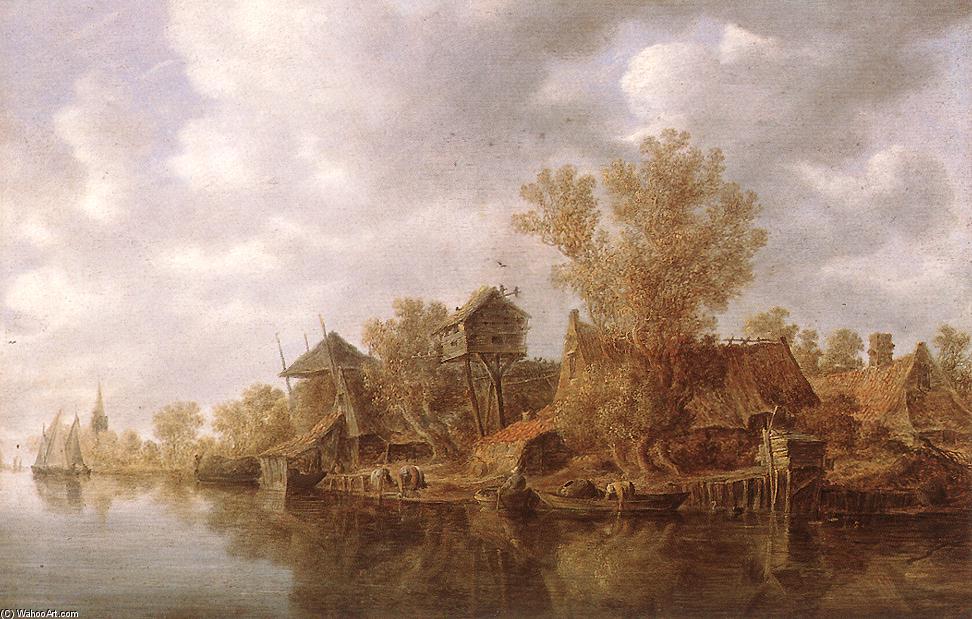
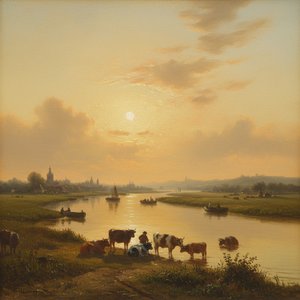
Village at the River
 Acrylic On Canvas
- WallArt
- Dutch Realism
 1636
1636 39.0 x 60.0 cm
 Alte Pinakothek
 Weiterlesen
Handgefertigte Ölreproduktion
Handgemaltes Ölgemälde auf Leinwand in Ihrer Wunschgröße und mit Rahmen, auf Bestellung von unseren Künstlern angefertigt. ( Druck bestellen Bild kaufen)




P118B $10

P118H $10

P118W $10

P438Z $10

P508JH $12

P508YH $12

P805H $10

P805Z $10

P919BZ $10

P919G $10

P919XJ $10

P959ZH $10

P968JZ $12

W106C $8

W218G $10

W218JH $8

W218Y $10

W307PJ $10

W316G $10

W316PJ $8

W316Y $10

W398PJ $8

W4111J $10

W500HY $15

W500JH $15

W692G $12

W849H $8

W940BG $15

W953PJ $8




Wählen Sie aus unseren vordefinierten Formaten, die den ursprünglichen Proportionen des Kunstwerks entsprechen.

Sie können Ihre eigenen Maße eingeben, um einen bestimmten Rahmen oder Platz auszufüllen. Wenn die gewählte Größe nicht den Proportionen des Originalbildes entspricht, werden wir das Kunstwerk entweder beschneiden oder das Gemälde durch zusätzliche, handgemalte Elemente erweitern. Ein digitales Mockup wird Ihnen zur Genehmigung zugesandt, bevor die Produktion beginnt.
Bitte beachten Sie, dass die Bildschirmvorschau nicht die tatsächliche Beschneidung oder Erweiterung widerspiegelt. Nur das Mockup zeigt die endgültige Komposition exakt an.
Obwohl Sondermaße verfügbar sind, empfehlen wir, eine Größe aus der vordefinierten Liste zu wählen, um die ursprünglichen Proportionen beizubehalten.
Nach der Bestellung wird das ArtsDot.com-Team dem Kunden Anweisungen per E-Mail zusenden und eine Mockup-Vorschau bereitstellen.
Weltweiter Versand () in nur 3 bis 4 Wochen statt der üblichen 5 Wochen. (22 August). Keine Kompromisse bei der Qualität.

Kostenloser weltweiter Expressversand

Hochwertige Leinenleinwand

Umfassender Versicherungsschutz beim Versand

Zollgebühren-Rückerstattungsgarantie

Garantie für exakte Farbtreue

60 Tage Rückgaberecht (nur bei Mängeln)

100% Geld-zurück-Garantie

Mengenrabatt verfügbar
 Die Glasoption ist nur für Größen unter 110 cm verfügbar.

Village at the River
Art der Reproduktion
Format der Reproduktion
-


Gesamtpreis
$ 288
Beschreibung des Kunstwerks
A Tranquil Reflection of Dutch Rural Life: Exploring Jan Van Goyen’s “Village at the River”
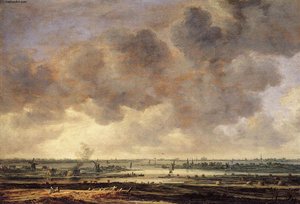
The Village at the River, painted by Jan Josephszoon van Goyen in 1636, stands as a cornerstone of Dutch landscape painting during the Golden Age—a testament to understated beauty and meticulous observation. More than just a depiction of scenery, it encapsulates a particular ethos: a quiet appreciation for the rhythms of rural existence and an artist’s dedication to capturing the very soul of his surroundings. Located in Munich’s Alte Pinakothek, this artwork continues to captivate viewers with its serene atmosphere and masterful execution.The Essence of Dutch Realism
Van Goyen's artistic vision departed from the flamboyant Baroque trends dominating Europe at the time, opting instead for a style rooted in Dutch Realism. Unlike his contemporaries who prioritized dramatic color palettes and elaborate compositions, Van Goyen favored muted tones—primarily browns, ochres, and grays—creating an environment imbued with melancholy yet profoundly comforting. This deliberate restraint wasn’t merely stylistic choice; it reflected the artist's belief that true beauty resided in capturing the subtle nuances of nature rather than overwhelming sensory experience. He skillfully employed oil paints on canvas to achieve remarkable detail, layering thin glazes to build up color and subtly modulating tonal values—a technique that allowed him to convey a palpable sense of atmosphere.A Window into Seventeenth-Century Holland
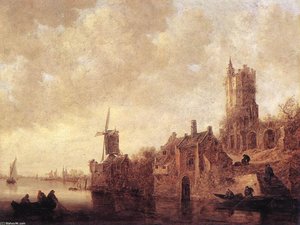
The painting transports us back to 17th-century Holland, a nation at the zenith of its economic prosperity and artistic innovation. The scene portrays a typical Dutch village nestled alongside a river, populated by modest dwellings adorned with thatched roofs—a commonplace architectural feature indicative of rural settlements during that era. Scattered amongst these buildings are boats engaged in trade or fishing activities, subtly hinting at the economic vitality underpinning daily life. Beyond the visual elements, “Village at the River” speaks to broader cultural values: a reverence for tradition, a connection to the land, and an acceptance of the passage of time—themes that resonate powerfully even today.Composition and Technique: Mastering Atmospheric Perspective
Van Goyen’s compositional brilliance lies in its balanced arrangement—a horizontal format emphasizing the expansive view of the water and surrounding landscape. The foreground is dominated by structures – houses with thatched roofs, a windmill, and boats – carefully positioned to guide the viewer's gaze across the canvas. A towering tree on the right serves as a vertical anchor, framing the scene and enhancing its visual impact. Crucially, Van Goyen skillfully employed atmospheric perspective—a technique that simulates the effects of distance by diminishing color intensity and reducing detail in objects situated further away from the viewer. This masterful manipulation of light and shadow contributes significantly to the painting’s immersive quality, fostering a feeling of tranquility and transporting the observer into the heart of Dutch rural life.Symbolism Beyond Surface Beauty
While seemingly simple on first glance, “Village at the River” is laden with symbolic significance. The muted color palette—browns and grays—represents not just visual harmony but also an acknowledgement of mortality and the cyclical nature of existence. The thatched roofs symbolize humility and connection to the earth—values deeply ingrained in Dutch culture during Van Goyen’s time. Even the boats serve as emblems of trade and prosperity, underscoring the economic strength of Holland while simultaneously hinting at the passage of seasons and the inevitable decline of earthly endeavors.A Legacy Enduring Through Reproduction
Today, “Village at the River” continues to inspire artists and collectors alike—a testament to Van Goyen’s enduring artistic legacy. Reproductions crafted with meticulous attention to detail capture the essence of this iconic landscape masterpiece, allowing admirers worldwide to experience its profound beauty and contemplate its timeless themes. For a glimpse into the artist's life and work, visit https://ArtsDot.com/@/Jan-Van-Goyen. To explore the Alte Pinakothek’s impressive collection of Old Master paintings, navigate /art/list/?Filter=A@D3C4S3-The-Museum-Alte-Pinakothek-(Munich-Germany).Ähnliche Kunstwerke
Über den Künstler
Jan van Goyen: Ein Leben in Landschaft
Jan Josephszoon van Goyen (1596-1656) gilt als einer der bedeutendsten Landschaftsmaler des niederländischen Goldenen Zeitalters und prägte nachhaltig die Entwicklung der europäischen Landschaftsbildkunst. Seine Werke zeichnen sich durch eine außergewöhnliche Einfachheit, subtile Farbnuancen und eine sparsame Palette aus – hauptsächlich Grautöne, Braun und Grün – und verkörpern damit einen einzigartigen Stil, der bis heute Künstler inspiriert.Frühe Lebensgeschichte und Ausbildung
Seine Geburt fand am 13. Januar 1596 in Leiden statt, einer Stadt, die sich zu dieser Zeit durch eine florierende Kunstszene auszeichnete. Van Goyens Vater war Schuhmacher Joseph Jansz. van G., und seine Mutter Geertgen Dircxdr. van Eyck stammte ebenfalls aus Utrecht. Bereits im Alter von zehn Jahren begann er seine künstlerische Ausbildung in Leiden unter Anleitung verschiedener Meister, wobei insbesondere Esaias van de Velde in Haarlem eine zentrale Rolle spielte. Diese frühe Förderung legte den Grundstein für seine spätere künstlerische Entwicklung und prägte seinen einzigartigen Blick auf die Welt.Künstlerischer Stil und Entwicklung
Van Goyens Malstil ist sofort erkennbar durch seine Klarheit und natürliche Darstellung der Landschaft. Er verzichtete bewusst auf übermäßige Farbgebung und Detailreichtum, um stattdessen eine Atmosphäre einzufangen, die sowohl ruhig als auch tiefgründig wirkt. Seine frühen Arbeiten zeigen den Einfluss von Van de Velde deutlich, doch er entwickelte schnell einen eigenen Stil, der sich durch eine besondere Sensibilität für Licht und Schatten auszeichnete – ein Stil, der später von zahlreichen anderen Künstlern übernommen wurde. Er konzentrierte sich darauf, die Essenz des niederländischen Landes zu erfassen und damit einen wichtigen Beitrag zur Entwicklung der Landschaftsbildkunst zu leisten.Produktive Produktion und bedeutende Werke
Van Goyen war ein außergewöhnlich produktiver Künstler und schuf über 1.200 Gemälde sowie mehr als 1.000 Zeichnungen während seines Lebens. Zu seinen bekanntesten Werken zählen insbesondere die Darstellung eines Flusslandschaft mit Mühle, ein ikonisches Beispiel für seinen tonalen Landschaftsstil und eine beeindruckende Studie zum Thema Fischern am Seeufer. Diese Werke zeigen seine Fähigkeit, nicht nur die äußere Erscheinung der Natur zu imitieren, sondern auch ihre Stimmung und ihren Charakter einzufangen – eine Aufgabe, die ihm besondere Anerkennung einbrachte. Er arbeitete häufig mit Öl auf Leinwand und entwickelte innovative Techniken zur Darstellung von Licht und Schatten, die bis heute als Vorbild dienen.Einflüsse und Vermächtnis
Obwohl Van Goyen vom Einfluss anderer Künstler wie Jan Steen geprägt war, etablierte er sich dennoch als unabhängiger Meister und prägte damit maßgeblich den künstlerischen Geschmack seiner Zeit. Sein Stil wurde von zahlreichen Nachfolgern übernommen und gilt bis heute als eines der wichtigsten Werke des niederländischen Goldenen Zeitalters. Seine Kunstwerke erinnern an eine Epoche des wirtschaftlichen Aufschwungs und kultureller Kreativität und werden weiterhin von Künstlern und Kunstliebhabern weltweit gefeiert. Er hinterließ ein beeindruckendes künstlerisches Erbe, das auch heute noch die Geschichte der europäischen Kunstgeschichte prägt.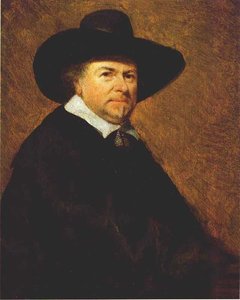
Jan van Goyen
1596 - 1656 , Niederlande
Kurzinfos
- Artistic Movement Or Style: Nederlands Gouden Eeuwschilderkunst
- Artists Or Movements Influenced By This Artist: Jan Steen
- Artists Who Influenced This Artist: Esaias van de Velde
- Date Of Birth: 1596-01-13
- Date Of Death: 1656-04-27
- Full Name: Jan Josephszoon van Goyen
- Nationality: Niederländisch
- Notable Artworks:
- Rivierlandschap met windmolen
- Vissersmans aan het meer
- Place Of Birth: Leiden, Niederlande
Ähnliche Artikel
Jan van Goyen: Meister der niederländischen Landschaft und atmosphärische Perspektive
Entdecken Sie Jan van Goyens Meisterwerke der niederländischen Landschaftsmalerei! Analysieren Sie Realismus, atmosphärische Perspektive und seinen Einfluss auf die Kunstgeschichte. Expertenwissen & detaillierte Einblicke.
Cornelis van Poelenburch: Bridging Mannerism & the Dutch Baroque Landscape
Discover Cornelis van Poelenburch, a pivotal Dutch Baroque landscape painter bridging Mannerism & Italianate styles. Explore his life, key works, and lasting influence on 17th-century art with ArtsDot.

Rembrandts Meisterwerke: Die Top 25 Kunstwerke für Ihr Zuhause | ArtsDot
Entdecken Sie Rembrandts 25 berühmteste Kunstwerke! Tauchen Sie ein in die Welt des Barock, Licht und Schatten & historischer Porträts. Hochwertige Reproduktionen für Ihr Zuhause – jetzt auf ArtsDot.com!
Jacob van Ruisdael: Meister der niederländischen Landschaft und die Evokation nationaler Identität
Entdecken Sie Jacob van Ruisdaels Meisterwerke der niederländischen Landschaftsmalerei! Erfahren Sie mehr über sein Leben, Werk und den Einfluss auf die Kunst des Goldenen Zeitalters. Expertenwissen & Sammlungsübersicht.
Aelbert Cuyp: Illuminating the Dutch Golden Age with Light & Landscape
Explore the luminous landscapes of Aelbert Cuyp, a master of the Dutch Golden Age. Discover his unique light, serene riverside scenes & lasting influence on art history. Learn more at ArtsDot.