 Vorschau anzeigen
 Versenden
 Teilen
 Details anzeigen

 Herunterladen
 Ähnliche Objekte
 Röntgenaufnahme
 Diashow
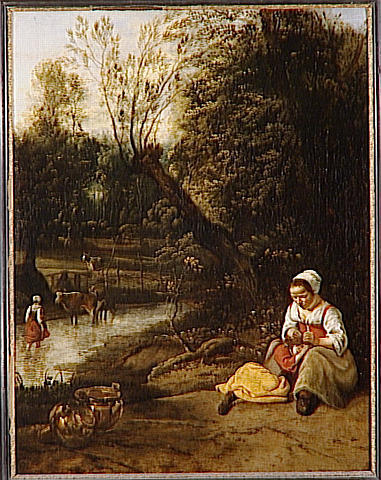
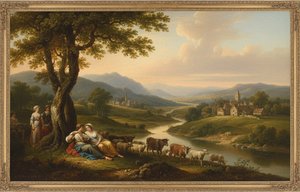
LA TOILETTE AU BORD DE L'EAU


 Weiterlesen
Handgefertigte Ölreproduktion
Handgemaltes Ölgemälde auf Leinwand in Ihrer Wunschgröße und mit Rahmen, auf Bestellung von unseren Künstlern angefertigt. ( Druck bestellen Bild kaufen)




P118B $10

P118H $10

P118W $10

P438Z $10

P508JH $12

P508YH $12

P805H $10

P805Z $10

P919BZ $10

P919G $10

P919XJ $10

P959ZH $10

P968JZ $12

W106C $8

W218G $10

W218JH $8

W218Y $10

W307PJ $10

W316G $10

W316PJ $8

W316Y $10

W398PJ $8

W4111J $10

W500HY $15

W500JH $15

W692G $12

W849H $8

W940BG $15

W953PJ $8




Wählen Sie aus unseren vordefinierten Formaten, die den ursprünglichen Proportionen des Kunstwerks entsprechen.

Sie können Ihre eigenen Maße eingeben, um einen bestimmten Rahmen oder Platz auszufüllen. Wenn die gewählte Größe nicht den Proportionen des Originalbildes entspricht, werden wir das Kunstwerk entweder beschneiden oder das Gemälde durch zusätzliche, handgemalte Elemente erweitern. Ein digitales Mockup wird Ihnen zur Genehmigung zugesandt, bevor die Produktion beginnt.
Bitte beachten Sie, dass die Bildschirmvorschau nicht die tatsächliche Beschneidung oder Erweiterung widerspiegelt. Nur das Mockup zeigt die endgültige Komposition exakt an.
Obwohl Sondermaße verfügbar sind, empfehlen wir, eine Größe aus der vordefinierten Liste zu wählen, um die ursprünglichen Proportionen beizubehalten.
Nach der Bestellung wird das ArtsDot.com-Team dem Kunden Anweisungen per E-Mail zusenden und eine Mockup-Vorschau bereitstellen.
Weltweiter Versand () in nur 3 bis 4 Wochen statt der üblichen 5 Wochen. (21 August). Keine Kompromisse bei der Qualität.

Kostenloser weltweiter Expressversand

Hochwertige Leinenleinwand

Umfassender Versicherungsschutz beim Versand

Zollgebühren-Rückerstattungsgarantie

Garantie für exakte Farbtreue

60 Tage Rückgaberecht (nur bei Mängeln)

100% Geld-zurück-Garantie

Mengenrabatt verfügbar
 Die Glasoption ist nur für Größen unter 110 cm verfügbar.

LA TOILETTE AU BORD DE L'EAU
Art der Reproduktion
Format der Reproduktion
-


Gesamtpreis
$ 263
Beschreibung des Kunstwerks
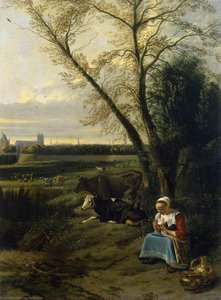
A Pastoral Moment Captured: Jan Siberechts’ “La Toilette au Bord de l'Eau”
Jan Siberechts’ "La Toilette au Bord de l'Eau" (The Bathing by the Water) is more than just a picturesque landscape; it’s a carefully constructed tableau of tranquility and domesticity, imbued with the subtle complexities of 17th-century Dutch artistic sensibilities. Painted in 1680, this oil on canvas work transports us to a serene riverside scene, dominated by the gentle presence of a woman and child near a meandering stream. Siberechts, born in Antwerp in 1627, navigated a unique path in art history – initially trained within his family’s sculpting workshop, he ultimately became a celebrated landscape painter, bridging the gap between Flemish tradition and the burgeoning naturalism taking root in England.
The painting immediately establishes a mood of quiet contemplation. The color palette is deliberately restrained, relying on earthy browns, muted greens, and soft blues to evoke the atmosphere of a cloudy day or early morning light. These tones are skillfully layered, creating a sense of depth and volume that draws the viewer into the scene. Siberechts’ masterful use of linear perspective guides our eye along the winding stream, leading us towards distant hills and establishing a believable spatial relationship between foreground and background. The subtle variations in brushstroke – from the smooth blending of water to the textured application on tree bark – contribute significantly to the painting's tactile quality.
Decoding Symbolism and Narrative
Beyond its aesthetic beauty, “La Toilette au Bord de l’Eau” is rich with symbolic meaning. The central figures—a woman and child—represent the core values of family, nurture, and domesticity, deeply rooted in the artistic conventions of the time. While the title suggests a bathing scene, it's more accurately a moment of respite and connection. Cows grazing peacefully nearby further reinforce this pastoral ideal, symbolizing abundance and rural prosperity. The composition itself is carefully balanced, with the figures positioned on the right side of the canvas to create a sense of visual harmony and draw attention to their relationship.
Interestingly, Siberechts’ work reflects a broader shift in artistic focus during the 17th century – a move away from purely religious subjects towards secular themes. This trend was particularly pronounced in the Netherlands, where artists increasingly sought to capture the beauty of the natural world and depict scenes of everyday life. The painting's resemblance to Dutch Golden Age landscape paintings is evident in its meticulous detail, realistic representation, and emphasis on atmospheric conditions – Siberechts expertly captures the diffused light and subtle variations in color that characterize a cloudy day.
Technique and Artistic Process
Examining the technique reveals Siberechts’ dedication to his craft. The painting is executed in oil paint on canvas, utilizing a layering approach that builds up depth and luminosity through successive applications of pigment. The artist demonstrates a keen understanding of light and shadow, creating soft gradations that define forms and contribute to the overall sense of atmosphere. Note the careful rendering of textures – from the rough bark of the trees to the smooth surface of the water – achieved through subtle variations in brushstroke and color mixing.
The influence of Flemish painting is undeniable, particularly in Siberechts’ attention to detail and his ability to capture atmospheric effects. However, there's also a distinct sense of innovation in his work, reflecting the growing interest in naturalism and landscape painting that was emerging in England during this period. “La Toilette au Bord de l'Eau” stands as a testament to Siberechts’ artistic versatility and his ability to synthesize diverse influences into a cohesive and compelling vision.
A Timeless Appeal for Collectors and Designers
“La Toilette au Bord de l'Eau” continues to resonate with viewers today, offering a glimpse into a bygone era of tranquility and domesticity. Its timeless appeal lies in its ability to evoke feelings of peace, harmony, and connection with nature. Reproductions of this captivating artwork are highly sought after by collectors and interior designers alike, who appreciate its understated elegance and the subtle nuances of Siberechts’ artistic vision. The painting's harmonious composition and evocative color palette make it a perfect addition to any space, bringing a touch of pastoral serenity to the home or office.
Ähnliche Kunstwerke
Über den Künstler
Jan Siberechts: Ein flämischer Maler in England
Frühes Leben und Ausbildung (1627-1670)
- Geboren: Antwerpen, Belgien, 1627
- Sohn eines Bildhauers, Jan Siberechts.
- Ausbildung in Antwerpen bei seinem Vater.
- Wurde 1648 Meister der Heiligen-Lukaskatze.
- Möglicher Besuch Italiens in den späten 1640er oder frühen 1650er Jahren – Einfluss auf frühe Werke.
- Vermählte sich 1652 mit Maria-Anna Croes in Antwerpen.
- Früher Stil beeinflusst von niederländischen italienischen Landschaftsmalern wie Nicolaes Berchem und Karel Dujardin.
Entwicklung eines persönlichen Stils & Umzug nach England (1660er - 1672)
- Entwickelte in den 1660er Jahren einen unverwechselbaren persönlichen Stil, der die flämische Landschaft und das Landleben betonte.
- Führte Figuren – robuste Bäuerinnen in hellen Farben – in Landschaften ein und erzeugte visuelle Effekte mit Wasserreflexionen.
- Malte Hofszenen im Stil von David Teniers dem Jüngeren.
- Erlangte Anerkennung, als George Villiers, 2. Duke of Buckingham, von seiner Arbeit während eines Besuchs in Antwerpen im Jahr 1670 beeindruckt war.
- Um 1672 von dem Duke of Buckingham nach England eingeladen.
Leben und Werk in England (1672-1703)
- Verbrachte die ersten Jahre (1672-1675) mit der Dekoration von Cliveden House für den Duke of Buckingham.
- Reiste ausgiebig durch England und nahm zahlreiche Aufträge für aristokratische Klienten an.
- Lebte in London; seine Töchter arbeiteten als Spitzenmacherin für die Königin.
- Malte Jagdszenen – frühe Beispiele für Hausporträts auf dem Lande in England. Diese zeigten Jäger und Reiter im Vordergrund mit einer naturalistischen Ansicht des herrschaftlichen Hauses in einer nebligen Landschaft, oft unter Verwendung einer Vogelperspektive.
- Auftrag zur Darstellung des Belsize Estate von John Coggs im Jahr 1696 (jetzt in der Tate Gallery).
- Starb 1703 in London.
Künstlerische Bedeutung und Vermächtnis
- Gilt als Pionier der englischen Landschaftsmalerei – oft als der "Vater der britischen Landschaft" bezeichnet.
- Seine topografischen Ansichten, die Güter des britischen Adels dokumentieren, beeinflussten spätere Generationen flämischer Maler, die in England tätig waren (Peter Tillemans, Pieter Andreas Rijsbrack, Hendrik Frans de Cort).
- Etwa 100 Werke sind erhalten geblieben.
- Beeinflusst von niederländischen und italienischen Traditionen, entwickelte aber einen einzigartigen Stil, der sich durch lebendige Farben, detaillierte Figuren und atmosphärische Landschaften auszeichnete.
- John Wootton war einer seiner Schüler.
Merkmale seines Werkes
- Frühe Werke: Beeinflusst von Nicolaes Berchem und Karel Dujardin mit italienischen Elementen.
- Mittlere Schaffensperiode (1660er): Fokus auf die flämische Landschaft, robuste Figuren in hellen Kleidern, Spielen mit Wasserreflexionen.
- Spätere Werke (England): Universelle Themen, kraftvolle Bäume, weiches Licht, weniger Betonung auf Figuren, dunklerer Vordergrund zur Hervorhebung der Hintergrundlandschaft.
- Jagdszenen: Standardisierte Komposition – Jäger/Reiter im Vordergrund, herrschaftliches Haus in einer nebligen Landschaft, Vogelperspektive.
Jan Siberechts
1627 - 1703 , Belgien
Kurzinfos
- Beeinflusste Künstler:
- Nicolaes Berchem
- Karel Dujardin
- Bemerkenswerte Werke:
- Der Ford
- PAYSAGE AVEC FIGURES
- Der Einsatz
- A View of Longleat
- Geburtsdatum: 1627
- Geburtsort: Antwerpen, Belgien
- Künstlerische Richtung: Barock
- Nationalität: Flemish
- Todatum: 1703
- Vollständiger Name: Jan Siberechts
- Von Künstlern Beeinflusst:
- John Wootton
- Britische Landschaftsmalerei
Ähnliche Artikel
Idyllic Visions: Exploring the Pastoral Scene in Art History – From Arcadia to Modern Interpretations
Explore the captivating history of pastoral art from classical Arcadia to modern masterpieces. Discover key artists like Millet & Cole at ArtsDot. Find serene landscape paintings for your home.
Nicolaes Berchem und das Goldene Zeitalter: Pastoralismus, Idealisierung & Künstlerische Innovation
Entdecken Sie die faszinierende Welt von Nicolaes Berchem und das Goldene Zeitalter der niederländischen Landschaftsmalerei. Expertenanalyse, Hintergrundinformationen & künstlerische Innovationen.
Jan van Goyen: Meister der niederländischen Landschaft und atmosphärische Perspektive
Entdecken Sie Jan van Goyens Meisterwerke der niederländischen Landschaftsmalerei! Analysieren Sie Realismus, atmosphärische Perspektive und seinen Einfluss auf die Kunstgeschichte. Expertenwissen & detaillierte Einblicke.
Idyllic Visions: Exploring the Pastoral Tradition in Western Art – Themes, Techniques & Enduring Appeal
Explore the rich history of pastoral art from classical Arcadia to contemporary interpretations. Discover key artists, themes & collecting tips at ArtsDot.

Die schönsten Landschaftsbilder: 10 Meisterwerke für Ihr Zuhause | ArtsDot.com
Entdecken Sie die 10 schönsten Landschaftsbilder der Kunstgeschichte! Von Monet bis Van Gogh – erfahren Sie die Geschichten hinter Meisterwerken & finden Sie Inspiration für Ihr Zuhause. Hochwertige Kunstdrucke auf ArtsDot.com.