 Vorschau anzeigen
 Versenden
 Teilen
 Details anzeigen

 Herunterladen
 Ähnliche Objekte
 Röntgenaufnahme
 Diashow
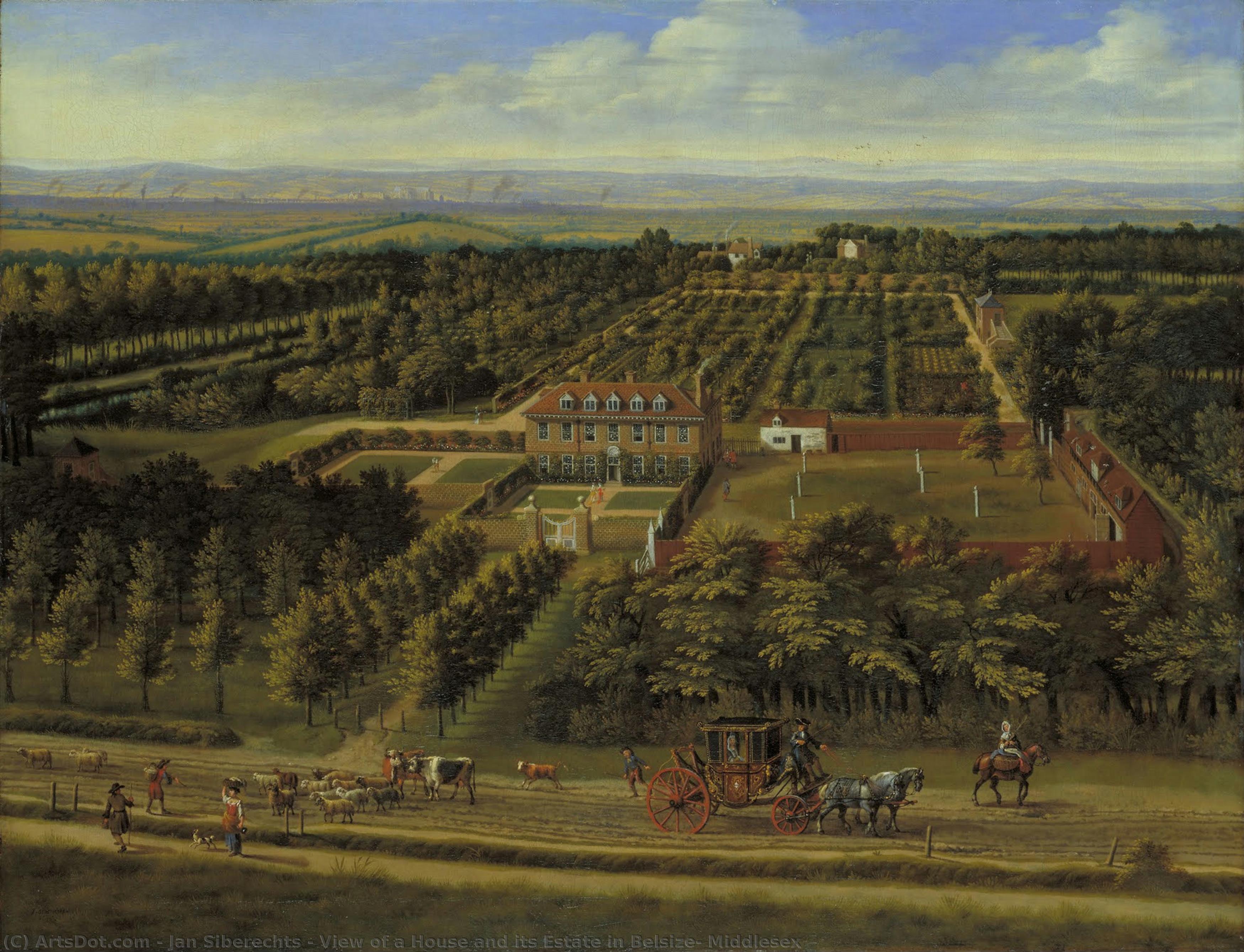
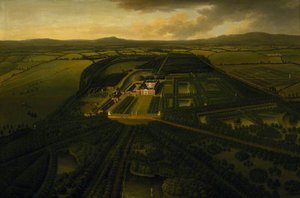
View of a House and its Estate in Belsize, Middlesex
 Oil On Canvas
- WallArt
- Flemish Landscape
 107.0 x 139.0 cm
 Tate Britain
 Weiterlesen
Giclée / Kunstdruck
Giclée- oder Leinwanddruck in Museumsqualität mit schneller Produktion und flexiblen Veredelungsoptionen. ( Handgemalte Reproduktion bestellen Bild kaufen)




P118B $10

P118H $10

P118W $10

P438Z $10

P508JH $12

P508YH $12

P805H $10

P805Z $10

P919BZ $10

P919G $10

P919XJ $10

P959ZH $10

P968JZ $12

W106C $8

W218G $10

W218JH $8

W218Y $10

W307PJ $10

W316G $10

W316PJ $8

W316Y $10

W398PJ $8

W4111J $10

W500HY $15

W500JH $15

W692G $12

W849H $8

W940BG $15

W953PJ $8




Wählen Sie aus unseren vordefinierten Formaten, die den ursprünglichen Proportionen des Kunstwerks entsprechen.

Sie können Ihre eigenen Maße eingeben, um ein bestimmtes Format oder einen speziellen Platz einzupassen. Wenn das von Ihnen gewählte Format nicht den Proportionen des Originalbildes entspricht, werden wir das Kunstwerk entweder beschneiden oder das Bild mit einem gespiegelten oder einfarbigen Rand erweitern. Ein digitaler Entwurf wird Ihnen zur Genehmigung zugesandt, bevor die Produktion beginnt.
Bitte beachten Sie, dass die Vorschau auf dem Bildschirm nicht den tatsächlichen Zuschnitt oder die Erweiterung widerspiegelt. Nur der Entwurf zeigt die endgültige Komposition präzise an.
Obwohl Sondermaße verfügbar sind, empfehlen wir die Auswahl eines Maßes aus der vordefinierten Liste, um die ursprünglichen Proportionen zu bewahren.
Weltweiter Versand () innerhalb von 2 Wochen statt der üblichen 4/5 Wochen. (27 August)

Kostenloser weltweiter Expressversand

Hochwertige Leinenleinwand

Umfassender Versicherungsschutz beim Versand

Zollgebühren-Rückerstattungsgarantie

Garantie für exakte Farbtreue

60 Tage Rückgaberecht (nur bei Mängeln)

100% Geld-zurück-Garantie

Mengenrabatt verfügbar
 Die Glasoption ist nur für Größen unter 110 cm verfügbar.

View of a House and its Estate in Belsize, Middlesex
Giclée / Kunstdruck
Format der Reproduktion
-


Gesamtpreis
$ 62
Sammlerstück-Beschreibung
A Pastoral Vision: Jan Siberechts’ “View of a House and its Estate in Belsize, Middlesex”
Jan Siberechts' "View of a House and its Estate in Belsize, Middlesex," painted in 1696, is more than just a landscape; it’s a carefully constructed tableau of early 18th-century English life, imbued with the quiet dignity and subtle charm characteristic of the artist. This panoramic scene, now residing within the Tate Britain's collection, transports us to a world where rural tranquility coexists with burgeoning urban development – a theme that resonates powerfully even today. The painting captures a moment of serene beauty, a carefully orchestrated composition designed not merely to depict a view but to evoke a particular mood and atmosphere.
The scene unfolds across a gently rolling landscape, dominated by the distant silhouette of London—a hazy reminder of the city’s ever-present influence. Foreground elements draw the eye into the heart of the estate: a modest manor house nestled amongst mature trees, its red brick façade hinting at wealth and stability. Scattered throughout this idyllic setting are figures engaged in everyday activities – farmers tending their fields, children playing near a stream, and individuals strolling along winding paths. Siberechts masterfully employs light and shadow to create depth and dimension, guiding the viewer’s gaze across the expansive vista. The artist's use of atmospheric perspective—the subtle blurring of distant objects—effectively conveys the vastness of the countryside while simultaneously anchoring the scene with a sense of tangible reality.
The Flemish Influence: Siberechts’ Artistic Roots
Understanding Jan Siberechts requires acknowledging his unique position as a bridge between artistic traditions. Born in Antwerp in 1627, he initially trained within his family's sculpting workshop, inheriting a foundational understanding of form and technique. However, it was his exposure to the vibrant landscape painting flourishing in the Low Countries—particularly the works of Nicolaes Berchem and Karel Dujardin—that truly shaped his artistic vision. These artists, who had spent considerable time in Italy, brought with them a refined sensibility for color, light, and composition, elements that Siberechts skillfully integrated into his own style.
Despite this strong Flemish influence, Siberechts’ work evolved during his time in England. He retained the characteristic atmospheric perspective and detailed rendering of figures found in his earlier paintings, yet he subtly adapted these techniques to suit the English landscape. The inclusion of rural laborers—a deliberate choice—reflects a growing interest in depicting the lives of ordinary people within the context of the grand estate. This shift reflects a broader trend in 18th-century art, moving away from purely idealized representations and towards a more nuanced portrayal of social reality.
Symbolism and Social Commentary
Beyond its aesthetic beauty, “View of a House and its Estate in Belsize, Middlesex” offers subtle glimpses into the social dynamics of the era. The presence of numerous figures engaged in various activities suggests a thriving community centered around the estate. The placement of these individuals—farmers, children, and laborers—within the composition subtly underscores the hierarchical structure of society, with the manor house representing the apex of power and influence. Siberechts’ depiction of rural life also carries a quiet endorsement of traditional values – hard work, family, and connection to the land.
The inclusion of bright red garments worn by some of the figures adds another layer of symbolic meaning. Red is often associated with prosperity, vitality, and social status in Dutch art, suggesting that these individuals are part of the estate’s privileged circle. The carefully arranged composition—the placement of trees, the flow of paths, and the positioning of figures—creates a harmonious whole, reflecting Siberechts' meticulous attention to detail and his desire to capture not just a view but an entire world.
A Legacy in Reproduction: Bringing the Vision Home
Today, “View of a House and its Estate in Belsize, Middlesex” stands as a testament to Jan Siberechts’ artistic skill and his ability to synthesize diverse influences. High-quality reproductions capture the painting's luminous quality and intricate details, allowing viewers to appreciate the artist’s mastery of light, color, and composition. Whether adorning a formal living room or a more casual space, this evocative landscape offers a timeless reminder of England’s pastoral heritage – a serene escape from the bustle of modern life.
Ähnliche Kunstwerke


Über den Künstler
Jan Siberechts: Ein flämischer Maler in England
Frühes Leben und Ausbildung (1627-1670)
- Geboren: Antwerpen, Belgien, 1627
- Sohn eines Bildhauers, Jan Siberechts.
- Ausbildung in Antwerpen bei seinem Vater.
- Wurde 1648 Meister der Heiligen-Lukaskatze.
- Möglicher Besuch Italiens in den späten 1640er oder frühen 1650er Jahren – Einfluss auf frühe Werke.
- Vermählte sich 1652 mit Maria-Anna Croes in Antwerpen.
- Früher Stil beeinflusst von niederländischen italienischen Landschaftsmalern wie Nicolaes Berchem und Karel Dujardin.
Entwicklung eines persönlichen Stils & Umzug nach England (1660er - 1672)
- Entwickelte in den 1660er Jahren einen unverwechselbaren persönlichen Stil, der die flämische Landschaft und das Landleben betonte.
- Führte Figuren – robuste Bäuerinnen in hellen Farben – in Landschaften ein und erzeugte visuelle Effekte mit Wasserreflexionen.
- Malte Hofszenen im Stil von David Teniers dem Jüngeren.
- Erlangte Anerkennung, als George Villiers, 2. Duke of Buckingham, von seiner Arbeit während eines Besuchs in Antwerpen im Jahr 1670 beeindruckt war.
- Um 1672 von dem Duke of Buckingham nach England eingeladen.
Leben und Werk in England (1672-1703)
- Verbrachte die ersten Jahre (1672-1675) mit der Dekoration von Cliveden House für den Duke of Buckingham.
- Reiste ausgiebig durch England und nahm zahlreiche Aufträge für aristokratische Klienten an.
- Lebte in London; seine Töchter arbeiteten als Spitzenmacherin für die Königin.
- Malte Jagdszenen – frühe Beispiele für Hausporträts auf dem Lande in England. Diese zeigten Jäger und Reiter im Vordergrund mit einer naturalistischen Ansicht des herrschaftlichen Hauses in einer nebligen Landschaft, oft unter Verwendung einer Vogelperspektive.
- Auftrag zur Darstellung des Belsize Estate von John Coggs im Jahr 1696 (jetzt in der Tate Gallery).
- Starb 1703 in London.
Künstlerische Bedeutung und Vermächtnis
- Gilt als Pionier der englischen Landschaftsmalerei – oft als der "Vater der britischen Landschaft" bezeichnet.
- Seine topografischen Ansichten, die Güter des britischen Adels dokumentieren, beeinflussten spätere Generationen flämischer Maler, die in England tätig waren (Peter Tillemans, Pieter Andreas Rijsbrack, Hendrik Frans de Cort).
- Etwa 100 Werke sind erhalten geblieben.
- Beeinflusst von niederländischen und italienischen Traditionen, entwickelte aber einen einzigartigen Stil, der sich durch lebendige Farben, detaillierte Figuren und atmosphärische Landschaften auszeichnete.
- John Wootton war einer seiner Schüler.
Merkmale seines Werkes
- Frühe Werke: Beeinflusst von Nicolaes Berchem und Karel Dujardin mit italienischen Elementen.
- Mittlere Schaffensperiode (1660er): Fokus auf die flämische Landschaft, robuste Figuren in hellen Kleidern, Spielen mit Wasserreflexionen.
- Spätere Werke (England): Universelle Themen, kraftvolle Bäume, weiches Licht, weniger Betonung auf Figuren, dunklerer Vordergrund zur Hervorhebung der Hintergrundlandschaft.
- Jagdszenen: Standardisierte Komposition – Jäger/Reiter im Vordergrund, herrschaftliches Haus in einer nebligen Landschaft, Vogelperspektive.
Jan Siberechts
1627 - 1703 , Belgien
Kurzinfos
- Beeinflusste Künstler:
- Nicolaes Berchem
- Karel Dujardin
- Bemerkenswerte Werke:
- Der Ford
- PAYSAGE AVEC FIGURES
- Der Einsatz
- A View of Longleat
- Geburtsdatum: 1627
- Geburtsort: Antwerpen, Belgien
- Künstlerische Richtung: Barock
- Nationalität: Flemish
- Todatum: 1703
- Vollständiger Name: Jan Siberechts
- Von Künstlern Beeinflusst:
- John Wootton
- Britische Landschaftsmalerei
Ähnliche Artikel

John Constable: Die 25 Meisterwerke des englischen Landschaftsgenies – ArtsDot
Entdecken Sie die 25 Meisterwerke von John Constable! Erleben Sie englische Landschaftsmalerei vom Hay Wain bis zur Stour Valley. Hochwertige Reproduktionen & Kunst für Ihr Zuhause auf ArtsDot.com.

Evocations of Place: A Historical Journey Through Landscape Art
Explore the rich history of landscape art with ArtsDot. Discover renowned artists, movements like Impressionism & Romanticism, and expert guidance for collecting timeless pieces. Find your perfect serene escape today!

Romantische Landschaften: Die 10 Meisterwerke, die eine Epoche prägten | ArtsDot
Entdecken Sie die 10 Meisterwerke der Romantischen Landschaftsmalerei! Von Caspar David Friedrich bis Turner – erleben Sie die Kunst, Emotion & Natur. Hochwertige Reproduktionen auf ArtsDot.com

Evocations of Place: A Historical Journey Through Landscape Art
Explore the rich history of landscape art with ArtsDot. Discover renowned artists, movements like Impressionism & tonalism, and expert guidance for collecting timeless pieces. Find your perfect serene escape today!

Katsushika Hokusai: Die 25 Meisterwerke des Ukiyo-e – Kunst für Ihr Zuhause | ArtsDot
Entdecken Sie die 25 Meisterwerke von Katsushika Hokusai! Tauchen Sie ein in die Welt des Ukiyo-e, berühmte Holzschnitte wie 'Die große Welle' & Fuji-Ansichten. Hochwertige Kunstdrucke für Ihr Zuhause – jetzt auf ArtsDot.com!