

 Vorschau anzeigen
 Versenden
 Teilen
 Details anzeigen

 Herunterladen
 Ähnliche Objekte
 Röntgenaufnahme
 Diashow
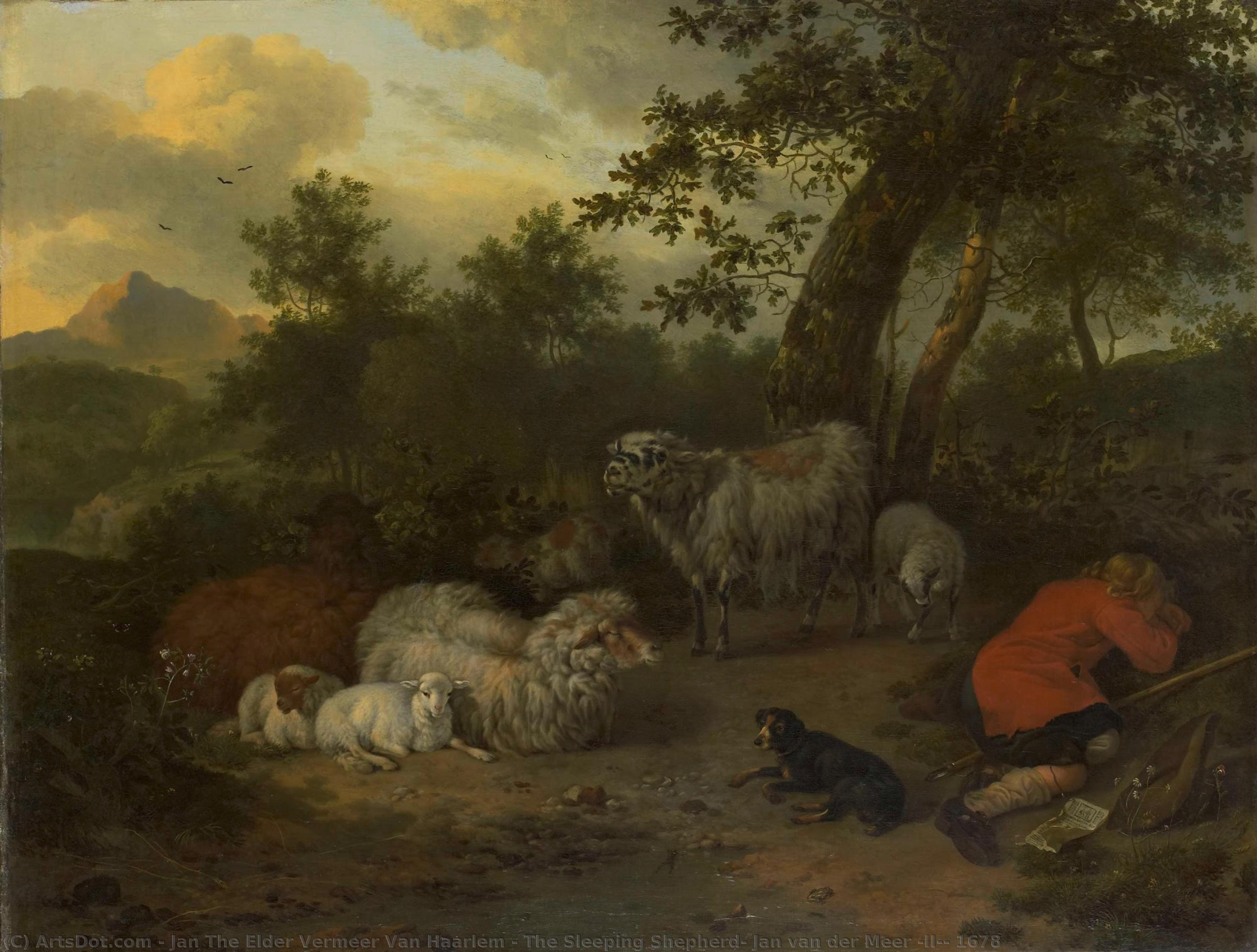
The Sleeping Shepherd, Jan van der Meer (II), 1678
 1678
1678 65.0 x 83.0 cm
 Weiterlesen
Erwerben Sie ein hochauflösendes, optimiertes digitales Bild, das der Online-Vorschau weit überlegen ist.
Jede Datei wird von unseren hauseigenen Spezialisten mit modernsten Werkzeugen und fachmännischer manueller Retusche sorgfältig vorbereitet. Wir stellen sicher, dass jedes Bild eine außergewöhnliche Klarheit, präzise Farbgenauigkeit und feinste Details aufweist.
Die endgültige Datei wird innerhalb von 72 Stunden per E-Mail zugestellt und ist für den sofortigen Einsatz in professionellen, redaktionellen und Druckumgebungen optimiert. Es handelt sich um dieselbe Qualität, der führende Designstudios, Verlage und Galerien vertrauen.
Digitales Bild
Laden Sie eine hochauflösende Datei für die persönliche Präsentation, den Druck und kreative Projekte herunter. ( Druck bestellen Handgemalte Reproduktion bestellen)
In jeder Bestellung digitaler Bilder enthalten
Professionelle digitale Bereitstellung, garantiert
Wenn Sie sich für ArtsDot.com entscheiden, erhalten Sie nicht nur ein Bild – Sie erhalten ein professionell aufbereitetes digitales Kunstwerk, das mit höchster Präzision erstellt und durch eine Zufriedenheitsgarantie abgesichert wird. Hier ist alles, was automatisch mit Ihrer Bestellung geliefert wird:

Schnelle E-Mail-Zustellung
Ihre hochauflösende digitale Bilddatei wird Ihnen innerhalb von 72 Stunden nach der Bestellung per E-Mail zugestellt – bereit zur sofortigen Verwendung.

KI-optimierte digitale Datei
Ihre Kunstwerke werden professionell mithilfe fortschrittlicher KI-Tools und manueller Bearbeitung optimiert, um maximale Detailtreue, Klarheit und Farbgenauigkeit zu gewährleisten.

Lebenslanger kostenloser Neudruckservice
Datei versehentlich gelöscht oder verloren? Keine Sorge – wir senden sie Ihnen jederzeit kostenlos erneut zu.

Keine Einfuhrgebühren – jemals
Genießen Sie Ihr Kunstwerk sofort ohne Zollgebühren, Einfuhrabgaben oder Versandkosten – digitale Downloads sind immer steuerfrei.

Garantierte Farbtreue
Wir garantieren, dass Ihr digitales Bild mithilfe professioneller Werkzeuge und Farbmanagement die Originalfarben so präzise wie möglich wiedergibt.

60-Tage-Zufriedenheitsgarantie
Sollten Sie mit Ihrem digitalen Bild nicht zufrieden sein, werden wir es überarbeiten oder Ihnen innerhalb von 60 Tagen 100% erstatten – ohne Wenn und Aber.

100% Geld-zurück-Garantie
Nicht zufrieden? Erhalten Sie innerhalb von 60 Tagen nach Erhalt Ihrer digitalen Datei eine vollständige Rückerstattung – ohne Angabe von Gründen.

Rabatte bei Großbestellungen
3 Bilder kaufen, 10% sparen – 5 Bilder kaufen, 15% sparen – Ab 10 Bildern 20% sparen. Ideal für kreative Projekte, Galerien und Agenturen.
Details zum Sammlerstück
Ähnliche Kunstwerke









Biografie des Künstlers
Jan Vermeer van Haarlem: The Quiet Master of Dutch Landscape
Jan Vermeer van Haarlem (1628 – 1691) stands as a singular figure within the illustrious tapestry of Dutch Golden Age painting, renowned not for dramatic narratives or heroic portraits but for an unparalleled sensitivity to light and atmosphere—a mastery that cemented his place among the most beloved artists of all time. Born in Haarlem, Netherlands, Vermeer’s artistic journey began under the tutelage of his father, Jan van der Meer I, a landscape painter who instilled in him a foundational understanding of capturing the beauty of the natural world. This formative influence would prove crucial to Vermeer's distinctive style and enduring legacy.Early Life & Training
Vermeer’s childhood was marked by familial hardship; his father’s business struggled financially, impacting the family’s circumstances. He joined the Haarlem Guild of St. Luke in 1678, securing a stable livelihood and establishing himself as a respected professional artist. His marriage to Maria Thijs Dusart brought him into a prominent Haarlem family, further enriching his social life. Vermeer's artistic development unfolded primarily during his time in Amsterdam, where he honed his skills and absorbed influences from contemporaries like Nicolas Berchem and Jacob Savertijt. Berchem’s meticulous attention to detail and use of chiaroscuro—the dramatic interplay between light and shadow—served as a significant catalyst for Vermeer’s own stylistic innovations. Unlike many artists of his era who favored grand historical scenes or mythological allegories, Vermeer focused almost exclusively on landscapes and interiors, meticulously rendered with an astonishing degree of realism.Distinctive Style
His canvases are characterized by a serene stillness, achieved through masterful manipulation of light—particularly diffused sunlight—that illuminates domestic spaces or tranquil countryside vistas. He employed a muted palette dominated by earthy tones and subtle gradations of color, utilizing thin glazes layered upon glazes to create an illusionistic depth that captivated viewers. Vermeer’s technique—characterized by painstaking observation and meticulous brushwork—became synonymous with the Dutch landscape tradition. The resulting images possess an ethereal quality, conveying not just visual information but also a profound sense of emotion and contemplation.Influences & Artistic Techniques
Vermeer's artistic style was profoundly shaped by his exposure to the works of Nicolaes Berchem and Frans Hals. Berchem’s masterful use of chiaroscuro instilled in Vermeer a deep appreciation for dramatic lighting effects, mirroring the techniques employed by Hals—a fellow Haarlem artist known for his portraits imbued with psychological realism. Vermeer's meticulous approach involved extensive preparatory sketches and studies of light and shadow, meticulously documenting every nuance before transferring them onto canvas. He achieved remarkable depth and luminosity through layering thin glazes of pigment—a technique that allowed him to capture the subtle variations in color and texture characteristic of natural surfaces.Major Achievements & Legacy
Among Vermeer’s most celebrated works are “View of Haarlem from the Dunes” (circa 1657), “The Astronomer,” “Woman Reading a Letter,” and “The Milkmaid”—each depicting scenes of everyday life with an exquisite sense of observation and psychological insight. These paintings transcend mere representation; they evoke emotions and invite contemplation, capturing fleeting moments of beauty and tranquility that resonate powerfully across centuries. Despite his prolific output, Vermeer’s life was marked by relative obscurity during his lifetime. He died in Haarlem in 1691, leaving behind a legacy that would only gain recognition posthumously. Today, Jan Vermeer van Haarlem is revered as one of the greatest painters of the Dutch Golden Age—a testament to his unparalleled artistic vision and enduring ability to convey profound emotional resonance through deceptively simple compositions. His influence continues to inspire artists and scholars alike, securing his place as an icon of Dutch artistic excellence and a cornerstone of Western art history.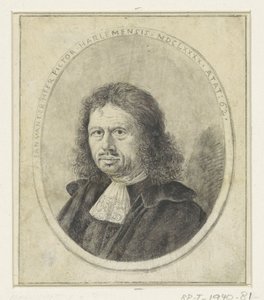
jan the elder vermeer van haarlem
1628 - 1691 , Niederlande
Kurzinfos
- Artistic Movement Or Style: Niederländische Gouachekunst; Italienische Landschaftsmalerei
- Artists Or Movements Influenced By This Artist: Frans Hals
- Artists Who Influenced This Artist: Nicolaes Berchem
- Date Of Birth: 1628
- Date Of Death: 1691
- Full Name: Jan Vermeer van Haarlem
- Nationality: Niederländisch
- Notable Artworks:
- Ausblick über Haarlem von den Dünen
- Der Astronomer
- Das Mädchen mit dem Perlenohrring
- Place Of Birth: Haarlem, Niederlande

