

 Vorschau anzeigen
 Versenden
 Teilen
 Details anzeigen

 Herunterladen
 Ähnliche Objekte
 Röntgenaufnahme
 Diashow
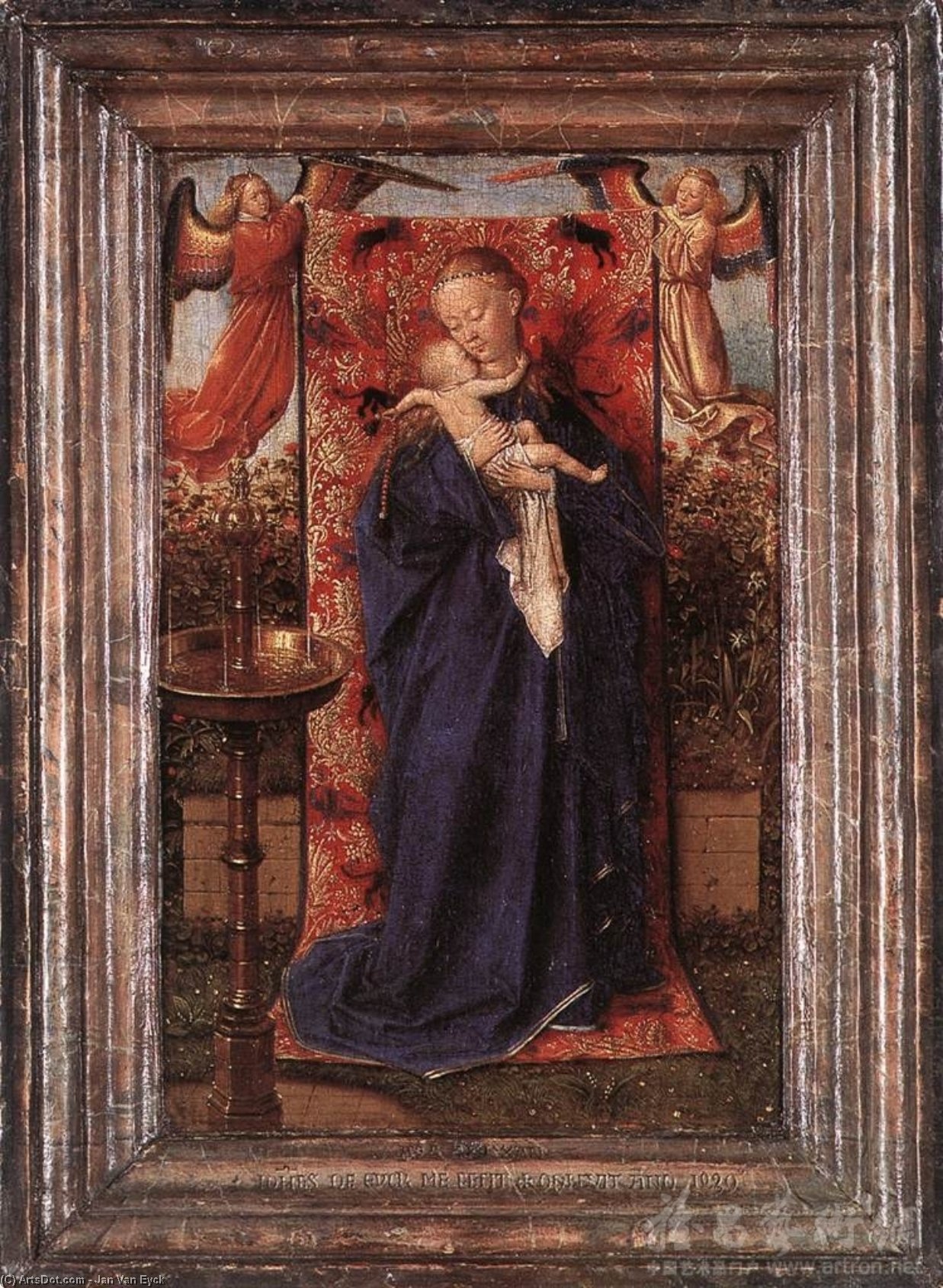
Madonna and Child at the Fountain


 Weiterlesen
Erwerben Sie ein hochauflösendes, optimiertes digitales Bild, das der Online-Vorschau weit überlegen ist.
Jede Datei wird von unseren hauseigenen Spezialisten mit modernsten Werkzeugen und fachmännischer manueller Retusche sorgfältig vorbereitet. Wir stellen sicher, dass jedes Bild eine außergewöhnliche Klarheit, präzise Farbgenauigkeit und feinste Details aufweist.
Die endgültige Datei wird innerhalb von 72 Stunden per E-Mail zugestellt und ist für den sofortigen Einsatz in professionellen, redaktionellen und Druckumgebungen optimiert. Es handelt sich um dieselbe Qualität, der führende Designstudios, Verlage und Galerien vertrauen.
Digitales Bild
Laden Sie eine hochauflösende Datei für die persönliche Präsentation, den Druck und kreative Projekte herunter. ( Druck bestellen Handgemalte Reproduktion bestellen)
In jeder Bestellung digitaler Bilder enthalten
Professionelle digitale Bereitstellung, garantiert
Wenn Sie sich für ArtsDot.com entscheiden, erhalten Sie nicht nur ein Bild – Sie erhalten ein professionell aufbereitetes digitales Kunstwerk, das mit höchster Präzision erstellt und durch eine Zufriedenheitsgarantie abgesichert wird. Hier ist alles, was automatisch mit Ihrer Bestellung geliefert wird:

Schnelle E-Mail-Zustellung
Ihre hochauflösende digitale Bilddatei wird Ihnen innerhalb von 72 Stunden nach der Bestellung per E-Mail zugestellt – bereit zur sofortigen Verwendung.

KI-optimierte digitale Datei
Ihre Kunstwerke werden professionell mithilfe fortschrittlicher KI-Tools und manueller Bearbeitung optimiert, um maximale Detailtreue, Klarheit und Farbgenauigkeit zu gewährleisten.

Lebenslanger kostenloser Neudruckservice
Datei versehentlich gelöscht oder verloren? Keine Sorge – wir senden sie Ihnen jederzeit kostenlos erneut zu.

Keine Einfuhrgebühren – jemals
Genießen Sie Ihr Kunstwerk sofort ohne Zollgebühren, Einfuhrabgaben oder Versandkosten – digitale Downloads sind immer steuerfrei.

Garantierte Farbtreue
Wir garantieren, dass Ihr digitales Bild mithilfe professioneller Werkzeuge und Farbmanagement die Originalfarben so präzise wie möglich wiedergibt.

60-Tage-Zufriedenheitsgarantie
Sollten Sie mit Ihrem digitalen Bild nicht zufrieden sein, werden wir es überarbeiten oder Ihnen innerhalb von 60 Tagen 100% erstatten – ohne Wenn und Aber.

100% Geld-zurück-Garantie
Nicht zufrieden? Erhalten Sie innerhalb von 60 Tagen nach Erhalt Ihrer digitalen Datei eine vollständige Rückerstattung – ohne Angabe von Gründen.

Rabatte bei Großbestellungen
3 Bilder kaufen, 10% sparen – 5 Bilder kaufen, 15% sparen – Ab 10 Bildern 20% sparen. Ideal für kreative Projekte, Galerien und Agenturen.
Details zum Sammlerstück
A Visionary Dawn: The Luminous World of Jan van Eyck
In the quiet, hallowed halls of St George’s Cathedral in Bruges, there exists a window into a more spiritual age. “Madonna and Child at the Fountain” is not merely a painting; it is a profound devotional experience captured through the revolutionary lens of the Early Netherlandish master, Jan van Eyck. Painted circa 1430-1432, this masterpiece serves as a testament to a period when art began to transcend the flat, symbolic boundaries of the Middle Ages to embrace a breathtaking, tactile reality. As the viewer gazes upon the Virgin Mary cradling the Christ child, there is an immediate sense of intimacy, as if we have stumbled upon a private, celestial moment shared between mother and son amidst the stillness of a sacred chamber.
The emotional resonance of the work lies in its tender composition. The way the infant Jesus gazes upward toward the heavens, mirrored by the serene, contemplative expression of Mary, invites the observer into a state of quiet reverence. This connection is further enriched by the presence of ethereal angels flanking the central figures, acting as celestial witnesses to this earthly manifestation of the divine. Even the mundane elements—a simple dining table and a humble bowl placed in the foreground—are elevated to the level of the sacred, suggesting that the divine can be found within the most domestic and quiet corners of our lives.
The Alchemy of Light and Oil
To understand the visual splendor of this work, one must appreciate the technical revolution Jan van Eyck spearheaded. Before his innovations, the art world relied heavily on tempera, a medium that, while vibrant, lacked the ability to capture the true depth of light. Van Eyck’s mastery of oil painting changed the course of art history forever. By meticulously applying thin, transparent glazes of pigment, he achieved an unprecedented luminosity. This technique allows light to pass through the layers of paint and reflect back from the base, creating a soft, inner glow that seems to emanates from within the subjects themselves.
This mastery is most evident in the way the artist renders textures and reflections. The subtle translucence of Mary’s robes, the shimmering, liquid quality of the fountain, and the delicate play of light and shadow across the skin of the Christ child all demonstrate a level of realism that was nothing short of miraculous for the 15th century. For the collector or interior designer, these qualities make a reproduction of this piece an extraordinary addition to any space; it possesses a unique ability to catch the ambient light of a room, bringing a sense of depth, warmth, and sophisticated texture to a gallery wall or a curated study.
A Legacy of Flemish Grandeur
The historical backdrop of this painting is as rich as its pigments. During the mid-15th century, Bruges was the beating heart of European commerce, a bustling hub where wealth from global trade met the spiritual fervor of the Northern Renaissance. This era of prosperity allowed for the rise of a sophisticated class of patrons—merchants and guilds who sought art that reflected both their worldly success and their deep religious devotion. Van Eyck’s workshop was at the epicenter of this cultural flowering, producing works that defined the aesthetic identity of the Low Countries.
Owning or displaying a high-quality reproduction of “Madonna and Child at the Fountain” is more than an act of decoration; it is an engagement with history. It brings into a modern interior the prestige of the Flemish tradition and the quiet, contemplative beauty of the Northern Renaissance. Whether placed in a sunlit living area or a moody, classical library, this painting serves as a focal point of grace, offering a timeless reminder of the beauty found in light, devotion, and the enduring power of human craftsmanship.
Biografie des Künstlers
frühes Leben und Karriere
Jan van Eyck, eine herausragende Figur der frühen niederländischen Malerei, wurde um 1390 in Maaseik, heutiges Belgien, geboren. Bis 1422 hatte er sich als Meistermaler mit Werkstatt und Assistenten in Brügge etabliert. Er diente John III den Unbarmherzigen und später Philipp dem Guten, Herzog von Burgund, als Hofmaler und genoss hohes Ansehen und war an diplomatischen Bemühungen beteiligt.Künstlerische Beiträge
Van Eycks Werke, die zunächst im Stil der internationalen Gotik verwurzelt waren, überschritten ihre Grenzen durch seinen verstärkten naturalistischen Ansatz und die innovative Verwendung von Ölfarbe. Dies setzte einen neuen Standard in der Kunstwelt und machte ihn zu einem Pionier der frühen niederländischen Malerei. Zu seinen bemerkenswertesten Werken gehören:- Gott Vater (212 x 83 cm, nördliche Renaissance, Öl auf Holzplatte, anschaulich auf ArtsDot.com)
- Portrait eines jungen Mannes (33 x 19 cm, nördliche Renaissance, Öl auf Holzplatte, anschaulich auf ArtsDot.com)
- Dresdener Dreipietà (Jungfrau mit dem Kind mit St. Michael und St. Katharina und einer Darstellerin) (28 x 38 cm, Gemäldegalerie Alte Meister, Dresden, Deutschland, nördliche Renaissance, Holz, anschaulich auf ArtsDot.com)
- Portrait von Giovanni Arnolfini und seiner Frau (Detail) (Nationalgalerie, London, Vereinigtes Königreich, Öl, anschaulich auf ArtsDot.com)
- Mann mit blauer Turban (17 x 23 cm, Nationalmuseum für Kunst in Bukarest, Rumänien, nördliche Renaissance, Holz, anschaulich auf ArtsDot.com)
Vermächtnis und Einfluss
Van Eycks Einfluss war tiefgreifend und legte den Grundstein für das blühende Zeitalter der frühen niederländischen Malerei. Seine innovative Verwendung von Ölfarbe verlieh seinen Werken Tiefe und Realismus, was ihn zu einer **bemerkenswerten Figur in der Kunstwelt** machte. Um mehr über die Werke von Jan van Eyck und die frühe niederländische Malerei zu erfahren, besuchen Sie Jan van Eycks Seite auf ArtsDot.com.Weitere Literatur
* Wikipedia: [Jan van Eyck](https://en.wikipedia.org/wiki/jan_van_eyck) * ArtsDot.com: Nordniederländischer Maler * ArtsDot.com: Die frühe niederländische Kunstbewegung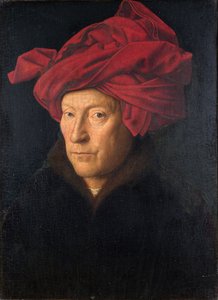
Jan van Eyck
1390 - 1441 , Niederlande
Kurzinfos
- Beeinflusste Künstler: ['Gerard David']
- Bemerkenswerte Werke:
- Genter Altarbild
- Arnolfini-Porträt
- Dresdner Triptychon
- Mann mit blauem Turben
- Geburtsdatum: ca. 1390
- Geburtsort: Maastricht, Niederlande
- Künstlerische Bewegung: Frühflämische Malerei
- Künstlerische Einflüsse:
- Hubert van Eyck
- Manuskriptillumination
- Nationalität: Niederländisch
- Todatum: 1441
- Vollständiger Name: Jan van Eyck

