 Vorschau anzeigen
 Versenden
 Teilen
 Details anzeigen

 Herunterladen
 Ähnliche Objekte
 Röntgenaufnahme
 Diashow
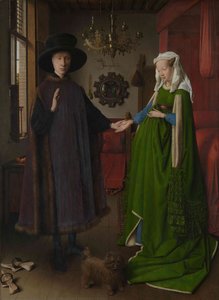
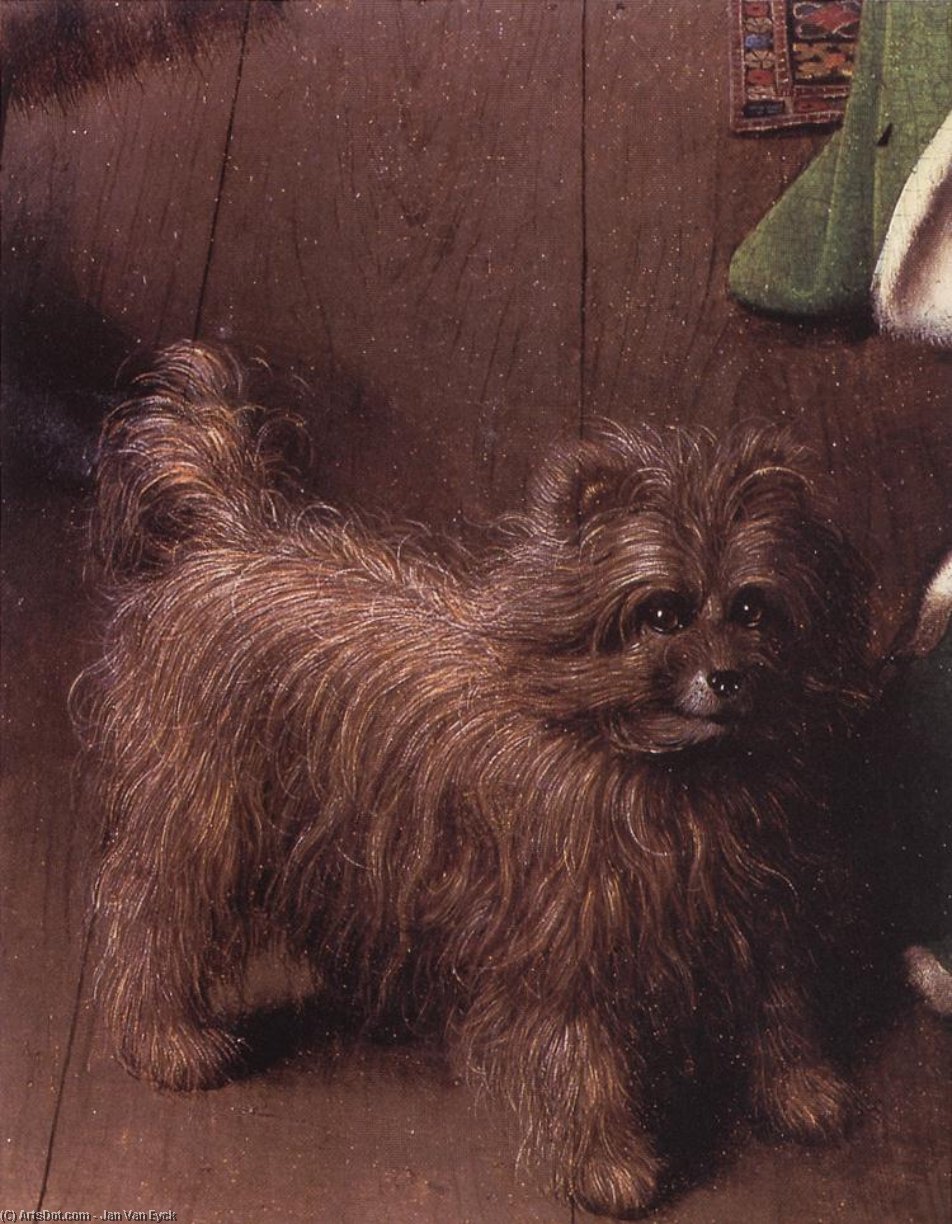
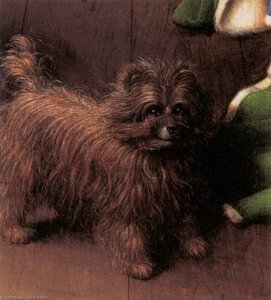
Porträt von Giovanni Arnolfini und seiner Frau (Detail - )


 Weiterlesen
Giclée / Kunstdruck
Giclée- oder Leinwanddruck in Museumsqualität mit schneller Produktion und flexiblen Veredelungsoptionen. ( Handgemalte Reproduktion bestellen Bild kaufen)




P118B $10

P118H $10

P118W $10

P438Z $10

P508JH $12

P508YH $12

P805H $10

P805Z $10

P919BZ $10

P919G $10

P919XJ $10

P959ZH $10

P968JZ $12

W106C $8

W218G $10

W218JH $8

W218Y $10

W307PJ $10

W316G $10

W316PJ $8

W316Y $10

W398PJ $8

W4111J $10

W500HY $15

W500JH $15

W692G $12

W849H $8

W940BG $15

W953PJ $8




Wählen Sie aus unseren vordefinierten Formaten, die den ursprünglichen Proportionen des Kunstwerks entsprechen.

Sie können Ihre eigenen Maße eingeben, um ein bestimmtes Format oder einen speziellen Platz einzupassen. Wenn das von Ihnen gewählte Format nicht den Proportionen des Originalbildes entspricht, werden wir das Kunstwerk entweder beschneiden oder das Bild mit einem gespiegelten oder einfarbigen Rand erweitern. Ein digitaler Entwurf wird Ihnen zur Genehmigung zugesandt, bevor die Produktion beginnt.
Bitte beachten Sie, dass die Vorschau auf dem Bildschirm nicht den tatsächlichen Zuschnitt oder die Erweiterung widerspiegelt. Nur der Entwurf zeigt die endgültige Komposition präzise an.
Obwohl Sondermaße verfügbar sind, empfehlen wir die Auswahl eines Maßes aus der vordefinierten Liste, um die ursprünglichen Proportionen zu bewahren.
Weltweiter Versand () innerhalb von 2 Wochen statt der üblichen 4/5 Wochen. (25 August)

Kostenloser weltweiter Expressversand

Hochwertige Leinenleinwand

Umfassender Versicherungsschutz beim Versand

Zollgebühren-Rückerstattungsgarantie

Garantie für exakte Farbtreue

60 Tage Rückgaberecht (nur bei Mängeln)

100% Geld-zurück-Garantie

Mengenrabatt verfügbar
 Die Glasoption ist nur für Größen unter 110 cm verfügbar.

Porträt von Giovanni Arnolfini und seiner Frau (Detail - )
Giclée / Kunstdruck
Format der Reproduktion
-


Gesamtpreis
$ 62
Sammlerstück-Beschreibung
A Glimpse into Domesticity: The Dog in Van Eyck’s Arnolfini Portrait
Jan van Eyck's *Portrait of Giovanni Arnolfini and his Wife* (1434) stands as a monumental achievement in Early Netherlandish painting, capturing not merely likeness but an entire moment frozen in time—a snapshot of marital life within the opulent milieu of Burgundian Flanders. More than just a depiction of two individuals, it’s a meticulously crafted tableau brimming with symbolism and groundbreaking artistic innovation that continues to fascinate scholars and inspire artists today. ### Realism & Technique: A Northern Renaissance Marvel The artist's mastery is immediately evident in the astonishing level of detail achieved through his signature oil painting technique—a revolutionary departure from the tempera pigments favored by earlier generations. Van Eyck employed *alla prima*, applying thin, translucent glazes upon successive layers of pigment to build up tonal depth and luminosity with unparalleled precision. Notice the individual hairs meticulously rendered on the dog’s coat; these delicate brushstrokes convey not only texture but also a palpable sense of softness—a testament to Van Eyck's unwavering commitment to realism. The subtle interplay of light across the fur and onto the wooden floorboards demonstrates his profound understanding of how light interacts with surfaces, creating an illusion of three-dimensionality that was unprecedented for its time. This meticulous approach extended beyond mere observation; Van Eyck painstakingly recreated the effects of both direct sunlight from the window and reflected light from the mirror, furthering enhancing the painting’s immersive quality. ### Historical Context: A Window into Burgundian Life Jan van Eyck served as court painter to Philip the Good, Duke of Burgundy—a position that afforded him access to considerable patronage and allowed him to immerse himself in the intellectual and artistic currents of his era. The *Arnolfini Portrait* reflects the burgeoning wealth and sophistication of the Burgundian court, where lavish displays of material possessions were considered markers of status and prestige. The inclusion of the dog speaks volumes about evolving attitudes towards domestic animals during this period—a symbol of loyalty, companionship, and familial devotion that resonated deeply within Renaissance society. Furthermore, scholars believe that Arnolfini’s residence was situated in Bruges, a thriving commercial hub known for its cosmopolitan atmosphere and artistic vibrancy. ### Symbolism: Loyalty & Fidelity Within the visual language of fifteenth-century art, dogs frequently functioned as emblems of fidelity and marital sanctity—a deliberate choice by Van Eyck to reinforce these themes within his portrait. Its quiet presence suggests a harmonious household built on trust and affection—a subtle yet powerful message conveyed through the careful positioning of the animal within the composition. Beyond its symbolic significance, the dog’s appearance also reflects broader cultural values concerning status and wealth; owning animals like dogs was an expensive undertaking, signifying considerable resources and demonstrating social standing. ### Emotional Impact & Aesthetic Appeal The painting evokes a profound sense of intimacy and contemplative observation—a rare achievement in portraiture for its time. The soft lighting creates a calming atmosphere, inviting the viewer to linger upon the scene and contemplate its understated beauty. For interior designers seeking timeless elegance, this image offers inspiration—a harmonious blend of realism, warmth, and refined taste that transcends stylistic conventions. Its enduring appeal lies in its ability to capture a fleeting moment of domestic tranquility—a testament to Van Eyck’s artistic genius and the lasting legacy of Early Netherlandish painting.Ähnliche Kunstwerke
Über den Künstler
frühes Leben und Karriere
Jan van Eyck, eine herausragende Figur der frühen niederländischen Malerei, wurde um 1390 in Maaseik, heutiges Belgien, geboren. Bis 1422 hatte er sich als Meistermaler mit Werkstatt und Assistenten in Brügge etabliert. Er diente John III den Unbarmherzigen und später Philipp dem Guten, Herzog von Burgund, als Hofmaler und genoss hohes Ansehen und war an diplomatischen Bemühungen beteiligt.Künstlerische Beiträge
Van Eycks Werke, die zunächst im Stil der internationalen Gotik verwurzelt waren, überschritten ihre Grenzen durch seinen verstärkten naturalistischen Ansatz und die innovative Verwendung von Ölfarbe. Dies setzte einen neuen Standard in der Kunstwelt und machte ihn zu einem Pionier der frühen niederländischen Malerei. Zu seinen bemerkenswertesten Werken gehören:- Gott Vater (212 x 83 cm, nördliche Renaissance, Öl auf Holzplatte, anschaulich auf ArtsDot.com)
- Portrait eines jungen Mannes (33 x 19 cm, nördliche Renaissance, Öl auf Holzplatte, anschaulich auf ArtsDot.com)
- Dresdener Dreipietà (Jungfrau mit dem Kind mit St. Michael und St. Katharina und einer Darstellerin) (28 x 38 cm, Gemäldegalerie Alte Meister, Dresden, Deutschland, nördliche Renaissance, Holz, anschaulich auf ArtsDot.com)
- Portrait von Giovanni Arnolfini und seiner Frau (Detail) (Nationalgalerie, London, Vereinigtes Königreich, Öl, anschaulich auf ArtsDot.com)
- Mann mit blauer Turban (17 x 23 cm, Nationalmuseum für Kunst in Bukarest, Rumänien, nördliche Renaissance, Holz, anschaulich auf ArtsDot.com)
Vermächtnis und Einfluss
Van Eycks Einfluss war tiefgreifend und legte den Grundstein für das blühende Zeitalter der frühen niederländischen Malerei. Seine innovative Verwendung von Ölfarbe verlieh seinen Werken Tiefe und Realismus, was ihn zu einer **bemerkenswerten Figur in der Kunstwelt** machte. Um mehr über die Werke von Jan van Eyck und die frühe niederländische Malerei zu erfahren, besuchen Sie Jan van Eycks Seite auf ArtsDot.com.Weitere Literatur
* Wikipedia: [Jan van Eyck](https://en.wikipedia.org/wiki/jan_van_eyck) * ArtsDot.com: Nordniederländischer Maler * ArtsDot.com: Die frühe niederländische Kunstbewegung
Jan van Eyck
1390 - 1441 , Niederlande
Kurzinfos
- Beeinflusste Künstler: ['Gerard David']
- Bemerkenswerte Werke:
- Genter Altarbild
- Arnolfini-Porträt
- Dresdner Triptychon
- Mann mit blauem Turben
- Geburtsdatum: ca. 1390
- Geburtsort: Maastricht, Niederlande
- Künstlerische Bewegung: Frühflämische Malerei
- Künstlerische Einflüsse:
- Hubert van Eyck
- Manuskriptillumination
- Nationalität: Niederländisch
- Todatum: 1441
- Vollständiger Name: Jan van Eyck
Ähnliche Artikel

Frühniederländische Meisterwerke: 10 Gemälde, die eine Epoche prägten | ArtsDot
Entdecken Sie die 10 prägendsten Meisterwerke der Frühniederländischen Malerei! Von Jan van Eyck bis Rogier van der Weyden – erleben Sie Kunstgeschichte hautnah. Hochwertige Reproduktionen & Inspiration für Ihr Interieur auf ArtsDot.com.
Jan van Eyck: Innovation, Symbolik und die Morgendämmerung der frühniederländischen Malerei
Entdecken Sie die Innovationen und tiefgründige Symbolik von Jan van Eyck! Analysieren Sie mit uns seine Meisterwerke, die Ölmaltechnik und den Einfluss auf die frühniederländische Renaissance. Jetzt lesen!
Frühniederländische Renaissance: 10 Meisterwerke für Ihr Zuhause | ArtsDot
Entdecken Sie die 10 prägendsten Meisterwerke der Frühniederländischen Renaissance! Erfahren Sie mehr über Jan van Eyck, Rogier van der Weyden & Co. und ihre ikonischen Gemälde. Hochwertige Reproduktionen für Ihr Zuhause – jetzt auf ArtsDot.com!
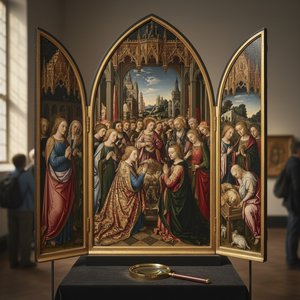
Illuminating Realism: A Comprehensive Exploration of the Early Netherlandish Renaissance Movement
Explore the captivating world of Early Netherlandish painting! Discover Jan van Eyck & other Flemish masters, their revolutionary techniques, hidden symbolism, and lasting legacy. A comprehensive guide for art enthusiasts.

Rembrandts Meisterwerke: Die Top 25 Kunstwerke für Ihr Zuhause | ArtsDot
Entdecken Sie Rembrandts 25 berühmteste Kunstwerke! Tauchen Sie ein in die Welt des Barock, Licht und Schatten & historischer Porträts. Hochwertige Reproduktionen für Ihr Zuhause – jetzt auf ArtsDot.com!