 Vorschau anzeigen
 Versenden
 Teilen
 Details anzeigen

 Herunterladen
 Ähnliche Objekte
 Röntgenaufnahme
 Diashow
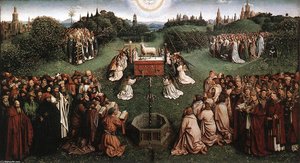
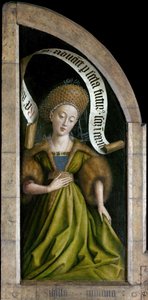
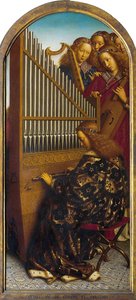
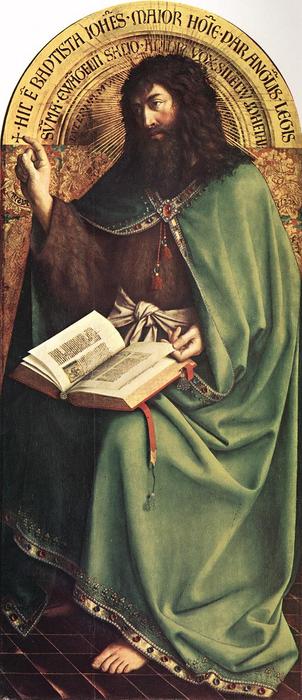
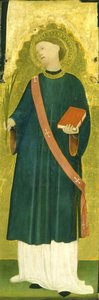
The Ghent Altar (detail)


 Weiterlesen
Giclée / Kunstdruck
Giclée- oder Leinwanddruck in Museumsqualität mit schneller Produktion und flexiblen Veredelungsoptionen. ( Handgemalte Reproduktion bestellen Bild kaufen)




P118B $10

P118H $10

P118W $10

P438Z $10

P508JH $12

P508YH $12

P805H $10

P805Z $10

P919BZ $10

P919G $10

P919XJ $10

P959ZH $10

P968JZ $12

W106C $8

W218G $10

W218JH $8

W218Y $10

W307PJ $10

W316G $10

W316PJ $8

W316Y $10

W398PJ $8

W4111J $10

W500HY $15

W500JH $15

W692G $12

W849H $8

W940BG $15

W953PJ $8




Wählen Sie aus unseren vordefinierten Formaten, die den ursprünglichen Proportionen des Kunstwerks entsprechen.

Sie können Ihre eigenen Maße eingeben, um ein bestimmtes Format oder einen speziellen Platz einzupassen. Wenn das von Ihnen gewählte Format nicht den Proportionen des Originalbildes entspricht, werden wir das Kunstwerk entweder beschneiden oder das Bild mit einem gespiegelten oder einfarbigen Rand erweitern. Ein digitaler Entwurf wird Ihnen zur Genehmigung zugesandt, bevor die Produktion beginnt.
Bitte beachten Sie, dass die Vorschau auf dem Bildschirm nicht den tatsächlichen Zuschnitt oder die Erweiterung widerspiegelt. Nur der Entwurf zeigt die endgültige Komposition präzise an.
Obwohl Sondermaße verfügbar sind, empfehlen wir die Auswahl eines Maßes aus der vordefinierten Liste, um die ursprünglichen Proportionen zu bewahren.
Weltweiter Versand () innerhalb von 2 Wochen statt der üblichen 4/5 Wochen. (24 August)

Kostenloser weltweiter Expressversand

Hochwertige Leinenleinwand

Umfassender Versicherungsschutz beim Versand

Zollgebühren-Rückerstattungsgarantie

Garantie für exakte Farbtreue

60 Tage Rückgaberecht (nur bei Mängeln)

100% Geld-zurück-Garantie

Mengenrabatt verfügbar
 Die Glasoption ist nur für Größen unter 110 cm verfügbar.

The Ghent Altar (detail)
Giclée / Kunstdruck
Format der Reproduktion
-


Gesamtpreis
$ 62
Sammlerstück-Beschreibung
A Moment of Contemplation: Exploring the Detail of Jan van Eyck’s The Ghent Altar
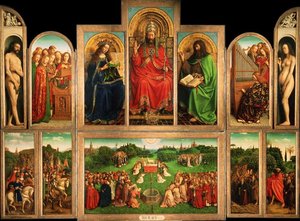
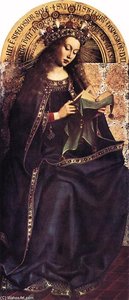
Jan van Eyck's "The Ghent Altar," completed in 1432, stands as a monumental achievement not just within the artist’s oeuvre but as a pivotal moment in the history of Western art. This magnificent polyptych, depicting scenes from the life of Christ, is renowned for its astonishing realism and technical innovation – particularly Van Eyck's masterful manipulation of oil paint. While the entire altar is a breathtaking spectacle of detail and religious fervor, it’s the intimate details, such as this carefully rendered depiction of a seated figure, that truly captivate the viewer, offering a poignant glimpse into the devotional experience of the period.
The Artist's Hand: Technique and Innovation
- Oil Paint Mastery: Van Eyck’s genius lay in his pioneering use of oil paint. Unlike previous tempera techniques, oil allowed for incredibly subtle gradations of color, luminous effects, and a level of detail previously unattainable. The resulting sheen and depth are immediately apparent in this section, where the folds of the robe and the texture of the book seem to shimmer with an almost otherworldly light.
- Geometric Precision: Van Eyck’s meticulous attention to geometry is evident in every brushstroke. The precise rendering of the man's posture, the careful placement of his hands, and the sharp delineation of his features demonstrate a mastery of perspective and spatial representation that was revolutionary for its time.
- Surface Texture: Note the incredible realism achieved through layering thin glazes of oil paint, creating a tactile surface that invites close inspection. This technique is crucial to understanding Van Eyck’s ability to mimic the appearance of materials – wood, fabric, and skin – with astonishing accuracy.
Symbolism and Religious Narrative
This particular detail within "The Ghent Altar" likely represents a scholar or scribe engaged in prayerful contemplation. The book held in his hand symbolizes knowledge, scripture, and the pursuit of spiritual understanding – central tenets of Christian belief. The cross he clutches is a potent reminder of Christ’s sacrifice and redemption. Van Eyck's intention was not merely to depict religious scenes but to evoke an emotional response within the viewer, prompting reflection on faith, morality, and the human condition.
- The Figure as Mediator: The seated figure acts as a visual bridge between the divine and the earthly realms, inviting the observer to participate in this act of devotion.
- Color Symbolism: The green robe, often associated with hope and resurrection, further emphasizes the spiritual significance of the scene.
Historical Context and Legacy
Created during a period of immense religious fervor and artistic innovation in Burgundy, "The Ghent Altar" reflects the patronage of wealthy merchants and civic elites who sought to demonstrate their piety and status through lavish works of art. Van Eyck’s work profoundly influenced subsequent generations of Northern Renaissance painters, establishing new standards for realism, detail, and technical skill. This meticulously crafted reproduction allows you to experience a fragment of this artistic revolution firsthand, bringing the genius of Jan van Eyck into your home or studio.
Ähnliche Kunstwerke
Über den Künstler
frühes Leben und Karriere
Jan van Eyck, eine herausragende Figur der frühen niederländischen Malerei, wurde um 1390 in Maaseik, heutiges Belgien, geboren. Bis 1422 hatte er sich als Meistermaler mit Werkstatt und Assistenten in Brügge etabliert. Er diente John III den Unbarmherzigen und später Philipp dem Guten, Herzog von Burgund, als Hofmaler und genoss hohes Ansehen und war an diplomatischen Bemühungen beteiligt.Künstlerische Beiträge
Van Eycks Werke, die zunächst im Stil der internationalen Gotik verwurzelt waren, überschritten ihre Grenzen durch seinen verstärkten naturalistischen Ansatz und die innovative Verwendung von Ölfarbe. Dies setzte einen neuen Standard in der Kunstwelt und machte ihn zu einem Pionier der frühen niederländischen Malerei. Zu seinen bemerkenswertesten Werken gehören:- Gott Vater (212 x 83 cm, nördliche Renaissance, Öl auf Holzplatte, anschaulich auf ArtsDot.com)
- Portrait eines jungen Mannes (33 x 19 cm, nördliche Renaissance, Öl auf Holzplatte, anschaulich auf ArtsDot.com)
- Dresdener Dreipietà (Jungfrau mit dem Kind mit St. Michael und St. Katharina und einer Darstellerin) (28 x 38 cm, Gemäldegalerie Alte Meister, Dresden, Deutschland, nördliche Renaissance, Holz, anschaulich auf ArtsDot.com)
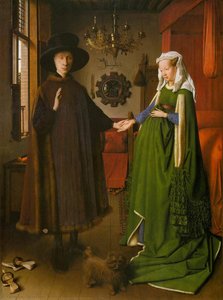
- Portrait von Giovanni Arnolfini und seiner Frau (Detail) (Nationalgalerie, London, Vereinigtes Königreich, Öl, anschaulich auf ArtsDot.com)
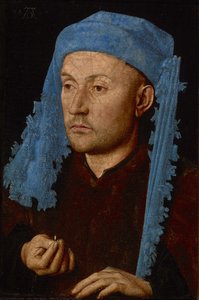
- Mann mit blauer Turban (17 x 23 cm, Nationalmuseum für Kunst in Bukarest, Rumänien, nördliche Renaissance, Holz, anschaulich auf ArtsDot.com)
Vermächtnis und Einfluss
Van Eycks Einfluss war tiefgreifend und legte den Grundstein für das blühende Zeitalter der frühen niederländischen Malerei. Seine innovative Verwendung von Ölfarbe verlieh seinen Werken Tiefe und Realismus, was ihn zu einer **bemerkenswerten Figur in der Kunstwelt** machte. Um mehr über die Werke von Jan van Eyck und die frühe niederländische Malerei zu erfahren, besuchen Sie Jan van Eycks Seite auf ArtsDot.com.Weitere Literatur
* Wikipedia: [Jan van Eyck](https://en.wikipedia.org/wiki/jan_van_eyck) * ArtsDot.com: Nordniederländischer Maler * ArtsDot.com: Die frühe niederländische Kunstbewegung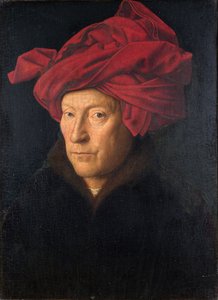
Jan van Eyck
1390 - 1441 , Niederlande
Kurzinfos
- Beeinflusste Künstler: ['Gerard David']
- Bemerkenswerte Werke:
- Genter Altarbild
- Arnolfini-Porträt
- Dresdner Triptychon
- Mann mit blauem Turben
- Geburtsdatum: ca. 1390
- Geburtsort: Maastricht, Niederlande
- Künstlerische Bewegung: Frühflämische Malerei
- Künstlerische Einflüsse:
- Hubert van Eyck
- Manuskriptillumination
- Nationalität: Niederländisch
- Todatum: 1441
- Vollständiger Name: Jan van Eyck
Ähnliche Artikel

Frühniederländische Meisterwerke: 10 Gemälde, die eine Epoche prägten | ArtsDot
Entdecken Sie die 10 prägendsten Meisterwerke der Frühniederländischen Malerei! Von Jan van Eyck bis Rogier van der Weyden – erleben Sie Kunstgeschichte hautnah. Hochwertige Reproduktionen & Inspiration für Ihr Interieur auf ArtsDot.com.

Rembrandts Meisterwerke: Die Top 25 Kunstwerke für Ihr Zuhause | ArtsDot
Entdecken Sie Rembrandts 25 berühmteste Kunstwerke! Tauchen Sie ein in die Welt des Barock, Licht und Schatten & historischer Porträts. Hochwertige Reproduktionen für Ihr Zuhause – jetzt auf ArtsDot.com!
Jan van Eyck: Innovation, Symbolik und die Morgendämmerung der frühniederländischen Malerei
Entdecken Sie die Innovationen und tiefgründige Symbolik von Jan van Eyck! Analysieren Sie mit uns seine Meisterwerke, die Ölmaltechnik und den Einfluss auf die frühniederländische Renaissance. Jetzt lesen!

Frühniederländische Renaissance: 10 Meisterwerke für Ihr Zuhause | ArtsDot
Entdecken Sie die 10 prägendsten Meisterwerke der Frühniederländischen Renaissance! Erfahren Sie mehr über Jan van Eyck, Rogier van der Weyden & Co. und ihre ikonischen Gemälde. Hochwertige Reproduktionen für Ihr Zuhause – jetzt auf ArtsDot.com!

Giclée Prints: Archival Quality & Aesthetic Nuances for the Discerning Collector
Explore the world of giclée prints with ArtsDot. Learn about archival quality, aesthetic nuances & investment potential. Expert guidance for discerning art collectors seeking museum-quality reproductions and lasting value.