 Vorschau anzeigen
 Versenden
 Teilen
 Details anzeigen

 Herunterladen
 Ähnliche Objekte
 Röntgenaufnahme
 Diashow
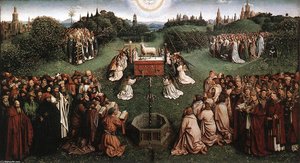
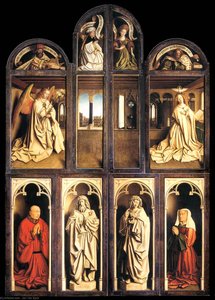
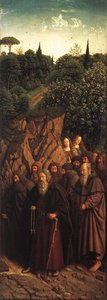
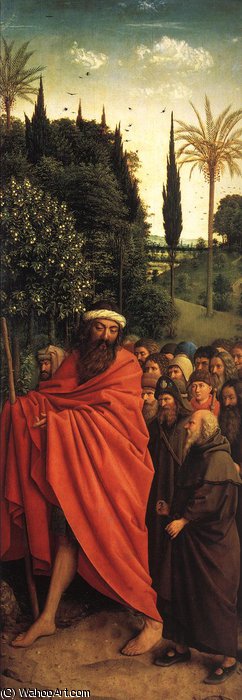
The Ghent Altarpiece Adoration of the Lamb The Holy Pilgrims

 Weiterlesen
Handgefertigte Ölreproduktion
Handgemaltes Ölgemälde auf Leinwand in Ihrer Wunschgröße und mit Rahmen, auf Bestellung von unseren Künstlern angefertigt. ( Druck bestellen Bild kaufen)




P118B $10

P118H $10

P118W $10

P438Z $10

P508JH $12

P508YH $12

P805H $10

P805Z $10

P919BZ $10

P919G $10

P919XJ $10

P959ZH $10

P968JZ $12

W106C $8

W218G $10

W218JH $8

W218Y $10

W307PJ $10

W316G $10

W316PJ $8

W316Y $10

W398PJ $8

W4111J $10

W500HY $15

W500JH $15

W692G $12

W849H $8

W940BG $15

W953PJ $8




Wählen Sie aus unseren vordefinierten Formaten, die den ursprünglichen Proportionen des Kunstwerks entsprechen.

Sie können Ihre eigenen Maße eingeben, um einen bestimmten Rahmen oder Platz auszufüllen. Wenn die gewählte Größe nicht den Proportionen des Originalbildes entspricht, werden wir das Kunstwerk entweder beschneiden oder das Gemälde durch zusätzliche, handgemalte Elemente erweitern. Ein digitales Mockup wird Ihnen zur Genehmigung zugesandt, bevor die Produktion beginnt.
Bitte beachten Sie, dass die Bildschirmvorschau nicht die tatsächliche Beschneidung oder Erweiterung widerspiegelt. Nur das Mockup zeigt die endgültige Komposition exakt an.
Obwohl Sondermaße verfügbar sind, empfehlen wir, eine Größe aus der vordefinierten Liste zu wählen, um die ursprünglichen Proportionen beizubehalten.
Nach der Bestellung wird das ArtsDot.com-Team dem Kunden Anweisungen per E-Mail zusenden und eine Mockup-Vorschau bereitstellen.
Weltweiter Versand () in nur 3 bis 4 Wochen statt der üblichen 5 Wochen. (5 September). Keine Kompromisse bei der Qualität.

Kostenloser weltweiter Expressversand

Hochwertige Leinenleinwand

Umfassender Versicherungsschutz beim Versand

Zollgebühren-Rückerstattungsgarantie

Garantie für exakte Farbtreue

60 Tage Rückgaberecht (nur bei Mängeln)

100% Geld-zurück-Garantie

Mengenrabatt verfügbar
 Die Glasoption ist nur für Größen unter 110 cm verfügbar.

The Ghent Altarpiece Adoration of the Lamb The Holy Pilgrims
Art der Reproduktion
Format der Reproduktion
-


Gesamtpreis
$ 263
Jan van Eyck’s Ghent Altarpiece: A Symphony of Faith and Innovation
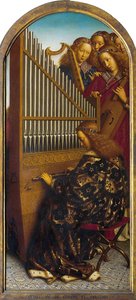
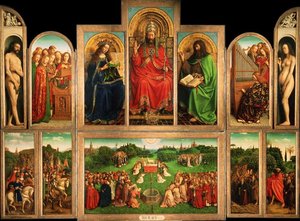
The Ghent Altarpiece, formally known as *Adoration of the Mystic Lamb*, stands as an unparalleled achievement in Early Netherlandish painting—a monumental testament to artistic brilliance and a cornerstone of Renaissance art history. Completed around 1432 by Hubert and Jan van Eyck, commissioned by Pieter Verlaine, Bishop of Gent (modern Ghent), Belgium, this polyptych dominates St Bavo’s Cathedral, captivating visitors with its sheer scale and breathtaking detail. It's more than just a beautiful image; it’s a complex theological statement rendered in oil paint—a revolutionary medium at the time—that continues to inspire awe and scholarly debate centuries later.- A Pioneering Technique: Before Van Eyck, artists primarily employed tempera paints, which dried quickly but lacked the luminosity and vibrancy achievable with oil. Jan van Eyck’s masterful use of oil pigment allowed for unprecedented blending and layering—creating textures and colors previously unattainable—establishing him as arguably “the inventor of oil painting.” This technique wasn't merely a matter of convenience; it fundamentally altered artistic expression, paving the way for future generations of painters.
- Symbolism Steeped in Medieval Theology: The altarpiece’s narrative unfolds with meticulous symbolism reflecting Christian theology. At its core is the Lamb of God—representing Jesus Christ—surrounded by angels and saints who venerate him. This central panel embodies the Eucharist, symbolizing redemption through sacrifice. The upper register depicts the Heavenly Jerusalem, mirroring earthly pilgrimage routes and highlighting the promise of eternal life.
- Detailed Observation: Hubert and Jan van Eyck’s dedication to realism is astonishing. They painstakingly rendered every element with meticulous accuracy—from the folds of drapery to the textures of skin and foliage. The landscape scene below portrays a vibrant Edenic paradise, populated by figures imbued with palpable emotion. Consider the gaze of St Christopher, bearing Christ on his shoulders; it conveys profound devotion and humility.
- Historical Context: Ghent in the mid-15th century was a prosperous trading city—a hub of artistic patronage fueled by wealth and ambition. The altarpiece reflects this cultural dynamism, embodying the aspirations of its patrons and signaling the burgeoning influence of humanist ideals alongside traditional religious beliefs. Its commission coincided with a period of intense spiritual fervor, mirroring broader trends in European art and culture.
- Emotional Impact: Standing before the Ghent Altarpiece is an experience unlike any other. The sheer scale of the artwork overwhelms the senses—drawing viewers into a realm of divine beauty and contemplation. Its luminous colors and intricate details evoke feelings of reverence, wonder, and awe—capturing the essence of medieval piety and demonstrating the enduring power of art to inspire emotion.
The Polyptych’s Structure: Layers of Meaning
The Ghent Altarpiece isn't merely a single painting; it’s a complex architectural device—a polyptych consisting of twelve panels arranged in two horizontal registers and six vertical wings. This innovative design allowed for dramatic visual impact when the wings were opened during liturgical celebrations, transforming the cathedral into a space of revelation. Each panel contributes to the overall narrative—creating a multifaceted experience that engages both intellect and emotion. The careful positioning of figures and drapery enhances the sense of depth and perspective—a hallmark of Early Netherlandish painting and foreshadowing developments in Renaissance art.A Legacy Enduring Through Time
The Ghent Altarpiece’s fame has spanned centuries, attracting scholars, artists, and admirers alike. Its influence can be seen in subsequent masterpieces—demonstrating its enduring significance as a pivotal work of art history. Today, reproductions of the altarpiece adorn homes and galleries worldwide—allowing audiences to appreciate its beauty and contemplate its profound theological message. It remains an unparalleled achievement of artistic craftsmanship and a testament to the transformative power of visual representation—a timeless symbol of faith and artistic innovation.Ähnliche Kunstwerke
Über den Künstler
frühes Leben und Karriere
Jan van Eyck, eine herausragende Figur der frühen niederländischen Malerei, wurde um 1390 in Maaseik, heutiges Belgien, geboren. Bis 1422 hatte er sich als Meistermaler mit Werkstatt und Assistenten in Brügge etabliert. Er diente John III den Unbarmherzigen und später Philipp dem Guten, Herzog von Burgund, als Hofmaler und genoss hohes Ansehen und war an diplomatischen Bemühungen beteiligt.Künstlerische Beiträge
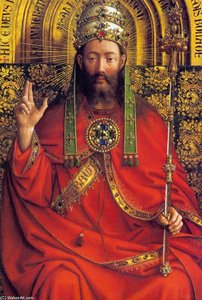
Van Eycks Werke, die zunächst im Stil der internationalen Gotik verwurzelt waren, überschritten ihre Grenzen durch seinen verstärkten naturalistischen Ansatz und die innovative Verwendung von Ölfarbe. Dies setzte einen neuen Standard in der Kunstwelt und machte ihn zu einem Pionier der frühen niederländischen Malerei. Zu seinen bemerkenswertesten Werken gehören:- Gott Vater (212 x 83 cm, nördliche Renaissance, Öl auf Holzplatte, anschaulich auf ArtsDot.com)
- Portrait eines jungen Mannes (33 x 19 cm, nördliche Renaissance, Öl auf Holzplatte, anschaulich auf ArtsDot.com)
- Dresdener Dreipietà (Jungfrau mit dem Kind mit St. Michael und St. Katharina und einer Darstellerin) (28 x 38 cm, Gemäldegalerie Alte Meister, Dresden, Deutschland, nördliche Renaissance, Holz, anschaulich auf ArtsDot.com)
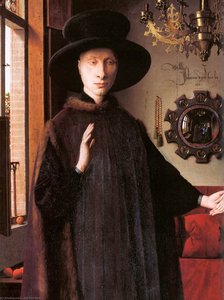
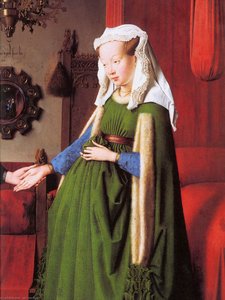
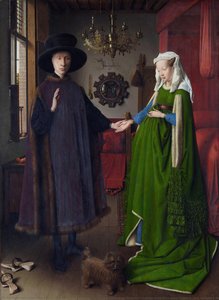
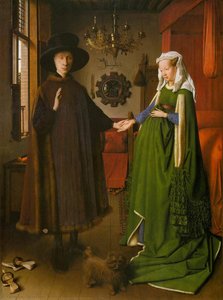
- Portrait von Giovanni Arnolfini und seiner Frau (Detail) (Nationalgalerie, London, Vereinigtes Königreich, Öl, anschaulich auf ArtsDot.com)
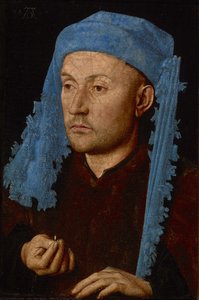
- Mann mit blauer Turban (17 x 23 cm, Nationalmuseum für Kunst in Bukarest, Rumänien, nördliche Renaissance, Holz, anschaulich auf ArtsDot.com)
Vermächtnis und Einfluss
Van Eycks Einfluss war tiefgreifend und legte den Grundstein für das blühende Zeitalter der frühen niederländischen Malerei. Seine innovative Verwendung von Ölfarbe verlieh seinen Werken Tiefe und Realismus, was ihn zu einer **bemerkenswerten Figur in der Kunstwelt** machte. Um mehr über die Werke von Jan van Eyck und die frühe niederländische Malerei zu erfahren, besuchen Sie Jan van Eycks Seite auf ArtsDot.com.Weitere Literatur
* Wikipedia: [Jan van Eyck](https://en.wikipedia.org/wiki/jan_van_eyck) * ArtsDot.com: Nordniederländischer Maler * ArtsDot.com: Die frühe niederländische Kunstbewegung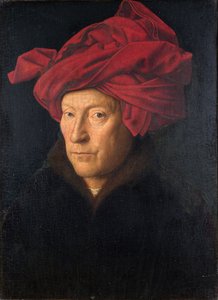
Jan van Eyck
1390 - 1441 , Niederlande
Kurzinfos
- Beeinflusste Künstler: ['Gerard David']
- Bemerkenswerte Werke:
- Genter Altarbild
- Arnolfini-Porträt
- Dresdner Triptychon
- Mann mit blauem Turben
- Geburtsdatum: ca. 1390
- Geburtsort: Maastricht, Niederlande
- Künstlerische Bewegung: Frühflämische Malerei
- Künstlerische Einflüsse:
- Hubert van Eyck
- Manuskriptillumination
- Nationalität: Niederländisch
- Todatum: 1441
- Vollständiger Name: Jan van Eyck
Ähnliche Artikel
Frühniederländische Meisterwerke: 10 Gemälde, die eine Epoche prägten | ArtsDot
Entdecken Sie die 10 prägendsten Meisterwerke der Frühniederländischen Malerei! Von Jan van Eyck bis Rogier van der Weyden – erleben Sie Kunstgeschichte hautnah. Hochwertige Reproduktionen & Inspiration für Ihr Interieur auf ArtsDot.com.
Jan van Eyck: Innovation, Symbolik und die Morgendämmerung der frühniederländischen Malerei
Entdecken Sie die Innovationen und tiefgründige Symbolik von Jan van Eyck! Analysieren Sie mit uns seine Meisterwerke, die Ölmaltechnik und den Einfluss auf die frühniederländische Renaissance. Jetzt lesen!
Frühniederländische Renaissance: 10 Meisterwerke für Ihr Zuhause | ArtsDot
Entdecken Sie die 10 prägendsten Meisterwerke der Frühniederländischen Renaissance! Erfahren Sie mehr über Jan van Eyck, Rogier van der Weyden & Co. und ihre ikonischen Gemälde. Hochwertige Reproduktionen für Ihr Zuhause – jetzt auf ArtsDot.com!
Hugo van der Goes: Andacht, Innovation und die psychologische Tiefe der frühen niederländischen Malerei
Entdecken Sie die revolutionäre Kunst von Hugo van der Goes! Tiefgründige Analyse seiner Werke, bahnbrechende Technik und bleibender Einfluss auf die frühe niederländische Malerei. Für Kunstexperten & Sammler.
Illuminating Realism: A Comprehensive Exploration of the Early Netherlandish Renaissance Movement
Explore the captivating world of Early Netherlandish painting! Discover Jan van Eyck & other Flemish masters, their revolutionary techniques, hidden symbolism, and lasting legacy. A comprehensive guide for art enthusiasts.