

 Vorschau anzeigen
 Versenden
 Teilen
 Details anzeigen

 Herunterladen
 Ähnliche Objekte
 Röntgenaufnahme
 Diashow
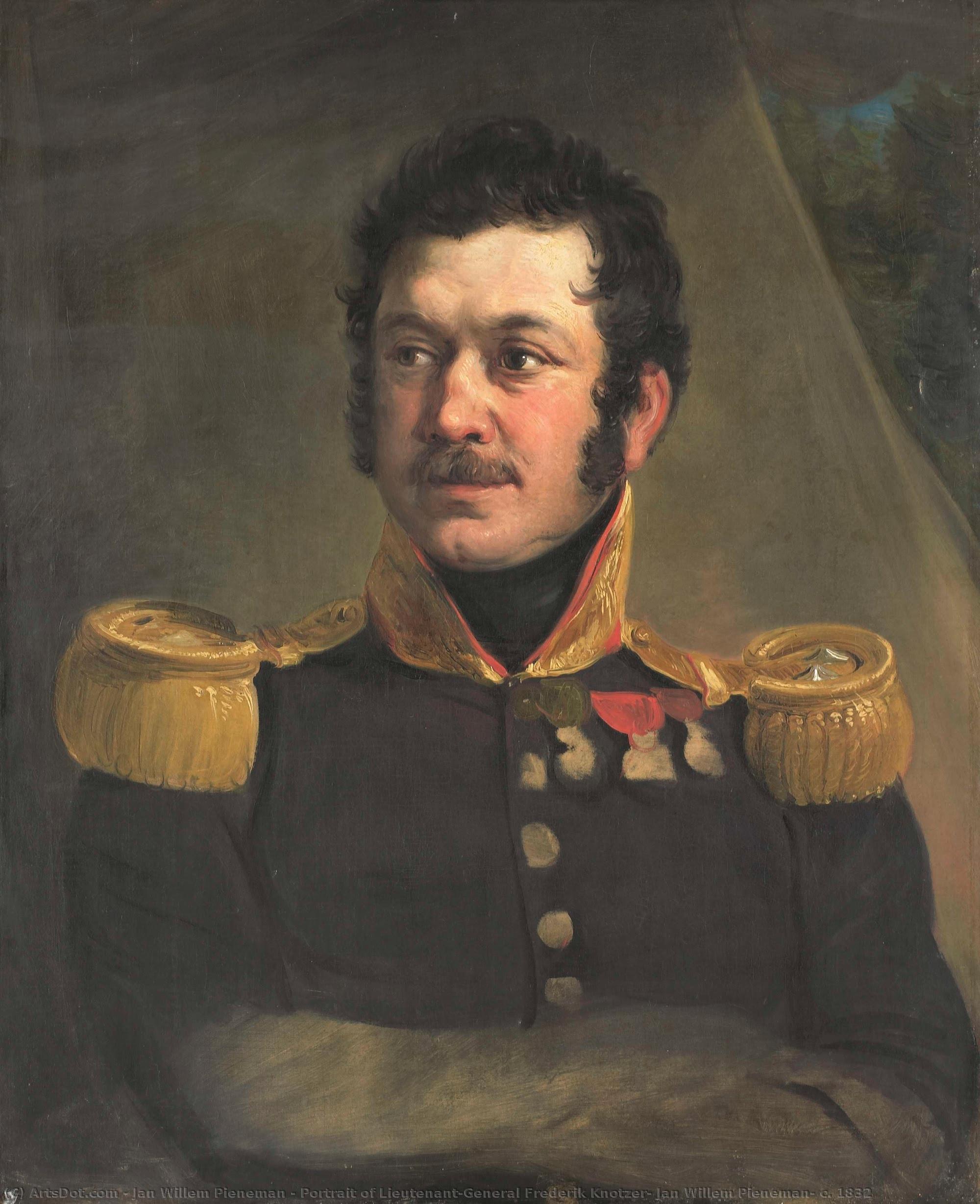
Portrait of Lieutenant-General Frederik Knotzer, Jan Willem Pieneman, c. 1832
 1832
1832 79.0 x 65.0 cm
 Weiterlesen
Erwerben Sie ein hochauflösendes, optimiertes digitales Bild, das der Online-Vorschau weit überlegen ist.
Jede Datei wird von unseren hauseigenen Spezialisten mit modernsten Werkzeugen und fachmännischer manueller Retusche sorgfältig vorbereitet. Wir stellen sicher, dass jedes Bild eine außergewöhnliche Klarheit, präzise Farbgenauigkeit und feinste Details aufweist.
Die endgültige Datei wird innerhalb von 72 Stunden per E-Mail zugestellt und ist für den sofortigen Einsatz in professionellen, redaktionellen und Druckumgebungen optimiert. Es handelt sich um dieselbe Qualität, der führende Designstudios, Verlage und Galerien vertrauen.
Digitales Bild
Laden Sie eine hochauflösende Datei für die persönliche Präsentation, den Druck und kreative Projekte herunter. ( Druck bestellen Handgemalte Reproduktion bestellen)
In jeder Bestellung digitaler Bilder enthalten
Professionelle digitale Bereitstellung, garantiert
Wenn Sie sich für ArtsDot.com entscheiden, erhalten Sie nicht nur ein Bild – Sie erhalten ein professionell aufbereitetes digitales Kunstwerk, das mit höchster Präzision erstellt und durch eine Zufriedenheitsgarantie abgesichert wird. Hier ist alles, was automatisch mit Ihrer Bestellung geliefert wird:

Schnelle E-Mail-Zustellung
Ihre hochauflösende digitale Bilddatei wird Ihnen innerhalb von 72 Stunden nach der Bestellung per E-Mail zugestellt – bereit zur sofortigen Verwendung.

KI-optimierte digitale Datei
Ihre Kunstwerke werden professionell mithilfe fortschrittlicher KI-Tools und manueller Bearbeitung optimiert, um maximale Detailtreue, Klarheit und Farbgenauigkeit zu gewährleisten.

Lebenslanger kostenloser Neudruckservice
Datei versehentlich gelöscht oder verloren? Keine Sorge – wir senden sie Ihnen jederzeit kostenlos erneut zu.

Keine Einfuhrgebühren – jemals
Genießen Sie Ihr Kunstwerk sofort ohne Zollgebühren, Einfuhrabgaben oder Versandkosten – digitale Downloads sind immer steuerfrei.

Garantierte Farbtreue
Wir garantieren, dass Ihr digitales Bild mithilfe professioneller Werkzeuge und Farbmanagement die Originalfarben so präzise wie möglich wiedergibt.

60-Tage-Zufriedenheitsgarantie
Sollten Sie mit Ihrem digitalen Bild nicht zufrieden sein, werden wir es überarbeiten oder Ihnen innerhalb von 60 Tagen 100% erstatten – ohne Wenn und Aber.

100% Geld-zurück-Garantie
Nicht zufrieden? Erhalten Sie innerhalb von 60 Tagen nach Erhalt Ihrer digitalen Datei eine vollständige Rückerstattung – ohne Angabe von Gründen.

Rabatte bei Großbestellungen
3 Bilder kaufen, 10% sparen – 5 Bilder kaufen, 15% sparen – Ab 10 Bildern 20% sparen. Ideal für kreative Projekte, Galerien und Agenturen.
Ähnliche Kunstwerke





Biografie des Künstlers
Jan Willem Pieneman: A Dutch Master of Historical Narrative
Jan Willem Pieneman (1779-1853) stands as a pivotal figure in 19th-century Dutch art, celebrated primarily for his monumental historical paintings that captured the spirit and drama of key moments in British and Dutch history. Born in Abcoude, Netherlands, he began his artistic journey with foundational training in wallpaper painting before pursuing formal studies at the Amsterdam Stadstekenacademie, establishing a solid grounding in classical technique. His early career saw him working as a salesman alongside honing his artistic skills—a testament to his pragmatic approach blended with unwavering dedication to art. Early Influences & Training: Pieneman’s formative years were marked by exposure to the artistic traditions of Amsterdam, where he absorbed stylistic cues from prominent painters of his time. The Stadstekenacademie provided invaluable academic instruction, equipping him with the skills necessary for tackling ambitious historical commissions. He diligently studied classical anatomy and perspective—elements crucial to achieving realism and conveying emotion within his canvases. Appointment at Amersfoort & Artistic Recognition: In 1805, Pieneman secured a prestigious position as drawing instructor at the artillery and engineering training centre in Amersfoort—a role that not only solidified his reputation but also exposed him to the burgeoning intellectual currents of the era. This engagement fostered connections with influential thinkers and artists who championed the ideals of reason and observation—influences evident throughout his oeuvre. He became a respected mentor, guiding young talents towards mastering artistic principles and techniques.The Epic Canvas: Painting Battles & Royal Portraits
Pieneman’s fame ascended dramatically with his depiction of the Battle of Waterloo (1824) and the heroic defense at Quatre Bras (1806), commissioned by Duke Wellington himself. These canvases exemplify his masterful command of composition, dramatic lighting, and meticulous detail—capturing the visceral energy and strategic complexities of warfare. He meticulously researched battlefield topography and troop movements to ensure accuracy and convey the scale of the conflict. The resulting paintings are considered masterpieces of Romanticism, demonstrating an unparalleled ability to evoke emotion through visual storytelling. Wellington personally praised Pieneman’s artistic prowess, recognizing his talent for translating historical narratives into compelling images. Royal Patronage & Portraiture: Wellington’s admiration for Pieneman led to repeated invitations to England, where he produced portraits of influential figures, including King William IV. His ability to convey character and dignity through portraiture cemented his position as one of the era's foremost portraitists. He skillfully captured subtle expressions and gestures—elements that revealed the inner life of his subjects while adhering to classical conventions of representation.Directorate & Artistic Legacy
From 1820, Pieneman served as Director of the Royal Academy of Fine Arts in Amsterdam—a role he held until his death. During this period, he fostered a vibrant artistic environment and nurtured the talents of numerous young artists, notably Jozef Israëls. He championed innovative approaches to painting while upholding standards of excellence—leaving an indelible mark on Dutch art education. Furthermore, he contributed to the establishment of the Rijksmuseum (later Mauritshuis), initially serving as assistant director. His vision for preserving and promoting artistic heritage shaped the museum’s trajectory and ensured its enduring significance. Notable Works & Artistic Style: Pieneman's paintings are characterized by a meticulous attention to detail, balanced compositions, and a restrained palette dominated by earthy tones. He skillfully employed chiaroscuro – dramatic contrasts between light and dark – to heighten the emotional impact of his scenes. His magnum opus, “Allegory on the Death of William V,” exemplifies this technique—creating an immersive experience for the viewer through masterful use of tonal gradation and sculptural modeling. The Battle of Waterloo paintings stand as testament to his ability to translate historical events into emotionally resonant visual narratives. Jan Willem Pieneman’s contribution to Dutch art transcends mere technical proficiency; he captured the essence of historical events with profound artistic sensitivity. His paintings continue to resonate today as powerful reminders of pivotal moments in European history and stand as enduring monuments to his artistic vision.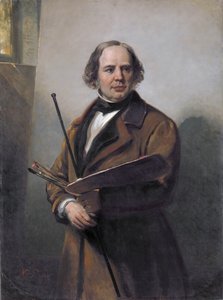
Jan Willem Pieneman
1779 - 1853 , Niederlande
Kurzinfos
- Artistic Movement Or Style: Neoklassizismus
- Artists Who Influenced This Artist: ['']
- Date Of Birth: 4. November 1779
- Date Of Death: 8. April 1853
- Full Name: Jan Willem Pieneman
- Nationality: Niederländisch
- Notable Artworks:
- Allegorie auf den Tod Wilhelm V.
- Selbstaufopferung von Pastor Hambroek auf Formosa,
- Schlacht von Waterloo (Detail)
- Porträt von Wellington
- Place Of Birth: Abcoude, Niederlande

