

 Vorschau anzeigen
 Versenden
 Teilen
 Details anzeigen

 Herunterladen
 Ähnliche Objekte
 Röntgenaufnahme
 Diashow
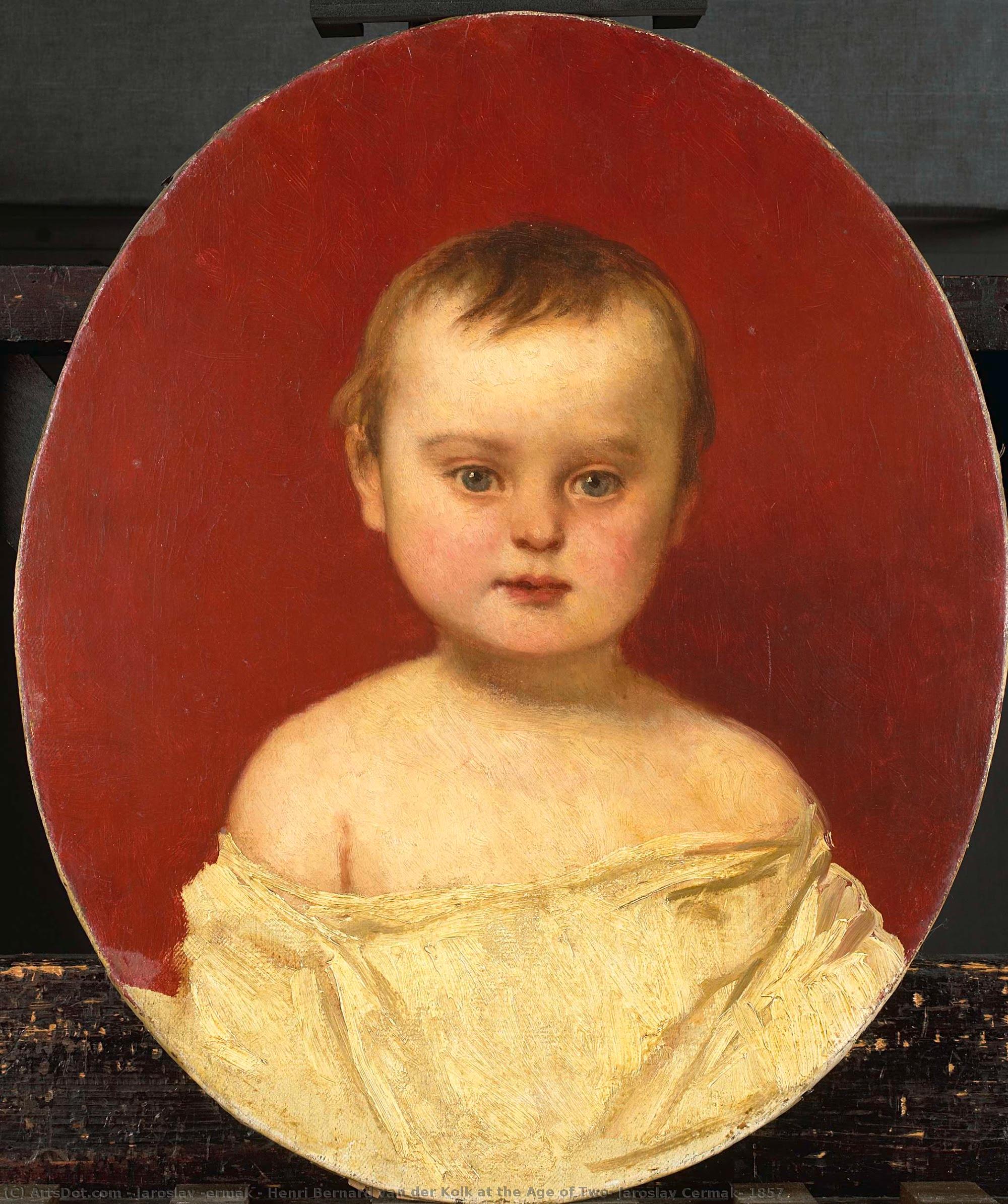
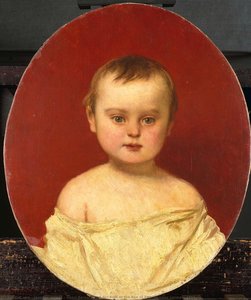
Henri Bernard van der Kolk at the Age of Two, Jaroslav Cermak, 1857
 1857
1857 54.0 x 45.0 cm
 Weiterlesen
Giclée / Kunstdruck
Giclée- oder Leinwanddruck in Museumsqualität mit schneller Produktion und flexiblen Veredelungsoptionen. ( Handgemalte Reproduktion bestellen Bild kaufen)




































Wählen Sie aus unseren vordefinierten Formaten, die den ursprünglichen Proportionen des Kunstwerks entsprechen.

Sie können Ihre eigenen Maße eingeben, um ein bestimmtes Format oder einen speziellen Platz einzupassen. Wenn das von Ihnen gewählte Format nicht den Proportionen des Originalbildes entspricht, werden wir das Kunstwerk entweder beschneiden oder das Bild mit einem gespiegelten oder einfarbigen Rand erweitern. Ein digitaler Entwurf wird Ihnen zur Genehmigung zugesandt, bevor die Produktion beginnt.
Bitte beachten Sie, dass die Vorschau auf dem Bildschirm nicht den tatsächlichen Zuschnitt oder die Erweiterung widerspiegelt. Nur der Entwurf zeigt die endgültige Komposition präzise an.
Obwohl Sondermaße verfügbar sind, empfehlen wir die Auswahl eines Maßes aus der vordefinierten Liste, um die ursprünglichen Proportionen zu bewahren.
Weltweiter Versand () innerhalb von 2 Wochen statt der üblichen 4/5 Wochen. (27 August)

Kostenloser weltweiter Expressversand

Hochwertige Leinenleinwand

Umfassender Versicherungsschutz beim Versand

Zollgebühren-Rückerstattungsgarantie

Garantie für exakte Farbtreue

60 Tage Rückgaberecht (nur bei Mängeln)

100% Geld-zurück-Garantie

Mengenrabatt verfügbar
 Die Glasoption ist nur für Größen unter 110 cm verfügbar.

Henri Bernard van der Kolk at the Age of Two, Jaroslav Cermak, 1857
Giclée / Kunstdruck
Format der Reproduktion
-


Gesamtpreis
$ 62
Ähnliche Kunstwerke

Über den Künstler
The Poetic Realism of Jaroslav Čermák
Jaroslav Čermák, a name perhaps less immediately recognizable than some of his contemporaries, nevertheless occupies a significant and deeply affecting space within the landscape of 20th-century Czech painting. Born in 1896, his life unfolded against a backdrop of immense political and social upheaval – from the waning days of the Austro-Hungarian Empire through two World Wars, the establishment and subsequent suppression of democratic ideals in Czechoslovakia, and decades under communist rule. This tumultuous context profoundly shaped not only Čermák’s personal trajectory but also the very essence of his artistic vision. He remains alive today, a living testament to a bygone era and a continuing source of inspiration for those drawn to his quietly powerful depictions of everyday life.Early Life and Artistic Formation
Čermák's early exposure to art came through his father, who was an amateur painter. This initial familial influence sparked a lifelong passion, leading him to formally study at the Academy of Fine Arts in Prague under Antonín Slavíček. Slavíček, a prominent figure in Czech Impressionism and later Poetic Realism, proved to be a pivotal mentor. Under Slavíček’s guidance, Čermák initially embraced the principles of plein air painting, capturing the fleeting effects of light and atmosphere. However, he soon began to diverge from pure Impressionistic techniques, seeking a more substantial engagement with subject matter and a deeper emotional resonance in his work. The vibrant artistic community of Prague during this period – a city brimming with Cubists, Expressionists, and Surrealists – undoubtedly broadened Čermák’s understanding of modern art movements, though he ultimately charted his own distinct course. His early works reveal a sensitivity to color and composition, but also hint at the growing desire to portray not merely *what* he saw, but *how* it felt.The Rise of Poetic Realism
Čermák became a leading figure in the development of Poetic Realism – a distinctly Czech artistic style that emerged in the 1930s as a reaction against both the formal experimentation of avant-garde movements and the perceived superficiality of Impressionism. Unlike Social Realism, which aimed to depict the struggles of the working class with explicit political messaging, Poetic Realism focused on the beauty and dignity found within ordinary life. Čermák’s paintings from this period – scenes of family gatherings, quiet interiors, landscapes imbued with a sense of melancholy – are characterized by their subtle emotional depth, meticulous detail, and evocative use of light and shadow. He wasn't interested in grand narratives or dramatic events; instead, he found poetry in the commonplace, elevating the everyday to something worthy of contemplation. His work often features women engaged in domestic tasks, not as symbols of oppression, but as embodiments of resilience, grace, and quiet strength.Navigating Political Turmoil and Artistic Legacy
The Nazi occupation of Czechoslovakia during World War II presented immense challenges for Čermák and his fellow artists. While he avoided overt political statements in his work, the atmosphere of oppression inevitably permeated his paintings, manifesting as a sense of isolation and vulnerability. After the war, with the establishment of the communist regime, Poetic Realism initially found favor due to its focus on relatable subject matter. However, the increasingly rigid demands for Socialist Realist aesthetics soon clashed with Čermák’s more nuanced and introspective approach. He continued to paint throughout his life, though his later works often reflect a sense of quiet defiance and a longing for a simpler past. His unwavering commitment to his artistic principles, even in the face of political pressure, is a testament to his integrity as an artist. Today, Jaroslav Čermák’s paintings are celebrated for their timeless beauty, emotional honesty, and profound understanding of the human condition. He left behind a body of work that serves as a poignant reminder of the power of art to find meaning and solace in even the most challenging of times.Key Characteristics & Influences
- Subtle Emotional Depth: Čermák’s paintings are not overtly dramatic, but rather convey emotion through nuanced details and atmospheric effects.
- Meticulous Detail: He possessed a remarkable ability to capture the textures and forms of everyday objects with incredible precision.
- Evocative Use of Light & Shadow: Light plays a crucial role in creating mood and atmosphere, often highlighting the vulnerability or resilience of his subjects.
- Focus on Ordinary Life: He found beauty and dignity in commonplace scenes, elevating the everyday to something worthy of contemplation.
- Influence of Antonín Slavíček: His mentor’s emphasis on plein air painting and Poetic Realism profoundly shaped Čermák’s artistic development.
Kurzinfos
- Artistic Movement Or Style: Socialist Realism
- Date Of Death: Living
- Full Name: Jaroslav Čermák
- Nationality: Czech
- Notable Artworks:
- Construction Workers
- Steelworkers
- Harvest Festival

