 Vorschau anzeigen
 Versenden
 Teilen
 Details anzeigen

 Herunterladen
 Ähnliche Objekte
 Röntgenaufnahme
 Diashow
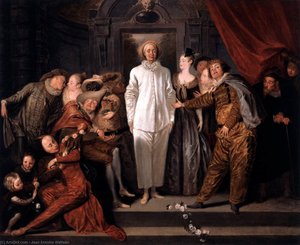
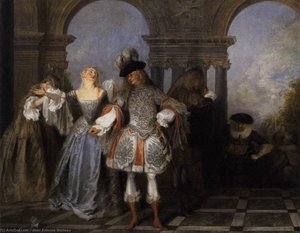
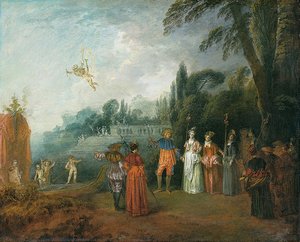
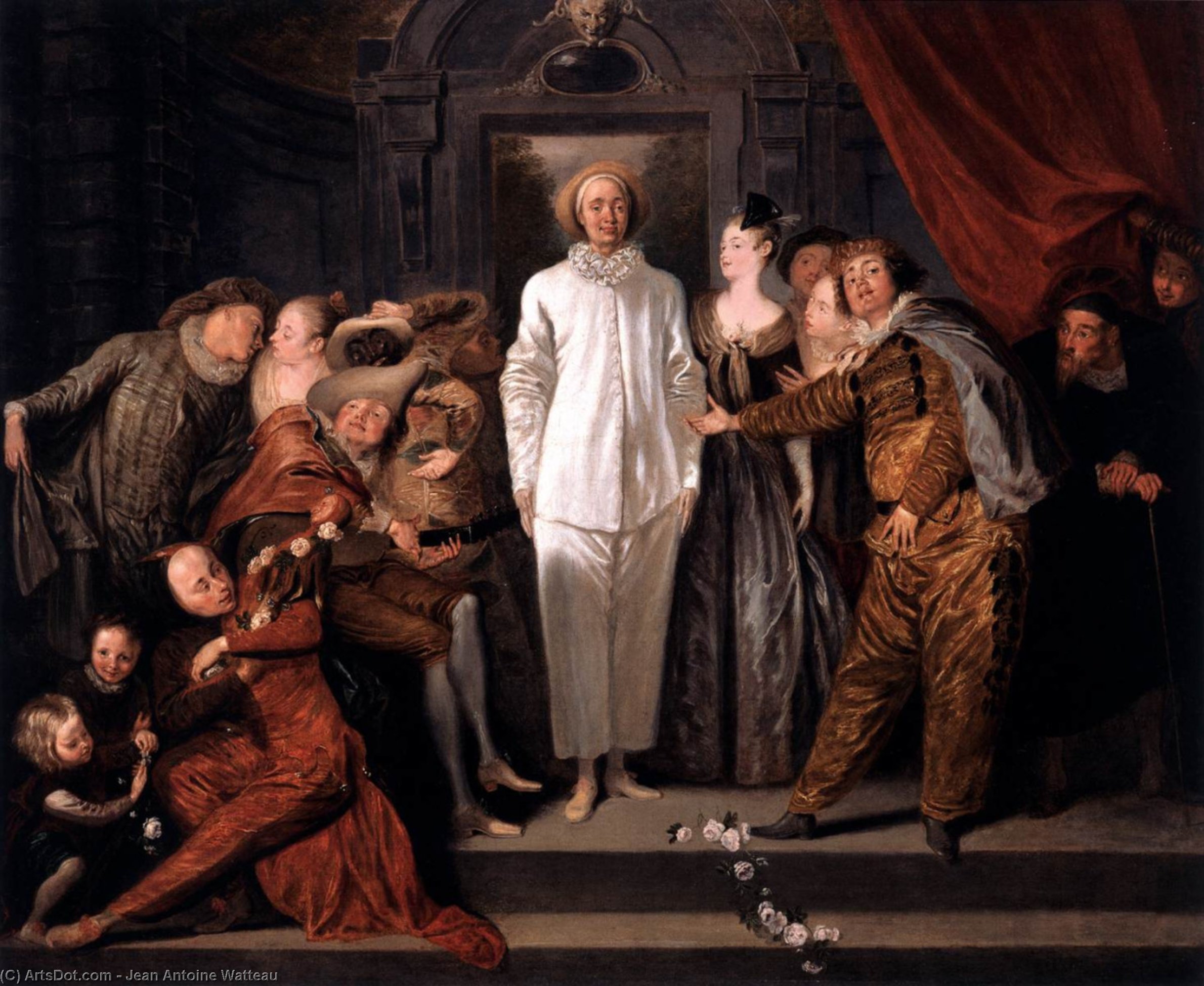
Italienische Komödianten
 Öl auf Leinwand
- Wandkunst
- Rococo Style
 1720
1720 64.0 x 76.0 cm
 National Gallery of Art
 Weiterlesen
Handgefertigte Ölreproduktion
Handgemaltes Ölgemälde auf Leinwand in Ihrer Wunschgröße und mit Rahmen, auf Bestellung von unseren Künstlern angefertigt. ( Druck bestellen Bild kaufen)




P118B $10

P118H $10

P118W $10

P438Z $10

P508JH $12

P508YH $12

P805H $10

P805Z $10

P919BZ $10

P919G $10

P919XJ $10

P959ZH $10

P968JZ $12

W106C $8

W218G $10

W218JH $8

W218Y $10

W307PJ $10

W316G $10

W316PJ $8

W316Y $10

W398PJ $8

W4111J $10

W500HY $15

W500JH $15

W692G $12

W849H $8

W940BG $15

W953PJ $8




Wählen Sie aus unseren vordefinierten Formaten, die den ursprünglichen Proportionen des Kunstwerks entsprechen.

Sie können Ihre eigenen Maße eingeben, um einen bestimmten Rahmen oder Platz auszufüllen. Wenn die gewählte Größe nicht den Proportionen des Originalbildes entspricht, werden wir das Kunstwerk entweder beschneiden oder das Gemälde durch zusätzliche, handgemalte Elemente erweitern. Ein digitales Mockup wird Ihnen zur Genehmigung zugesandt, bevor die Produktion beginnt.
Bitte beachten Sie, dass die Bildschirmvorschau nicht die tatsächliche Beschneidung oder Erweiterung widerspiegelt. Nur das Mockup zeigt die endgültige Komposition exakt an.
Obwohl Sondermaße verfügbar sind, empfehlen wir, eine Größe aus der vordefinierten Liste zu wählen, um die ursprünglichen Proportionen beizubehalten.
Nach der Bestellung wird das ArtsDot.com-Team dem Kunden Anweisungen per E-Mail zusenden und eine Mockup-Vorschau bereitstellen.
Weltweiter Versand () in nur 3 bis 4 Wochen statt der üblichen 5 Wochen. (21 August). Keine Kompromisse bei der Qualität.

Kostenloser weltweiter Expressversand

Hochwertige Leinenleinwand

Umfassender Versicherungsschutz beim Versand

Zollgebühren-Rückerstattungsgarantie

Garantie für exakte Farbtreue

60 Tage Rückgaberecht (nur bei Mängeln)

100% Geld-zurück-Garantie

Mengenrabatt verfügbar
 Die Glasoption ist nur für Größen unter 110 cm verfügbar.

Italienische Komödianten
Art der Reproduktion
Format der Reproduktion
-


Gesamtpreis
$ 263
Beschreibung des Kunstwerks
Jean Antoine Watteau’s “Italian Comedians”: A Dance of Elegance and Illusion
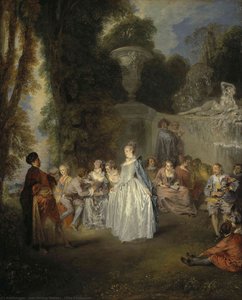
Jean Antoine Watteau's "Italian Comedians," painted in 1720, is more than just a depiction of a theatrical troupe; it’s an exquisite invitation into a world of fleeting pleasure, aristocratic indulgence, and the subtle melancholy that permeated the Rococo era. Housed within the National Gallery of Art in Washington D.C., this oil on canvas masterpiece immediately captivates with its soft palette, delicate brushstrokes, and the palpable sense of movement it conveys – an illusion of life captured with breathtaking artistry. Watteau masterfully blends elements of the *fête galante* genre, a hallmark of his style, with a distinctly theatrical sensibility, creating a scene that feels both utterly real and delightfully dreamlike.
The painting’s composition is deceptively simple yet profoundly layered. At its heart stands a man in pristine white clothing, radiating an almost ethereal presence amidst the vibrant red attire of his companions. This central figure, often interpreted as a *Pierrot*, isn't merely observing; he’s actively engaged in the performance, positioned between two elegantly dressed women who seem to be part of the spectacle. The carefully arranged group – a mix of actors, musicians, and onlookers – creates a dynamic tableau, suggesting a celebration or gathering brimming with social grace and playful intrigue. Notice the subtle details: the chair placed strategically near the right side, hinting at a moment’s respite within the lively scene; the doorway in the background, offering a glimpse into an unseen world, perhaps representing the transition between performance and private life.
The Language of Rococo: Color, Movement, and Illusion
Watteau's signature style is immediately recognizable through his masterful use of color. He employs a muted palette—soft pinks, blues, creams, and ochres—that evokes a sense of warmth and intimacy, far removed from the stark contrasts of earlier Baroque painting. His brushstrokes are incredibly delicate, almost translucent, creating an effect of shimmering light and shadow that adds to the painting’s ethereal quality. The figures themselves seem to float within the scene, imbued with a remarkable sense of movement. Watteau wasn't simply depicting static poses; he was capturing the *feeling* of a lively gathering – the rustle of silk, the murmur of conversation, the anticipation of performance.
The painting’s historical context is crucial to understanding its significance. Watteau was a pivotal figure in the transition from Baroque to Rococo art, a movement characterized by its emphasis on elegance, grace, and playful subject matter. The Rococo style rejected the formality and grandeur of the Baroque, favoring instead a more intimate and sensual aesthetic. “Italian Comedians” perfectly embodies these characteristics, reflecting the aristocratic tastes of 18th-century France – a society obsessed with pleasure, entertainment, and social refinement. It’s important to note that Watteau's work often explored themes of transience and illusion, mirroring the fleeting nature of beauty and the artificiality of courtly life.
Symbolism and Emotional Resonance
Beyond its technical brilliance, “Italian Comedians” is rich in symbolism. The white-clad figure, reminiscent of *Pierrot*, a stock character from the commedia dell’arte, represents innocence, melancholy, and perhaps even a touch of vulnerability. His position at the center of the scene suggests he's both the object of attention and a participant in the performance. The women surrounding him embody elegance and sophistication, while their attire hints at their social status. The entire composition can be interpreted as a meditation on beauty, illusion, and the ephemeral nature of pleasure – themes that resonated deeply with Watteau’s own life and artistic vision.
Looking at “Italian Comedians” today, it's easy to understand why it continues to captivate audiences. It’s not merely a pretty picture; it’s a window into a bygone era, offering a glimpse of the aristocratic world of 18th-century France and revealing Watteau’s profound understanding of human emotion and artistic technique. ArtsDot offers exquisite reproductions that faithfully capture the painting's delicate beauty and nuanced details, allowing you to bring this masterpiece into your own home or office. For those seeking a deeper appreciation of Watteau’s work, we encourage you to explore our detailed resources on his life and art, including links to the National Gallery of Art and other valuable sources.
To experience the full beauty and artistry of “Italian Comedians,” explore our meticulously crafted reproductions at ArtsDot.com.
Ähnliche Kunstwerke

Über den Künstler
frühes Leben und Ausbildung
Jean Antoine Watteau, ein französischer Maler, wurde in Valenciennes, Frankreich, im Jahr 1684 geboren. Wenig ist über sein frühes Leben bekannt, aber es wird angenommen, dass er eine Ausbildung beim Künstler Julien in Valenciennes erhielt, bevor er 1702 nach Paris zog.Aufstieg zur Bedeutung
Watteaus einzigartiger Stil, der Elemente des Barock- und des aufkommenden Rokoko-Stils vereinte, gewann schnell an Popularität. Seine Werke waren durch ihre leuchtende, traumhafte Qualität gekennzeichnet und zeigten oft Szenen aus dem Alltag und Theateraufführungen. Zu den bemerkenswerten Werken dieser Zeit gehören:- Der Landtanze (1718-1721), ein Gemälde, das seine Meisterschaft bei der Darstellung des Wesens sorgloser, rustikaler Lebensweise zeigt.
- Zeres (Sommer) (1705), ein Beispiel für seine Fähigkeit, die Schönheit der Natur und das menschliche Erleben darzustellen.
- Das Eheversprechen (1710), ein Werk, das seine Fähigkeit hervorhebt, die Intimität häuslicher Szenen mit der Formalität von Verträgen in Einklang zu bringen.
Einfluss und Vermächtnis
Watteaus Einfluss auf die Kunstwelt war erheblich und beeinflusste die Entwicklung des Rokoko-Stils. Seine Werke befinden sich in verschiedenen Museen, darunter die Nationalgalerie der Künste (Washington, Vereinigte Staaten) und das Museo del Prado (Spanien). Trotz seines unerwarteten Todes im Alter von 37 Jahren hinterließ Watteau einen unauslöschlichen Eindruck in der Kunstgeschichte.Erfahren Sie mehr
Um sich tiefer mit Watteaus Welt vertraut zu machen, besuchen Sie [https://ArtsDot.com/@/jean-antoine-watteau](https://ArtsDot.com/@/jean-antoine-watteau) und entdecken Sie die umfangreiche Sammlung seiner Werke, darunter:- Kopf einer jungen Frau mit Kapuze (1715-1720), der seine Fähigkeit zeigt, die Feinheiten des menschlichen Ausdrucks einzufangen.
- Studie einer sich drehenden Frau und fünf Studien von Händen (1708-1712), die seine Hingabe zur Beherrschung der Feinheiten der menschlichen Form hervorhebt.
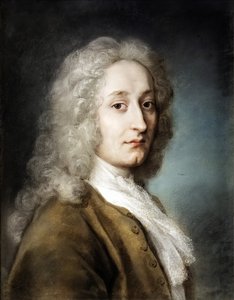
Jean-Antoine Watteau
1684 - 1721 , Frankreich
Kurzinfos
- Beeinflusste Künstler:
- Fragonard
- Boucher
- Bemerkenswerte Werke:
- Der Landtanze
- Ceres (Sommer)
- Das Eheversprechen
- Gilles
- Die Verabschiedung nach Kythera
- Geburtsdatum: 1684
- Geburtsort: Valenciennes, Frankreich
- Künstlerische Bewegung: Rokoko
- Künstlerische Einflüsse:
- Titian
- Veronese
- Rubens
- Nationalität: Französisch
- Todatum: 1721
- Vollständiger Name: Jean-Antoine Watteau
Ähnliche Artikel

Rococo Meisterwerke: Die Top 10, die eine Epoche prägten |
Entdecken Sie die Top 10 Rokoko Meisterwerke von Watteau, Boucher & Fragonard! Erfahren Sie die Geschichten hinter diesen ikonischen Gemälden und lassen Sie sich für Ihre Inneneinrichtung inspirieren. Hochwertige Kunstdrucke auf .

The Rococo Aesthetic: Opulence, Rebellion & the Pursuit of Pleasure in 18th-Century Art
Explore the opulent world of Rococo art! Discover its origins, key artists like Watteau & Boucher, and lasting influence on design. Expert insights for collectors & enthusiasts.
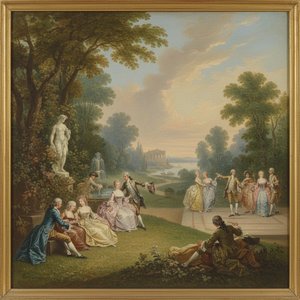
Jean-Antoine Watteau und die vergängliche Welt der Liebe und Freizeit im Rokoko
Entdecken Sie die faszinierende Welt von Jean-Antoine Watteau und seiner revolutionären Fête galante! Analysieren Sie Stil, Symbolik & gesellschaftlichen Kontext des Rokoko mit ArtsDot.com.
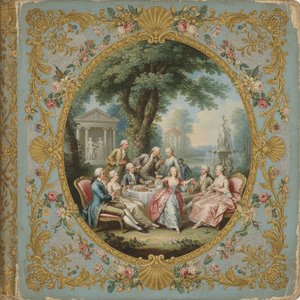
The Rococo Style: Aristocratic Leisure & the Pursuit of Delight in 18th-Century Art
Explore the opulent world of Rococo art! Discover Watteau, Boucher & Nattier's masterpieces. Expert insights for collectors seeking museum-quality reproductions and custom portraits at ArtsDot.
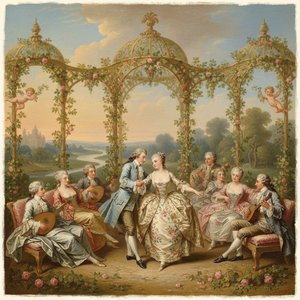
Jean-Baptiste Pater: Rococo Charm & Ephemeral Beauty of 18th-Century France
Explore the captivating world of Jean-Baptiste Pater, a master of Rococo painting. Discover his elegant *fête galante* scenes and shimmering portraits – a glimpse into 18th-century French aristocracy. Learn about his legacy & find high-quality reproductions.