 Vorschau anzeigen
 Versenden
 Teilen
 Details anzeigen

 Herunterladen
 Ähnliche Objekte
 Röntgenaufnahme
 Diashow
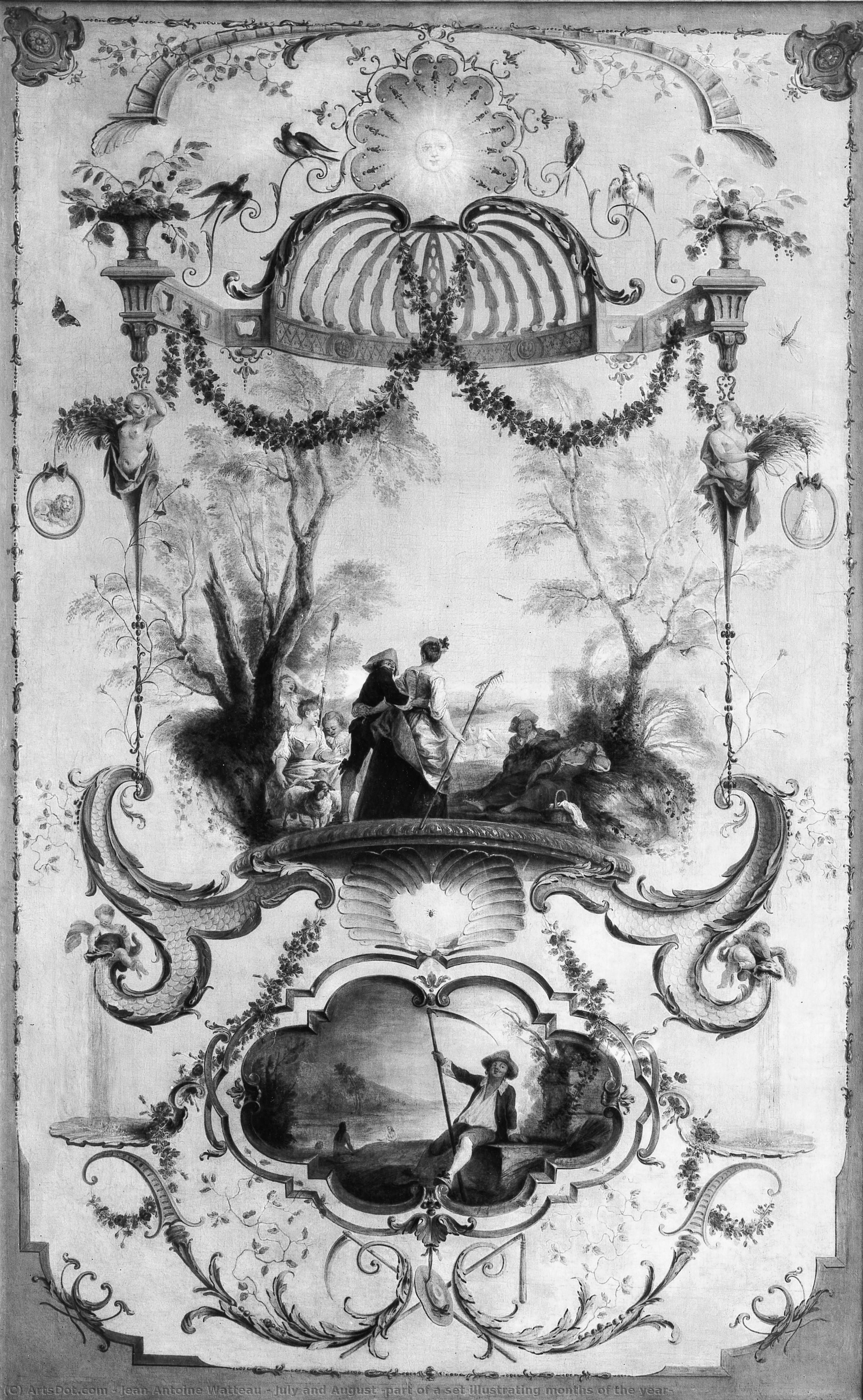
Juli und August (Teil einer Reihe, die die Monate des Jahres darstellen)
 Öl auf Leinwand
- Wandkunst
- Rococo Style
 701
701- Frühmittelalter
 302.0cm x 185.0cm
 Weiterlesen
Handgefertigte Ölreproduktion
Handgemaltes Ölgemälde auf Leinwand in Ihrer Wunschgröße und mit Rahmen, auf Bestellung von unseren Künstlern angefertigt. ( Druck bestellen Bild kaufen)




P118B $10

P118H $10

P118W $10

P438Z $10

P508JH $12

P508YH $12

P805H $10

P805Z $10

P919BZ $10

P919G $10

P919XJ $10

P959ZH $10

P968JZ $12

W106C $8

W218G $10

W218JH $8

W218Y $10

W307PJ $10

W316G $10

W316PJ $8

W316Y $10

W398PJ $8

W4111J $10

W500HY $15

W500JH $15

W692G $12

W849H $8

W940BG $15

W953PJ $8




Wählen Sie aus unseren vordefinierten Formaten, die den ursprünglichen Proportionen des Kunstwerks entsprechen.

Sie können Ihre eigenen Maße eingeben, um einen bestimmten Rahmen oder Platz auszufüllen. Wenn die gewählte Größe nicht den Proportionen des Originalbildes entspricht, werden wir das Kunstwerk entweder beschneiden oder das Gemälde durch zusätzliche, handgemalte Elemente erweitern. Ein digitales Mockup wird Ihnen zur Genehmigung zugesandt, bevor die Produktion beginnt.
Bitte beachten Sie, dass die Bildschirmvorschau nicht die tatsächliche Beschneidung oder Erweiterung widerspiegelt. Nur das Mockup zeigt die endgültige Komposition exakt an.
Obwohl Sondermaße verfügbar sind, empfehlen wir, eine Größe aus der vordefinierten Liste zu wählen, um die ursprünglichen Proportionen beizubehalten.
Nach der Bestellung wird das ArtsDot.com-Team dem Kunden Anweisungen per E-Mail zusenden und eine Mockup-Vorschau bereitstellen.
Weltweiter Versand () in nur 3 bis 4 Wochen statt der üblichen 5 Wochen. (22 August). Keine Kompromisse bei der Qualität.

Kostenloser weltweiter Expressversand

Hochwertige Leinenleinwand

Umfassender Versicherungsschutz beim Versand

Zollgebühren-Rückerstattungsgarantie

Garantie für exakte Farbtreue

60 Tage Rückgaberecht (nur bei Mängeln)

100% Geld-zurück-Garantie

Mengenrabatt verfügbar
 Die Glasoption ist nur für Größen unter 110 cm verfügbar.

Juli und August (Teil einer Reihe, die die Monate des Jahres darstellen)
Art der Reproduktion
Format der Reproduktion
-


Gesamtpreis
$ 388
Beschreibung des Kunstwerks
Jean-Antoine Watteau’s “July und August”: A Symphony of Leisure and Rococo Grace
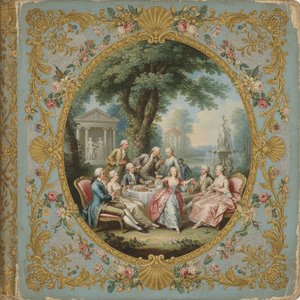
The painting "July und August" by Jean-Antoine Watteau, a cornerstone of the Rococo movement, offers more than just a picturesque landscape; it's an invitation into a world of refined pleasure, subtle emotion, and exquisitely crafted illusion. This panel, part of a larger set depicting the twelve months, captures a fleeting moment of idyllic repose – a scene brimming with the languid beauty that defined Watteau’s artistic vision. The image, presented as a black-and-white photograph, allows us to appreciate the foundational elements of his technique and the inherent elegance of the original oil on canvas.
A Glimpse into the Rococo World
Watteau’s rise to prominence was anything but straightforward. Initially struggling for recognition within the rigid structures of Parisian art institutions, he cultivated a unique style that deliberately moved away from the dramatic grandeur of the Baroque period. Instead, he focused on capturing the ephemeral beauty of everyday life – particularly scenes of leisure and social gatherings. “July und August” perfectly embodies this shift. The composition is meticulously structured, divided into two distinct horizontal sections, each revealing a carefully staged tableau of pastoral tranquility. The figures, rendered with Watteau’s signature delicate brushstrokes, are not presented as heroic or imposing; rather, they embody an understated elegance and a quiet appreciation for the simple pleasures of life. This was a deliberate rejection of the overtly religious and historical subjects favored by earlier generations, reflecting a growing emphasis on secular themes and personal experience.
Composition and Decorative Detail: A Masterclass in Illusion
The painting’s visual impact is profoundly shaped by its elaborate framing. The curvilinear borders, adorned with floral motifs, garlands, and classical architectural elements like columns and urns, aren't merely decorative; they actively contribute to the overall sense of opulence and refinement. Above this intricate framework floats a magnificent sunburst – a symbol of summer’s radiant energy and abundance. The use of atmospheric perspective within the landscape scenes subtly deepens the space, drawing the viewer into the idyllic setting. Notice how distant elements are rendered in lighter tones, creating an illusion of depth that belies the photograph's monochromatic presentation. The interplay between these organic shapes – the trees, clouds, and flowing waterways – and the more geometric forms of the frame creates a captivating visual dance.
Symbolism and Emotional Resonance
“July und August” is rich in symbolic meaning. The figures resting in the landscape represent a respite from labor, a celebration of summer’s bounty, and an embodiment of the Rococo ideal of *fête galante* – a cultivated form of outdoor entertainment enjoyed by the aristocracy. The bathers depicted in the second section evoke themes of rejuvenation and sensual pleasure, aligning with the era's fascination with beauty and the pursuit of refined enjoyment. The overall mood is one of tranquility and harmony—a carefully constructed illusion designed to transport the viewer to a world of effortless grace and understated luxury. It’s a scene that speaks not just to the eye but also to the heart, evoking feelings of peace, contentment, and a longing for a simpler, more beautiful existence.
Technique and Legacy
Watteau's mastery lies in his ability to create an illusion of reality through meticulous technique. The original painting was executed using oil on canvas, allowing him to build up layers of color and texture with remarkable subtlety. The photograph captures the essence of this technique – the subtle variations in tone that suggest brushstrokes and layering—though it inevitably loses some of the richness of the original. Watteau’s influence extended far beyond his own lifetime, shaping the course of European painting for decades to come. His delicate brushwork, focus on intimate scenes, and masterful use of illusion continue to inspire artists today, cementing his place as one of the most beloved figures in the history of art.
Ähnliche Kunstwerke

Über den Künstler
frühes Leben und Ausbildung
Jean Antoine Watteau, ein französischer Maler, wurde in Valenciennes, Frankreich, im Jahr 1684 geboren. Wenig ist über sein frühes Leben bekannt, aber es wird angenommen, dass er eine Ausbildung beim Künstler Julien in Valenciennes erhielt, bevor er 1702 nach Paris zog.Aufstieg zur Bedeutung
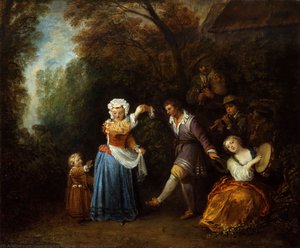
Watteaus einzigartiger Stil, der Elemente des Barock- und des aufkommenden Rokoko-Stils vereinte, gewann schnell an Popularität. Seine Werke waren durch ihre leuchtende, traumhafte Qualität gekennzeichnet und zeigten oft Szenen aus dem Alltag und Theateraufführungen. Zu den bemerkenswerten Werken dieser Zeit gehören:- Der Landtanze (1718-1721), ein Gemälde, das seine Meisterschaft bei der Darstellung des Wesens sorgloser, rustikaler Lebensweise zeigt.
- Zeres (Sommer) (1705), ein Beispiel für seine Fähigkeit, die Schönheit der Natur und das menschliche Erleben darzustellen.
- Das Eheversprechen (1710), ein Werk, das seine Fähigkeit hervorhebt, die Intimität häuslicher Szenen mit der Formalität von Verträgen in Einklang zu bringen.
Einfluss und Vermächtnis
Watteaus Einfluss auf die Kunstwelt war erheblich und beeinflusste die Entwicklung des Rokoko-Stils. Seine Werke befinden sich in verschiedenen Museen, darunter die Nationalgalerie der Künste (Washington, Vereinigte Staaten) und das Museo del Prado (Spanien). Trotz seines unerwarteten Todes im Alter von 37 Jahren hinterließ Watteau einen unauslöschlichen Eindruck in der Kunstgeschichte.Erfahren Sie mehr
Um sich tiefer mit Watteaus Welt vertraut zu machen, besuchen Sie [https://ArtsDot.com/@/jean-antoine-watteau](https://ArtsDot.com/@/jean-antoine-watteau) und entdecken Sie die umfangreiche Sammlung seiner Werke, darunter:- Kopf einer jungen Frau mit Kapuze (1715-1720), der seine Fähigkeit zeigt, die Feinheiten des menschlichen Ausdrucks einzufangen.
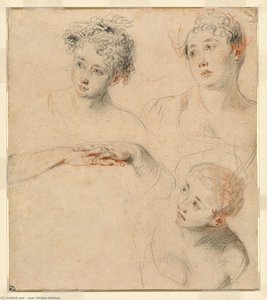
- Studie einer sich drehenden Frau und fünf Studien von Händen (1708-1712), die seine Hingabe zur Beherrschung der Feinheiten der menschlichen Form hervorhebt.
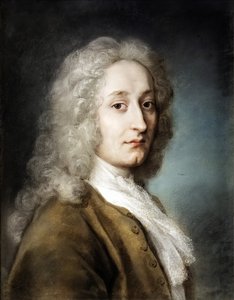
Jean-Antoine Watteau
1684 - 1721 , Frankreich
Kurzinfos
- Beeinflusste Künstler:
- Fragonard
- Boucher
- Bemerkenswerte Werke:
- Der Landtanze
- Ceres (Sommer)
- Das Eheversprechen
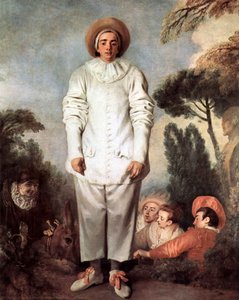
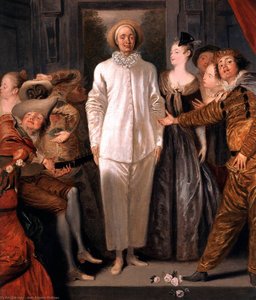
- Gilles
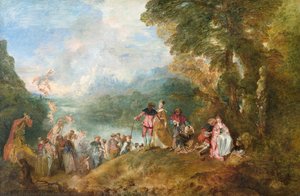
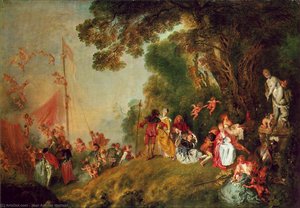
- Die Verabschiedung nach Kythera
- Geburtsdatum: 1684
- Geburtsort: Valenciennes, Frankreich
- Künstlerische Bewegung: Rokoko
- Künstlerische Einflüsse:
- Titian
- Veronese
- Rubens
- Nationalität: Französisch
- Todatum: 1721
- Vollständiger Name: Jean-Antoine Watteau
Ähnliche Artikel

Rococo Meisterwerke: Die Top 10, die eine Epoche prägten |
Entdecken Sie die Top 10 Rokoko Meisterwerke von Watteau, Boucher & Fragonard! Erfahren Sie die Geschichten hinter diesen ikonischen Gemälden und lassen Sie sich für Ihre Inneneinrichtung inspirieren. Hochwertige Kunstdrucke auf .

Idyllic Visions: Exploring the Pastoral Scene in Art History – From Arcadia to Modern Interpretations
Explore the captivating history of pastoral art from classical Arcadia to modern masterpieces. Discover key artists like Millet & Cole at ArtsDot. Find serene landscape paintings for your home.
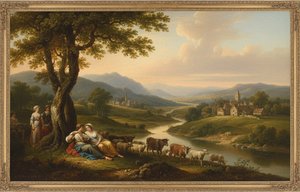
Idyllic Visions: Exploring the Pastoral Tradition in Western Art – Themes, Techniques & Enduring Appeal
Explore the rich history of pastoral art from classical Arcadia to contemporary interpretations. Discover key artists, themes & collecting tips at ArtsDot.
The Rococo Style: Aristocratic Leisure & the Pursuit of Delight in 18th-Century Art
Explore the opulent world of Rococo art! Discover Watteau, Boucher & Nattier's masterpieces. Expert insights for collectors seeking museum-quality reproductions and custom portraits at ArtsDot.

John Constable: Die 25 Meisterwerke des englischen Landschaftsgenies – ArtsDot
Entdecken Sie die 25 Meisterwerke von John Constable! Erleben Sie englische Landschaftsmalerei vom Hay Wain bis zur Stour Valley. Hochwertige Reproduktionen & Kunst für Ihr Zuhause auf ArtsDot.com.