![The March Of Silenus [recto] — Jean-antoine Watteau](/media/artworks/images-full/47/96/47967f2a29f78899c8315d06b15e447a.jpg)
 Vorschau anzeigen
 Versenden
 Teilen
 Details anzeigen

 Herunterladen
 Ähnliche Objekte
 Röntgenaufnahme
 Diashow
The March of Silenus [recto]

 Weiterlesen
Giclée / Kunstdruck
Giclée- oder Leinwanddruck in Museumsqualität mit schneller Produktion und flexiblen Veredelungsoptionen. ( Handgemalte Reproduktion bestellen Bild kaufen)




P118B $10

P118H $10

P118W $10

P438Z $10

P508JH $12

P508YH $12

P805H $10

P805Z $10

P919BZ $10

P919G $10

P919XJ $10

P959ZH $10

P968JZ $12

W106C $8

W218G $10

W218JH $8

W218Y $10

W307PJ $10

W316G $10

W316PJ $8

W316Y $10

W398PJ $8

W4111J $10

W500HY $15

W500JH $15

W692G $12

W849H $8

W940BG $15

W953PJ $8




Wählen Sie aus unseren vordefinierten Formaten, die den ursprünglichen Proportionen des Kunstwerks entsprechen.

Sie können Ihre eigenen Maße eingeben, um ein bestimmtes Format oder einen speziellen Platz einzupassen. Wenn das von Ihnen gewählte Format nicht den Proportionen des Originalbildes entspricht, werden wir das Kunstwerk entweder beschneiden oder das Bild mit einem gespiegelten oder einfarbigen Rand erweitern. Ein digitaler Entwurf wird Ihnen zur Genehmigung zugesandt, bevor die Produktion beginnt.
Bitte beachten Sie, dass die Vorschau auf dem Bildschirm nicht den tatsächlichen Zuschnitt oder die Erweiterung widerspiegelt. Nur der Entwurf zeigt die endgültige Komposition präzise an.
Obwohl Sondermaße verfügbar sind, empfehlen wir die Auswahl eines Maßes aus der vordefinierten Liste, um die ursprünglichen Proportionen zu bewahren.
Weltweiter Versand () innerhalb von 2 Wochen statt der üblichen 4/5 Wochen. (23 August)

Kostenloser weltweiter Expressversand

Hochwertige Leinenleinwand

Umfassender Versicherungsschutz beim Versand

Zollgebühren-Rückerstattungsgarantie

Garantie für exakte Farbtreue

60 Tage Rückgaberecht (nur bei Mängeln)

100% Geld-zurück-Garantie

Mengenrabatt verfügbar
 Die Glasoption ist nur für Größen unter 110 cm verfügbar.

The March of Silenus [recto]
Giclée / Kunstdruck
Format der Reproduktion
-


Gesamtpreis
$ 62
Sammlerstück-Beschreibung
A Moment of Transient Grace: Exploring Watteau's "The March of Silenus"
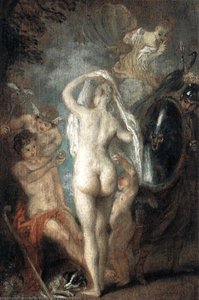
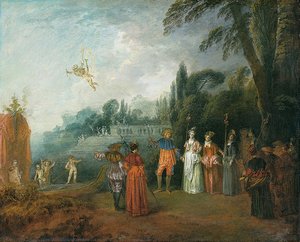
Jean-Antoine Watteau’s “The March of Silenus” offers a captivating glimpse into the heart of Rococo artistry, a world where fleeting pleasures and delicate emotions reigned supreme. Painted around 1715, this work exemplifies Watteau's masterful ability to capture not just appearances but the very essence of aristocratic leisure – a scene brimming with an almost palpable sense of movement and intrigue. The painting depicts a gathering of figures surrounding a nude man, Silenus, the mythical tutor of Dionysus, suggesting themes of intoxication, revelry, and perhaps even moral transgression, hallmarks of Watteau’s oeuvre.
- Subject Matter: The central figure, Silenus, is immediately arresting. His nudity, a deliberate reference to classical mythology, elevates the scene beyond mere social portraiture. The surrounding figures – a diverse group of men and women – engage in various activities, hinting at a symposium or a private celebration.
- Rococo Style: Watteau’s work is quintessential Rococo, characterized by its emphasis on elegance, asymmetry, and pastel colors. Notice the soft brushstrokes, the delicate rendering of fabrics, and the overall sense of lightness and airiness that pervades the composition. This style rejected the heavy, dramatic narratives of the Baroque period in favor of a more intimate and refined aesthetic.
Technique and Composition – A Dance of Light and Shadow
Watteau’s technical skill is immediately apparent in his use of *sfumato*, a technique borrowed from Leonardo da Vinci, which creates subtle gradations of light and shadow to soften forms and evoke an atmosphere of hazy beauty. The figures are not sharply defined but rather appear to emerge from the surrounding mist, contributing to the painting's dreamlike quality. The composition itself is carefully constructed, with diagonal lines guiding the viewer’s eye through the scene, creating a dynamic sense of movement. The use of shallow depth of field further enhances this effect, drawing attention to the foreground figures and blurring those in the background.
- Color Palette: Watteau favored a palette of pale pinks, blues, and golds, typical of the Rococo period. These colors contribute to the painting’s overall sense of luxury and refinement.
- Brushwork: The loose, flowing brushstrokes are characteristic of Watteau's style and create a sense of spontaneity and movement within the scene.
Symbolism and Historical Context – Echoes of Antiquity
"The March of Silenus" is deeply rooted in classical mythology and Renaissance humanism. Silenus, as the tutor of Dionysus, represents intoxication, revelry, and the pursuit of pleasure. The presence of nude figures was a common motif in Rococo art, reflecting a renewed interest in classical antiquity and a celebration of the beauty of the human form. Watteau’s work reflects the changing social landscape of 18th-century France, where aristocratic life revolved around elaborate entertainments and gatherings. This painting captures a moment of transient grace – a fleeting glimpse into a world of refined pleasure and sophisticated conversation.
Emotional Impact – A Portrait of Transient Beauty
Ultimately, “The March of Silenus” is not merely a depiction of a social gathering; it’s an exploration of human emotion and experience. The painting evokes a sense of nostalgia for a lost world of elegance and refinement, inviting the viewer to contemplate the fleeting nature of beauty and pleasure. Its delicate beauty and evocative atmosphere make it a timeless masterpiece, perfectly suited for inclusion in discerning collections or as a source of inspiration for interior design projects seeking a touch of Rococo charm.
Ähnliche Kunstwerke

Über den Künstler
frühes Leben und Ausbildung
Jean Antoine Watteau, ein französischer Maler, wurde in Valenciennes, Frankreich, im Jahr 1684 geboren. Wenig ist über sein frühes Leben bekannt, aber es wird angenommen, dass er eine Ausbildung beim Künstler Julien in Valenciennes erhielt, bevor er 1702 nach Paris zog.Aufstieg zur Bedeutung
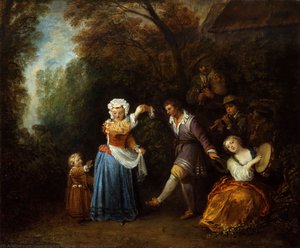
Watteaus einzigartiger Stil, der Elemente des Barock- und des aufkommenden Rokoko-Stils vereinte, gewann schnell an Popularität. Seine Werke waren durch ihre leuchtende, traumhafte Qualität gekennzeichnet und zeigten oft Szenen aus dem Alltag und Theateraufführungen. Zu den bemerkenswerten Werken dieser Zeit gehören:- Der Landtanze (1718-1721), ein Gemälde, das seine Meisterschaft bei der Darstellung des Wesens sorgloser, rustikaler Lebensweise zeigt.
- Zeres (Sommer) (1705), ein Beispiel für seine Fähigkeit, die Schönheit der Natur und das menschliche Erleben darzustellen.
- Das Eheversprechen (1710), ein Werk, das seine Fähigkeit hervorhebt, die Intimität häuslicher Szenen mit der Formalität von Verträgen in Einklang zu bringen.
Einfluss und Vermächtnis
Watteaus Einfluss auf die Kunstwelt war erheblich und beeinflusste die Entwicklung des Rokoko-Stils. Seine Werke befinden sich in verschiedenen Museen, darunter die Nationalgalerie der Künste (Washington, Vereinigte Staaten) und das Museo del Prado (Spanien). Trotz seines unerwarteten Todes im Alter von 37 Jahren hinterließ Watteau einen unauslöschlichen Eindruck in der Kunstgeschichte.Erfahren Sie mehr
Um sich tiefer mit Watteaus Welt vertraut zu machen, besuchen Sie [https://ArtsDot.com/@/jean-antoine-watteau](https://ArtsDot.com/@/jean-antoine-watteau) und entdecken Sie die umfangreiche Sammlung seiner Werke, darunter:- Kopf einer jungen Frau mit Kapuze (1715-1720), der seine Fähigkeit zeigt, die Feinheiten des menschlichen Ausdrucks einzufangen.
- Studie einer sich drehenden Frau und fünf Studien von Händen (1708-1712), die seine Hingabe zur Beherrschung der Feinheiten der menschlichen Form hervorhebt.
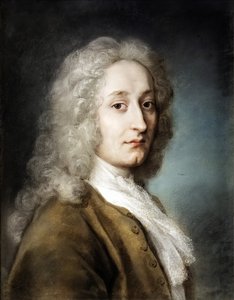
Jean-Antoine Watteau
1684 - 1721 , Frankreich
Kurzinfos
- Beeinflusste Künstler:
- Fragonard
- Boucher
- Bemerkenswerte Werke:
- Der Landtanze
- Ceres (Sommer)
- Das Eheversprechen
- Gilles
- Die Verabschiedung nach Kythera
- Geburtsdatum: 1684
- Geburtsort: Valenciennes, Frankreich
- Künstlerische Bewegung: Rokoko
- Künstlerische Einflüsse:
- Titian
- Veronese
- Rubens
- Nationalität: Französisch
- Todatum: 1721
- Vollständiger Name: Jean-Antoine Watteau
Ähnliche Artikel

Rococo Meisterwerke: Die Top 10, die eine Epoche prägten |
Entdecken Sie die Top 10 Rokoko Meisterwerke von Watteau, Boucher & Fragonard! Erfahren Sie die Geschichten hinter diesen ikonischen Gemälden und lassen Sie sich für Ihre Inneneinrichtung inspirieren. Hochwertige Kunstdrucke auf .
Giclée Prints: Archival Quality & Aesthetic Nuances for the Discerning Collector
Explore the world of giclée prints with ArtsDot. Learn about archival quality, aesthetic nuances & investment potential. Expert guidance for discerning art collectors seeking museum-quality reproductions and lasting value.

Louvre Meisterwerke: Die Top 25 Kunstwerke für Ihr Zuhause | ArtsDot
Entdecken Sie die Top 25 Kunstwerke des Louvre! Von der Mona Lisa bis zur Venus von Milo – erleben Sie Geschichte, Künstler und Techniken. Hochwertige Reproduktionen für Ihr Zuhause auf ArtsDot.com.

The Rococo Aesthetic: Opulence, Rebellion & the Pursuit of Pleasure in 18th-Century Art
Explore the opulent world of Rococo art! Discover its origins, key artists like Watteau & Boucher, and lasting influence on design. Expert insights for collectors & enthusiasts.

The Allure of Elegance in Art: A Historical & Aesthetic Exploration of Refinement & Grace
Explore the exquisite world of Rococo art! Discover its history, masters (Watteau, Boucher & more), and defining elegance. Expert insights for collectors seeking museum-quality reproductions & custom portraits.