 Vorschau anzeigen
 Versenden
 Teilen
 Details anzeigen

 Herunterladen
 Ähnliche Objekte
 Röntgenaufnahme
 Diashow
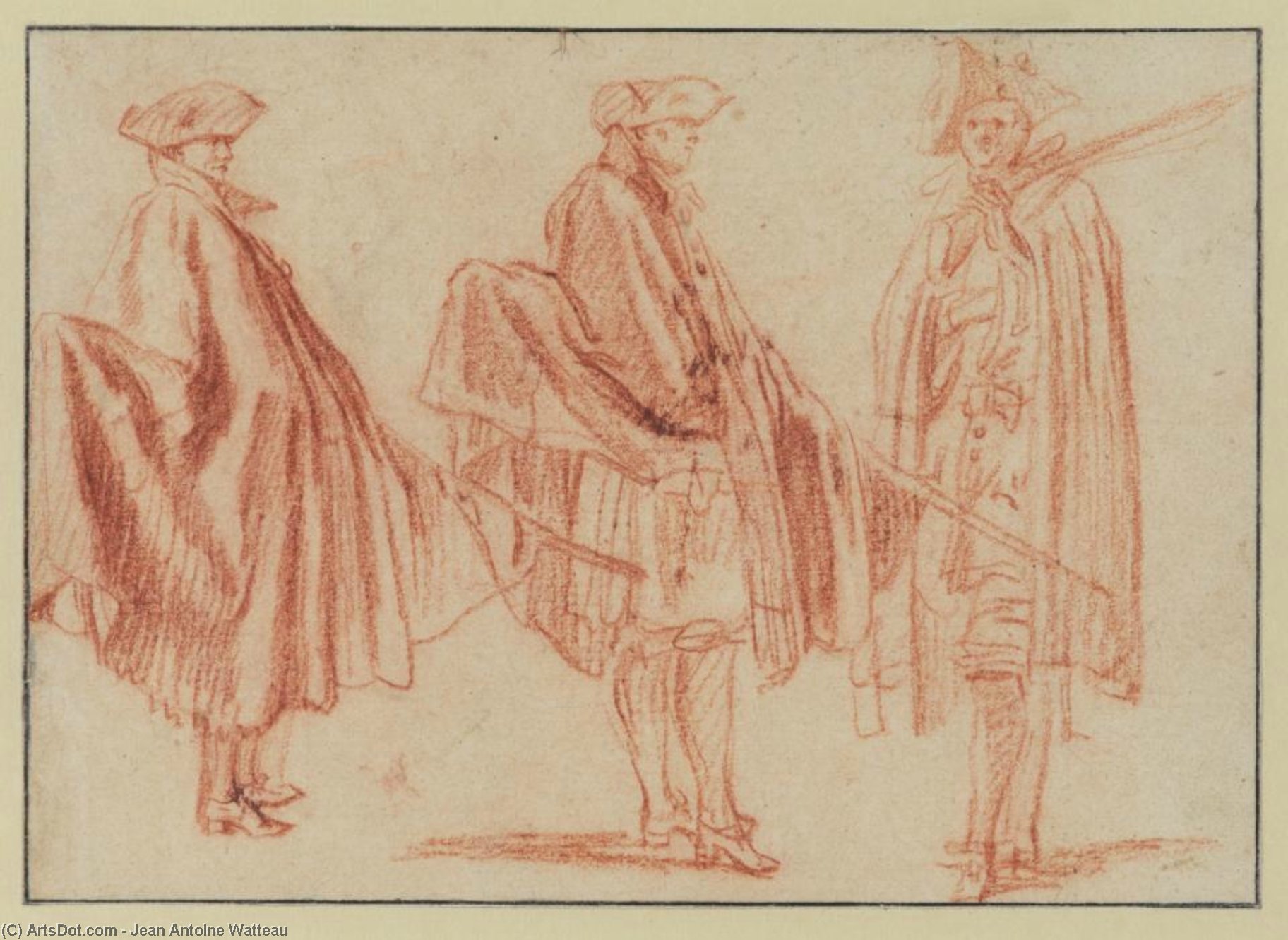
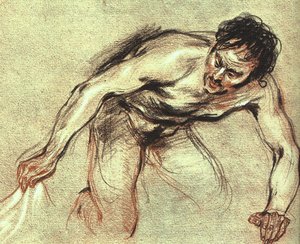
Three studies of a soldier


 Weiterlesen
Handgefertigte Ölreproduktion
Handgemaltes Ölgemälde auf Leinwand in Ihrer Wunschgröße und mit Rahmen, auf Bestellung von unseren Künstlern angefertigt. ( Druck bestellen Bild kaufen)




P118B $10

P118H $10

P118W $10

P438Z $10

P508JH $12

P508YH $12

P805H $10

P805Z $10

P919BZ $10

P919G $10

P919XJ $10

P959ZH $10

P968JZ $12

W106C $8

W218G $10

W218JH $8

W218Y $10

W307PJ $10

W316G $10

W316PJ $8

W316Y $10

W398PJ $8

W4111J $10

W500HY $15

W500JH $15

W692G $12

W849H $8

W940BG $15

W953PJ $8




Wählen Sie aus unseren vordefinierten Formaten, die den ursprünglichen Proportionen des Kunstwerks entsprechen.

Sie können Ihre eigenen Maße eingeben, um einen bestimmten Rahmen oder Platz auszufüllen. Wenn die gewählte Größe nicht den Proportionen des Originalbildes entspricht, werden wir das Kunstwerk entweder beschneiden oder das Gemälde durch zusätzliche, handgemalte Elemente erweitern. Ein digitales Mockup wird Ihnen zur Genehmigung zugesandt, bevor die Produktion beginnt.
Bitte beachten Sie, dass die Bildschirmvorschau nicht die tatsächliche Beschneidung oder Erweiterung widerspiegelt. Nur das Mockup zeigt die endgültige Komposition exakt an.
Obwohl Sondermaße verfügbar sind, empfehlen wir, eine Größe aus der vordefinierten Liste zu wählen, um die ursprünglichen Proportionen beizubehalten.
Nach der Bestellung wird das ArtsDot.com-Team dem Kunden Anweisungen per E-Mail zusenden und eine Mockup-Vorschau bereitstellen.
Weltweiter Versand () in nur 3 bis 4 Wochen statt der üblichen 5 Wochen. (26 August). Keine Kompromisse bei der Qualität.

Kostenloser weltweiter Expressversand

Hochwertige Leinenleinwand

Umfassender Versicherungsschutz beim Versand

Zollgebühren-Rückerstattungsgarantie

Garantie für exakte Farbtreue

60 Tage Rückgaberecht (nur bei Mängeln)

100% Geld-zurück-Garantie

Mengenrabatt verfügbar
 Die Glasoption ist nur für Größen unter 110 cm verfügbar.

Three studies of a soldier
Art der Reproduktion
Format der Reproduktion
-


Gesamtpreis
$ 263
Beschreibung des Kunstwerks
The Intimacy of Repose: A Glimpse into Watteau's Quietude
In the grand tapestry of the Rococo era, where much of the art focused on the theatricality of courtly life and the opulence of aristocratic gatherings, Jean-Antoine Watteau offered a profound and unexpected alternative. His work "Three Studies of a Soldier" serves as a breathtaking testament to his ability to find the extraordinary within the ordinary. Rather than depicting the thunderous glory of battle or the rigid posturing of military triumph, Watteau directs our gaze toward the quiet, human moments that exist in the shadows of conflict. The painting presents three men, likely drawn from a single model, captured in states of profound rest. There is a palpable sense of interiority here; these are not icons of war, but individuals immersed in a private world of tranquility, momentarily shielded from the dehumanizing pressures of their profession.
The composition is masterfully dynamic yet remains anchored by a soothing stillness. One figure turns his back to the viewer, inviting us to contemplate the space he occupies, while the others face forward, their expressions softened by fatigue and reflection. The presence of a sword in the foreground and the subtle suggestion of a horse behind the figures serve as poignant reminders of their true vocation, yet these elements feel secondary to the emotional weight of their repose. This delicate balance between the reality of military life and the dreamlike quality of their rest is what makes this piece so captivating for the modern collector.
Mastery of Light and the Rococo Spirit
Technically, the work exemplifies the delicate brushstroke that became Watteau's hallmark. Moving away from the heavy, dramatic chiaroscuro of the Baroque period, Watteau employs a more nuanced approach to light and atmosphere. His technique relies on subtle transitions and a soft, almost ethereal luminosity that breathes life into the fabric of the uniforms and the skin of his subjects. The artist utilizes a palette that favors grace over grit, using light to suggest movement and depth without the need for aggressive outlines. This mastery of suggestion allows the viewer to feel the atmosphere of the scene—the heavy air of a summer afternoon or the cool stillness of a shaded camp.
For those looking to integrate such a piece into a curated interior, the painting offers a unique versatility. Its ability to command attention through subtlety rather than volume makes it an ideal centerpiece for a sophisticated study, a quiet library, or a refined living space. The work does not shout; instead, it invites a lingering gaze, rewarding the observer with new details upon every encounter. It brings a sense of historical depth and emotional intelligence to any room, acting as a window into a vanished era of refined sensibility.
A Timeless Connection for the Discerning Collector
To possess a reproduction of this caliber is to hold a piece of art history that speaks to the universal human need for peace. The symbolism within the studies—the sword resting, the soldiers' slumped postures—functions as a powerful metaphor for the resilience of the human spirit amidst chaos. It is an evocative choice for interior designers seeking to create spaces of contemplation and elegance. By bringing this work into a contemporary setting, one bridges the gap between the 18th-century Rococo revolution and the modern desire for soulful, meaningful decor.
Whether you are drawn to the historical significance of Watteau's departure from tradition or the sheer aesthetic beauty of his soft, painterly touch, this work remains an enduring masterpiece. It stands as a reminder that even in the most turbulent times, there is a profound beauty to be found in the moments when we simply stop to breathe.
Ähnliche Kunstwerke

Über den Künstler
frühes Leben und Ausbildung
Jean Antoine Watteau, ein französischer Maler, wurde in Valenciennes, Frankreich, im Jahr 1684 geboren. Wenig ist über sein frühes Leben bekannt, aber es wird angenommen, dass er eine Ausbildung beim Künstler Julien in Valenciennes erhielt, bevor er 1702 nach Paris zog.Aufstieg zur Bedeutung
Watteaus einzigartiger Stil, der Elemente des Barock- und des aufkommenden Rokoko-Stils vereinte, gewann schnell an Popularität. Seine Werke waren durch ihre leuchtende, traumhafte Qualität gekennzeichnet und zeigten oft Szenen aus dem Alltag und Theateraufführungen. Zu den bemerkenswerten Werken dieser Zeit gehören:- Der Landtanze (1718-1721), ein Gemälde, das seine Meisterschaft bei der Darstellung des Wesens sorgloser, rustikaler Lebensweise zeigt.
- Zeres (Sommer) (1705), ein Beispiel für seine Fähigkeit, die Schönheit der Natur und das menschliche Erleben darzustellen.
- Das Eheversprechen (1710), ein Werk, das seine Fähigkeit hervorhebt, die Intimität häuslicher Szenen mit der Formalität von Verträgen in Einklang zu bringen.
Einfluss und Vermächtnis
Watteaus Einfluss auf die Kunstwelt war erheblich und beeinflusste die Entwicklung des Rokoko-Stils. Seine Werke befinden sich in verschiedenen Museen, darunter die Nationalgalerie der Künste (Washington, Vereinigte Staaten) und das Museo del Prado (Spanien). Trotz seines unerwarteten Todes im Alter von 37 Jahren hinterließ Watteau einen unauslöschlichen Eindruck in der Kunstgeschichte.Erfahren Sie mehr
Um sich tiefer mit Watteaus Welt vertraut zu machen, besuchen Sie [https://ArtsDot.com/@/jean-antoine-watteau](https://ArtsDot.com/@/jean-antoine-watteau) und entdecken Sie die umfangreiche Sammlung seiner Werke, darunter:- Kopf einer jungen Frau mit Kapuze (1715-1720), der seine Fähigkeit zeigt, die Feinheiten des menschlichen Ausdrucks einzufangen.
- Studie einer sich drehenden Frau und fünf Studien von Händen (1708-1712), die seine Hingabe zur Beherrschung der Feinheiten der menschlichen Form hervorhebt.
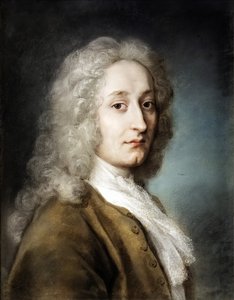
Jean-Antoine Watteau
1684 - 1721 , Frankreich
Kurzinfos
- Beeinflusste Künstler:
- Fragonard
- Boucher
- Bemerkenswerte Werke:
- Der Landtanze
- Ceres (Sommer)
- Das Eheversprechen
- Gilles
- Die Verabschiedung nach Kythera
- Geburtsdatum: 1684
- Geburtsort: Valenciennes, Frankreich
- Künstlerische Bewegung: Rokoko
- Künstlerische Einflüsse:
- Titian
- Veronese
- Rubens
- Nationalität: Französisch
- Todatum: 1721
- Vollständiger Name: Jean-Antoine Watteau
Ähnliche Artikel

Rococo Meisterwerke: Die Top 10, die eine Epoche prägten |
Entdecken Sie die Top 10 Rokoko Meisterwerke von Watteau, Boucher & Fragonard! Erfahren Sie die Geschichten hinter diesen ikonischen Gemälden und lassen Sie sich für Ihre Inneneinrichtung inspirieren. Hochwertige Kunstdrucke auf .
The Allure of Elegance in Art: A Historical & Aesthetic Exploration of Refinement & Grace
Explore the exquisite world of Rococo art! Discover its history, masters (Watteau, Boucher & more), and defining elegance. Expert insights for collectors seeking museum-quality reproductions & custom portraits.

The Rococo Aesthetic: Opulence, Rebellion & the Pursuit of Pleasure in 18th-Century Art
Explore the opulent world of Rococo art! Discover its origins, key artists like Watteau & Boucher, and lasting influence on design. Expert insights for collectors & enthusiasts.
Jean-Antoine Watteau und die vergängliche Welt der Liebe und Freizeit im Rokoko
Entdecken Sie die faszinierende Welt von Jean-Antoine Watteau und seiner revolutionären Fête galante! Analysieren Sie Stil, Symbolik & gesellschaftlichen Kontext des Rokoko mit ArtsDot.com.
Jean-Baptiste Pater: Rococo Charm & Ephemeral Beauty of 18th-Century France
Explore the captivating world of Jean-Baptiste Pater, a master of Rococo painting. Discover his elegant *fête galante* scenes and shimmering portraits – a glimpse into 18th-century French aristocracy. Learn about his legacy & find high-quality reproductions.