 Vorschau anzeigen
 Versenden
 Teilen
 Details anzeigen

 Herunterladen
 Ähnliche Objekte
 Röntgenaufnahme
 Diashow
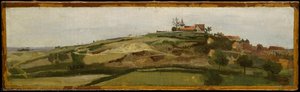
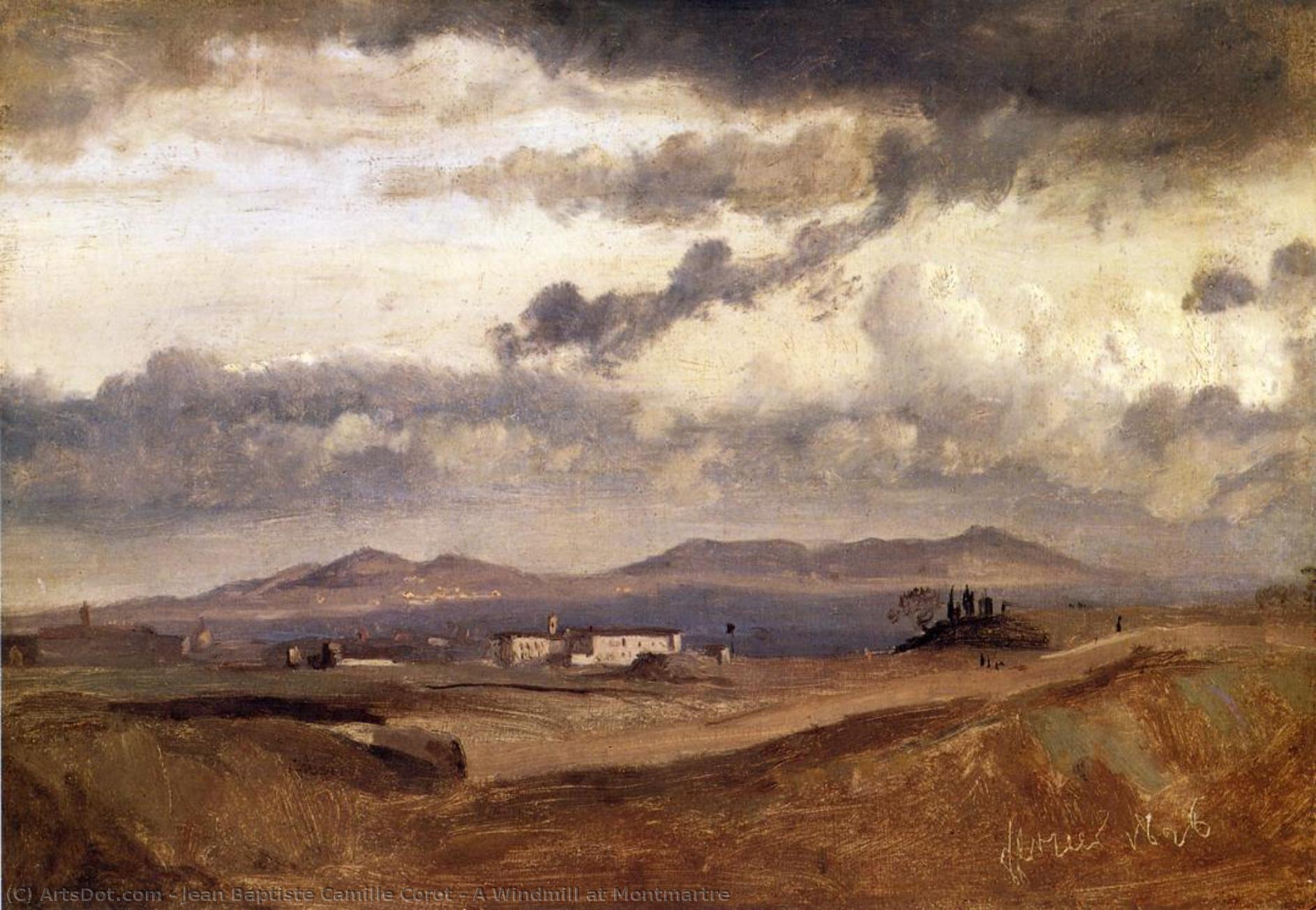
A Windmill at Montmartre
 Acrylic On Canvas
- WallArt
- Barbizon School
 1845
1845 26.0 x 34.0 cm
 Fitzwilliam-Museum
 Weiterlesen
Handgefertigte Ölreproduktion
Handgemaltes Ölgemälde auf Leinwand in Ihrer Wunschgröße und mit Rahmen, auf Bestellung von unseren Künstlern angefertigt. ( Druck bestellen Bild kaufen)




P118B $10

P118H $10

P118W $10

P438Z $10

P508JH $12

P508YH $12

P805H $10

P805Z $10

P919BZ $10

P919G $10

P919XJ $10

P959ZH $10

P968JZ $12

W106C $8

W218G $10

W218JH $8

W218Y $10

W307PJ $10

W316G $10

W316PJ $8

W316Y $10

W398PJ $8

W4111J $10

W500HY $15

W500JH $15

W692G $12

W849H $8

W940BG $15

W953PJ $8




Wählen Sie aus unseren vordefinierten Formaten, die den ursprünglichen Proportionen des Kunstwerks entsprechen.

Sie können Ihre eigenen Maße eingeben, um einen bestimmten Rahmen oder Platz auszufüllen. Wenn die gewählte Größe nicht den Proportionen des Originalbildes entspricht, werden wir das Kunstwerk entweder beschneiden oder das Gemälde durch zusätzliche, handgemalte Elemente erweitern. Ein digitales Mockup wird Ihnen zur Genehmigung zugesandt, bevor die Produktion beginnt.
Bitte beachten Sie, dass die Bildschirmvorschau nicht die tatsächliche Beschneidung oder Erweiterung widerspiegelt. Nur das Mockup zeigt die endgültige Komposition exakt an.
Obwohl Sondermaße verfügbar sind, empfehlen wir, eine Größe aus der vordefinierten Liste zu wählen, um die ursprünglichen Proportionen beizubehalten.
Nach der Bestellung wird das ArtsDot.com-Team dem Kunden Anweisungen per E-Mail zusenden und eine Mockup-Vorschau bereitstellen.
Weltweiter Versand () in nur 3 bis 4 Wochen statt der üblichen 5 Wochen. (26 August). Keine Kompromisse bei der Qualität.

Kostenloser weltweiter Expressversand

Hochwertige Leinenleinwand

Umfassender Versicherungsschutz beim Versand

Zollgebühren-Rückerstattungsgarantie

Garantie für exakte Farbtreue

60 Tage Rückgaberecht (nur bei Mängeln)

100% Geld-zurück-Garantie

Mengenrabatt verfügbar
 Die Glasoption ist nur für Größen unter 110 cm verfügbar.

A Windmill at Montmartre
Art der Reproduktion
Format der Reproduktion
-


Gesamtpreis
$ 263
Beschreibung des Kunstwerks
A Window Into Montmartre’s Soul: Corot's "A Windmill at Montmartre"
Jean-Baptiste-Camille Corot’s “A Windmill at Montmartre” (1845) isn’t merely a landscape painting; it’s a distilled moment of rural tranquility captured with an almost hesitant reverence. This work, residing within the broader collection of his evocative depictions of the French countryside, offers a poignant glimpse into Corot's artistic philosophy – a deliberate eschewing of grand narratives in favor of subtle observations and the profound beauty found in everyday scenes. The painting depicts a solitary windmill standing proudly against a hazy, atmospheric sky above a field of muted greens and browns. It’s a scene that feels both familiar and profoundly distant, inviting the viewer to step into a world where time seems to slow and the simple rhythms of nature hold sway.
Corot's technique is characterized by an extraordinary sensitivity to light and atmosphere. He employs a broken brushstroke method—a hallmark of his style—allowing the colors to blend softly, creating a luminous quality that’s particularly evident in the depiction of the sky. The clouds aren’t sharply defined; instead, they dissolve into washes of grey and blue, suggesting movement and depth without resorting to dramatic contrasts. This deliberate avoidance of sharp outlines is crucial to Corot's vision – he sought to capture not just what *looked* like a landscape, but how it *felt*. The painting’s palette is restrained, dominated by earthy tones—ochres, browns, and greens—that ground the scene in reality while simultaneously lending it an almost melancholic beauty. The windmill itself, rendered with a delicate touch, becomes a focal point of quiet contemplation.
The Barbizon School and Corot's Legacy
“A Windmill at Montmartre” firmly places Corot within the context of the Barbizon School, a movement that emerged in 19th-century France as a reaction against the academic traditions of the French Salon. Artists associated with the Barbizon School—including Corot, Théodore Rousseau, and Jean-François Millet—rejected the polished, idealized landscapes favored by earlier generations. Instead, they embraced *plein air* painting – working directly from nature – and sought to capture the raw beauty of the French countryside with a focus on realism and atmospheric effects. Corot’s work exemplifies this shift, prioritizing observation and emotional response over meticulous detail or historical subject matter.
Crucially, Corot wasn't simply copying what he saw; he was translating his *experience* onto the canvas. He spent considerable time sketching outdoors, meticulously studying the interplay of light and shadow, the textures of foliage, and the subtle shifts in color. This dedication to observation is evident in the painting’s remarkable sense of authenticity. Furthermore, Corot's influence extended far beyond the Barbizon School. His innovative use of color and atmospheric perspective paved the way for Impressionism, demonstrating a profound connection between landscape painting and the burgeoning artistic movement that would transform the art world.
Symbolic Resonance and Emotional Depth
While seemingly simple in its subject matter, “A Windmill at Montmartre” is rich in symbolic resonance. The windmill itself has long been associated with notions of time, industry, and rural life—a potent symbol of both progress and tradition. Its solitary presence against the vast expanse of the landscape evokes a sense of isolation and contemplation. The hazy atmosphere contributes to this feeling, creating an almost dreamlike quality that invites introspection.
Corot’s deliberate restraint in depicting human figures – there are none visible in the painting – further emphasizes the focus on nature itself. The scene becomes a meditation on the relationship between humanity and the natural world, suggesting a harmony and interconnectedness that is increasingly rare in modern life. The overall effect is one of quiet beauty, imbued with a subtle melancholy—a poignant reminder of the fleeting nature of time and the enduring power of the landscape.
Reproductions and Interior Design Inspiration
A high-quality reproduction of “A Windmill at Montmartre” can bring a sense of serenity and rustic charm to any interior space. Its muted color palette and atmospheric quality complement a wide range of design styles, from farmhouse chic to contemporary minimalism. The painting’s subtle details—the texture of the field, the delicate brushstrokes—add visual interest without overwhelming the room. Consider framing it in a natural wood frame to further enhance its rustic appeal.
Beyond its aesthetic qualities, “A Windmill at Montmartre” offers a valuable connection to art history and the legacy of one of France’s most influential landscape painters. It's an investment not just in a beautiful work of art, but also in a piece that embodies the spirit of the Barbizon School and foreshadows the innovations of Impressionism. Its timeless appeal ensures that it will remain a cherished addition to any collection for generations to come.
Ähnliche Kunstwerke
![Gemüsegärten In Montmartre [1887] — Vincent Willem Van Gogh, Post-impressionismus](/media/artworks/images-thumb/e1/a1/e1a1738c1598a29dea8d1ae66d81cf68.jpg)
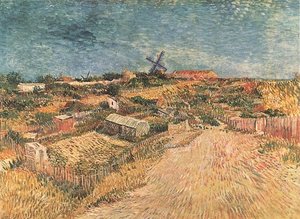
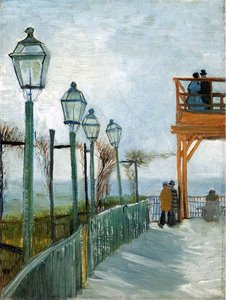
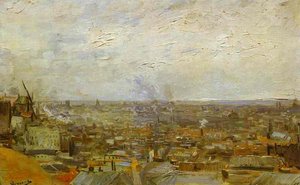
Über den Künstler
Frühe Jahre und Ausbildung
Jean-Baptiste-Camille Corot, ein renommierter französischer Landschafts- und Porträtmaler, wurde am 16. Juli 1796 in Paris geboren. Seine Familie, die zum Bürgertum gehörte, bot ihm eine Umgebung, die seine künstlerischen Neigungen förderte. Anfänglich lagen Corots Interessen woanders, doch er entdeckte um 1821 seine Leidenschaft für das Malen. Dies markierte den Beginn seiner produktiven Karriere, die später die Entwicklung des Impressionismus beeinflussen sollte.Künstlerische Laufbahn und bedeutende Werke
Corots künstlerischer Weg ist geprägt von einer Mischung aus neoklassischer Tradition und plein-air Innovationen. Er kombinierte sorgfältige Kompositionen mit der direkten Beobachtung der Natur im Freien, was zu einer einzigartigen Atmosphäre in seinen Werken führte. Zu seinen bemerkenswertesten Arbeiten zählen:- Die Ruhe (La Repose) (Öl auf Leinwand, ca. 1860er Jahre), ein fesselndes Werk, das Corots Meisterschaft in der Darstellung von Gelassenheit zeigt.
- Unterbrochenes Lesen (Lecture Interrompue) (Realismus, Öl, ca. 1850er Jahre), ein ergreifendes Beispiel für Corots Fähigkeit, den Alltag mit Tiefe und Emotion darzustellen.
- Agostina (Realismus, Öl, ca. 1860er Jahre), ein beeindruckendes Porträt, das Corots Geschicklichkeit in der Darstellung des Wesens seiner Motive veranschaulicht.
Einflüsse und Entwicklung
Corots künstlerische Entwicklung wurde von verschiedenen Einflüssen geprägt. Er studierte zunächst bei den neoklassizistischen Malern Jacques-Louis David und Jean-Antoine Houdon, was seine frühen Werke beeinflusste. Später fand er Inspiration in der Landschaftsmalerei des 17. Jahrhunderts, insbesondere bei Meistern wie Claude Lorrain und Nicolas Poussin. Corot entwickelte jedoch seinen eigenen Stil, indem er die klassische Komposition mit den direkten Beobachtungen der Natur im Freien verband. Er gilt als Brücke zwischen dem Klassizismus und dem Impressionismus. Seine Plein-Air-Malerei war revolutionär für seine Zeit und ebnete den Weg für zukünftige Generationen von Künstlern, darunter die Impressionisten.Vermächtnis und Bedeutung
Corots umfangreicher Output hatte einen nachhaltigen Einfluss auf die Entwicklung der Landschaftsmalerei. Sein innovativer Ansatz, traditionelle Techniken mit plein-air Innovationen zu verbinden, ebnete den Weg für zukünftige Generationen von Künstlern. Obwohl er zu Lebzeiten nicht immer Anerkennung fand, wurde Corot nach seinem Tod als einer der wichtigsten französischen Maler des 19. Jahrhunderts anerkannt. Seine Werke werden heute in bedeutenden Museen auf der ganzen Welt ausgestellt und seine Bedeutung für die Kunstgeschichte ist unbestreitbar. Entdecken Sie mehr über Jean-Baptiste-Camille Corots Gemälde auf ArtsDot.com: https://ArtsDot.com/@/jean-baptiste-camille-corot Erfahren Sie mehr über das Musée Courbet auf Wikipedia: https://en.wikipedia.org/wiki/mus%c3%a9e_courbet_(ornans,_france)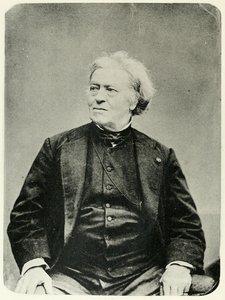
Jean-Baptiste-Camille Corot
1796 - 1875 , Frankreich
Kurzinfos
- Beeinflusste Künstler: ['Gustave Courbet']
- Bemerkenswerte Werke:
- Die Ruhe
- Unterbrochenes Lesen
- Agostina
- Geburtsdatum: 16. Juli 1796
- Geburtsort: Paris, Frankreich
- Künstlerische Richtung: Neoklassizismus, Pleinair
- Nationalität: Französisch
- Sterbedatum: 1875
- Vollständiger Name: Jean-Baptiste-Camille Corot
- Von Künstlern Beeinflusst: ['Keine Angaben']
Ähnliche Artikel
Postimpressionismus: Die 10 Meisterwerke, die eine Ära prägten –
Entdecken Sie die 10 Meisterwerke des Postimpressionismus! Van Gogh, Cézanne & Co. – ihre Geschichten, Techniken und zeitlose Schönheit. Kunstdrucke in Museumsqualiät auf . Jetzt entdecken!
Die emotionale Tiefe Van Goghs entschlüsseln: Meisterhafte Reproduktionen und künstlerische Analyse
Entdecken Sie die emotionale Tiefe von Vincent van Gogh! Hochwertige Reproduktionen & fundierte Analysen seiner Meisterwerke. Für Kunstsammler und Liebhaber.

John Constable: Die 25 Meisterwerke des englischen Landschaftsgenies – ArtsDot
Entdecken Sie die 25 Meisterwerke von John Constable! Erleben Sie englische Landschaftsmalerei vom Hay Wain bis zur Stour Valley. Hochwertige Reproduktionen & Kunst für Ihr Zuhause auf ArtsDot.com.

Impressionismus Meisterwerke: Die Top 10 Kunstwerke für Ihr Zuhause | ArtsDot
Entdecken Sie die Top 10 Meisterwerke des Impressionismus! Von Monet bis Renoir – erfahren Sie die Geschichten hinter berühmten Gemälden, Techniken & Farben. Hochwertige Kunstdrucke auf ArtsDot.com.

Paul Cézanne: Die 25 Meisterwerke des Impressionismus | ArtsDot
Entdecken Sie die 25 Meisterwerke von Paul Cézanne! Tauchen Sie ein in die Welt des Impressionismus und Postimpressionismus. Erfahren Sie mehr über seine Stillleben, Landschaften & berühmten Gemälde – jetzt hochwertige Kunstdrucke auf ArtsDot.com.