 Vorschau anzeigen
 Versenden
 Teilen
 Details anzeigen

 Herunterladen
 Ähnliche Objekte
 Röntgenaufnahme
 Diashow
 Statistiken
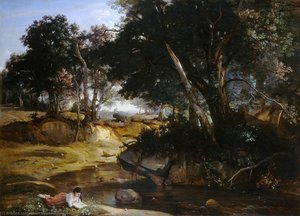
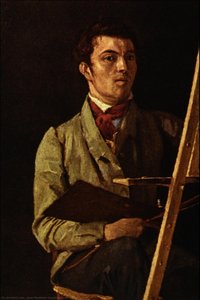
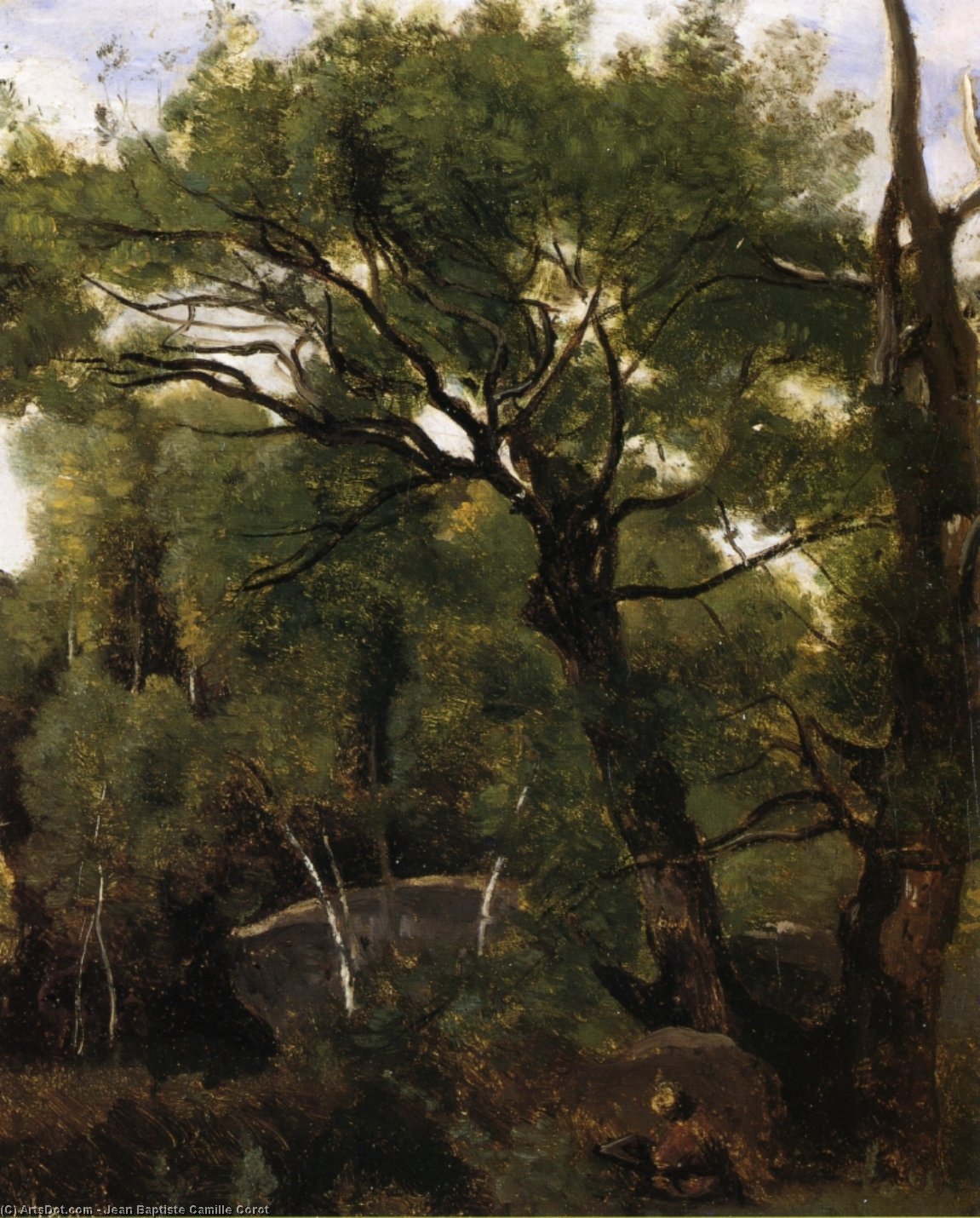
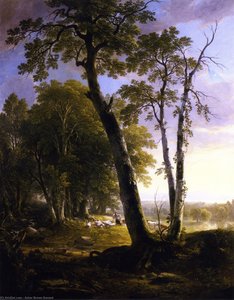
An Artist Painting in the Forest of Fountainebleau

 Weiterlesen
Handgefertigte Ölreproduktion
Handgemaltes Ölgemälde auf Leinwand in Ihrer Wunschgröße und mit Rahmen, auf Bestellung von unseren Künstlern angefertigt. ( Zu Druck wechseln Zum digitalen Bild wechseln)




P118B $10

P118H $10

P118W $10

P438Z $10

P508JH $12

P508YH $12

P805H $10

P805Z $10

P919BZ $10

P919G $10

P919XJ $10

P959ZH $10

P968JZ $12

W106C $8

W218G $10

W218JH $8

W218Y $10

W307PJ $10

W316G $10

W316PJ $8

W316Y $10

W398PJ $8

W4111J $10

W500HY $15

W500JH $15

W692G $12

W849H $8

W940BG $15

W953PJ $8




Wählen Sie aus unseren vordefinierten Formaten, die den ursprünglichen Proportionen des Kunstwerks entsprechen.

Sie können Ihre eigenen Maße eingeben, um einen bestimmten Rahmen oder Platz auszufüllen. Wenn die gewählte Größe nicht den Proportionen des Originalbildes entspricht, werden wir das Kunstwerk entweder beschneiden oder das Gemälde durch zusätzliche, handgemalte Elemente erweitern. Ein digitales Mockup wird Ihnen zur Genehmigung zugesandt, bevor die Produktion beginnt.
Bitte beachten Sie, dass die Bildschirmvorschau nicht die tatsächliche Beschneidung oder Erweiterung widerspiegelt. Nur das Mockup zeigt die endgültige Komposition exakt an.
Obwohl Sondermaße verfügbar sind, empfehlen wir, eine Größe aus der vordefinierten Liste zu wählen, um die ursprünglichen Proportionen beizubehalten.
Nach der Bestellung wird das ArtsDot.com-Team dem Kunden Anweisungen per E-Mail zusenden und eine Mockup-Vorschau bereitstellen.
Weltweiter Versand () in nur 3 bis 4 Wochen statt der üblichen 5 Wochen. (10 September). Keine Kompromisse bei der Qualität.

Kostenloser weltweiter Expressversand

Hochwertige Leinenleinwand

Umfassender Versicherungsschutz beim Versand

Zollgebühren-Rückerstattungsgarantie

Garantie für exakte Farbtreue

100-Tage-Rückgaberecht (nur bei Mängeln)

100% Geld-zurück-Garantie

Mengenrabatt verfügbar
 Die Glasoption ist nur für Größen unter 110 cm verfügbar.

An Artist Painting in the Forest of Fountainebleau
Art der Reproduktion
Format der Reproduktion
-


Gesamtpreis
$ 263
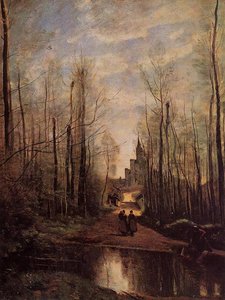
An Exploration of Tranquility: Jean Baptiste Camille Corot’s “Forest of Fontainebleau”
The painting "Forest of Fontainebleau," executed by Jean Baptiste Camille Corot in 1834, stands as a cornerstone of French landscape Impressionism—a genre that sought to transcend the rigid formalism of academic art and capture the fleeting beauty of nature with unprecedented immediacy. More than just a depiction of a woodland scene, it embodies Corot’s profound reverence for the natural world and his masterful ability to convey its serene atmosphere through subtle tonal variations and meticulous brushwork. This essay delves into the painting's multifaceted dimensions—its subject matter, stylistic innovations, artistic technique, historical significance, and enduring emotional resonance—offering insights for art enthusiasts and collectors alike.Subject Matter and Composition: A Reverie Amongst Ancient Trees
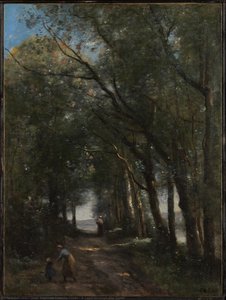
Corot’s canvas portrays a section of the Forest of Fontainebleau, a royal estate renowned for its towering beech trees and lush undergrowth. Unlike idealized landscapes that prioritized grandeur and heroic vistas, Corot opted for a contemplative composition centered around a solitary woman seated beneath the shade of one of the largest oaks—a deliberate choice reflecting the artist’s fascination with human figures integrated harmoniously into natural environments. The woman's posture exudes stillness and repose, mirroring the tranquil mood conveyed by the dappled sunlight filtering through the foliage. Scattered deer graze peacefully in the distance, reinforcing the painting’s overarching theme of pastoral harmony and embodying the Romantic ideal of communion with wilderness.Stylistic Innovation: Bridging Academia and Impressionism
While Corot adhered to academic training—evident in his careful attention to detail and adherence to perspectival conventions—he decisively rejected its stylistic constraints. He embraced techniques pioneered by Impressionists like Claude Monet and Frédéric Bazille, prioritizing the observation of light and color as primary artistic concerns. Corot’s brushstrokes are loose and expressive, eschewing blending and smoothing to capture the textural qualities of bark, leaves, and moss with remarkable accuracy. The tonal palette is muted yet luminous—dominated by shades of brown, ochre, and olive green—creating a sense of atmospheric depth and conveying the subtle nuances of woodland illumination. This fusion of academic precision and Impressionistic spontaneity distinguishes Corot’s oeuvre from its contemporaries and establishes him as a pivotal figure in the evolution of landscape painting.Technique: Mastering Oil Paint – A Legacy of Observation
Corot's mastery of oil paint is palpable throughout “Forest of Fontainebleau.” He employed a layering technique—known as *glazure*—to build up tonal gradations gradually, allowing underlying colors to peek through and enhancing the painting’s luminosity. This method demanded painstaking observation and meticulous mixing—a testament to Corot’s dedication to capturing the ephemeral effects of light on surface texture. The artist meticulously applied pigment with a palette knife and brush, achieving remarkable textural contrasts between smooth bark surfaces and rough mossy patches. Furthermore, Corot skillfully utilized atmospheric perspective—reducing color saturation and detail in distant objects—to simulate the illusion of depth and reinforce the painting’s immersive quality.Historical Context: Romantic Idealism and Artistic Dialogue
“Forest of Fontainebleau” emerged during a period marked by fervent Romantic idealism—a movement that championed emotion, imagination, and individualism as antidotes to Enlightenment rationalism. Corot's artistic vision resonated deeply with the sensibilities of his time, reflecting the Romantic preoccupation with sublime landscapes and the spiritual significance of communion with nature. Simultaneously, the painting engaged in an ongoing dialogue with Impressionist innovations—demonstrating Corot’s willingness to experiment with new techniques while retaining a steadfast commitment to traditional aesthetic principles. This synthesis exemplifies the broader artistic currents shaping 19th-century France and underscores Corot's enduring legacy as a pioneer of landscape Impressionism.Emotional Impact: Capturing Serenity and Contemplation
Ultimately, “Forest of Fontainebleau” succeeds in evoking profound feelings of serenity and contemplation—a testament to Corot’s artistic sensitivity and his ability to translate visual experience into emotional resonance. The painting's muted palette, harmonious composition, and evocative brushwork invite viewers to immerse themselves in the tranquil beauty of the forest scene. It speaks to a yearning for simplicity, solitude, and connection with the natural world—themes that continue to captivate audiences across generations. Corot’s masterpiece remains an enduring symbol of Romantic idealism and a celebration of landscape painting's capacity to inspire awe and elevate the human spirit.Ähnliche Kunstwerke

Über den Künstler
Frühe Jahre und Ausbildung
Jean-Baptiste-Camille Corot, ein renommierter französischer Landschafts- und Porträtmaler, wurde am 16. Juli 1796 in Paris geboren. Seine Familie, die zum Bürgertum gehörte, bot ihm eine Umgebung, die seine künstlerischen Neigungen förderte. Anfänglich lagen Corots Interessen woanders, doch er entdeckte um 1821 seine Leidenschaft für das Malen. Dies markierte den Beginn seiner produktiven Karriere, die später die Entwicklung des Impressionismus beeinflussen sollte.Künstlerische Laufbahn und bedeutende Werke
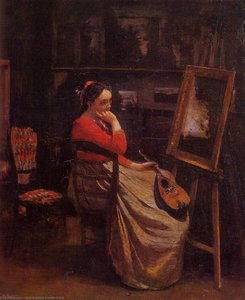
Corots künstlerischer Weg ist geprägt von einer Mischung aus neoklassischer Tradition und plein-air Innovationen. Er kombinierte sorgfältige Kompositionen mit der direkten Beobachtung der Natur im Freien, was zu einer einzigartigen Atmosphäre in seinen Werken führte. Zu seinen bemerkenswertesten Arbeiten zählen:- Die Ruhe (La Repose) (Öl auf Leinwand, ca. 1860er Jahre), ein fesselndes Werk, das Corots Meisterschaft in der Darstellung von Gelassenheit zeigt.
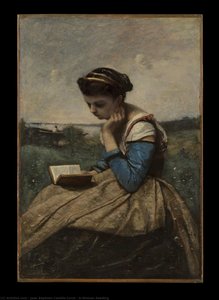
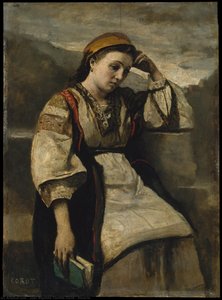
- Unterbrochenes Lesen (Lecture Interrompue) (Realismus, Öl, ca. 1850er Jahre), ein ergreifendes Beispiel für Corots Fähigkeit, den Alltag mit Tiefe und Emotion darzustellen.
- Agostina (Realismus, Öl, ca. 1860er Jahre), ein beeindruckendes Porträt, das Corots Geschicklichkeit in der Darstellung des Wesens seiner Motive veranschaulicht.
Einflüsse und Entwicklung
Corots künstlerische Entwicklung wurde von verschiedenen Einflüssen geprägt. Er studierte zunächst bei den neoklassizistischen Malern Jacques-Louis David und Jean-Antoine Houdon, was seine frühen Werke beeinflusste. Später fand er Inspiration in der Landschaftsmalerei des 17. Jahrhunderts, insbesondere bei Meistern wie Claude Lorrain und Nicolas Poussin. Corot entwickelte jedoch seinen eigenen Stil, indem er die klassische Komposition mit den direkten Beobachtungen der Natur im Freien verband. Er gilt als Brücke zwischen dem Klassizismus und dem Impressionismus. Seine Plein-Air-Malerei war revolutionär für seine Zeit und ebnete den Weg für zukünftige Generationen von Künstlern, darunter die Impressionisten.Vermächtnis und Bedeutung
Corots umfangreicher Output hatte einen nachhaltigen Einfluss auf die Entwicklung der Landschaftsmalerei. Sein innovativer Ansatz, traditionelle Techniken mit plein-air Innovationen zu verbinden, ebnete den Weg für zukünftige Generationen von Künstlern. Obwohl er zu Lebzeiten nicht immer Anerkennung fand, wurde Corot nach seinem Tod als einer der wichtigsten französischen Maler des 19. Jahrhunderts anerkannt. Seine Werke werden heute in bedeutenden Museen auf der ganzen Welt ausgestellt und seine Bedeutung für die Kunstgeschichte ist unbestreitbar. Entdecken Sie mehr über Jean-Baptiste-Camille Corots Gemälde auf ArtsDot.com: https://ArtsDot.com/@/jean-baptiste-camille-corot Erfahren Sie mehr über das Musée Courbet auf Wikipedia: https://en.wikipedia.org/wiki/mus%c3%a9e_courbet_(ornans,_france)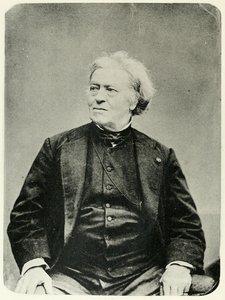
Jean-Baptiste-Camille Corot
1796 - 1875 , Frankreich
Kurzinfos
- Beeinflusste Künstler: ['Gustave Courbet']
- Bemerkenswerte Werke:
- Die Ruhe
- Unterbrochenes Lesen
- Agostina
- Geburtsdatum: 16. Juli 1796
- Geburtsort: Paris, Frankreich
- Künstlerische Richtung: Neoklassizismus, Pleinair
- Nationalität: Französisch
- Sterbedatum: 1875
- Vollständiger Name: Jean-Baptiste-Camille Corot
- Von Künstlern Beeinflusst: ['Keine Angaben']