 Vorschau anzeigen
 Versenden
 Teilen
 Details anzeigen

 Herunterladen
 Ähnliche Objekte
 Röntgenaufnahme
 Diashow
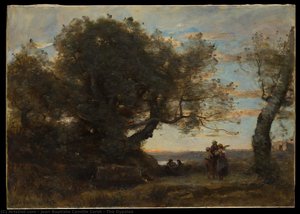
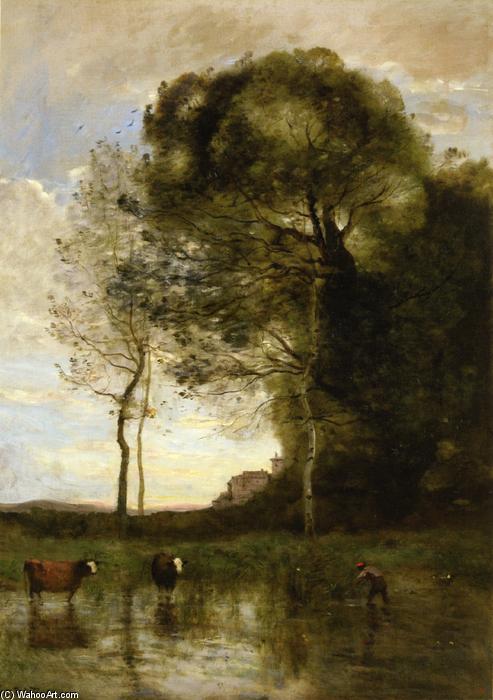
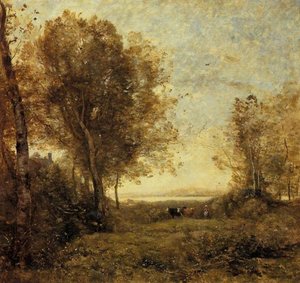
Banks of a Pond with Two Cows, Italian Souvenir

 Weiterlesen
Giclée / Kunstdruck
Giclée- oder Leinwanddruck in Museumsqualität mit schneller Produktion und flexiblen Veredelungsoptionen. ( Handgemalte Reproduktion bestellen Bild kaufen)




P118B $10

P118H $10

P118W $10

P438Z $10

P508JH $12

P508YH $12

P805H $10

P805Z $10

P919BZ $10

P919G $10

P919XJ $10

P959ZH $10

P968JZ $12

W106C $8

W218G $10

W218JH $8

W218Y $10

W307PJ $10

W316G $10

W316PJ $8

W316Y $10

W398PJ $8

W4111J $10

W500HY $15

W500JH $15

W692G $12

W849H $8

W940BG $15

W953PJ $8




Wählen Sie aus unseren vordefinierten Formaten, die den ursprünglichen Proportionen des Kunstwerks entsprechen.

Sie können Ihre eigenen Maße eingeben, um ein bestimmtes Format oder einen speziellen Platz einzupassen. Wenn das von Ihnen gewählte Format nicht den Proportionen des Originalbildes entspricht, werden wir das Kunstwerk entweder beschneiden oder das Bild mit einem gespiegelten oder einfarbigen Rand erweitern. Ein digitaler Entwurf wird Ihnen zur Genehmigung zugesandt, bevor die Produktion beginnt.
Bitte beachten Sie, dass die Vorschau auf dem Bildschirm nicht den tatsächlichen Zuschnitt oder die Erweiterung widerspiegelt. Nur der Entwurf zeigt die endgültige Komposition präzise an.
Obwohl Sondermaße verfügbar sind, empfehlen wir die Auswahl eines Maßes aus der vordefinierten Liste, um die ursprünglichen Proportionen zu bewahren.
Weltweiter Versand () innerhalb von 2 Wochen statt der üblichen 4/5 Wochen. (4 September)

Kostenloser weltweiter Expressversand

Hochwertige Leinenleinwand

Umfassender Versicherungsschutz beim Versand

Zollgebühren-Rückerstattungsgarantie

Garantie für exakte Farbtreue

60 Tage Rückgaberecht (nur bei Mängeln)

100% Geld-zurück-Garantie

Mengenrabatt verfügbar
 Die Glasoption ist nur für Größen unter 110 cm verfügbar.

Banks of a Pond with Two Cows, Italian Souvenir
Giclée / Kunstdruck
Format der Reproduktion
-


Gesamtpreis
$ 62
Banks of a Pond with Two Cows, Italian Souvenir – A Corotian Reverie
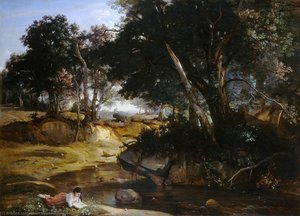
Jean Baptiste Camille Corot’s “Banks of a Pond with Two Cows, Italian Souvenir” isn't merely a depiction of pastoral tranquility; it’s an embodiment of Romantic idealism distilled onto canvas. Painted in 1867, this oil on panel masterpiece exemplifies Corot’s signature style – Realism imbued with lyrical Impressionistic sensibilities – capturing not just what the eye sees but also what the soul feels. The scene unfolds with understated elegance: two cows stand placidly beside a still pond, framed by towering trees and distant mountains bathed in diffused sunlight. This isn't a dramatic confrontation between man and nature; rather, it’s an invitation to contemplate the sublime beauty of the natural world.The Artist’s Technique – Light as Emotion
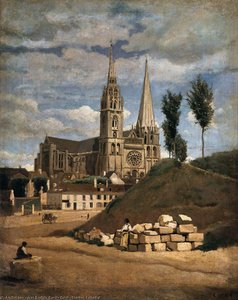
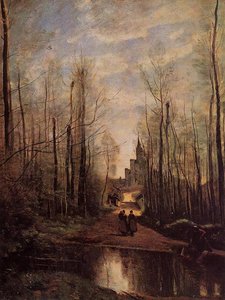
Corot’s mastery lay in his ability to translate atmospheric conditions into palpable emotion. He achieved this through meticulous layering of thin glazes—a technique honed over decades—allowing light to penetrate and illuminate the canvas with subtle gradations of color. Unlike Impressionists who sought immediate visual impressions, Corot painstakingly built up his composition, capturing the ephemeral quality of sunlight filtering through foliage. Notice how he renders the shimmering surface of the pond – not with harsh highlights but with delicate washes that convey its coolness and stillness. The brushstrokes themselves are loose yet purposeful, conveying a sense of movement without disrupting the overall serenity of the image. As seen in works like “The Church at Essommes,” near the Chateau Thierry and Dunkirk, Corot’s approach prioritized capturing the essence of a place rather than simply reproducing its appearance.Historical Context – Romanticism's Embrace of Nature
“Banks of a Pond with Two Cows” emerged during the height of Romanticism—a movement that championed emotion over reason and celebrated the grandeur of untamed landscapes. Artists like Corot rejected Neoclassical formalism, favoring instead expressive brushwork and tonal harmonies that mirrored the turbulent inner lives of their time. The painting reflects the Romantic fascination with solitude, contemplation, and communion with God – themes prevalent in literature and philosophy during the period. It speaks to a yearning for simplicity and authenticity, qualities valued by artists and intellectuals alike as they sought refuge from the anxieties of industrialization and urbanization.Symbolism – Quiet Contemplation and Spiritual Resonance
Beyond its aesthetic beauty, “Banks of a Pond with Two Cows” carries symbolic weight. The cows themselves represent fertility and abundance—a cornerstone of pastoral imagery throughout Western art history. Their stillness symbolizes peace and contemplation, encouraging the viewer to slow down and appreciate the quiet wonders of nature. The pond serves as a mirror reflecting both the physical landscape and the inner state of mind—inviting introspection and fostering a sense of spiritual connection. The distant mountains represent permanence and majesty—a counterpoint to the fleeting beauty of the immediate scene.Emotional Impact – A Balm for the Soul
Ultimately, Corot’s “Banks of a Pond with Two Cows” transcends mere visual representation; it offers an experience—a feeling—that lingers long after viewing. Its muted palette and soft brushstrokes evoke a sense of calm and serenity, transporting the viewer to a place untouched by worldly cares. It's a painting that speaks to our deepest desires for beauty, tranquility, and connection with the natural world – qualities increasingly sought in contemporary art and interior design. Reproductions of this iconic artwork can bring a touch of Corot’s timeless vision into any home, fostering contemplation and reminding us of the profound solace found in simple landscapes.- Explore our collection of reproduction oil paintings: The Museum Forest Lawn Mus
Ähnliche Kunstwerke
Über den Künstler
Frühe Jahre und Ausbildung
Jean-Baptiste-Camille Corot, ein renommierter französischer Landschafts- und Porträtmaler, wurde am 16. Juli 1796 in Paris geboren. Seine Familie, die zum Bürgertum gehörte, bot ihm eine Umgebung, die seine künstlerischen Neigungen förderte. Anfänglich lagen Corots Interessen woanders, doch er entdeckte um 1821 seine Leidenschaft für das Malen. Dies markierte den Beginn seiner produktiven Karriere, die später die Entwicklung des Impressionismus beeinflussen sollte.Künstlerische Laufbahn und bedeutende Werke
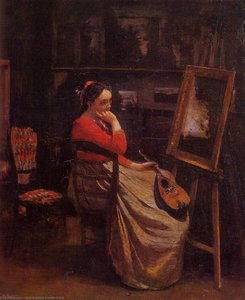
Corots künstlerischer Weg ist geprägt von einer Mischung aus neoklassischer Tradition und plein-air Innovationen. Er kombinierte sorgfältige Kompositionen mit der direkten Beobachtung der Natur im Freien, was zu einer einzigartigen Atmosphäre in seinen Werken führte. Zu seinen bemerkenswertesten Arbeiten zählen:- Die Ruhe (La Repose) (Öl auf Leinwand, ca. 1860er Jahre), ein fesselndes Werk, das Corots Meisterschaft in der Darstellung von Gelassenheit zeigt.
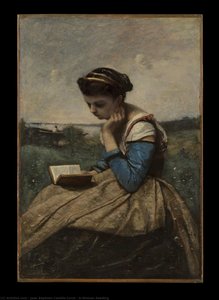
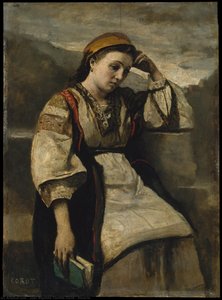
- Unterbrochenes Lesen (Lecture Interrompue) (Realismus, Öl, ca. 1850er Jahre), ein ergreifendes Beispiel für Corots Fähigkeit, den Alltag mit Tiefe und Emotion darzustellen.
- Agostina (Realismus, Öl, ca. 1860er Jahre), ein beeindruckendes Porträt, das Corots Geschicklichkeit in der Darstellung des Wesens seiner Motive veranschaulicht.
Einflüsse und Entwicklung
Corots künstlerische Entwicklung wurde von verschiedenen Einflüssen geprägt. Er studierte zunächst bei den neoklassizistischen Malern Jacques-Louis David und Jean-Antoine Houdon, was seine frühen Werke beeinflusste. Später fand er Inspiration in der Landschaftsmalerei des 17. Jahrhunderts, insbesondere bei Meistern wie Claude Lorrain und Nicolas Poussin. Corot entwickelte jedoch seinen eigenen Stil, indem er die klassische Komposition mit den direkten Beobachtungen der Natur im Freien verband. Er gilt als Brücke zwischen dem Klassizismus und dem Impressionismus. Seine Plein-Air-Malerei war revolutionär für seine Zeit und ebnete den Weg für zukünftige Generationen von Künstlern, darunter die Impressionisten.Vermächtnis und Bedeutung
Corots umfangreicher Output hatte einen nachhaltigen Einfluss auf die Entwicklung der Landschaftsmalerei. Sein innovativer Ansatz, traditionelle Techniken mit plein-air Innovationen zu verbinden, ebnete den Weg für zukünftige Generationen von Künstlern. Obwohl er zu Lebzeiten nicht immer Anerkennung fand, wurde Corot nach seinem Tod als einer der wichtigsten französischen Maler des 19. Jahrhunderts anerkannt. Seine Werke werden heute in bedeutenden Museen auf der ganzen Welt ausgestellt und seine Bedeutung für die Kunstgeschichte ist unbestreitbar. Entdecken Sie mehr über Jean-Baptiste-Camille Corots Gemälde auf ArtsDot.com: https://ArtsDot.com/@/jean-baptiste-camille-corot Erfahren Sie mehr über das Musée Courbet auf Wikipedia: https://en.wikipedia.org/wiki/mus%c3%a9e_courbet_(ornans,_france)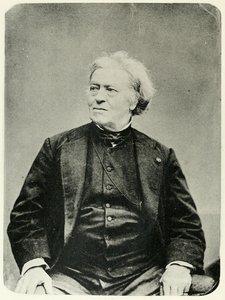
Jean-Baptiste-Camille Corot
1796 - 1875 , Frankreich
Kurzinfos
- Beeinflusste Künstler: ['Gustave Courbet']
- Bemerkenswerte Werke:
- Die Ruhe
- Unterbrochenes Lesen
- Agostina
- Geburtsdatum: 16. Juli 1796
- Geburtsort: Paris, Frankreich
- Künstlerische Richtung: Neoklassizismus, Pleinair
- Nationalität: Französisch
- Sterbedatum: 1875
- Vollständiger Name: Jean-Baptiste-Camille Corot
- Von Künstlern Beeinflusst: ['Keine Angaben']