 Vorschau anzeigen
 Versenden
 Teilen
 Details anzeigen

 Herunterladen
 Ähnliche Objekte
 Röntgenaufnahme
 Diashow
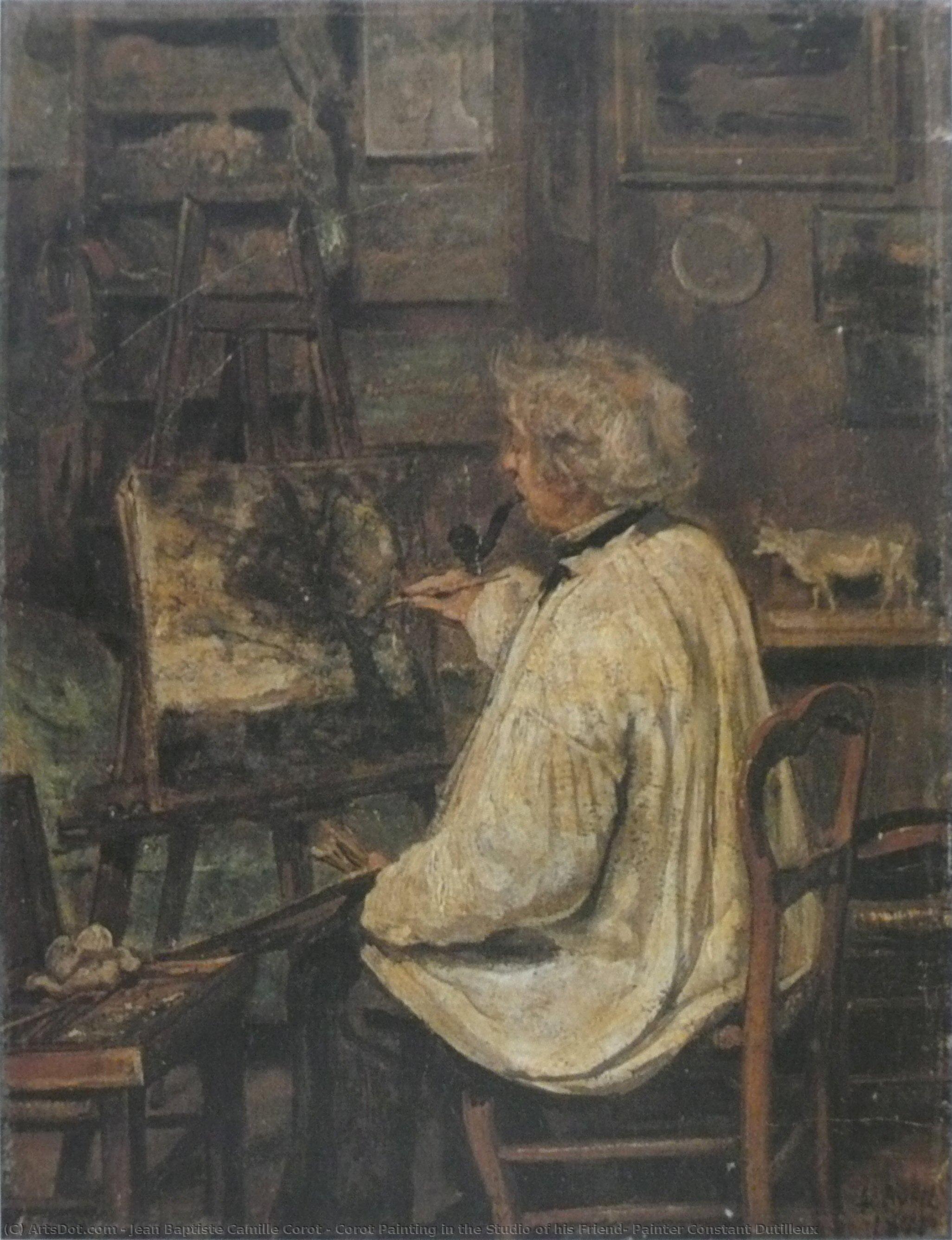
Corots Malerei im Atelier seines Freundes, des Malers Constant Dutilleux
 Öl auf Leinwand
- Wandkunst
- Realist Impressionism
 1871
1871 32.0 x 25.0 cm
 Musée d'Orsay
 Weiterlesen
Giclée / Kunstdruck
Giclée- oder Leinwanddruck in Museumsqualität mit schneller Produktion und flexiblen Veredelungsoptionen. ( Handgemalte Reproduktion bestellen Bild kaufen)




P118B $10

P118H $10

P118W $10

P438Z $10

P508JH $12

P508YH $12

P805H $10

P805Z $10

P919BZ $10

P919G $10

P919XJ $10

P959ZH $10

P968JZ $12

W106C $8

W218G $10

W218JH $8

W218Y $10

W307PJ $10

W316G $10

W316PJ $8

W316Y $10

W398PJ $8

W4111J $10

W500HY $15

W500JH $15

W692G $12

W849H $8

W940BG $15

W953PJ $8




Wählen Sie aus unseren vordefinierten Formaten, die den ursprünglichen Proportionen des Kunstwerks entsprechen.

Sie können Ihre eigenen Maße eingeben, um ein bestimmtes Format oder einen speziellen Platz einzupassen. Wenn das von Ihnen gewählte Format nicht den Proportionen des Originalbildes entspricht, werden wir das Kunstwerk entweder beschneiden oder das Bild mit einem gespiegelten oder einfarbigen Rand erweitern. Ein digitaler Entwurf wird Ihnen zur Genehmigung zugesandt, bevor die Produktion beginnt.
Bitte beachten Sie, dass die Vorschau auf dem Bildschirm nicht den tatsächlichen Zuschnitt oder die Erweiterung widerspiegelt. Nur der Entwurf zeigt die endgültige Komposition präzise an.
Obwohl Sondermaße verfügbar sind, empfehlen wir die Auswahl eines Maßes aus der vordefinierten Liste, um die ursprünglichen Proportionen zu bewahren.
Weltweiter Versand () innerhalb von 2 Wochen statt der üblichen 4/5 Wochen. (27 August)

Kostenloser weltweiter Expressversand

Hochwertige Leinenleinwand

Umfassender Versicherungsschutz beim Versand

Zollgebühren-Rückerstattungsgarantie

Garantie für exakte Farbtreue

60 Tage Rückgaberecht (nur bei Mängeln)

100% Geld-zurück-Garantie

Mengenrabatt verfügbar
 Die Glasoption ist nur für Größen unter 110 cm verfügbar.

Corots Malerei im Atelier seines Freundes, des Malers Constant Dutilleux
Giclée / Kunstdruck
Format der Reproduktion
-


Gesamtpreis
$ 62
Jean-Baptiste-Camille Corot’s Intimate Studio – A Reflection of Light and Labor
The painting “Corot Painting in the Studio of his Friend, Painter Constant Dutilleux,” created in 1871, offers a remarkably intimate glimpse into the world of a 19th-century artist. More than just a portrait, it’s a carefully constructed tableau that speaks volumes about Corot's artistic philosophy and the solitary dedication required to pursue his craft. The scene unfolds within the cluttered yet inviting space of Dutilleux’s studio – a testament to the close collaboration between two significant figures in French art. The muted palette dominated by browns, greys, and ochres immediately establishes a contemplative mood; it's not a vibrant celebration of color, but rather an exploration of light, shadow, and texture—elements that were central to Corot’s artistic vision.
A Masterclass in Realism and Impressionistic Brushwork
Corot’s technique is immediately recognizable. He employs a realistic approach, meticulously rendering the details of the studio – the worn chair, the draped cloth, the partially finished canvas – yet simultaneously infuses the scene with an impressionistic sensibility. The visible brushstrokes, particularly evident in the depiction of the drapery and the texture of the paint itself, are not concealed but celebrated as integral to the artwork’s expressive power. Thick impasto is used strategically, adding depth and physicality to certain areas, while looser strokes suggest movement and atmospheric effects. The diffused natural light streaming through the window – a crucial element in Corot's work – creates a sense of quiet intimacy and highlights the artist’s focused attention on his task. The flattened perspective, characteristic of earlier realist styles, subtly contributes to the painting’s overall feeling of groundedness and immediacy.
Symbolism of Solitude and Creative Process
Beyond its technical merits, “Corot Painting in the Studio of his Friend” carries a potent symbolic weight. The solitary figure of Corot absorbed in his work immediately evokes the romantic ideal of the artist as a contemplative soul, wrestling with ideas and translating them onto canvas. The cramped studio space itself symbolizes the confines within which creativity often thrives – a small, personal world dedicated to artistic pursuits. There’s an undeniable melancholy present, not necessarily despair, but rather a recognition of the demanding nature of artistic labor, the long hours spent in pursuit of capturing fleeting moments and intangible emotions. The unfinished canvas serves as a constant reminder of the ongoing process of creation, mirroring the artist's own internal struggle to bring his vision to life.
Historical Context: Corot’s Pursuit of Atmospheric Light
To fully appreciate this painting, it’s essential to understand Corot’s broader artistic trajectory. Born in 1796, he initially trained as an architect but quickly gravitated towards painting, profoundly influenced by the Barbizon School's emphasis on landscape and the observation of nature. Corot rejected the academic conventions of his time, prioritizing atmospheric effects and capturing the subtle nuances of light and color over precise representation. He spent much of his career outdoors, sketching directly from life – a practice that informed his ability to translate the ephemeral qualities of natural light onto canvas. This painting, created in 1871, reflects this lifelong dedication to studying and portraying the interplay between light, atmosphere, and the human experience. It’s a poignant reminder of Corot's commitment to capturing not just what he *saw*, but what he *felt* – the quiet beauty and inherent melancholy of the natural world.
- Size: 32 x 25 cm
- Date: 1871
- Artist: Jean-Baptiste-Camille Corot
A high-quality reproduction of “Corot Painting in the Studio of his Friend, Painter Constant Dutilleux” offers a captivating window into the world of one of France’s most beloved landscape painters. Its evocative atmosphere and masterful technique make it an ideal addition to any art collection or a thoughtful choice for interior design – bringing a touch of quiet contemplation and artistic inspiration to your space.
Ähnliche Kunstwerke
Über den Künstler
Frühe Jahre und Ausbildung
Jean-Baptiste-Camille Corot, ein renommierter französischer Landschafts- und Porträtmaler, wurde am 16. Juli 1796 in Paris geboren. Seine Familie, die zum Bürgertum gehörte, bot ihm eine Umgebung, die seine künstlerischen Neigungen förderte. Anfänglich lagen Corots Interessen woanders, doch er entdeckte um 1821 seine Leidenschaft für das Malen. Dies markierte den Beginn seiner produktiven Karriere, die später die Entwicklung des Impressionismus beeinflussen sollte.Künstlerische Laufbahn und bedeutende Werke
Corots künstlerischer Weg ist geprägt von einer Mischung aus neoklassischer Tradition und plein-air Innovationen. Er kombinierte sorgfältige Kompositionen mit der direkten Beobachtung der Natur im Freien, was zu einer einzigartigen Atmosphäre in seinen Werken führte. Zu seinen bemerkenswertesten Arbeiten zählen:- Die Ruhe (La Repose) (Öl auf Leinwand, ca. 1860er Jahre), ein fesselndes Werk, das Corots Meisterschaft in der Darstellung von Gelassenheit zeigt.
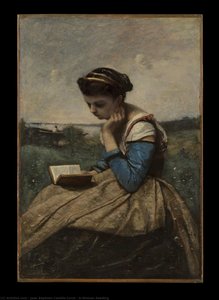
- Unterbrochenes Lesen (Lecture Interrompue) (Realismus, Öl, ca. 1850er Jahre), ein ergreifendes Beispiel für Corots Fähigkeit, den Alltag mit Tiefe und Emotion darzustellen.
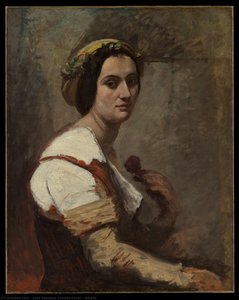
- Agostina (Realismus, Öl, ca. 1860er Jahre), ein beeindruckendes Porträt, das Corots Geschicklichkeit in der Darstellung des Wesens seiner Motive veranschaulicht.
Einflüsse und Entwicklung
Corots künstlerische Entwicklung wurde von verschiedenen Einflüssen geprägt. Er studierte zunächst bei den neoklassizistischen Malern Jacques-Louis David und Jean-Antoine Houdon, was seine frühen Werke beeinflusste. Später fand er Inspiration in der Landschaftsmalerei des 17. Jahrhunderts, insbesondere bei Meistern wie Claude Lorrain und Nicolas Poussin. Corot entwickelte jedoch seinen eigenen Stil, indem er die klassische Komposition mit den direkten Beobachtungen der Natur im Freien verband. Er gilt als Brücke zwischen dem Klassizismus und dem Impressionismus. Seine Plein-Air-Malerei war revolutionär für seine Zeit und ebnete den Weg für zukünftige Generationen von Künstlern, darunter die Impressionisten.Vermächtnis und Bedeutung
Corots umfangreicher Output hatte einen nachhaltigen Einfluss auf die Entwicklung der Landschaftsmalerei. Sein innovativer Ansatz, traditionelle Techniken mit plein-air Innovationen zu verbinden, ebnete den Weg für zukünftige Generationen von Künstlern. Obwohl er zu Lebzeiten nicht immer Anerkennung fand, wurde Corot nach seinem Tod als einer der wichtigsten französischen Maler des 19. Jahrhunderts anerkannt. Seine Werke werden heute in bedeutenden Museen auf der ganzen Welt ausgestellt und seine Bedeutung für die Kunstgeschichte ist unbestreitbar. Entdecken Sie mehr über Jean-Baptiste-Camille Corots Gemälde auf ArtsDot.com: https://ArtsDot.com/@/jean-baptiste-camille-corot Erfahren Sie mehr über das Musée Courbet auf Wikipedia: https://en.wikipedia.org/wiki/mus%c3%a9e_courbet_(ornans,_france)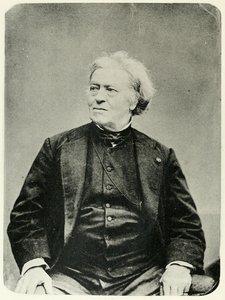
Jean-Baptiste-Camille Corot
1796 - 1875 , Frankreich
Kurzinfos
- Beeinflusste Künstler: ['Gustave Courbet']
- Bemerkenswerte Werke:
- Die Ruhe
- Unterbrochenes Lesen
- Agostina
- Geburtsdatum: 16. Juli 1796
- Geburtsort: Paris, Frankreich
- Künstlerische Richtung: Neoklassizismus, Pleinair
- Nationalität: Französisch
- Sterbedatum: 1875
- Vollständiger Name: Jean-Baptiste-Camille Corot
- Von Künstlern Beeinflusst: ['Keine Angaben']
Ähnliche Artikel
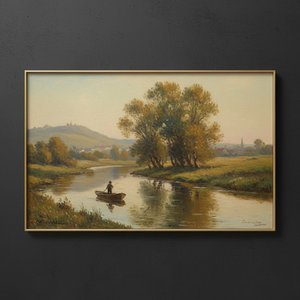
Jean-Baptiste-Camille Corot: Poetische Realität und der Übergang zum Impressionismus
Entdecken Sie das Werk von Camille Corot und die Schule von Barbizon! Erfahren Sie mehr über den Übergang zum Impressionismus, seine poetische Realität und seinen Einfluss auf die Kunstgeschichte. Expertenwissen & detaillierte Analysen.
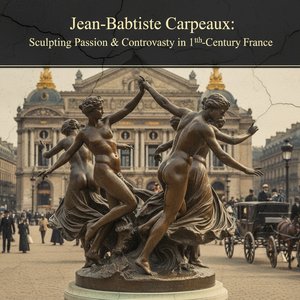
Jean-Baptiste Carpeaux: Sculpting Passion & Controversy in 19th-Century France
Explore the passionate life & controversial works of Jean-Baptiste Carpeaux, a leading French sculptor of the Second Empire. Discover his realism, iconic sculptures like 'Ugolino,' and lasting legacy as a precursor to Rodin.

Meisterwerke des 19. Jahrhunderts: Kunst für Ihr Zuhause | ArtsDot
Entdecken Sie die 10 bedeutendsten Kunstwerke des 19. Jahrhunderts! Von Impressionismus bis Realismus – erleben Sie die Geschichten berühmter Maler und ihre Meisterwerke. Hochwertige Reproduktionen für Ihr Zuhause auf ArtsDot.com.
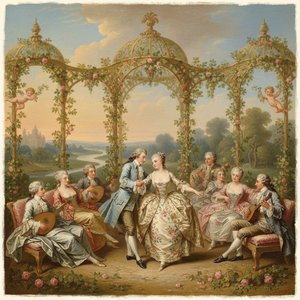
Jean-Baptiste Pater: Rococo Charm & Ephemeral Beauty of 18th-Century France
Explore the captivating world of Jean-Baptiste Pater, a master of Rococo painting. Discover his elegant *fête galante* scenes and shimmering portraits – a glimpse into 18th-century French aristocracy. Learn about his legacy & find high-quality reproductions.

The Enduring Legacy of Oil on Canvas: Technique, History & Aesthetic Impact
Explore the rich history & techniques of oil painting – from Renaissance masters to Impressionism. Discover pigments, layering methods, and why this timeless medium endures. Expert insights for artists & art enthusiasts.