 Vorschau anzeigen
 Versenden
 Teilen
 Details anzeigen

 Herunterladen
 Ähnliche Objekte
 Röntgenaufnahme
 Diashow
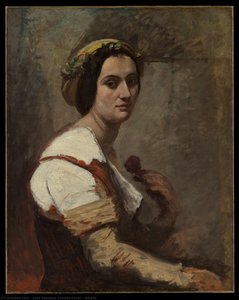
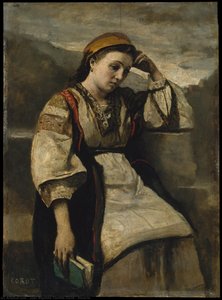
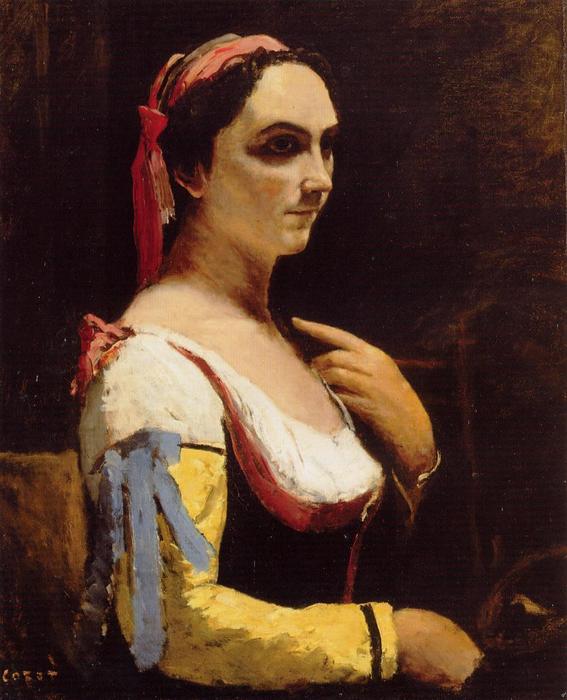
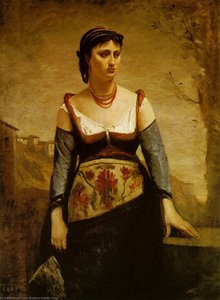
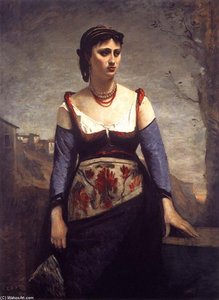
Italian Woman with a Yellow


 Weiterlesen
Handgefertigte Ölreproduktion
Handgemaltes Ölgemälde auf Leinwand in Ihrer Wunschgröße und mit Rahmen, auf Bestellung von unseren Künstlern angefertigt. ( Druck bestellen Bild kaufen)




P118B $10

P118H $10

P118W $10

P438Z $10

P508JH $12

P508YH $12

P805H $10

P805Z $10

P919BZ $10

P919G $10

P919XJ $10

P959ZH $10

P968JZ $12

W106C $8

W218G $10

W218JH $8

W218Y $10

W307PJ $10

W316G $10

W316PJ $8

W316Y $10

W398PJ $8

W4111J $10

W500HY $15

W500JH $15

W692G $12

W849H $8

W940BG $15

W953PJ $8




Wählen Sie aus unseren vordefinierten Formaten, die den ursprünglichen Proportionen des Kunstwerks entsprechen.

Sie können Ihre eigenen Maße eingeben, um einen bestimmten Rahmen oder Platz auszufüllen. Wenn die gewählte Größe nicht den Proportionen des Originalbildes entspricht, werden wir das Kunstwerk entweder beschneiden oder das Gemälde durch zusätzliche, handgemalte Elemente erweitern. Ein digitales Mockup wird Ihnen zur Genehmigung zugesandt, bevor die Produktion beginnt.
Bitte beachten Sie, dass die Bildschirmvorschau nicht die tatsächliche Beschneidung oder Erweiterung widerspiegelt. Nur das Mockup zeigt die endgültige Komposition exakt an.
Obwohl Sondermaße verfügbar sind, empfehlen wir, eine Größe aus der vordefinierten Liste zu wählen, um die ursprünglichen Proportionen beizubehalten.
Nach der Bestellung wird das ArtsDot.com-Team dem Kunden Anweisungen per E-Mail zusenden und eine Mockup-Vorschau bereitstellen.
Weltweiter Versand () in nur 3 bis 4 Wochen statt der üblichen 5 Wochen. (30 August). Keine Kompromisse bei der Qualität.

Kostenloser weltweiter Expressversand

Hochwertige Leinenleinwand

Umfassender Versicherungsschutz beim Versand

Zollgebühren-Rückerstattungsgarantie

Garantie für exakte Farbtreue

60 Tage Rückgaberecht (nur bei Mängeln)

100% Geld-zurück-Garantie

Mengenrabatt verfügbar
 Die Glasoption ist nur für Größen unter 110 cm verfügbar.

Italian Woman with a Yellow
Art der Reproduktion
Format der Reproduktion
-


Gesamtpreis
$ 263
A Portrait of Quiet Contemplation: Exploring Jean Baptiste Camille Corot’s Italian Woman with a Yellow
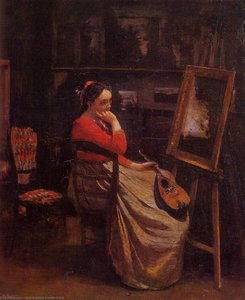
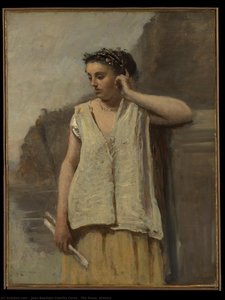
The painting “Italian Woman with a Yellow,” executed by Jean Baptiste Camille Corot in 1870, stands as an exemplar of Impressionist landscape art—a genre that sought to transcend mere representation and delve into the realm of emotion. More than just depicting a woman seated before a chair, Corot’s masterpiece invites viewers into a meditative space where light, color, and subtle gesture converge to convey profound psychological depth. This essay aims to illuminate the artistic intricacies of this iconic work, examining its stylistic choices, technical execution, historical significance, and enduring emotional resonance.Stylistic Considerations: Embracing Softness and Atmosphere
Corot’s approach to painting distinguished him from his contemporaries who favored sharper lines and brighter palettes. Instead, he championed a style characterized by velvety brushstrokes—a technique that prioritized capturing the diffused glow of sunlight filtering through foliage—creating an atmosphere of serene tranquility. The muted hues of yellow, blue, and brown dominate the canvas, eschewing dramatic contrasts in favor of harmonious blends that mimic the natural world. This deliberate restraint is not merely aesthetic; it reflects Corot’s belief that true beauty resides in capturing fleeting moments of perception rather than imposing a preconceived notion of reality onto the scene. The woman herself embodies this ethos—her posture conveys stillness and introspection, mirroring the artist's own desire to portray inner experience as vividly as outer appearances.Technical Mastery: Layered Brushstrokes and Atmospheric Perspective
Corot’s technical prowess is evident in his masterful layering of brushstrokes—a technique that builds up tonal values gradually, simulating the way light sculpts surfaces within a landscape. He meticulously renders the textures of the chair and the woman's dress with delicate precision, yet avoids excessive detail, prioritizing instead the overall impression of depth and volume. Crucially, Corot employs atmospheric perspective—a compositional device that diminishes color intensity and softens contours as objects recede into the distance—further enhancing the painting’s sense of space and realism. This subtle manipulation of visual cues contributes significantly to the artwork's emotional impact, transporting viewers to a tranquil interior setting bathed in soft light.Historical Context: The Rise of Impressionism and Corot’s Legacy
“Italian Woman with a Yellow” emerged during the formative years of Impressionism—a movement that challenged academic conventions and championed subjective experience as paramount. Artists like Monet and Renoir were experimenting with plein air painting—working outdoors directly before their subjects—capturing the immediacy of sensory perception. Corot, though not formally affiliated with Impressionism, shared its spirit of innovation and embraced a similar commitment to portraying naturalistic effects. His influence extended far beyond his own lifetime, inspiring subsequent generations of painters who sought to emulate his distinctive style and vision. The painting’s enduring popularity testifies to the power of Corot's ability to distill complex emotions into deceptively simple visual forms—a testament to the timeless beauty of Impressionist landscape art.Symbolism and Emotional Resonance: A Window Into Inner Reflection
Beyond its formal qualities, “Italian Woman with a Yellow” possesses symbolic significance that speaks to themes of contemplation, femininity, and solitude. The woman’s gaze directs towards the viewer, fostering a sense of connection—yet simultaneously conveying an aura of detachment. Her yellow dress symbolizes warmth and optimism, juxtaposed against the cool blues of the background—creating a visual dialogue that underscores the complexities of human emotion. Ultimately, Corot's painting invites viewers to engage in their own introspective journey—to consider questions of identity, experience, and perception. It remains a poignant reminder that true artistic achievement lies not merely in replicating reality but in capturing its essence—its emotional core—with sensitivity and grace.Conclusion: An Enduring Masterpiece
“Italian Woman with a Yellow” continues to captivate audiences today precisely because it transcends temporal boundaries—offering an unparalleled glimpse into the artist’s inner world and embodying the enduring values of Impressionist art. Its soft brushstrokes, atmospheric perspective, and subtle symbolism resonate deeply with viewers seeking inspiration or contemplating the beauty of quiet contemplation. As a testament to Corot's artistic genius, this painting stands as a cornerstone of landscape painting history—a timeless masterpiece that invites us to savor the transformative power of light and color.Ähnliche Kunstwerke
Über den Künstler
Frühe Jahre und Ausbildung
Jean-Baptiste-Camille Corot, ein renommierter französischer Landschafts- und Porträtmaler, wurde am 16. Juli 1796 in Paris geboren. Seine Familie, die zum Bürgertum gehörte, bot ihm eine Umgebung, die seine künstlerischen Neigungen förderte. Anfänglich lagen Corots Interessen woanders, doch er entdeckte um 1821 seine Leidenschaft für das Malen. Dies markierte den Beginn seiner produktiven Karriere, die später die Entwicklung des Impressionismus beeinflussen sollte.Künstlerische Laufbahn und bedeutende Werke
Corots künstlerischer Weg ist geprägt von einer Mischung aus neoklassischer Tradition und plein-air Innovationen. Er kombinierte sorgfältige Kompositionen mit der direkten Beobachtung der Natur im Freien, was zu einer einzigartigen Atmosphäre in seinen Werken führte. Zu seinen bemerkenswertesten Arbeiten zählen:- Die Ruhe (La Repose) (Öl auf Leinwand, ca. 1860er Jahre), ein fesselndes Werk, das Corots Meisterschaft in der Darstellung von Gelassenheit zeigt.
- Unterbrochenes Lesen (Lecture Interrompue) (Realismus, Öl, ca. 1850er Jahre), ein ergreifendes Beispiel für Corots Fähigkeit, den Alltag mit Tiefe und Emotion darzustellen.
- Agostina (Realismus, Öl, ca. 1860er Jahre), ein beeindruckendes Porträt, das Corots Geschicklichkeit in der Darstellung des Wesens seiner Motive veranschaulicht.
Einflüsse und Entwicklung
Corots künstlerische Entwicklung wurde von verschiedenen Einflüssen geprägt. Er studierte zunächst bei den neoklassizistischen Malern Jacques-Louis David und Jean-Antoine Houdon, was seine frühen Werke beeinflusste. Später fand er Inspiration in der Landschaftsmalerei des 17. Jahrhunderts, insbesondere bei Meistern wie Claude Lorrain und Nicolas Poussin. Corot entwickelte jedoch seinen eigenen Stil, indem er die klassische Komposition mit den direkten Beobachtungen der Natur im Freien verband. Er gilt als Brücke zwischen dem Klassizismus und dem Impressionismus. Seine Plein-Air-Malerei war revolutionär für seine Zeit und ebnete den Weg für zukünftige Generationen von Künstlern, darunter die Impressionisten.Vermächtnis und Bedeutung
Corots umfangreicher Output hatte einen nachhaltigen Einfluss auf die Entwicklung der Landschaftsmalerei. Sein innovativer Ansatz, traditionelle Techniken mit plein-air Innovationen zu verbinden, ebnete den Weg für zukünftige Generationen von Künstlern. Obwohl er zu Lebzeiten nicht immer Anerkennung fand, wurde Corot nach seinem Tod als einer der wichtigsten französischen Maler des 19. Jahrhunderts anerkannt. Seine Werke werden heute in bedeutenden Museen auf der ganzen Welt ausgestellt und seine Bedeutung für die Kunstgeschichte ist unbestreitbar. Entdecken Sie mehr über Jean-Baptiste-Camille Corots Gemälde auf ArtsDot.com: https://ArtsDot.com/@/jean-baptiste-camille-corot Erfahren Sie mehr über das Musée Courbet auf Wikipedia: https://en.wikipedia.org/wiki/mus%c3%a9e_courbet_(ornans,_france)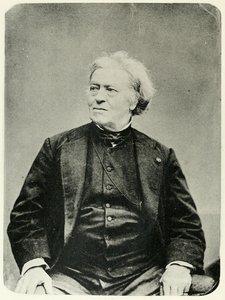
Jean-Baptiste-Camille Corot
1796 - 1875 , Frankreich
Kurzinfos
- Beeinflusste Künstler: ['Gustave Courbet']
- Bemerkenswerte Werke:
- Die Ruhe
- Unterbrochenes Lesen
- Agostina
- Geburtsdatum: 16. Juli 1796
- Geburtsort: Paris, Frankreich
- Künstlerische Richtung: Neoklassizismus, Pleinair
- Nationalität: Französisch
- Sterbedatum: 1875
- Vollständiger Name: Jean-Baptiste-Camille Corot
- Von Künstlern Beeinflusst: ['Keine Angaben']
Ähnliche Artikel

Paul Cézanne: Die 25 Meisterwerke des Impressionismus | ArtsDot
Entdecken Sie die 25 Meisterwerke von Paul Cézanne! Tauchen Sie ein in die Welt des Impressionismus und Postimpressionismus. Erfahren Sie mehr über seine Stillleben, Landschaften & berühmten Gemälde – jetzt hochwertige Kunstdrucke auf ArtsDot.com.
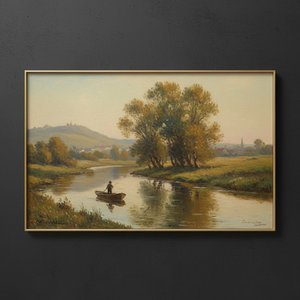
Jean-Baptiste-Camille Corot: Poetische Realität und der Übergang zum Impressionismus
Entdecken Sie das Werk von Camille Corot und die Schule von Barbizon! Erfahren Sie mehr über den Übergang zum Impressionismus, seine poetische Realität und seinen Einfluss auf die Kunstgeschichte. Expertenwissen & detaillierte Analysen.

Evocations of Place: A Historical Journey Through Landscape Art
Explore the rich history of landscape art with ArtsDot. Discover renowned artists, movements like Impressionism & Romanticism, and expert guidance for collecting timeless pieces. Find your perfect serene escape today!

Impressionistische Landschaften: Die 10 Meisterwerke, die eine Epoche prägten | ArtsDot
Entdecken Sie die 10 Meisterwerke des Impressionismus! Von Monet bis Renoir – erleben Sie die Geschichte, Technik und zeitlose Schönheit ikonischer Landschaftsbilder. Hochwertige Kunstdrucke auf ArtsDot.com. Jetzt entdecken!

Evocations of Place: A Historical Journey Through Landscape Art
Explore the rich history of landscape art with ArtsDot. Discover renowned artists, movements like Impressionism & tonalism, and expert guidance for collecting timeless pieces. Find your perfect serene escape today!