 Vorschau anzeigen
 Versenden
 Teilen
 Details anzeigen

 Herunterladen
 Ähnliche Objekte
 Röntgenaufnahme
 Diashow
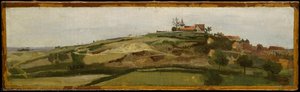
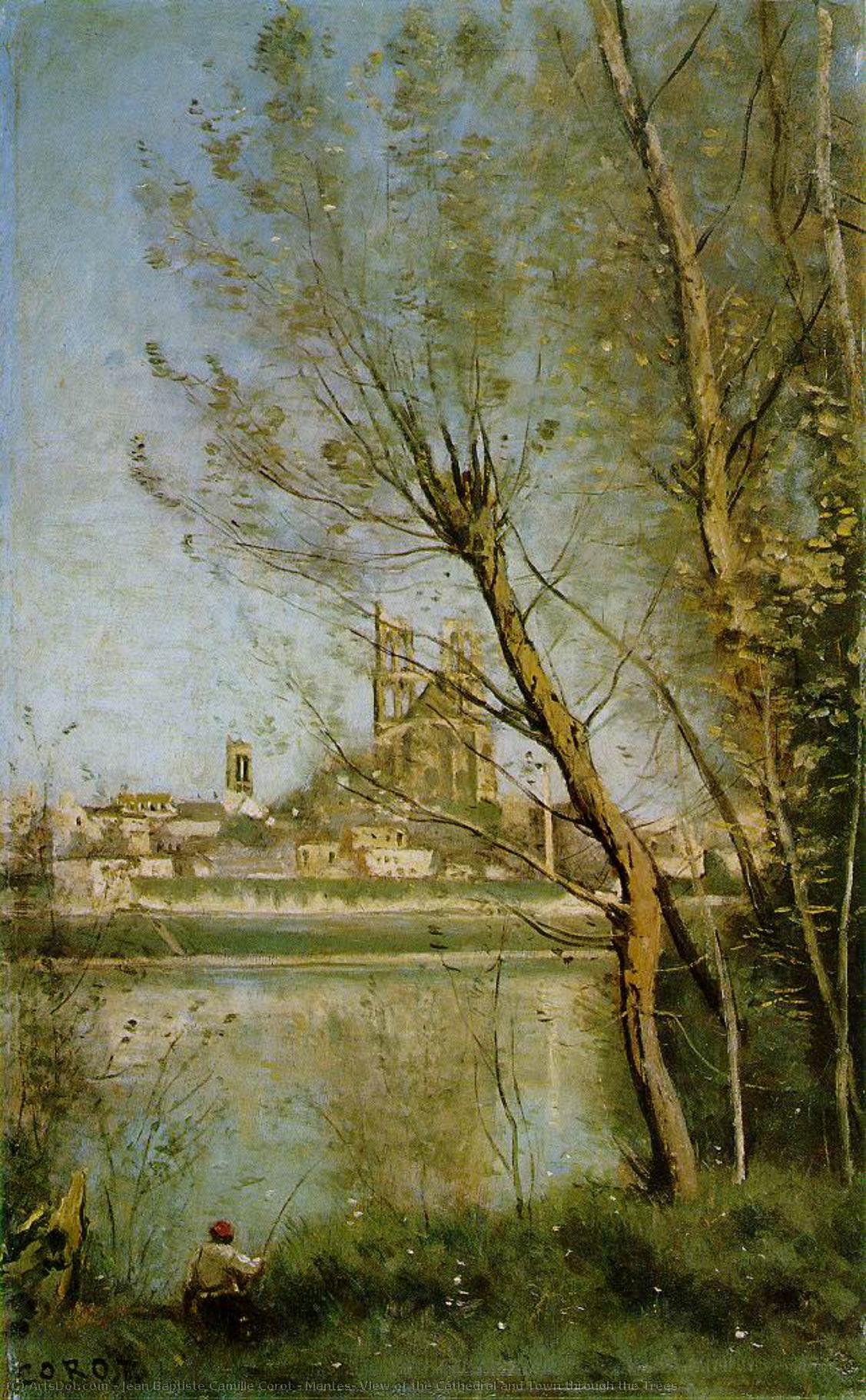
Mantes, View of the Cathedral and Town through the Trees
 Oil On Canvas
- WallArt
- Impressionism
 1869
1869 52.0 x 33.0 cm
 Musée des Beaux-Arts de Reims
 Weiterlesen
Handgefertigte Ölreproduktion
Handgemaltes Ölgemälde auf Leinwand in Ihrer Wunschgröße und mit Rahmen, auf Bestellung von unseren Künstlern angefertigt. ( Druck bestellen Bild kaufen)




P118B $10

P118H $10

P118W $10

P438Z $10

P508JH $12

P508YH $12

P805H $10

P805Z $10

P919BZ $10

P919G $10

P919XJ $10

P959ZH $10

P968JZ $12

W106C $8

W218G $10

W218JH $8

W218Y $10

W307PJ $10

W316G $10

W316PJ $8

W316Y $10

W398PJ $8

W4111J $10

W500HY $15

W500JH $15

W692G $12

W849H $8

W940BG $15

W953PJ $8




Wählen Sie aus unseren vordefinierten Formaten, die den ursprünglichen Proportionen des Kunstwerks entsprechen.

Sie können Ihre eigenen Maße eingeben, um einen bestimmten Rahmen oder Platz auszufüllen. Wenn die gewählte Größe nicht den Proportionen des Originalbildes entspricht, werden wir das Kunstwerk entweder beschneiden oder das Gemälde durch zusätzliche, handgemalte Elemente erweitern. Ein digitales Mockup wird Ihnen zur Genehmigung zugesandt, bevor die Produktion beginnt.
Bitte beachten Sie, dass die Bildschirmvorschau nicht die tatsächliche Beschneidung oder Erweiterung widerspiegelt. Nur das Mockup zeigt die endgültige Komposition exakt an.
Obwohl Sondermaße verfügbar sind, empfehlen wir, eine Größe aus der vordefinierten Liste zu wählen, um die ursprünglichen Proportionen beizubehalten.
Nach der Bestellung wird das ArtsDot.com-Team dem Kunden Anweisungen per E-Mail zusenden und eine Mockup-Vorschau bereitstellen.
Weltweiter Versand () in nur 3 bis 4 Wochen statt der üblichen 5 Wochen. (3 September). Keine Kompromisse bei der Qualität.

Kostenloser weltweiter Expressversand

Hochwertige Leinenleinwand

Umfassender Versicherungsschutz beim Versand

Zollgebühren-Rückerstattungsgarantie

Garantie für exakte Farbtreue

60 Tage Rückgaberecht (nur bei Mängeln)

100% Geld-zurück-Garantie

Mengenrabatt verfügbar
 Die Glasoption ist nur für Größen unter 110 cm verfügbar.

Mantes, View of the Cathedral and Town through the Trees
Art der Reproduktion
Format der Reproduktion
-


Gesamtpreis
$ 263
Jean-Baptiste-Camille Corot’s “Mantes, View of the Cathedral and Town through the Trees” – A Symphony of Light and Memory
Jean-Baptiste-Camille Corot's "Mantes, View of the Cathedral and Town through the Trees," painted in 1869, isn’t merely a landscape; it’s an immersion into a specific moment, a carefully constructed memory rendered with the delicate brushstrokes characteristic of his mature style. This evocative scene, depicting the town of Mantes nestled within a verdant embrace, speaks to a profound connection between humanity and nature – a theme that resonated deeply throughout Corot's prolific career. The painting captures not just a visual representation but also an atmosphere, a feeling of quiet contemplation and the subtle shifts in light that define the French countryside.
The Impressionistic Palette and Technique
Corot’s approach to landscape painting was revolutionary for his time. He eschewed the rigid academic traditions of precise detail and idealized forms, instead prioritizing capturing the fleeting effects of light and atmosphere. “Mantes” exemplifies this perfectly. Notice the loose, broken brushstrokes—not blended or smoothed, but deliberately applied to create a textured surface that seems to shimmer with reflected light. The colors are muted – predominantly greens, browns, and blues – creating a sense of atmospheric depth and distance. He employed an *alla prima* technique, working directly onto the canvas without extensive underpainting, allowing for spontaneity and immediacy in his rendering. This method is particularly evident in the dappled sunlight filtering through the trees, which isn’t depicted as a single, defined beam but rather as a series of overlapping washes of color, suggesting movement and vibration.
- Impasto: Corot's use of thick impasto—particularly noticeable in the foliage and along the riverbank—adds a tactile quality to the painting, inviting the viewer to almost feel the texture of the bark and the dampness of the earth.
- Color Theory: The subtle shifts in hue and tone create a remarkable sense of depth and perspective. Corot masterfully utilizes complementary colors – blues and oranges – to enhance the vibrancy of the scene.
- Light as Subject: Rather than focusing on specific objects, Corot prioritizes capturing the *quality* of light—its intensity, direction, and how it interacts with the landscape.
A Town Steeped in History and Symbolism
The subject itself – Mantes-la-Jolie – holds a rich historical significance. Situated halfway between Paris and Rouen, it was a strategically important town throughout French history, witnessing numerous battles and shifting allegiances. The painting prominently features the local cathedral, a venerable structure that has stood for centuries, representing faith, tradition, and the enduring spirit of the community. Corot’s choice to include this historical landmark within a natural setting speaks to his interest in the relationship between human civilization and the environment – a recurring motif in his work. The presence of the river, meandering through the landscape, symbolizes fluidity, change, and the passage of time.
Emotional Resonance and the Artist’s Vision
“Mantes” is not simply a depiction of a town and its surroundings; it's an evocation of a mood—a sense of tranquility, nostalgia, and perhaps even melancholy. Corot was deeply moved by the beauty of the French countryside, and his paintings often convey a feeling of quiet contemplation and connection to nature. The slightly hazy atmosphere, the muted colors, and the loose brushstrokes all contribute to this emotional effect. It’s as if Corot is inviting us to step into his world—to pause for a moment, breathe in the fresh air, and appreciate the simple beauty of the natural world. This painting serves as a poignant reminder of the power of art to capture not just what we see, but also how we *feel* about what we see.
Consider commissioning a high-quality reproduction of “Mantes” to bring this timeless masterpiece into your home or office – a testament to Corot’s enduring legacy and his profound understanding of the beauty of light and landscape.
Ähnliche Kunstwerke
Über den Künstler
Frühe Jahre und Ausbildung
Jean-Baptiste-Camille Corot, ein renommierter französischer Landschafts- und Porträtmaler, wurde am 16. Juli 1796 in Paris geboren. Seine Familie, die zum Bürgertum gehörte, bot ihm eine Umgebung, die seine künstlerischen Neigungen förderte. Anfänglich lagen Corots Interessen woanders, doch er entdeckte um 1821 seine Leidenschaft für das Malen. Dies markierte den Beginn seiner produktiven Karriere, die später die Entwicklung des Impressionismus beeinflussen sollte.Künstlerische Laufbahn und bedeutende Werke
Corots künstlerischer Weg ist geprägt von einer Mischung aus neoklassischer Tradition und plein-air Innovationen. Er kombinierte sorgfältige Kompositionen mit der direkten Beobachtung der Natur im Freien, was zu einer einzigartigen Atmosphäre in seinen Werken führte. Zu seinen bemerkenswertesten Arbeiten zählen:- Die Ruhe (La Repose) (Öl auf Leinwand, ca. 1860er Jahre), ein fesselndes Werk, das Corots Meisterschaft in der Darstellung von Gelassenheit zeigt.
- Unterbrochenes Lesen (Lecture Interrompue) (Realismus, Öl, ca. 1850er Jahre), ein ergreifendes Beispiel für Corots Fähigkeit, den Alltag mit Tiefe und Emotion darzustellen.
- Agostina (Realismus, Öl, ca. 1860er Jahre), ein beeindruckendes Porträt, das Corots Geschicklichkeit in der Darstellung des Wesens seiner Motive veranschaulicht.
Einflüsse und Entwicklung
Corots künstlerische Entwicklung wurde von verschiedenen Einflüssen geprägt. Er studierte zunächst bei den neoklassizistischen Malern Jacques-Louis David und Jean-Antoine Houdon, was seine frühen Werke beeinflusste. Später fand er Inspiration in der Landschaftsmalerei des 17. Jahrhunderts, insbesondere bei Meistern wie Claude Lorrain und Nicolas Poussin. Corot entwickelte jedoch seinen eigenen Stil, indem er die klassische Komposition mit den direkten Beobachtungen der Natur im Freien verband. Er gilt als Brücke zwischen dem Klassizismus und dem Impressionismus. Seine Plein-Air-Malerei war revolutionär für seine Zeit und ebnete den Weg für zukünftige Generationen von Künstlern, darunter die Impressionisten.Vermächtnis und Bedeutung
Corots umfangreicher Output hatte einen nachhaltigen Einfluss auf die Entwicklung der Landschaftsmalerei. Sein innovativer Ansatz, traditionelle Techniken mit plein-air Innovationen zu verbinden, ebnete den Weg für zukünftige Generationen von Künstlern. Obwohl er zu Lebzeiten nicht immer Anerkennung fand, wurde Corot nach seinem Tod als einer der wichtigsten französischen Maler des 19. Jahrhunderts anerkannt. Seine Werke werden heute in bedeutenden Museen auf der ganzen Welt ausgestellt und seine Bedeutung für die Kunstgeschichte ist unbestreitbar. Entdecken Sie mehr über Jean-Baptiste-Camille Corots Gemälde auf ArtsDot.com: https://ArtsDot.com/@/jean-baptiste-camille-corot Erfahren Sie mehr über das Musée Courbet auf Wikipedia: https://en.wikipedia.org/wiki/mus%c3%a9e_courbet_(ornans,_france)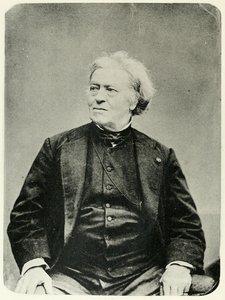
Jean-Baptiste-Camille Corot
1796 - 1875 , Frankreich
Kurzinfos
- Beeinflusste Künstler: ['Gustave Courbet']
- Bemerkenswerte Werke:
- Die Ruhe
- Unterbrochenes Lesen
- Agostina
- Geburtsdatum: 16. Juli 1796
- Geburtsort: Paris, Frankreich
- Künstlerische Richtung: Neoklassizismus, Pleinair
- Nationalität: Französisch
- Sterbedatum: 1875
- Vollständiger Name: Jean-Baptiste-Camille Corot
- Von Künstlern Beeinflusst: ['Keine Angaben']
Ähnliche Artikel

John Constable: Die 25 Meisterwerke des englischen Landschaftsgenies – ArtsDot
Entdecken Sie die 25 Meisterwerke von John Constable! Erleben Sie englische Landschaftsmalerei vom Hay Wain bis zur Stour Valley. Hochwertige Reproduktionen & Kunst für Ihr Zuhause auf ArtsDot.com.

Impressionistische Landschaften: Die 10 Meisterwerke, die eine Kunstrichtung prägten | ArtsDot
Entdecken Sie die 10 Meisterwerke des Impressionismus! Von Monet bis Van Gogh – erleben Sie die Geschichten hinter berühmten Landschaftsbildern. Hochwertige Kunst Reproduktionen für Ihr Zuhause auf ArtsDot.com.
Impressionistische Landschaften: Die 10 Meisterwerke, die eine Epoche prägten | ArtsDot
Entdecken Sie die 10 Meisterwerke des Impressionismus! Von Monet bis Renoir – erleben Sie die Geschichte, Technik und zeitlose Schönheit ikonischer Landschaftsbilder. Hochwertige Kunstdrucke auf ArtsDot.com. Jetzt entdecken!

Cultivating Visions: A Historical Journey Through Rural Landscapes in Art
Explore the rich history of rural landscape painting with ArtsDot. Discover Impressionist masterpieces, key artists & movements. Find your perfect serene artwork and bring nature's beauty home.

Evocations of Place: A Historical Journey Through Landscape Art
Explore the rich history of landscape art with ArtsDot. Discover renowned artists, movements like Impressionism & Romanticism, and expert guidance for collecting timeless pieces. Find your perfect serene escape today!