

 Vorschau anzeigen
 Versenden
 Teilen
 Details anzeigen

 Herunterladen
 Ähnliche Objekte
 Röntgenaufnahme
 Diashow
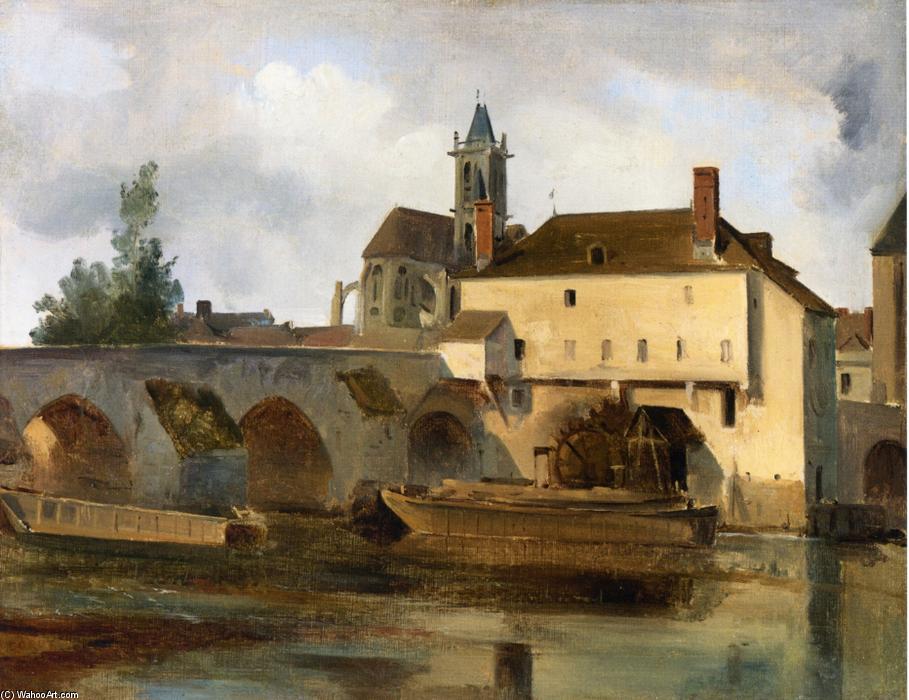
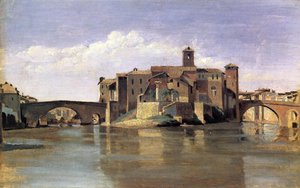
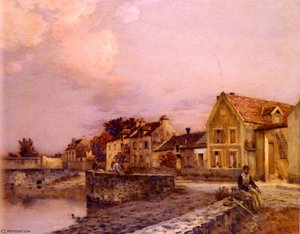
Moret sur Loing, the Bridge and the Church


 Weiterlesen
Erwerben Sie ein hochauflösendes, optimiertes digitales Bild, das der Online-Vorschau weit überlegen ist.
Jede Datei wird von unseren hauseigenen Spezialisten mit modernsten Werkzeugen und fachmännischer manueller Retusche sorgfältig vorbereitet. Wir stellen sicher, dass jedes Bild eine außergewöhnliche Klarheit, präzise Farbgenauigkeit und feinste Details aufweist.
Die endgültige Datei wird innerhalb von 72 Stunden per E-Mail zugestellt und ist für den sofortigen Einsatz in professionellen, redaktionellen und Druckumgebungen optimiert. Es handelt sich um dieselbe Qualität, der führende Designstudios, Verlage und Galerien vertrauen.
Digitales Bild
Laden Sie eine hochauflösende Datei für die persönliche Präsentation, den Druck und kreative Projekte herunter. ( Druck bestellen Handgemalte Reproduktion bestellen)
In jeder Bestellung digitaler Bilder enthalten
Professionelle digitale Bereitstellung, garantiert
Wenn Sie sich für ArtsDot.com entscheiden, erhalten Sie nicht nur ein Bild – Sie erhalten ein professionell aufbereitetes digitales Kunstwerk, das mit höchster Präzision erstellt und durch eine Zufriedenheitsgarantie abgesichert wird. Hier ist alles, was automatisch mit Ihrer Bestellung geliefert wird:

Schnelle E-Mail-Zustellung
Ihre hochauflösende digitale Bilddatei wird Ihnen innerhalb von 72 Stunden nach der Bestellung per E-Mail zugestellt – bereit zur sofortigen Verwendung.

KI-optimierte digitale Datei
Ihre Kunstwerke werden professionell mithilfe fortschrittlicher KI-Tools und manueller Bearbeitung optimiert, um maximale Detailtreue, Klarheit und Farbgenauigkeit zu gewährleisten.

Lebenslanger kostenloser Neudruckservice
Datei versehentlich gelöscht oder verloren? Keine Sorge – wir senden sie Ihnen jederzeit kostenlos erneut zu.

Keine Einfuhrgebühren – jemals
Genießen Sie Ihr Kunstwerk sofort ohne Zollgebühren, Einfuhrabgaben oder Versandkosten – digitale Downloads sind immer steuerfrei.

Garantierte Farbtreue
Wir garantieren, dass Ihr digitales Bild mithilfe professioneller Werkzeuge und Farbmanagement die Originalfarben so präzise wie möglich wiedergibt.

60-Tage-Zufriedenheitsgarantie
Sollten Sie mit Ihrem digitalen Bild nicht zufrieden sein, werden wir es überarbeiten oder Ihnen innerhalb von 60 Tagen 100% erstatten – ohne Wenn und Aber.

100% Geld-zurück-Garantie
Nicht zufrieden? Erhalten Sie innerhalb von 60 Tagen nach Erhalt Ihrer digitalen Datei eine vollständige Rückerstattung – ohne Angabe von Gründen.

Rabatte bei Großbestellungen
3 Bilder kaufen, 10% sparen – 5 Bilder kaufen, 15% sparen – Ab 10 Bildern 20% sparen. Ideal für kreative Projekte, Galerien und Agenturen.
The Little Valley
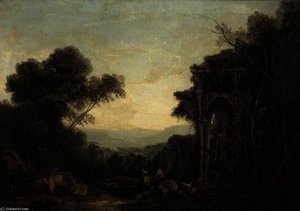
Jean-Baptiste Camille Corot’s “Moret sur Loing,” painted in 1822, stands as an emblem of the Barbizon School's aesthetic—a movement that championed direct observation of nature and eschewed academic conventions. This serene landscape captures the essence of Moret-sur-Loing, nestled along the confluence of the Seine and Loing rivers, offering a glimpse into rural French life during Corot’s formative years.- Subject Matter: The painting depicts a picturesque valley bathed in soft sunlight, dominated by rolling hills covered in lush vegetation—primarily grasses and shrubs—creating an idyllic pastoral scene.
- Style & Technique: Corot employed his signature technique of “plein air” painting, applying thin layers of oil paint with delicate brushstrokes to achieve remarkable tonal gradations and atmospheric perspective. The artist’s masterful handling of light is particularly noteworthy, conveying a palpable sense of tranquility and warmth.
- Historical Context: Painted during Corot's early career, “Moret sur Loing” reflects the Barbizon School’s rejection of idealized representations favored by Neoclassical artists. Instead, it embraced realism—albeit imbued with poetic sensibility—capturing the beauty of the natural world as perceived by artists who sought to reconnect with tradition and escape the constraints of Parisian artistic circles.
- Symbolism: The valley itself symbolizes harmony and simplicity—values central to Barbizon ideals. The gentle slopes, dappled sunlight, and vibrant greenery evoke feelings of peace, contemplation, and connection to the rhythms of nature.
- Subject Matter: The painting portrays a traditional windmill—a prominent feature of Montmartre’s agricultural heritage—standing proudly amidst undulating hillsides dotted with trees.
- Style & Technique: Unlike his earlier works, “A Windmill in Montmartre” demonstrates Corot's mastery of tonal modulation and atmospheric haze, achieved through meticulous blending and layering of oil paint. The artist skillfully captures the diffused light filtering through the clouds, creating a luminous effect that enhances the painting’s emotional impact.
- Historical Context: Painted during Corot’s mature artistic phase—a time marked by experimentation with color and technique—the windmill scene reflects the Barbizon School's fascination with capturing fleeting moments of beauty in rural landscapes.
- Emotional Impact: The painting evokes feelings of nostalgia for a bygone era—a reminder of France’s agricultural traditions and its connection to the natural world. Its serene composition invites viewers to immerse themselves in the contemplative atmosphere of Montmartre’s countryside.
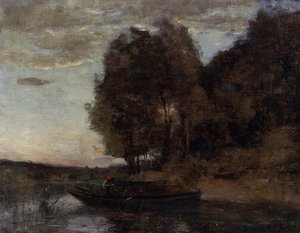
- Subject Matter: The painting portrays a sailboat gliding away from the riverbank—a common sight in Parisian harbors during Corot’s lifetime—accompanied by a woman and child seated on board.
- Style & Technique: “Le Batelier Quittant La Rive Avec Une Femme Et Un Enfant Assis Dans Sa Barque, Soleil Couchant 2” showcases Corot's refined technique of tonal blending and atmospheric perspective—achieved through meticulous layering of oil paint to create a luminous effect that captures the subtle nuances of twilight.
- Historical Context: Painted during Corot’s later years—a period marked by experimentation with color and texture—the seascape reflects the Barbizon School's fascination with portraying dramatic landscapes under changing conditions.
- Emotional Impact: The painting evokes feelings of wistfulness and contemplation—expressing the beauty of fleeting moments in nature and capturing the melancholic mood of sunset over the Seine.
- Subject Matter: The painting portrays fishermen diligently pursuing eels in a tranquil pond—reflecting Corot’s fascination with capturing the rhythms of rural life during his excursions abroad.
- Style & Technique: “The Eel Gatherers” demonstrates Corot's masterful handling of tonal modulation and atmospheric haze—achieved through subtle blending and layering of oil paint to convey a sense of serenity and realism.
- Historical Context: Painted during Corot’s mature artistic phase—a time marked by experimentation with color and technique—the eel gathering scene embodies the Barbizon School's commitment to portraying landscapes as perceived by artists who sought to reconnect with tradition and escape the constraints of Parisian artistic circles.
- Emotional Impact: The painting evokes feelings of peace and contentment—expressing the beauty of rural simplicity and capturing the tranquil atmosphere of a sunlit pond.
- Subject Matter: The painting portrays a young girl engrossed in reading—a symbol of intellectual curiosity and feminine grace—within the serene setting of her home.
- Style & Technique: “Young Girl Reading” showcases Corot’s masterful handling of tonal modulation and atmospheric perspective—achieved through subtle blending and layering of oil paint to convey a sense of realism and emotional depth.
- Historical Context: Painted during Corot’s later years—a time marked by experimentation with color and texture—the portrait reflects the Barbizon School's fascination with portraying human subjects in landscapes—capturing their inner lives alongside the beauty of the natural world.
- Emotional Impact: The painting evokes feelings of warmth, tenderness, and contemplation—expressing the serenity of domestic life and capturing the quiet beauty of a sunlit interior.
- Subject Matter: The painting portrays a single tree—a symbol of resilience and solitude—standing majestically amidst lush foliage—capturing the beauty of natural detail with meticulous precision.
- Style & Technique: “Study of a Tree” demonstrates Corot’s masterful handling of tonal modulation and atmospheric perspective—achieved through subtle blending and layering of oil paint to convey a sense of realism and emotional depth.
- Historical Context: Painted during Corot’s later years—a time marked by experimentation with color and texture—the tree study embodies the Barbizon School's commitment to portraying landscapes as perceived by artists who sought to reconnect with tradition and escape the constraints of Parisian artistic circles.
- Emotional Impact: The painting evokes feelings of peace, contemplation, and admiration for the grandeur of nature—expressing the serenity of rural solitude and capturing the beauty of natural detail.
- Subject Matter: The painting portrays a bridge crossing the Seine—a prominent feature of Mantes’ riverside landscape—illuminated by dappled sunlight
Ähnliche Kunstwerke

Biografie des Künstlers
Frühe Jahre und Ausbildung
Jean-Baptiste-Camille Corot, ein renommierter französischer Landschafts- und Porträtmaler, wurde am 16. Juli 1796 in Paris geboren. Seine Familie, die zum Bürgertum gehörte, bot ihm eine Umgebung, die seine künstlerischen Neigungen förderte. Anfänglich lagen Corots Interessen woanders, doch er entdeckte um 1821 seine Leidenschaft für das Malen. Dies markierte den Beginn seiner produktiven Karriere, die später die Entwicklung des Impressionismus beeinflussen sollte.Künstlerische Laufbahn und bedeutende Werke
Corots künstlerischer Weg ist geprägt von einer Mischung aus neoklassischer Tradition und plein-air Innovationen. Er kombinierte sorgfältige Kompositionen mit der direkten Beobachtung der Natur im Freien, was zu einer einzigartigen Atmosphäre in seinen Werken führte. Zu seinen bemerkenswertesten Arbeiten zählen:- Die Ruhe (La Repose) (Öl auf Leinwand, ca. 1860er Jahre), ein fesselndes Werk, das Corots Meisterschaft in der Darstellung von Gelassenheit zeigt.
- Unterbrochenes Lesen (Lecture Interrompue) (Realismus, Öl, ca. 1850er Jahre), ein ergreifendes Beispiel für Corots Fähigkeit, den Alltag mit Tiefe und Emotion darzustellen.
- Agostina (Realismus, Öl, ca. 1860er Jahre), ein beeindruckendes Porträt, das Corots Geschicklichkeit in der Darstellung des Wesens seiner Motive veranschaulicht.
Einflüsse und Entwicklung
Corots künstlerische Entwicklung wurde von verschiedenen Einflüssen geprägt. Er studierte zunächst bei den neoklassizistischen Malern Jacques-Louis David und Jean-Antoine Houdon, was seine frühen Werke beeinflusste. Später fand er Inspiration in der Landschaftsmalerei des 17. Jahrhunderts, insbesondere bei Meistern wie Claude Lorrain und Nicolas Poussin. Corot entwickelte jedoch seinen eigenen Stil, indem er die klassische Komposition mit den direkten Beobachtungen der Natur im Freien verband. Er gilt als Brücke zwischen dem Klassizismus und dem Impressionismus. Seine Plein-Air-Malerei war revolutionär für seine Zeit und ebnete den Weg für zukünftige Generationen von Künstlern, darunter die Impressionisten.Vermächtnis und Bedeutung
Corots umfangreicher Output hatte einen nachhaltigen Einfluss auf die Entwicklung der Landschaftsmalerei. Sein innovativer Ansatz, traditionelle Techniken mit plein-air Innovationen zu verbinden, ebnete den Weg für zukünftige Generationen von Künstlern. Obwohl er zu Lebzeiten nicht immer Anerkennung fand, wurde Corot nach seinem Tod als einer der wichtigsten französischen Maler des 19. Jahrhunderts anerkannt. Seine Werke werden heute in bedeutenden Museen auf der ganzen Welt ausgestellt und seine Bedeutung für die Kunstgeschichte ist unbestreitbar. Entdecken Sie mehr über Jean-Baptiste-Camille Corots Gemälde auf ArtsDot.com: https://ArtsDot.com/@/jean-baptiste-camille-corot Erfahren Sie mehr über das Musée Courbet auf Wikipedia: https://en.wikipedia.org/wiki/mus%c3%a9e_courbet_(ornans,_france)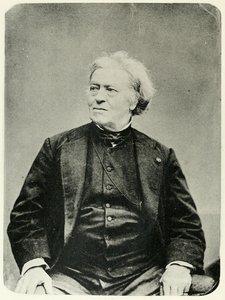
Jean-Baptiste-Camille Corot
1796 - 1875 , Frankreich
Kurzinfos
- Beeinflusste Künstler: ['Gustave Courbet']
- Bemerkenswerte Werke:
- Die Ruhe
- Unterbrochenes Lesen
- Agostina
- Geburtsdatum: 16. Juli 1796
- Geburtsort: Paris, Frankreich
- Künstlerische Richtung: Neoklassizismus, Pleinair
- Nationalität: Französisch
- Sterbedatum: 1875
- Vollständiger Name: Jean-Baptiste-Camille Corot
- Von Künstlern Beeinflusst: ['Keine Angaben']

