 Vorschau anzeigen
 Versenden
 Teilen
 Details anzeigen

 Herunterladen
 Ähnliche Objekte
 Röntgenaufnahme
 Diashow
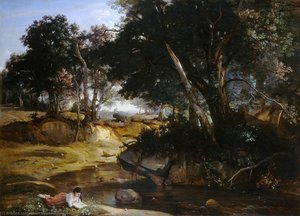
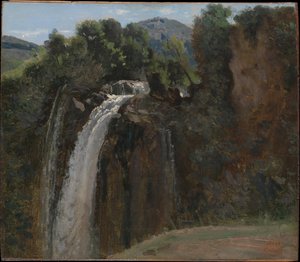
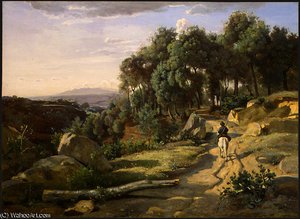
Rocky Forest Valley at Civita Castellana
 Oil On Canvas
- WallArt
- Romantic Landscape Painting
 1827
1827- 19th Century
 36.0 x 50.0 cm
 Staatliche Kunsthalle Karlsruhe
 Weiterlesen
Handgefertigte Ölreproduktion
Handgemaltes Ölgemälde auf Leinwand in Ihrer Wunschgröße und mit Rahmen, auf Bestellung von unseren Künstlern angefertigt. ( Druck bestellen Bild kaufen)




P118B $10

P118H $10

P118W $10

P438Z $10

P508JH $12

P508YH $12

P805H $10

P805Z $10

P919BZ $10

P919G $10

P919XJ $10

P959ZH $10

P968JZ $12

W106C $8

W218G $10

W218JH $8

W218Y $10

W307PJ $10

W316G $10

W316PJ $8

W316Y $10

W398PJ $8

W4111J $10

W500HY $15

W500JH $15

W692G $12

W849H $8

W940BG $15

W953PJ $8




Wählen Sie aus unseren vordefinierten Formaten, die den ursprünglichen Proportionen des Kunstwerks entsprechen.

Sie können Ihre eigenen Maße eingeben, um einen bestimmten Rahmen oder Platz auszufüllen. Wenn die gewählte Größe nicht den Proportionen des Originalbildes entspricht, werden wir das Kunstwerk entweder beschneiden oder das Gemälde durch zusätzliche, handgemalte Elemente erweitern. Ein digitales Mockup wird Ihnen zur Genehmigung zugesandt, bevor die Produktion beginnt.
Bitte beachten Sie, dass die Bildschirmvorschau nicht die tatsächliche Beschneidung oder Erweiterung widerspiegelt. Nur das Mockup zeigt die endgültige Komposition exakt an.
Obwohl Sondermaße verfügbar sind, empfehlen wir, eine Größe aus der vordefinierten Liste zu wählen, um die ursprünglichen Proportionen beizubehalten.
Nach der Bestellung wird das ArtsDot.com-Team dem Kunden Anweisungen per E-Mail zusenden und eine Mockup-Vorschau bereitstellen.
Weltweiter Versand () in nur 3 bis 4 Wochen statt der üblichen 5 Wochen. (1 September). Keine Kompromisse bei der Qualität.

Kostenloser weltweiter Expressversand

Hochwertige Leinenleinwand

Umfassender Versicherungsschutz beim Versand

Zollgebühren-Rückerstattungsgarantie

Garantie für exakte Farbtreue

60 Tage Rückgaberecht (nur bei Mängeln)

100% Geld-zurück-Garantie

Mengenrabatt verfügbar
 Die Glasoption ist nur für Größen unter 110 cm verfügbar.

Rocky Forest Valley at Civita Castellana
Art der Reproduktion
Format der Reproduktion
-


Gesamtpreis
$ 263
Rocky Forest Valley at Civita Castellana: A Moment Frozen in Arcadian Light
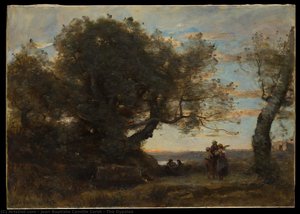
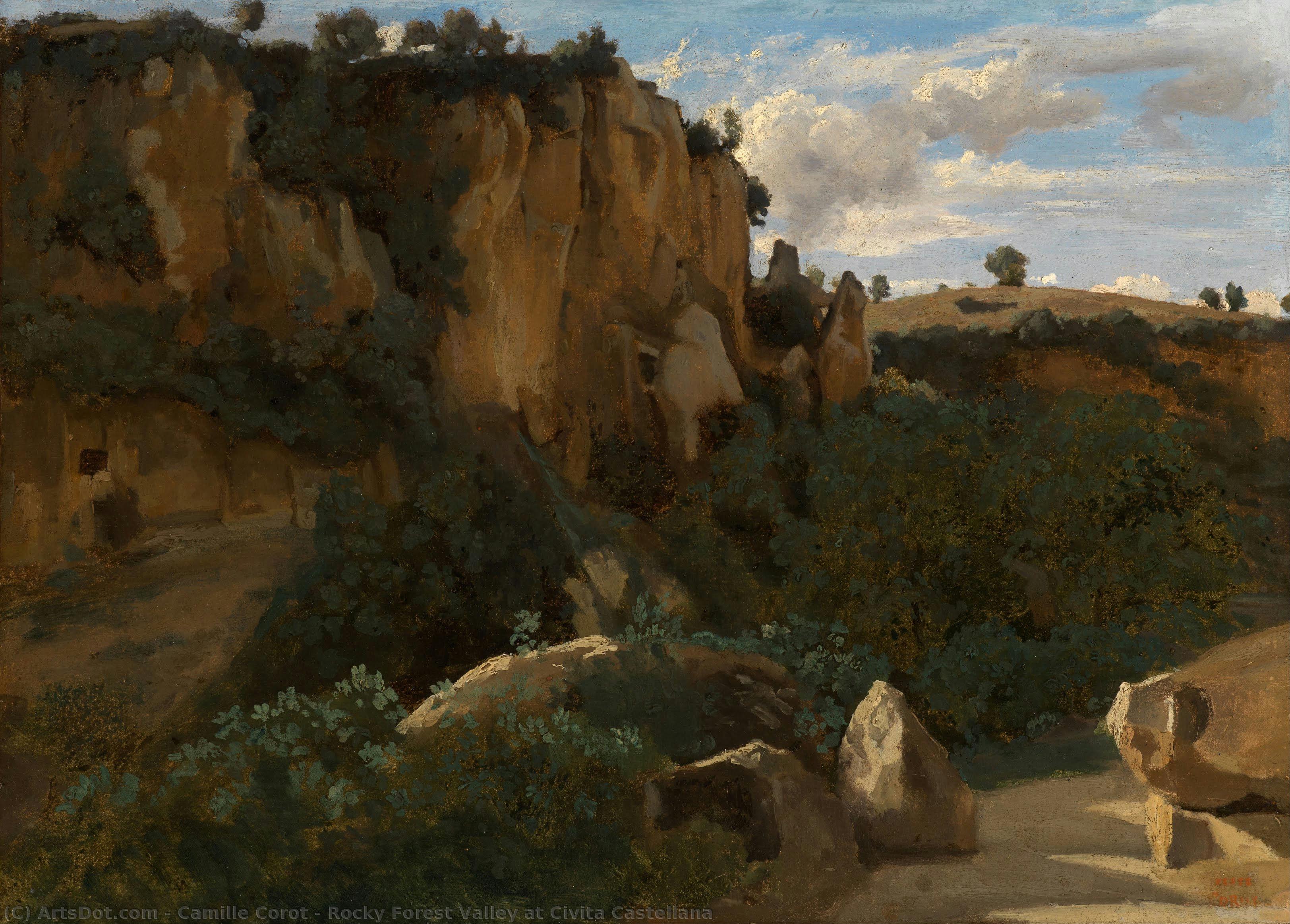
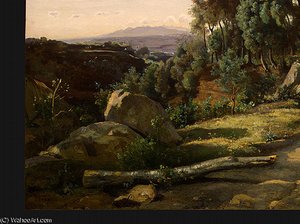
This painting by Jean-Baptiste-Camille Corot transports us back to the early Romantic era, capturing a fleeting glimpse of Italy’s pastoral beauty. Painted in 1826/27, “Rocky Forest Valley at Civita Castellana” isn't merely a depiction of landscape; it’s an embodiment of Corot’s artistic philosophy – a dedication to observing and conveying the essence of nature with remarkable immediacy. Unlike the meticulously planned compositions favored by academic painters of the time, this study prioritizes atmosphere and feeling above precise detail, reflecting Corot’s burgeoning influence from Impressionism.- Subject Matter: The scene unfolds in a wooded valley near Civita Castellana, Lazio, Italy. Dominating the vista is a formidable cliff face on the left, juxtaposed against a gently sloping hillside on the right. A meandering path invites contemplation and guides the eye deeper into the landscape’s embrace.
- Style & Technique: Corot's approach aligns with his characteristic early style – Impressionistic study characterized by loose brushstrokes and an emphasis on capturing light’s transformative effects. The rapid execution speaks to his intention to distill a single impression, prioritizing feeling over meticulous representation. Notice the visible texture created by Corot’s expressive technique; it conveys the ruggedness of the rocks and the softness of vegetation.
- Color Palette: Earthy tones dominate the palette – ochres, browns, and muted greens—creating a harmonious blend that evokes warmth and tranquility. Subtle blues permeate the sky and shadows, enhancing the overall atmospheric depth.
- Composition & Perspective: The low viewpoint plunges the viewer into the valley’s heart, fostering a sense of immersion. Horizontal lines emphasize the expansive scale of the landscape, while diagonal brushstrokes contribute dynamism to the scene. Atmospheric perspective subtly diminishes colors and details in the distant hills, reinforcing the illusion of depth.
- Symbolic Significance: Beyond its visual beauty, “Rocky Forest Valley at Civita Castellana” embodies Arcadian wellbeing—a concept central to Corot’s later works—representing a retreat from urban life into the restorative embrace of nature. The winding path symbolizes exploration and discovery, inviting us to share in Corot's contemplative gaze.
Material & Craftsmanship
The painting is executed in oil on canvas using a technique that prioritizes spontaneity and immediacy. The artist applied paint in relatively quick, sketchy strokes—a hallmark of Impressionism—creating a palpable sense of movement and capturing the fleeting qualities of light. Visible brushstrokes contribute to the artwork’s textural richness and convey Corot's dedication to portraying nature as it appears at any given moment. Canvas stretched over wooden frame is used for this masterpiece.Historical Context
Painted during Corot’s formative years, “Rocky Forest Valley at Civita Castellana” reflects the Romantic movement’s fascination with untamed landscapes and emotional expression. Unlike the rigid conventions of academic painting—which sought to idealize nature—Corot embraced a more subjective approach, prioritizing feeling over formal correctness. This study represents an important step toward Corot's later mastery of Impressionistic style and foreshadowed his groundbreaking contribution to landscape art history.Emotional Impact
Looking upon “Rocky Forest Valley at Civita Castellana” is akin to stepping into a serene sanctuary—a space infused with the quiet grandeur of the Italian countryside. The painting’s subdued palette, combined with its masterful depiction of light and texture, fosters a feeling of tranquility and contemplation. It invites viewers to reconnect with the natural world and appreciate the beauty found in unpretentious observation—a legacy that continues to inspire artists and collectors alike.Ähnliche Kunstwerke

Über den Künstler
Frühe Jahre und Ausbildung
Jean-Baptiste-Camille Corot, ein renommierter französischer Landschafts- und Porträtmaler, wurde am 16. Juli 1796 in Paris geboren. Seine Familie, die zum Bürgertum gehörte, bot ihm eine Umgebung, die seine künstlerischen Neigungen förderte. Anfänglich lagen Corots Interessen woanders, doch er entdeckte um 1821 seine Leidenschaft für das Malen. Dies markierte den Beginn seiner produktiven Karriere, die später die Entwicklung des Impressionismus beeinflussen sollte.Künstlerische Laufbahn und bedeutende Werke
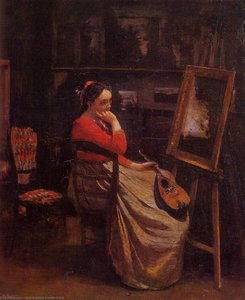
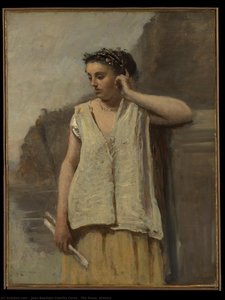
Corots künstlerischer Weg ist geprägt von einer Mischung aus neoklassischer Tradition und plein-air Innovationen. Er kombinierte sorgfältige Kompositionen mit der direkten Beobachtung der Natur im Freien, was zu einer einzigartigen Atmosphäre in seinen Werken führte. Zu seinen bemerkenswertesten Arbeiten zählen:- Die Ruhe (La Repose) (Öl auf Leinwand, ca. 1860er Jahre), ein fesselndes Werk, das Corots Meisterschaft in der Darstellung von Gelassenheit zeigt.
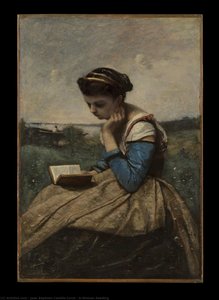
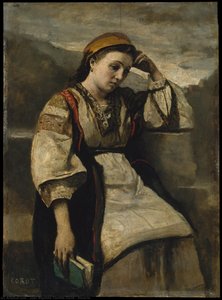
- Unterbrochenes Lesen (Lecture Interrompue) (Realismus, Öl, ca. 1850er Jahre), ein ergreifendes Beispiel für Corots Fähigkeit, den Alltag mit Tiefe und Emotion darzustellen.
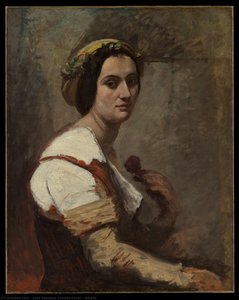
- Agostina (Realismus, Öl, ca. 1860er Jahre), ein beeindruckendes Porträt, das Corots Geschicklichkeit in der Darstellung des Wesens seiner Motive veranschaulicht.
Einflüsse und Entwicklung
Corots künstlerische Entwicklung wurde von verschiedenen Einflüssen geprägt. Er studierte zunächst bei den neoklassizistischen Malern Jacques-Louis David und Jean-Antoine Houdon, was seine frühen Werke beeinflusste. Später fand er Inspiration in der Landschaftsmalerei des 17. Jahrhunderts, insbesondere bei Meistern wie Claude Lorrain und Nicolas Poussin. Corot entwickelte jedoch seinen eigenen Stil, indem er die klassische Komposition mit den direkten Beobachtungen der Natur im Freien verband. Er gilt als Brücke zwischen dem Klassizismus und dem Impressionismus. Seine Plein-Air-Malerei war revolutionär für seine Zeit und ebnete den Weg für zukünftige Generationen von Künstlern, darunter die Impressionisten.Vermächtnis und Bedeutung
Corots umfangreicher Output hatte einen nachhaltigen Einfluss auf die Entwicklung der Landschaftsmalerei. Sein innovativer Ansatz, traditionelle Techniken mit plein-air Innovationen zu verbinden, ebnete den Weg für zukünftige Generationen von Künstlern. Obwohl er zu Lebzeiten nicht immer Anerkennung fand, wurde Corot nach seinem Tod als einer der wichtigsten französischen Maler des 19. Jahrhunderts anerkannt. Seine Werke werden heute in bedeutenden Museen auf der ganzen Welt ausgestellt und seine Bedeutung für die Kunstgeschichte ist unbestreitbar. Entdecken Sie mehr über Jean-Baptiste-Camille Corots Gemälde auf ArtsDot.com: https://ArtsDot.com/@/jean-baptiste-camille-corot Erfahren Sie mehr über das Musée Courbet auf Wikipedia: https://en.wikipedia.org/wiki/mus%c3%a9e_courbet_(ornans,_france)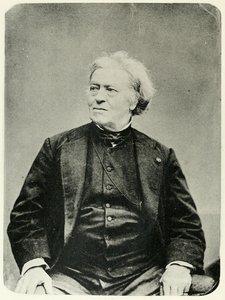
Jean-Baptiste-Camille Corot
1796 - 1875 , Frankreich
Kurzinfos
- Beeinflusste Künstler: ['Gustave Courbet']
- Bemerkenswerte Werke:
- Die Ruhe
- Unterbrochenes Lesen
- Agostina
- Geburtsdatum: 16. Juli 1796
- Geburtsort: Paris, Frankreich
- Künstlerische Richtung: Neoklassizismus, Pleinair
- Nationalität: Französisch
- Sterbedatum: 1875
- Vollständiger Name: Jean-Baptiste-Camille Corot
- Von Künstlern Beeinflusst: ['Keine Angaben']
Ähnliche Artikel

Evocations of Place: A Historical Journey Through Landscape Art
Explore the rich history of landscape art with ArtsDot. Discover renowned artists, movements like Impressionism & Romanticism, and expert guidance for collecting timeless pieces. Find your perfect serene escape today!
Evocations of Place: A Historical Journey Through Landscape Art
Explore the rich history of landscape art with ArtsDot. Discover renowned artists, movements like Impressionism & tonalism, and expert guidance for collecting timeless pieces. Find your perfect serene escape today!

Paul Cézanne: Die 25 Meisterwerke des Impressionismus | ArtsDot
Entdecken Sie die 25 Meisterwerke von Paul Cézanne! Tauchen Sie ein in die Welt des Impressionismus und Postimpressionismus. Erfahren Sie mehr über seine Stillleben, Landschaften & berühmten Gemälde – jetzt hochwertige Kunstdrucke auf ArtsDot.com.
Jean-Baptiste-Camille Corot: Poetische Realität und der Übergang zum Impressionismus
Entdecken Sie das Werk von Camille Corot und die Schule von Barbizon! Erfahren Sie mehr über den Übergang zum Impressionismus, seine poetische Realität und seinen Einfluss auf die Kunstgeschichte. Expertenwissen & detaillierte Analysen.
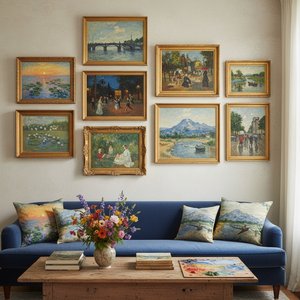
Impressionistische Landschaften: Die 10 Meisterwerke, die eine Epoche prägten | ArtsDot
Entdecken Sie die 10 Meisterwerke des Impressionismus! Von Monet bis Renoir – erleben Sie die Geschichte, Technik und zeitlose Schönheit ikonischer Landschaftsbilder. Hochwertige Kunstdrucke auf ArtsDot.com. Jetzt entdecken!