 Vorschau anzeigen
 Versenden
 Teilen
 Details anzeigen

 Herunterladen
 Ähnliche Objekte
 Röntgenaufnahme
 Diashow
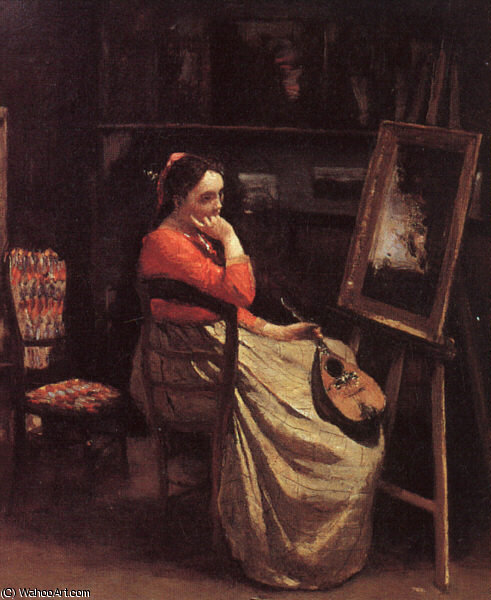
Young Woman with a Mandolin, Oil on canvas, Musé


 Weiterlesen
Handgefertigte Ölreproduktion
Handgemaltes Ölgemälde auf Leinwand in Ihrer Wunschgröße und mit Rahmen, auf Bestellung von unseren Künstlern angefertigt. ( Druck bestellen Bild kaufen)




P118B $10

P118H $10

P118W $10

P438Z $10

P508JH $12

P508YH $12

P805H $10

P805Z $10

P919BZ $10

P919G $10

P919XJ $10

P959ZH $10

P968JZ $12

W106C $8

W218G $10

W218JH $8

W218Y $10

W307PJ $10

W316G $10

W316PJ $8

W316Y $10

W398PJ $8

W4111J $10

W500HY $15

W500JH $15

W692G $12

W849H $8

W940BG $15

W953PJ $8




Wählen Sie aus unseren vordefinierten Formaten, die den ursprünglichen Proportionen des Kunstwerks entsprechen.

Sie können Ihre eigenen Maße eingeben, um einen bestimmten Rahmen oder Platz auszufüllen. Wenn die gewählte Größe nicht den Proportionen des Originalbildes entspricht, werden wir das Kunstwerk entweder beschneiden oder das Gemälde durch zusätzliche, handgemalte Elemente erweitern. Ein digitales Mockup wird Ihnen zur Genehmigung zugesandt, bevor die Produktion beginnt.
Bitte beachten Sie, dass die Bildschirmvorschau nicht die tatsächliche Beschneidung oder Erweiterung widerspiegelt. Nur das Mockup zeigt die endgültige Komposition exakt an.
Obwohl Sondermaße verfügbar sind, empfehlen wir, eine Größe aus der vordefinierten Liste zu wählen, um die ursprünglichen Proportionen beizubehalten.
Nach der Bestellung wird das ArtsDot.com-Team dem Kunden Anweisungen per E-Mail zusenden und eine Mockup-Vorschau bereitstellen.
Weltweiter Versand () in nur 3 bis 4 Wochen statt der üblichen 5 Wochen. (31 August). Keine Kompromisse bei der Qualität.

Kostenloser weltweiter Expressversand

Hochwertige Leinenleinwand

Umfassender Versicherungsschutz beim Versand

Zollgebühren-Rückerstattungsgarantie

Garantie für exakte Farbtreue

60 Tage Rückgaberecht (nur bei Mängeln)

100% Geld-zurück-Garantie

Mengenrabatt verfügbar
 Die Glasoption ist nur für Größen unter 110 cm verfügbar.

Young Woman with a Mandolin, Oil on canvas, Musé
Art der Reproduktion
Format der Reproduktion
-


Gesamtpreis
$ 263
Young Woman with a Mandolin: A Portrait of Parisian Intimacy
Jean-Baptiste-Camille Corot’s “Young Woman with a Mandolin” is more than just a charming depiction of a moment; it's a carefully constructed evocation of the burgeoning artistic spirit and quiet contemplation that defined mid-19th century Paris. Painted in 1865, this oil on canvas offers a glimpse into a private world – a studio bathed in soft light, populated by a young woman lost in the melody of her instrument. The scene unfolds with an almost photographic realism, yet Corot imbues it with a profound sense of atmosphere and emotion, hallmarks of his distinctive style.
The subject herself is presented with a remarkable sensitivity. Her posture, relaxed yet poised, suggests both vulnerability and self-assurance. She’s not a grand heroine or a celebrated beauty; instead, she embodies the everyday elegance of Parisian life – a woman finding solace and inspiration within her artistic pursuits. The mandolin, held gently in her lap, is more than just an instrument; it's a symbol of creativity, passion, and perhaps even melancholy. The artist’s deliberate choice to capture her in this intimate setting speaks volumes about Corot’s interest in portraying the quiet moments of human experience.
Corot’s Revolutionary Technique
Corot was a pivotal figure in the transition from Neoclassical formality to the Impressionistic focus on light and atmosphere. His technique, often described as “plein air” – meaning ‘in the open air’ – involved working directly outdoors, capturing fleeting moments of natural light before it changed. This is evident in "Young Woman with a Mandolin" through the subtle gradations of color and tone, particularly noticeable in the rendering of the fabrics and the play of light on her face. He employed loose brushstrokes, layering paint to create an illusion of depth and texture, rather than meticulously detailing every surface.
Notice how Corot avoids sharp outlines or harsh contrasts. Instead, he builds up color through delicate washes, creating a hazy, dreamlike quality that contributes significantly to the painting’s overall mood. This approach was revolutionary at the time, challenging the academic tradition of highly finished, polished works and paving the way for future generations of artists.
Setting the Scene: Furniture, Bottles, and Symbolism
The composition is rich with detail, extending beyond the central figure to create a fully realized environment. The carefully arranged furniture – the chairs, couches, and tables – contribute to the sense of domestic comfort and artistic activity. The scattered bottles, seemingly casually placed, are more than mere props; they could represent the artist’s own supplies or perhaps symbolize the intoxicating nature of creativity itself.
The placement of these objects adds a layer of narrative complexity. The two chairs positioned close together suggest a shared moment, perhaps an interaction between the artist and his subject. The bowls on the floor hint at sustenance and rest – essential elements in the creative process. These details elevate the painting beyond a simple portrait, transforming it into a carefully considered tableau.
A Legacy of Light and Emotion
"Young Woman with a Mandolin" exemplifies Corot’s profound understanding of light and his ability to translate that understanding onto canvas. It's a work that invites contemplation – prompting us to consider the nature of creativity, the beauty of everyday moments, and the enduring power of art to capture human emotion. Reproduced faithfully in hand-painted form, this artwork offers a tangible connection to one of France’s most influential landscape painters, allowing you to experience the tranquility and artistic vision that defined his remarkable career.
Ähnliche Kunstwerke
Über den Künstler
Frühe Jahre und Ausbildung
Jean-Baptiste-Camille Corot, ein renommierter französischer Landschafts- und Porträtmaler, wurde am 16. Juli 1796 in Paris geboren. Seine Familie, die zum Bürgertum gehörte, bot ihm eine Umgebung, die seine künstlerischen Neigungen förderte. Anfänglich lagen Corots Interessen woanders, doch er entdeckte um 1821 seine Leidenschaft für das Malen. Dies markierte den Beginn seiner produktiven Karriere, die später die Entwicklung des Impressionismus beeinflussen sollte.Künstlerische Laufbahn und bedeutende Werke
Corots künstlerischer Weg ist geprägt von einer Mischung aus neoklassischer Tradition und plein-air Innovationen. Er kombinierte sorgfältige Kompositionen mit der direkten Beobachtung der Natur im Freien, was zu einer einzigartigen Atmosphäre in seinen Werken führte. Zu seinen bemerkenswertesten Arbeiten zählen:- Die Ruhe (La Repose) (Öl auf Leinwand, ca. 1860er Jahre), ein fesselndes Werk, das Corots Meisterschaft in der Darstellung von Gelassenheit zeigt.
- Unterbrochenes Lesen (Lecture Interrompue) (Realismus, Öl, ca. 1850er Jahre), ein ergreifendes Beispiel für Corots Fähigkeit, den Alltag mit Tiefe und Emotion darzustellen.
- Agostina (Realismus, Öl, ca. 1860er Jahre), ein beeindruckendes Porträt, das Corots Geschicklichkeit in der Darstellung des Wesens seiner Motive veranschaulicht.
Einflüsse und Entwicklung
Corots künstlerische Entwicklung wurde von verschiedenen Einflüssen geprägt. Er studierte zunächst bei den neoklassizistischen Malern Jacques-Louis David und Jean-Antoine Houdon, was seine frühen Werke beeinflusste. Später fand er Inspiration in der Landschaftsmalerei des 17. Jahrhunderts, insbesondere bei Meistern wie Claude Lorrain und Nicolas Poussin. Corot entwickelte jedoch seinen eigenen Stil, indem er die klassische Komposition mit den direkten Beobachtungen der Natur im Freien verband. Er gilt als Brücke zwischen dem Klassizismus und dem Impressionismus. Seine Plein-Air-Malerei war revolutionär für seine Zeit und ebnete den Weg für zukünftige Generationen von Künstlern, darunter die Impressionisten.Vermächtnis und Bedeutung
Corots umfangreicher Output hatte einen nachhaltigen Einfluss auf die Entwicklung der Landschaftsmalerei. Sein innovativer Ansatz, traditionelle Techniken mit plein-air Innovationen zu verbinden, ebnete den Weg für zukünftige Generationen von Künstlern. Obwohl er zu Lebzeiten nicht immer Anerkennung fand, wurde Corot nach seinem Tod als einer der wichtigsten französischen Maler des 19. Jahrhunderts anerkannt. Seine Werke werden heute in bedeutenden Museen auf der ganzen Welt ausgestellt und seine Bedeutung für die Kunstgeschichte ist unbestreitbar. Entdecken Sie mehr über Jean-Baptiste-Camille Corots Gemälde auf ArtsDot.com: https://ArtsDot.com/@/jean-baptiste-camille-corot Erfahren Sie mehr über das Musée Courbet auf Wikipedia: https://en.wikipedia.org/wiki/mus%c3%a9e_courbet_(ornans,_france)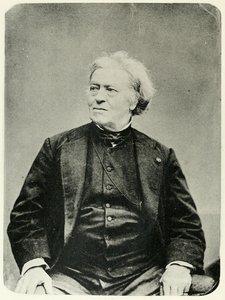
Jean-Baptiste-Camille Corot
1796 - 1875 , Frankreich
Kurzinfos
- Beeinflusste Künstler: ['Gustave Courbet']
- Bemerkenswerte Werke:
- Die Ruhe
- Unterbrochenes Lesen
- Agostina
- Geburtsdatum: 16. Juli 1796
- Geburtsort: Paris, Frankreich
- Künstlerische Richtung: Neoklassizismus, Pleinair
- Nationalität: Französisch
- Sterbedatum: 1875
- Vollständiger Name: Jean-Baptiste-Camille Corot
- Von Künstlern Beeinflusst: ['Keine Angaben']
Ähnliche Artikel

The Enduring Legacy of Oil on Canvas: Technique, History & Aesthetic Impact
Explore the rich history & techniques of oil painting – from Renaissance masters to Impressionism. Discover pigments, layering methods, and why this timeless medium endures. Expert insights for artists & art enthusiasts.

Öl auf Leinwand: Eine historische und technische Erkundung eines zeitlosen künstlerischen Mediums
Entdecken Sie die faszinierende Welt der Ölmalerei! Von historischen Techniken bis zur modernen Anwendung – wir bieten Expertenwissen, Restaurierungstipps und hochwertige Reproduktionen. Jetzt informieren!

Das bleibende Erbe der Ölmalerei: Technik, Geschichte und zeitgenössische Praxis
Entdecken Sie die faszinierende Geschichte der Ölmalerei – von den frühen Techniken bis zur modernen Kunst. Expertenwissen, detaillierte Analysen und Inspiration für Sammler & Kunstliebhaber.
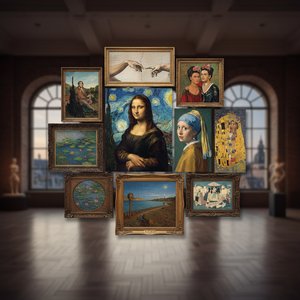
Öl auf Leinwand: Die 10 Meisterwerke, die Kunst für immer veränderten |
Entdecken Sie die 10 legendärsten Öl auf Leinwand Meisterwerke! Von Van Gogh bis Monet – erfahren Sie die Geschichten hinter ikonischen Gemälden und lassen Sie sich von Kunstgeschichte inspirieren. Hochwertige Reproduktionen für Ihr Zuhause finden Sie auf .

Romantische Landschaften: Die 10 Meisterwerke, die eine Epoche prägten | ArtsDot
Entdecken Sie die 10 Meisterwerke der Romantischen Landschaftsmalerei! Von Caspar David Friedrich bis Turner – erleben Sie die Kunst, Emotion & Natur. Hochwertige Reproduktionen auf ArtsDot.com