

 Versenden
 Teilen
 Details anzeigen

 Herunterladen
 Ähnliche Objekte
 Diashow
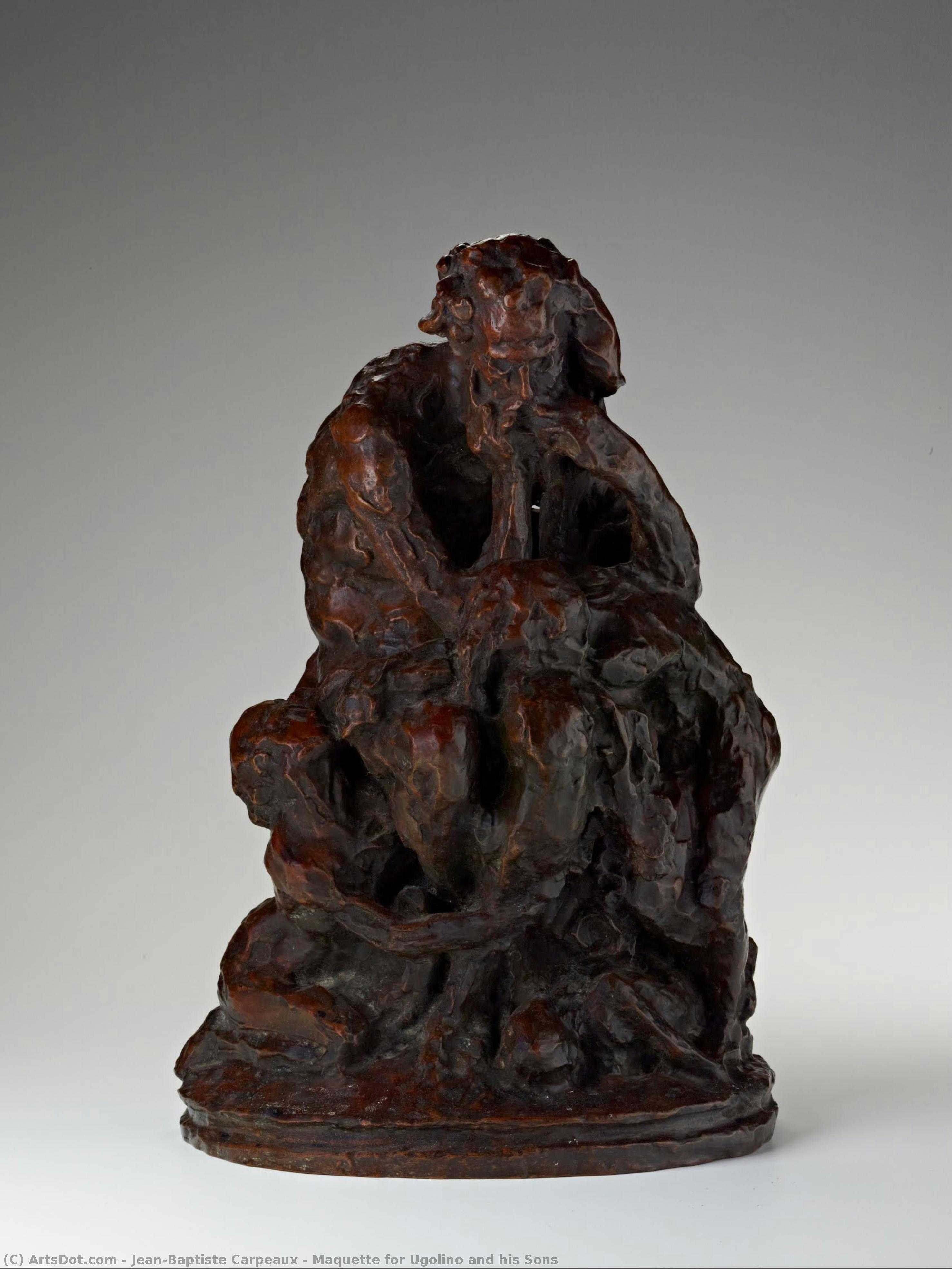
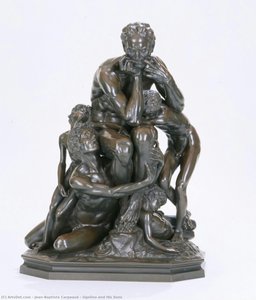
Maquette for Ugolino and his Sons


 Weiterlesen
Giclée / Kunstdruck
Giclée- oder Leinwanddruck in Museumsqualität mit schneller Produktion und flexiblen Veredelungsoptionen. ( Handgemalte Reproduktion bestellen Bild kaufen)




































Wählen Sie aus unseren vordefinierten Formaten, die den ursprünglichen Proportionen des Kunstwerks entsprechen.

Sie können Ihre eigenen Maße eingeben, um ein bestimmtes Format oder einen speziellen Platz einzupassen. Wenn das von Ihnen gewählte Format nicht den Proportionen des Originalbildes entspricht, werden wir das Kunstwerk entweder beschneiden oder das Bild mit einem gespiegelten oder einfarbigen Rand erweitern. Ein digitaler Entwurf wird Ihnen zur Genehmigung zugesandt, bevor die Produktion beginnt.
Bitte beachten Sie, dass die Vorschau auf dem Bildschirm nicht den tatsächlichen Zuschnitt oder die Erweiterung widerspiegelt. Nur der Entwurf zeigt die endgültige Komposition präzise an.
Obwohl Sondermaße verfügbar sind, empfehlen wir die Auswahl eines Maßes aus der vordefinierten Liste, um die ursprünglichen Proportionen zu bewahren.
Weltweiter Versand () innerhalb von 2 Wochen statt der üblichen 4/5 Wochen. (26 August)

Kostenloser weltweiter Expressversand

Hochwertige Leinenleinwand

Umfassender Versicherungsschutz beim Versand

Zollgebühren-Rückerstattungsgarantie

Garantie für exakte Farbtreue

60 Tage Rückgaberecht (nur bei Mängeln)

100% Geld-zurück-Garantie

Mengenrabatt verfügbar
 Die Glasoption ist nur für Größen unter 110 cm verfügbar.

Maquette for Ugolino and his Sons
Giclée / Kunstdruck
Format der Reproduktion
-


Gesamtpreis
$ 62
Sammlerstück-Beschreibung
A Descent into Grief: Jean-Baptiste Carpeaux’s “Maquette for Ugolino and His Sons”
Jean-Baptiste Carpeaux's "Maquette for Ugolino and His Sons," a bronze sculpture dating back to 1858, isn’t merely a representation of a harrowing tale from Dante’s Inferno; it’s a visceral embodiment of despair, familial anguish, and the agonizing struggle for survival. This powerful piece, now housed within the collection of ArtsDot.com, offers a poignant glimpse into the artist's masterful technique and his profound understanding of human emotion – qualities that cemented Carpeaux’s place as one of the most compelling sculptors of the 19th century.
The sculpture depicts Ugolino della Gherardesca, a Pisan nobleman imprisoned with his sons and grandsons within the walls of a tower. Legend recounts how, driven to starvation, Ugolino was forced to contemplate cannibalism to sustain his family. Carpeaux doesn’t shy away from this grim reality; instead, he captures the moment of profound desperation, a pivotal point where humanity teeters on the brink of utter collapse. The composition centers around Ugolino himself – a figure rendered with remarkable anatomical detail and an almost unbearable weight of sorrow. His slumped posture, his gaunt face etched with anguish, and the desperate grip on his children convey a sense of utter defeat.
The Baroque Echoes: Technique and Material
Carpeaux’s approach to this subject matter is deeply rooted in the traditions of Baroque sculpture, particularly the works of Michelangelo. The artist meticulously studied the dynamism and emotional intensity found in Michelangelo's frescoes, notably the Last Judgment in the Sistine Chapel, seeking to emulate that same sense of dramatic movement and psychological depth. This influence is immediately apparent in the sculpture’s powerful musculature, its exaggerated gestures, and the overall feeling of unrestrained emotion. The bronze itself—a material Carpeaux expertly manipulated—contributes significantly to the work's impact. The artist utilized the lost wax casting technique, a method known for producing incredibly detailed surfaces and rich textures. Notice the subtle variations in surface sheen, the carefully rendered folds of drapery, and the palpable weight of the bronze – all elements that heighten the sculpture’s realism and emotional resonance.
Symbolism and Narrative Depth
Beyond its immediate depiction of a horrific event, “Maquette for Ugolino and His Sons” is laden with symbolic meaning. The scene represents not just the plight of a single family but also broader themes of injustice, betrayal, and the devastating consequences of power. The positioning of the children – some clinging desperately to their father’s body, others seemingly lost in their own suffering—underscores the profound sense of familial bonds shattered by circumstance. Ugolino's gaze, fixed on an unseen horizon, suggests a yearning for escape, a desperate hope that ultimately proves futile. The sculpture invites viewers to contemplate not only the specific tragedy depicted but also the universal human experience of loss, despair, and the enduring struggle against adversity.
A Window into 19th-Century France
Created in 1858, this piece reflects the artistic climate of mid-19th century France. Carpeaux’s work aligns with the Romantic movement's emphasis on emotion, drama, and the exploration of dark themes. The sculpture also speaks to the political and social context of the time – a period marked by rapid industrialization, social unrest, and a growing interest in historical narratives. Carpeaux’s decision to depict such a harrowing subject matter demonstrates his willingness to confront difficult truths and engage with the complexities of human existence. His legacy as a sculptor who captured both the physical beauty and emotional depth of the human form continues to resonate today.
Collecting a Masterpiece: Reproduction Options
ArtsDot.com offers meticulously crafted, hand-painted reproductions of “Maquette for Ugolino and His Sons,” allowing art enthusiasts to bring this iconic work into their homes or offices. These reproductions faithfully capture the sculpture’s original details, textures, and emotional intensity, providing a stunning tribute to Carpeaux's artistic vision. Whether you are an admirer of Baroque art, a collector seeking to expand your collection, or simply someone drawn to powerful imagery that evokes profound emotion, a ArtsDot.com reproduction offers a beautiful and accessible way to experience the enduring legacy of Jean-Baptiste Carpeaux.
Ähnliche Kunstwerke


Über den Künstler
Jean-Baptiste Carpeaux: Eine Biografie
- Geboren: Valenciennes, Frankreich (1827)
- Gestorben: 1875
Frühes Leben und künstlerische Entwicklung
Jean-Baptiste Carpeaux wurde 1827 in Valenciennes, Frankreich, in einer Familie von Steinmetzen geboren. Diese frühe Auseinandersetzung mit Handwerkskunst beeinflusste wahrscheinlich seine späteren künstlerischen Bestrebungen. Er studierte zunächst unter François Rude, einem bekannten Bildhauer, der für seine Arbeit am Arc de Triomphe berühmt ist. 1844 trat Carpeaux in die École des Beaux-Arts ein und verbesserte dort seine Fähigkeiten weiter und entwickelte seine künstlerische Vision.
Wichtige Leistungen und bemerkenswerte Werke
Carpeaux erlangte im Laufe seiner Karriere bedeutende Anerkennung, insbesondere während der Zweiten Kaiserzeit unter Napoleon III. Sein Talent wurde offiziell anerkannt, als er 1854 den Prix de Rome gewann. Diese prestigeträchtige Auszeichnung ermöglichte es ihm, in Rom zu studieren, wo er sich von den Meisterwerken Michelangelos, Donatellos und Verrocchios inspirieren ließ.
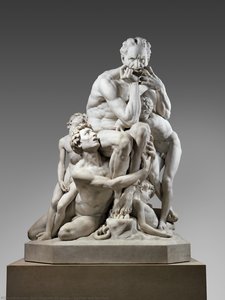
- Ugolino und seine Söhne: Eine kraftvolle und emotional aufgeladene Skulptur im Metropolitan Museum of Art.
- Pêcheur napolitain à la coquille (Neapolitanischer Fischerjunge): Im Musée du Louvre ausgestellt, verkörpert dieses Werk seinen naturalistischen Stil.
- La Danse: Eine hohe Reliefskulptur, die die Fassade der Opéra Garnier in Paris schmückt und dynamische Bewegung und Anmut zeigt.
- Die Negerin (La négresse): Eine eindrucksvolle Tonsskulptur, die ausdrucksstarken Realismus und klassische Einflüsse demonstriert.
Stil und Einflüsse
Carpeaux’ künstlerischer Stil zeichnet sich durch Naturalismus, Dynamik und emotionale Tiefe aus. Er löste sich von der starren Formalität der neoklassischen Skulptur und entwickelte einen fließenderen und ausdrucksstärkeren Ansatz. Seine Arbeit spiegelt die ästhetische Sensibilität der Zweiten Kaiserzeit wider, die Elemente verschiedener historischer Stile integrierte und gleichzeitig moderne Materialien auf innovative Weise nutzte.
- Naturalismus: Carpeaux bemühte sich, Figuren mit anatomischer Genauigkeit und realistischen Details darzustellen.
- Bewegung: Er fing geschickt ein Gefühl von Bewegung und Energie in seinen Skulpturen ein, was ihn von vielen seiner Zeitgenossen unterschied.
- Emotion: Seine Werke sind von kraftvollen Emotionen durchdrungen und vermitteln Erzählungen und psychologische Tiefe.
Vermächtnis und Einfluss
Jean-Baptiste Carpeaux starb am 12. Oktober 1875, aber sein Einfluss wirkt bis heute in der Kunstwelt fort. Er gilt als einer der wichtigsten Bildhauer des 19. Jahrhunderts, ein Vorläufer von Auguste Rodin, dessen Werk auf Carpeaux’ Innovationen bei der Darstellung von Bewegung und Emotion aufbaute. Seine Skulpturen werden in bedeutenden Museen auf der ganzen Welt ausgestellt, darunter im Musée d'Orsay in Paris.
- Schüler: Zu den bemerkenswerten Schülern gehörten Jules Dalou, Jean-Louis Forain und der amerikanische Bildhauer Olin Levi Warner.
- Vorläufer von Rodin: Carpeaux’ Betonung des Naturalismus und der ausdrucksstarken Bewegung ebnete den Weg für Rodins bahnbrechende Skulpturen.
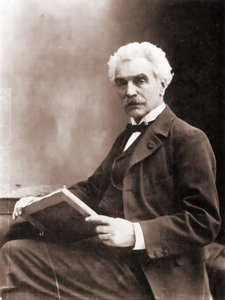
Jean-Baptiste Carpeaux
1827 - 1875 , Frankreich
Kurzinfos
- Artistic Movement Or Style: Realismus, Zweite Empire-Stil
- Artists Or Movements Influenced By This Artist:
- Jules Dalou
- Jean-Louis Forain
- Olin Levi Warner
- Artists Who Influenced This Artist:
- Michelangelo
- Donatello
- Verrocchio
- François Rude
- Date Of Birth: 11. Mai 1827
- Date Of Death: 12. Oktober 1875
- Full Name: Jean-Baptiste Carpeaux
- Nationality: Französisch
- Notable Artworks:
- Pêcheur napolitain à la coquille
- La Danse
- Ugolino und seine Söhne
- Die Negerin (La négresse)
- Place Of Birth (City And Country): Valenciennes, Frankreich
Ähnliche Artikel

Die 10 legendärsten Bronzestatuen: Meisterwerke, die Kunstgeschichte schrieben | ArtsDot
Entdecken Sie die 10 legendärsten Bronzestatuen der Kunstgeschichte! Von Rodin bis Michelangelo – erfahren Sie die Geschichten hinter ikonischen Skulpturen und finden Sie hochwertige Reproduktionen für Ihr Zuhause. Jetzt bei ArtsDot entdecken!

Bronze-Meisterwerke: Die 10 Skulpturen, die Kunstgeschichte schrieben | ArtsDot
Entdecken Sie die 10 legendärsten Bronze Skulpturen der Kunstgeschichte! Von Michelangelo bis Rodin – erfahren Sie die Geschichten hinter den Meisterwerken und lassen Sie sich von Wanddeko-Ideen inspirieren. Hochwertige Kunstdrucke auf ArtsDot.com.

The Enduring Legacy of Bronze: A Historical & Artistic Exploration for the Collector
Explore the rich history & enduring appeal of bronze sculpture with expert insights for collectors at ArtsDot. Learn about casting techniques, iconic artists, collecting tips & contemporary interpretations.

The Enduring Legacy of Bronze: History, Technique & Artistic Expression for the Collector
Explore the rich history & enduring appeal of bronze sculpture with expert insights for collectors at ArtsDot. Learn about casting techniques, iconic artists, and collecting tips.

The Enduring Legacy of Bronze Sculpture: A Collector's Guide to Form & Cultural Significance
Explore the rich history & enduring appeal of bronze sculpture with expert insights for collectors at ArtsDot. Learn about casting techniques, iconic artists, and collecting tips to build a discerning art collection.

