 Versenden
 Teilen
 Details anzeigen

 Herunterladen
 Ähnliche Objekte
 Diashow
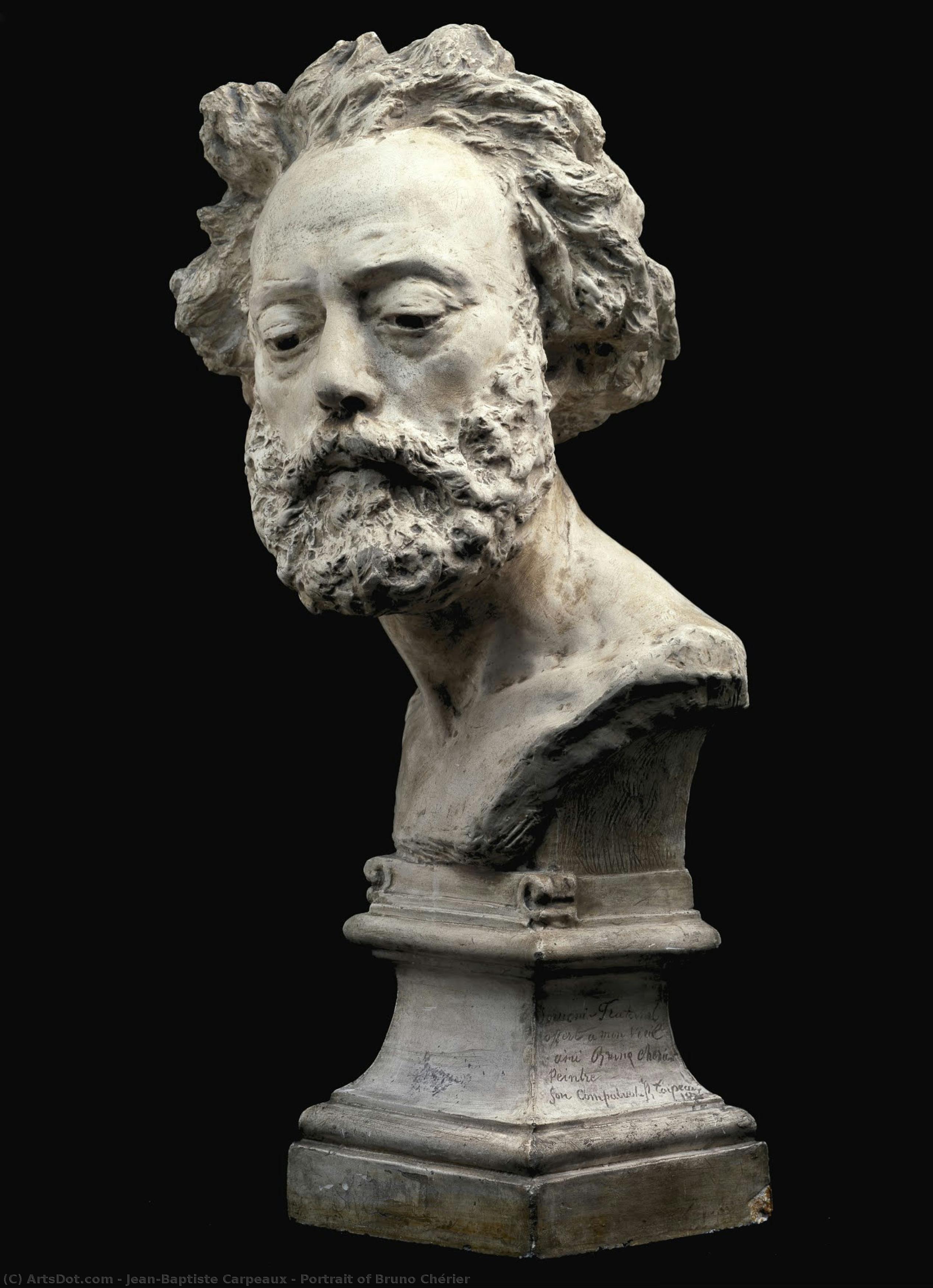
Portrait of Bruno Chérier


 Weiterlesen
Giclée / Kunstdruck
Giclée- oder Leinwanddruck in Museumsqualität mit schneller Produktion und flexiblen Veredelungsoptionen. ( Handgemalte Reproduktion bestellen Bild kaufen)




































Wählen Sie aus unseren vordefinierten Formaten, die den ursprünglichen Proportionen des Kunstwerks entsprechen.

Sie können Ihre eigenen Maße eingeben, um ein bestimmtes Format oder einen speziellen Platz einzupassen. Wenn das von Ihnen gewählte Format nicht den Proportionen des Originalbildes entspricht, werden wir das Kunstwerk entweder beschneiden oder das Bild mit einem gespiegelten oder einfarbigen Rand erweitern. Ein digitaler Entwurf wird Ihnen zur Genehmigung zugesandt, bevor die Produktion beginnt.
Bitte beachten Sie, dass die Vorschau auf dem Bildschirm nicht den tatsächlichen Zuschnitt oder die Erweiterung widerspiegelt. Nur der Entwurf zeigt die endgültige Komposition präzise an.
Obwohl Sondermaße verfügbar sind, empfehlen wir die Auswahl eines Maßes aus der vordefinierten Liste, um die ursprünglichen Proportionen zu bewahren.
Weltweiter Versand () innerhalb von 2 Wochen statt der üblichen 4/5 Wochen. (28 August)

Kostenloser weltweiter Expressversand

Hochwertige Leinenleinwand

Umfassender Versicherungsschutz beim Versand

Zollgebühren-Rückerstattungsgarantie

Garantie für exakte Farbtreue

60 Tage Rückgaberecht (nur bei Mängeln)

100% Geld-zurück-Garantie

Mengenrabatt verfügbar
 Die Glasoption ist nur für Größen unter 110 cm verfügbar.

Portrait of Bruno Chérier
Giclée / Kunstdruck
Format der Reproduktion
-


Gesamtpreis
$ 62
A Moment of Quiet Dignity: Exploring the Portrait of Bruno Chérier
Jean-Baptiste Carpeaux’s “Portrait of Bruno Chérier” is more than a simple likeness; it's a carefully constructed tableau of friendship, artistic rivalry, and the quiet contemplation of a man caught in the currents of his time. Completed around 1875, this marble bust captures not just the physical appearance of the Valenciennes painter Bruno Chérier but also a palpable sense of his personality – a blend of intellectualism, warmth, and perhaps a touch of melancholy. The sculpture resides within the collection of the High Museum of Art in Atlanta, Georgia, offering a rare opportunity to witness Carpeaux’s masterful ability to imbue inanimate stone with profound emotional resonance.
Carpeaux's artistic journey was marked by both triumph and controversy. Born in 1827, he initially trained under François Rude, the celebrated sculptor behind the monumental reliefs of the Arc de Triomphe, absorbing a classical foundation that would later inform his own distinctive style. However, Carpeaux quickly developed a passion for capturing dynamic movement and intense emotion – a departure from the rigid formality of academic sculpture. This pursuit led him to Rome, where he immersed himself in the works of Michelangelo, Donatello, and Verrocchio, seeking inspiration in their masterful use of form and expression. The influence of these masters is subtly evident in “Portrait of Bruno Chérier,” particularly in the careful modeling of the face and the deliberate arrangement of the figure’s pose.
- The Story Behind the Stone: The bust was commissioned as a tribute to Carpeaux's lifelong friend, Bruno Chérier. Their artistic connection was complex, marked by mutual admiration but also by professional rivalry and a shared sense of being outsiders within the established art world. A poignant detail—the inscription on the base—reveals that the sculpture was intended as a “Souvenir Fraternal offert a mons vieil amis” (a fraternal souvenir offered to an old friend), highlighting the depth of their bond.
- Carpeaux’s Signature Style: Carpeaux's work is characterized by its dramatic intensity and emotional honesty. He eschewed idealized beauty in favor of capturing the raw, unfiltered essence of his subjects. This approach was not always well-received; as evidenced by the rejection of Chérier’s portrait of Carpeaux, which fueled a period of artistic frustration for the sculptor.
- Technical Mastery: The sculpture showcases Carpeaux's exceptional skill in working with marble. Note the delicate rendering of the curls framing the face, the subtle play of light and shadow across the skin, and the powerful musculature of the neck and shoulders. The use of a dark brown patina further enhances the sense of depth and texture.
A Study in Form and Emotion
“Portrait of Bruno Chérier” is a remarkable example of Carpeaux’s ability to convey personality through sculpted form. The subject's gaze, directed slightly off-center, suggests introspection and perhaps even a hint of sadness. His full beard and voluminous curls contribute to an air of intellectualism and artistic temperament – qualities that undoubtedly resonated with Chérier himself. The pose is deliberately relaxed yet dignified, reflecting the man’s character without resorting to overt sentimentality.
The sculpture's composition is carefully balanced, drawing attention to the face while simultaneously establishing a sense of spatial depth. The rectangular pedestal provides a stable foundation for the bust, anchoring it within its environment and emphasizing its monumental quality. The contrast between the smooth, polished surface of the marble and the rough texture of the base creates a visual dialogue that further enhances the sculpture’s impact.
Symbolism and Context
Beyond its immediate depiction of Bruno Chérier, “Portrait of Bruno Chérier” offers insights into the artistic and social landscape of 19th-century France. Carpeaux's work reflects the Romantic movement's emphasis on emotion, individualism, and the power of art to capture the complexities of human experience. The sculpture also speaks to the close relationships between artists – a community often characterized by both collaboration and competition.
The fact that this portrait was rejected initially underscores the challenges faced by artists seeking recognition within the established art world. Carpeaux’s determination to showcase his friend's work, despite the initial criticism, speaks volumes about their enduring bond and mutual respect. “Portrait of Bruno Chérier” is a testament to the power of friendship, artistic rivalry, and the enduring legacy of Jean-Baptiste Carpeaux.
Bringing Carpeaux’s Vision Home
Reproductions of “Portrait of Bruno Chérier” offer a beautiful way to bring this captivating sculpture into your home or office. Whether you choose a high-quality print, a handcrafted plaster cast, or a meticulously reproduced marble replica, you'll be able to appreciate the artistry and emotional depth of Carpeaux’s masterpiece for years to come. Consider how this evocative portrait can add a touch of intellectual sophistication and quiet dignity to your space – a reminder of the enduring power of art to capture the essence of human character.
Ähnliche Kunstwerke
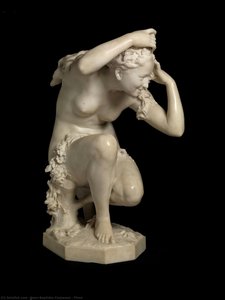
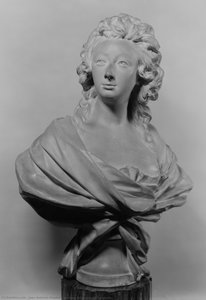
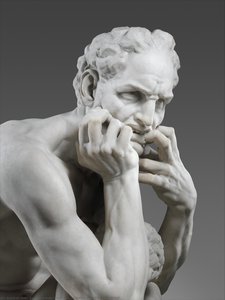
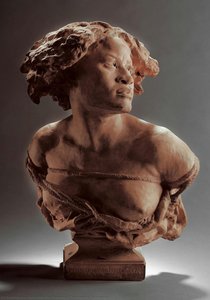
Über den Künstler
Jean-Baptiste Carpeaux: Eine Biografie
- Geboren: Valenciennes, Frankreich (1827)
- Gestorben: 1875
Frühes Leben und künstlerische Entwicklung
Jean-Baptiste Carpeaux wurde 1827 in Valenciennes, Frankreich, in einer Familie von Steinmetzen geboren. Diese frühe Auseinandersetzung mit Handwerkskunst beeinflusste wahrscheinlich seine späteren künstlerischen Bestrebungen. Er studierte zunächst unter François Rude, einem bekannten Bildhauer, der für seine Arbeit am Arc de Triomphe berühmt ist. 1844 trat Carpeaux in die École des Beaux-Arts ein und verbesserte dort seine Fähigkeiten weiter und entwickelte seine künstlerische Vision.
Wichtige Leistungen und bemerkenswerte Werke
Carpeaux erlangte im Laufe seiner Karriere bedeutende Anerkennung, insbesondere während der Zweiten Kaiserzeit unter Napoleon III. Sein Talent wurde offiziell anerkannt, als er 1854 den Prix de Rome gewann. Diese prestigeträchtige Auszeichnung ermöglichte es ihm, in Rom zu studieren, wo er sich von den Meisterwerken Michelangelos, Donatellos und Verrocchios inspirieren ließ.
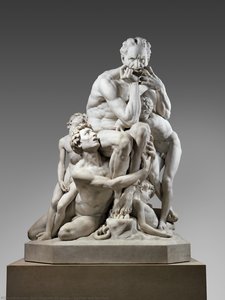
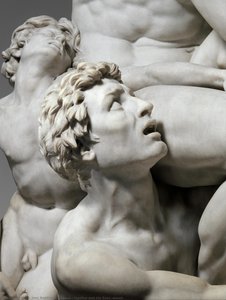
- Ugolino und seine Söhne: Eine kraftvolle und emotional aufgeladene Skulptur im Metropolitan Museum of Art.
- Pêcheur napolitain à la coquille (Neapolitanischer Fischerjunge): Im Musée du Louvre ausgestellt, verkörpert dieses Werk seinen naturalistischen Stil.
- La Danse: Eine hohe Reliefskulptur, die die Fassade der Opéra Garnier in Paris schmückt und dynamische Bewegung und Anmut zeigt.
- Die Negerin (La négresse): Eine eindrucksvolle Tonsskulptur, die ausdrucksstarken Realismus und klassische Einflüsse demonstriert.
Stil und Einflüsse
Carpeaux’ künstlerischer Stil zeichnet sich durch Naturalismus, Dynamik und emotionale Tiefe aus. Er löste sich von der starren Formalität der neoklassischen Skulptur und entwickelte einen fließenderen und ausdrucksstärkeren Ansatz. Seine Arbeit spiegelt die ästhetische Sensibilität der Zweiten Kaiserzeit wider, die Elemente verschiedener historischer Stile integrierte und gleichzeitig moderne Materialien auf innovative Weise nutzte.
- Naturalismus: Carpeaux bemühte sich, Figuren mit anatomischer Genauigkeit und realistischen Details darzustellen.
- Bewegung: Er fing geschickt ein Gefühl von Bewegung und Energie in seinen Skulpturen ein, was ihn von vielen seiner Zeitgenossen unterschied.
- Emotion: Seine Werke sind von kraftvollen Emotionen durchdrungen und vermitteln Erzählungen und psychologische Tiefe.
Vermächtnis und Einfluss
Jean-Baptiste Carpeaux starb am 12. Oktober 1875, aber sein Einfluss wirkt bis heute in der Kunstwelt fort. Er gilt als einer der wichtigsten Bildhauer des 19. Jahrhunderts, ein Vorläufer von Auguste Rodin, dessen Werk auf Carpeaux’ Innovationen bei der Darstellung von Bewegung und Emotion aufbaute. Seine Skulpturen werden in bedeutenden Museen auf der ganzen Welt ausgestellt, darunter im Musée d'Orsay in Paris.
- Schüler: Zu den bemerkenswerten Schülern gehörten Jules Dalou, Jean-Louis Forain und der amerikanische Bildhauer Olin Levi Warner.
- Vorläufer von Rodin: Carpeaux’ Betonung des Naturalismus und der ausdrucksstarken Bewegung ebnete den Weg für Rodins bahnbrechende Skulpturen.
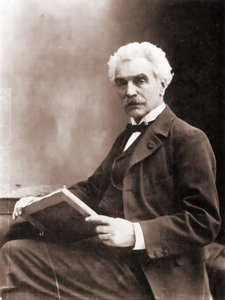
Jean-Baptiste Carpeaux
1827 - 1875 , Frankreich
Kurzinfos
- Artistic Movement Or Style: Realismus, Zweite Empire-Stil
- Artists Or Movements Influenced By This Artist:
- Jules Dalou
- Jean-Louis Forain
- Olin Levi Warner
- Artists Who Influenced This Artist:
- Michelangelo
- Donatello
- Verrocchio
- François Rude
- Date Of Birth: 11. Mai 1827
- Date Of Death: 12. Oktober 1875
- Full Name: Jean-Baptiste Carpeaux
- Nationality: Französisch
- Notable Artworks:
- Pêcheur napolitain à la coquille
- La Danse
- Ugolino und seine Söhne
- Die Negerin (La négresse)
- Place Of Birth (City And Country): Valenciennes, Frankreich
Ähnliche Artikel
The Enduring Allure of Marble in Art History: From Classical Sculpture to Modern Abstraction
Explore the captivating history of marble sculpture from ancient Greece to modern art. Discover renowned artists like Canova & Michelangelo, carving techniques, and investment insights at ArtsDot.

Jean-Baptiste Carpeaux: Sculpting Passion & Controversy in 19th-Century France
Explore the passionate life & controversial works of Jean-Baptiste Carpeaux, a leading French sculptor of the Second Empire. Discover his realism, iconic sculptures like 'Ugolino,' and lasting legacy as a precursor to Rodin.

Bronze-Meisterwerke: Die 10 Skulpturen, die Kunstgeschichte schrieben | ArtsDot
Entdecken Sie die 10 legendärsten Bronze Skulpturen der Kunstgeschichte! Von Michelangelo bis Rodin – erfahren Sie die Geschichten hinter den Meisterwerken und lassen Sie sich von Wanddeko-Ideen inspirieren. Hochwertige Kunstdrucke auf ArtsDot.com.

The Enduring Form: Exploring Themes & Techniques in Sculpture Across Historical Periods
Explore the rich history of sculpture from ancient masterpieces to contemporary innovations. Discover key techniques, influential artists & investment potential for discerning art collectors.
The Enduring Form: Sculpture Across History, Technique & Emotional Resonance
Explore the rich history of sculpture with ArtsDot. Discover key techniques, influential artists & investment potential for discerning collectors. Expert insights into valuing and collecting timeless masterpieces.