 Versenden
 Teilen
 Details anzeigen

 Herunterladen
 Ähnliche Objekte
 Diashow
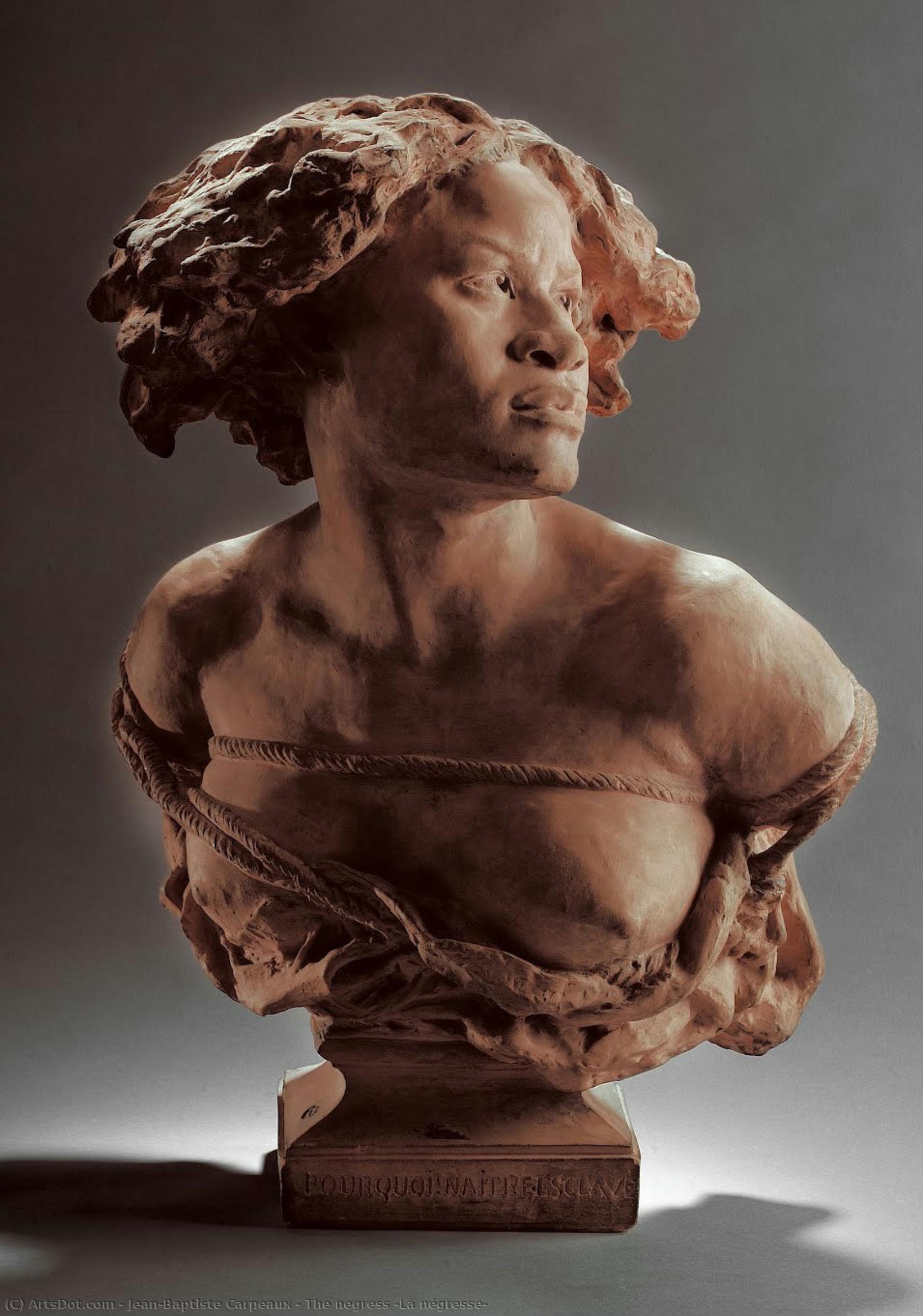
The negress (La négresse)


 Weiterlesen
Giclée / Kunstdruck
Giclée- oder Leinwanddruck in Museumsqualität mit schneller Produktion und flexiblen Veredelungsoptionen. ( Handgemalte Reproduktion bestellen Bild kaufen)




































Wählen Sie aus unseren vordefinierten Formaten, die den ursprünglichen Proportionen des Kunstwerks entsprechen.

Sie können Ihre eigenen Maße eingeben, um ein bestimmtes Format oder einen speziellen Platz einzupassen. Wenn das von Ihnen gewählte Format nicht den Proportionen des Originalbildes entspricht, werden wir das Kunstwerk entweder beschneiden oder das Bild mit einem gespiegelten oder einfarbigen Rand erweitern. Ein digitaler Entwurf wird Ihnen zur Genehmigung zugesandt, bevor die Produktion beginnt.
Bitte beachten Sie, dass die Vorschau auf dem Bildschirm nicht den tatsächlichen Zuschnitt oder die Erweiterung widerspiegelt. Nur der Entwurf zeigt die endgültige Komposition präzise an.
Obwohl Sondermaße verfügbar sind, empfehlen wir die Auswahl eines Maßes aus der vordefinierten Liste, um die ursprünglichen Proportionen zu bewahren.
Weltweiter Versand () innerhalb von 2 Wochen statt der üblichen 4/5 Wochen. (24 August)

Kostenloser weltweiter Expressversand

Hochwertige Leinenleinwand

Umfassender Versicherungsschutz beim Versand

Zollgebühren-Rückerstattungsgarantie

Garantie für exakte Farbtreue

60 Tage Rückgaberecht (nur bei Mängeln)

100% Geld-zurück-Garantie

Mengenrabatt verfügbar
 Die Glasoption ist nur für Größen unter 110 cm verfügbar.

The negress (La négresse)
Giclée / Kunstdruck
Format der Reproduktion
-


Gesamtpreis
$ 62
Sammlerstück-Beschreibung
A Portrait of Melancholy: Jean-Baptiste Carpeaux’s “La Négresse”
Jean-Baptiste Carpeaux's "La Négresse," completed in 1868, is not merely a sculpture; it’s a poignant and complex meditation on beauty, race, and the enduring legacy of colonialism. This arresting bronze bust, currently residing within the collection of the Metropolitan Museum of Art, immediately commands attention with its strikingly realistic depiction of an unidentified Black woman. Carpeaux, a master sculptor deeply influenced by both classical tradition and the burgeoning spirit of Romanticism, crafted this piece during a period of intense social and political upheaval in France – a time grappling with the complexities of abolition and the lingering effects of slavery.
The sculpture’s genesis lies within Carpeaux's ambitious project for the “Fontaine de l’Observatoire,” a monumental fountain intended to adorn Paris’s Avenue de l’Observatoire. This fountain, designed as an allegory of the four continents, featured a series of female figures representing Asia, Europe, America, and Africa. "La Négresse" was conceived as one of these figures, embodying the African continent. However, its placement within this broader context reveals a subtle tension – a recognition that simply depicting a Black woman does not automatically dismantle the structures of racial representation. The sculpture’s initial presentation, alongside the other continental figures, served to reinforce existing stereotypes and perpetuate a colonial gaze.
A Study in Realism and Baroque Influence
Carpeaux's technical skill is immediately evident in "La Négresse." The bronze itself possesses a remarkable tactile quality – a dense, almost velvety surface that captures the subtle nuances of light and shadow. The modeling is incredibly detailed, from the delicate curve of her lips to the intricate folds of her hair. This meticulous realism is deeply rooted in Carpeaux’s training at the École des Beaux-Arts, where he honed his ability to render human anatomy with astonishing accuracy. Yet, this technical mastery is interwoven with a distinctly Baroque sensibility – a dramatic use of light and shadow, an emphasis on emotional expression, and a dynamic sense of movement captured within a static form.
The pose itself is crucial. “La Négresse” isn’t presented in a serene or idealized manner. Instead, she holds her head slightly tilted, her gaze directed downwards with a quiet intensity. Her hands are loosely bound, creating an ambiguity that invites interpretation – are they symbols of restraint, or perhaps a subtle assertion of agency? The sculptor masterfully conveys a sense of melancholy and introspection, suggesting a profound inner life beneath the surface.
Symbolism and Historical Context
The sculpture’s significance extends far beyond its aesthetic qualities. "La Négresse" was created in 1868, just two decades after France officially abolished slavery in its colonies. However, the legacy of slavery continued to permeate French society, shaping attitudes and reinforcing racial hierarchies. Carpeaux's work, therefore, must be understood within this complex historical context. The inscription “Pourquoi Naître Enslaved!” (“Why Born a Slave?”) etched onto the base further underscores the sculpture’s critical engagement with the institution of slavery and its devastating impact on individuals and communities.
Interestingly, Carpeaux's decision to depict an unidentified woman adds another layer of complexity. The lack of specific details forces viewers to confront their own preconceptions about race and identity. Is she a representation of all Black women? Or does her anonymity serve as a reminder that the experience of slavery was profoundly diverse and individual? The sculpture’s ambiguity compels us to consider the ways in which representations can both perpetuate and challenge dominant narratives.
A Timeless Reflection on Beauty, Identity, and Colonial Legacy
"La Négresse" remains a powerfully resonant work of art. It is a testament to Carpeaux's artistic genius, but also a stark reminder of the enduring legacy of colonialism and racial injustice. The sculpture’s quiet intensity, coupled with its technical brilliance, invites viewers to contemplate profound questions about beauty, identity, and the responsibility of artists to engage critically with the social and political realities of their time. Reproductions of this piece offer an opportunity to bring this important work into homes and spaces, prompting ongoing dialogue and reflection on a complex and vital chapter in art history.
Ähnliche Kunstwerke

Über den Künstler
Jean-Baptiste Carpeaux: Eine Biografie
- Geboren: Valenciennes, Frankreich (1827)
- Gestorben: 1875
Frühes Leben und künstlerische Entwicklung
Jean-Baptiste Carpeaux wurde 1827 in Valenciennes, Frankreich, in einer Familie von Steinmetzen geboren. Diese frühe Auseinandersetzung mit Handwerkskunst beeinflusste wahrscheinlich seine späteren künstlerischen Bestrebungen. Er studierte zunächst unter François Rude, einem bekannten Bildhauer, der für seine Arbeit am Arc de Triomphe berühmt ist. 1844 trat Carpeaux in die École des Beaux-Arts ein und verbesserte dort seine Fähigkeiten weiter und entwickelte seine künstlerische Vision.
Wichtige Leistungen und bemerkenswerte Werke
Carpeaux erlangte im Laufe seiner Karriere bedeutende Anerkennung, insbesondere während der Zweiten Kaiserzeit unter Napoleon III. Sein Talent wurde offiziell anerkannt, als er 1854 den Prix de Rome gewann. Diese prestigeträchtige Auszeichnung ermöglichte es ihm, in Rom zu studieren, wo er sich von den Meisterwerken Michelangelos, Donatellos und Verrocchios inspirieren ließ.
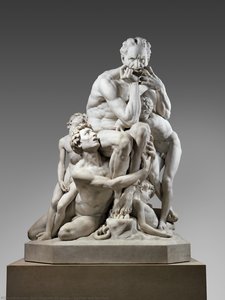
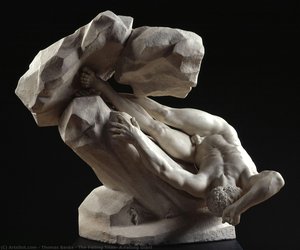
- Ugolino und seine Söhne: Eine kraftvolle und emotional aufgeladene Skulptur im Metropolitan Museum of Art.
- Pêcheur napolitain à la coquille (Neapolitanischer Fischerjunge): Im Musée du Louvre ausgestellt, verkörpert dieses Werk seinen naturalistischen Stil.
- La Danse: Eine hohe Reliefskulptur, die die Fassade der Opéra Garnier in Paris schmückt und dynamische Bewegung und Anmut zeigt.
- Die Negerin (La négresse): Eine eindrucksvolle Tonsskulptur, die ausdrucksstarken Realismus und klassische Einflüsse demonstriert.
Stil und Einflüsse
Carpeaux’ künstlerischer Stil zeichnet sich durch Naturalismus, Dynamik und emotionale Tiefe aus. Er löste sich von der starren Formalität der neoklassischen Skulptur und entwickelte einen fließenderen und ausdrucksstärkeren Ansatz. Seine Arbeit spiegelt die ästhetische Sensibilität der Zweiten Kaiserzeit wider, die Elemente verschiedener historischer Stile integrierte und gleichzeitig moderne Materialien auf innovative Weise nutzte.
- Naturalismus: Carpeaux bemühte sich, Figuren mit anatomischer Genauigkeit und realistischen Details darzustellen.
- Bewegung: Er fing geschickt ein Gefühl von Bewegung und Energie in seinen Skulpturen ein, was ihn von vielen seiner Zeitgenossen unterschied.
- Emotion: Seine Werke sind von kraftvollen Emotionen durchdrungen und vermitteln Erzählungen und psychologische Tiefe.
Vermächtnis und Einfluss
Jean-Baptiste Carpeaux starb am 12. Oktober 1875, aber sein Einfluss wirkt bis heute in der Kunstwelt fort. Er gilt als einer der wichtigsten Bildhauer des 19. Jahrhunderts, ein Vorläufer von Auguste Rodin, dessen Werk auf Carpeaux’ Innovationen bei der Darstellung von Bewegung und Emotion aufbaute. Seine Skulpturen werden in bedeutenden Museen auf der ganzen Welt ausgestellt, darunter im Musée d'Orsay in Paris.
- Schüler: Zu den bemerkenswerten Schülern gehörten Jules Dalou, Jean-Louis Forain und der amerikanische Bildhauer Olin Levi Warner.
- Vorläufer von Rodin: Carpeaux’ Betonung des Naturalismus und der ausdrucksstarken Bewegung ebnete den Weg für Rodins bahnbrechende Skulpturen.
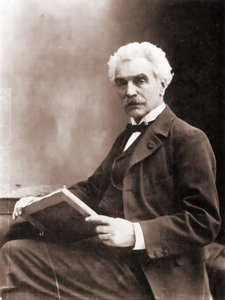
Jean-Baptiste Carpeaux
1827 - 1875 , Frankreich
Kurzinfos
- Artistic Movement Or Style: Realismus, Zweite Empire-Stil
- Artists Or Movements Influenced By This Artist:
- Jules Dalou
- Jean-Louis Forain
- Olin Levi Warner
- Artists Who Influenced This Artist:
- Michelangelo
- Donatello
- Verrocchio
- François Rude
- Date Of Birth: 11. Mai 1827
- Date Of Death: 12. Oktober 1875
- Full Name: Jean-Baptiste Carpeaux
- Nationality: Französisch
- Notable Artworks:
- Pêcheur napolitain à la coquille
- La Danse
- Ugolino und seine Söhne
- Die Negerin (La négresse)
- Place Of Birth (City And Country): Valenciennes, Frankreich
Ähnliche Artikel

Bronze-Meisterwerke: Die 10 Skulpturen, die Kunstgeschichte schrieben | ArtsDot
Entdecken Sie die 10 legendärsten Bronze Skulpturen der Kunstgeschichte! Von Michelangelo bis Rodin – erfahren Sie die Geschichten hinter den Meisterwerken und lassen Sie sich von Wanddeko-Ideen inspirieren. Hochwertige Kunstdrucke auf ArtsDot.com.

Jean-Baptiste Carpeaux: Sculpting Passion & Controversy in 19th-Century France
Explore the passionate life & controversial works of Jean-Baptiste Carpeaux, a leading French sculptor of the Second Empire. Discover his realism, iconic sculptures like 'Ugolino,' and lasting legacy as a precursor to Rodin.

The Enduring Form: Exploring Themes & Techniques in Sculpture Across Historical Periods
Explore the rich history of sculpture from ancient masterpieces to contemporary innovations. Discover key techniques, influential artists & investment potential for discerning art collectors.

Die 10 legendärsten Bronzestatuen: Meisterwerke, die Kunstgeschichte schrieben | ArtsDot
Entdecken Sie die 10 legendärsten Bronzestatuen der Kunstgeschichte! Von Rodin bis Michelangelo – erfahren Sie die Geschichten hinter ikonischen Skulpturen und finden Sie hochwertige Reproduktionen für Ihr Zuhause. Jetzt bei ArtsDot entdecken!

The Enduring Form: Sculpture Across History, Technique & Emotional Resonance
Explore the rich history of sculpture with ArtsDot. Discover key techniques, influential artists & investment potential for discerning collectors. Expert insights into valuing and collecting timeless masterpieces.