 Vorschau anzeigen
 Versenden
 Teilen
 Details anzeigen

 Herunterladen
 Ähnliche Objekte
 Röntgenaufnahme
 Diashow
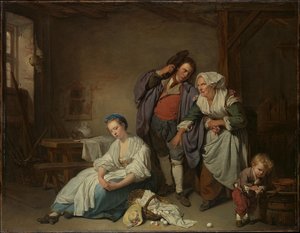
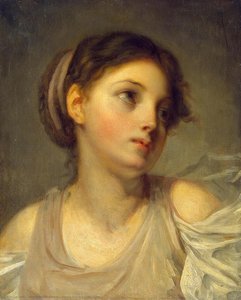
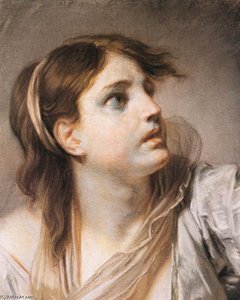
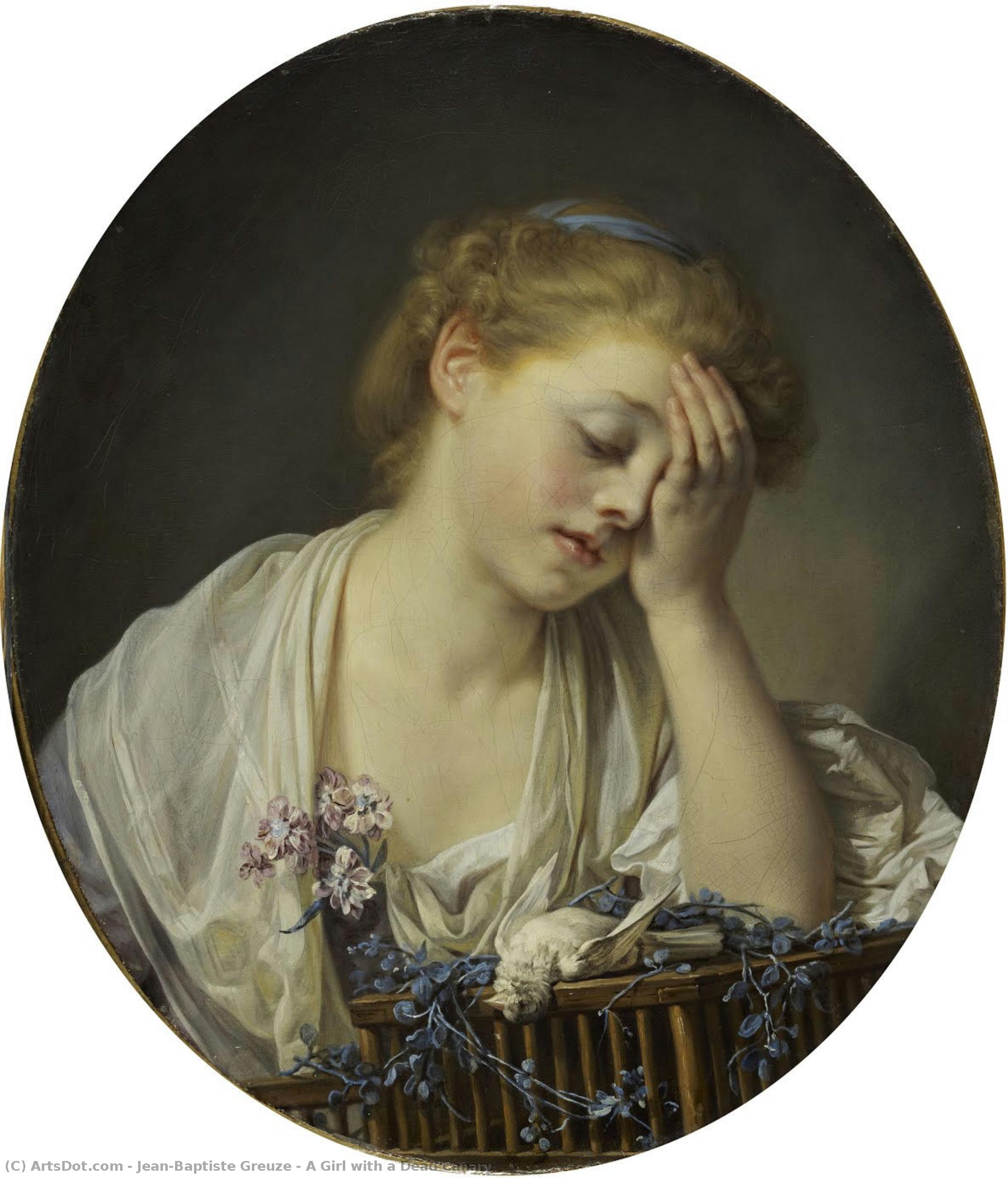
A Girl with a Dead Canary


 Weiterlesen
Handgefertigte Ölreproduktion
Handgemaltes Ölgemälde auf Leinwand in Ihrer Wunschgröße und mit Rahmen, auf Bestellung von unseren Künstlern angefertigt. ( Druck bestellen Bild kaufen)




P118B $10

P118H $10

P118W $10

P438Z $10

P508JH $12

P508YH $12

P805H $10

P805Z $10

P919BZ $10

P919G $10

P919XJ $10

P959ZH $10

P968JZ $12

W106C $8

W218G $10

W218JH $8

W218Y $10

W307PJ $10

W316G $10

W316PJ $8

W316Y $10

W398PJ $8

W4111J $10

W500HY $15

W500JH $15

W692G $12

W849H $8

W940BG $15

W953PJ $8




Wählen Sie aus unseren vordefinierten Formaten, die den ursprünglichen Proportionen des Kunstwerks entsprechen.

Sie können Ihre eigenen Maße eingeben, um einen bestimmten Rahmen oder Platz auszufüllen. Wenn die gewählte Größe nicht den Proportionen des Originalbildes entspricht, werden wir das Kunstwerk entweder beschneiden oder das Gemälde durch zusätzliche, handgemalte Elemente erweitern. Ein digitales Mockup wird Ihnen zur Genehmigung zugesandt, bevor die Produktion beginnt.
Bitte beachten Sie, dass die Bildschirmvorschau nicht die tatsächliche Beschneidung oder Erweiterung widerspiegelt. Nur das Mockup zeigt die endgültige Komposition exakt an.
Obwohl Sondermaße verfügbar sind, empfehlen wir, eine Größe aus der vordefinierten Liste zu wählen, um die ursprünglichen Proportionen beizubehalten.
Nach der Bestellung wird das ArtsDot.com-Team dem Kunden Anweisungen per E-Mail zusenden und eine Mockup-Vorschau bereitstellen.
Weltweiter Versand () in nur 3 bis 4 Wochen statt der üblichen 5 Wochen. (31 August). Keine Kompromisse bei der Qualität.

Kostenloser weltweiter Expressversand

Hochwertige Leinenleinwand

Umfassender Versicherungsschutz beim Versand

Zollgebühren-Rückerstattungsgarantie

Garantie für exakte Farbtreue

60 Tage Rückgaberecht (nur bei Mängeln)

100% Geld-zurück-Garantie

Mengenrabatt verfügbar
 Die Glasoption ist nur für Größen unter 110 cm verfügbar.

A Girl with a Dead Canary
Art der Reproduktion
Format der Reproduktion
-


Gesamtpreis
$ 263
A Portrait of Sorrow: Jean-Baptiste Greuze’s “A Girl with a Dead Canary”
Jean-Baptiste Greuze's "A Girl with a Dead Canary" (c. 1765) is not merely a painting; it’s a distilled essence of eighteenth-century sentimentality, a poignant tableau capturing the raw vulnerability of youth and the crushing weight of loss. Painted in oil on canvas, this work immediately draws the viewer into its melancholic embrace, offering a glimpse into the world of a young woman grappling with profound grief. The scene unfolds within a modestly furnished interior – a simple room suggesting domesticity yet hinting at isolation – dominated by a pale, almost ethereal figure seated before a small table. Her posture is one of utter dejection; her hand pressed to her face, obscuring her features and conveying an overwhelming sadness. The dead canary, lying lifeless in its cage beside her, serves as the central symbol of her despair, representing not just a lost pet but perhaps also a shattered innocence or a broken connection.
A Masterclass in Sentimentalism
Greuze’s genius lay in his ability to evoke intense emotion through seemingly simple compositions and restrained color palettes. He was a pioneer of the “genre painting” style, which focused on depicting scenes from everyday life – often imbued with moral or emotional significance. Unlike the grand historical paintings favored by the Académie Royale de France, Greuze’s subjects were typically ordinary people, caught in moments of vulnerability and suffering. His technique is characterized by a meticulous attention to detail, particularly in rendering the textures of fabrics and the delicate feathers of the bird. The use of chiaroscuro – dramatic contrasts between light and shadow – further intensifies the emotional impact, highlighting the girl’s face and emphasizing her isolation within the dimly lit room. Notice how he uses subtle gradations of color to create a sense of depth and atmosphere, drawing the viewer into the scene.
Historical Context: The Rise of Sentimentality
To fully appreciate “A Girl with a Dead Canary,” it’s crucial to understand the cultural context in which it was created. The mid-18th century witnessed a burgeoning interest in sentimentality – an emphasis on emotional experience and moral instruction. The Enlightenment, while championing reason, also fostered a growing appreciation for empathy and compassion. Greuze perfectly captured this shift by portraying characters consumed by grief, guilt, or remorse. His work resonated deeply with the public, who were increasingly drawn to narratives that explored the complexities of human emotion. The painting was created during a period when societal expectations placed immense pressure on women, particularly regarding their roles as mothers and caregivers – a theme subtly present in the girl’s sorrowful expression.
Symbolism and Interpretation
Beyond the immediate depiction of grief, “A Girl with a Dead Canary” is rich in symbolic meaning. The canary itself is a potent symbol of fragility, beauty, and fleeting life – qualities that are all tragically lost in this scene. The girl’s white dress, traditionally associated with purity and innocence, further underscores her vulnerability. Some art historians suggest the painting may also be interpreted as an allegory for the loss of childhood or the disillusionment that can accompany adulthood. The closed shutters visible in the background contribute to a sense of confinement and isolation, mirroring the girl's emotional state. The overall composition invites contemplation on themes of mortality, regret, and the enduring power of sorrow.
A Timeless Portrait of Human Emotion
“A Girl with a Dead Canary” remains a profoundly moving work of art, captivating viewers centuries after its creation. Greuze’s masterful use of light, color, and composition, combined with his ability to evoke genuine emotion, ensures that this painting continues to resonate with audiences today. It is a testament to the power of art to capture the complexities of human experience and to remind us of our shared capacity for sorrow and empathy. Reproductions of this iconic piece offer a beautiful way to bring this poignant scene into any space, serving as a constant reminder of the fragility of life and the enduring strength of the human spirit.
Ähnliche Kunstwerke
Über den Künstler
Frühe Jahre und Ausbildung
Jean-Baptiste Greuze, ein französischer Maler, wurde am 21. August 1725 in Tournus, Burgund, geboren. Sein Vater, ein Dachdeckermeister, ermutigte seinen Sohn zunächst nicht zu künstlerischen Neigungen, aber schließlich förderte Grandon, ein lyonesischer Künstler, Greuze, seine Leidenschaft zu verfolgen. Im Jahr 1750 zog Greuze nach Paris, um unter Charles-Joseph Natoire an der Königlichen Akademie für Malerei und Bildhauerei zu studieren.Aufstieg zum Ruhm
Greuzes Durchbruch kam 1755 mit seinem Gemälde „Le Père de famille expliquant la bible à ses enfants“, das von einem wohlhabenden Kunstliebhaber, Ange-Laurent Lalive de Jully, erworben wurde. Dies führte zu Greuzes Anerkennung in der philosophischen und Kunstgemeinschaft. Er reiste daraufhin mit Abbé Gougenot nach Italien, wo er etwa ein Jahr verbrachte und seine zukünftigen Werke inspirierte.Künstlerischer Stil und bemerkenswerte Werke
Greuzes Stil ist durch seinen Fokus auf Genreszenen gekennzeichnet, die das Wesen des täglichen Lebens einfangen. Einige bemerkenswerte Werke sind:- „A Girl with a Dead Canary“ (Scottish National Gallery, Edinburgh), das Greuzes Fähigkeit zeigt, Emotionen hervorzurufen.
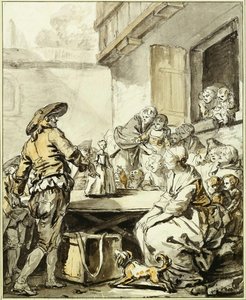
- „Savoyard with a Dancing Doll“ (Albertina, Wien), das seine Fähigkeit hervorhebt, den Geist seiner Sujets einzufangen.
- „Boy with a Broken Egg“, um 1756 (Albertina, Wien), das Greuzes frühes Können in der Genresmalerei demonstriert.
Vermächtnis und spätere Jahre
Greuzes Erfolg gipfelte 1765 mit dreizehn Werken, die im Salon ausgestellt wurden, darunter „La jeune fille qui pleure son oiseau mort“, „La bonne mère“ und „Le mauvais fils puni“ (Louvre). Sein Versuch, in die historische Malerei überzugehen, wurde jedoch kritisiert. Greuze verstarb am 4. März 1805 im Louvre, nach einem Leben, das von sowohl künstlerischen Triumphen als auch finanziellen Schwierigkeiten geprägt war.Einflüsse und Entwicklung
Greuzes Werk zeigt Einflüsse der niederländischen Genresmalerei des 17. Jahrhunderts, insbesondere in seiner Darstellung alltäglicher Szenen und seinem Fokus auf Details. Er kombinierte Elemente des Rokoko-Stils mit realistischen Elementen, was zu einem einzigartigen Stil führte, der sowohl sentimental als auch moralisierend war. Seine frühen Werke wie „Boy with a Broken Egg“ zeigen bereits seine Fähigkeit, Emotionen durch subtile Gesichtsausdrücke und Gesten darzustellen. Im Laufe seiner Karriere versuchte Greuze sich auch historischen Themen zuzuwenden, was jedoch weniger erfolgreich war und von Kritik begleitet wurde. Trotzdem bleibt er als einer der bedeutendsten Vertreter der Genresmalerei des 18. Jahrhunderts in Frankreich anerkannt.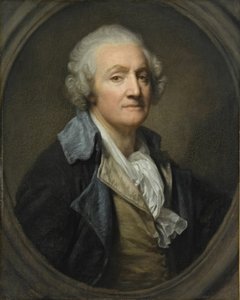
Jean-Baptiste Greuze
1725 - 1805 , Frankreich
Kurzinfos
- Bemerkenswerte Werke:
- Le Père de Famille expliquant la Bible
- A Girl with a Dead Canary
- Savoyard mit einer Tanzpuppe
- Boy with a Broken Egg
- Einflussreiche Künstler: ['Charles-Joseph Natoire']
- Geburtsdatum: 21. August 1725
- Geburtsort: Tournus, Frankreich
- Künstlerische Bewegung: Rokoko
- Nationalität: Französisch
- Sterbedatum: 4. März 1805
- Vollständiger Name: Jean-Baptiste Greuze
Ähnliche Artikel
The Visceral Language of Loss: Exploring Grief's Depiction in Art History
Explore the profound history of grief in art with ArtsDot. Discover Renaissance & Baroque masterpieces depicting loss, mourning, and faith. Expert insights & handmade reproductions available.
Echoes of Loss: Exploring Representations of Grief Across Art History
Explore the profound history of grief in art, from Renaissance masterpieces to Baroque drama. Discover how artists captured loss, mourning & faith through powerful imagery. Expert insights at ArtsDot.
Jean-Baptiste Greuze: Moral, Gefühl und der Aufstieg der Genremalerei
Entdecken Sie das Werk von Jean-Baptiste Greuze – dem Meister der Genremalerei! Erfahren Sie mehr über seine moralischen Botschaften, den Einfluss der Aufklärung und sein bleibendes Vermächtnis in der Kunstgeschichte.
Echoes of Absence: Loss & Grief in Visual Art Through the Ages
Explore the profound history of grief in art, from Renaissance masterpieces to contemporary expressions. Discover how artists have captured loss, mourning, and mortality through powerful imagery & symbolism. ArtsDot offers expert insights.
Egon Schiele: Die 25 Meisterwerke des Expressionismus für Ihr Zuhause | ArtsDot
Entdecken Sie die 25 bedeutendsten Gemälde von Egon Schiele! Tauchen Sie ein in die Welt des Expressionismus, erfahren Sie mehr über seine Technik und emotionale Tiefe. Hochwertige Kunstdrucke & Leinwandbilder auf ArtsDot.com.