 Vorschau anzeigen
 Versenden
 Teilen
 Details anzeigen

 Herunterladen
 Ähnliche Objekte
 Röntgenaufnahme
 Diashow
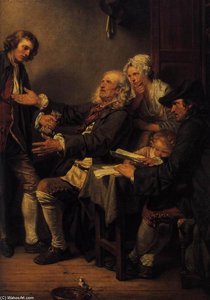
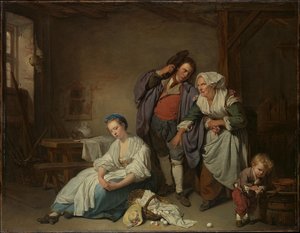
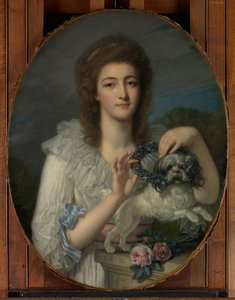
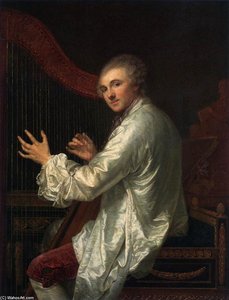
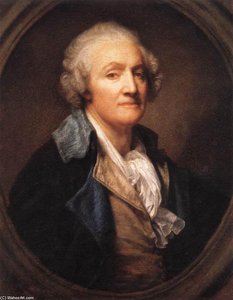
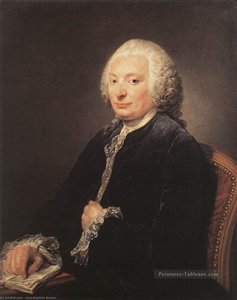
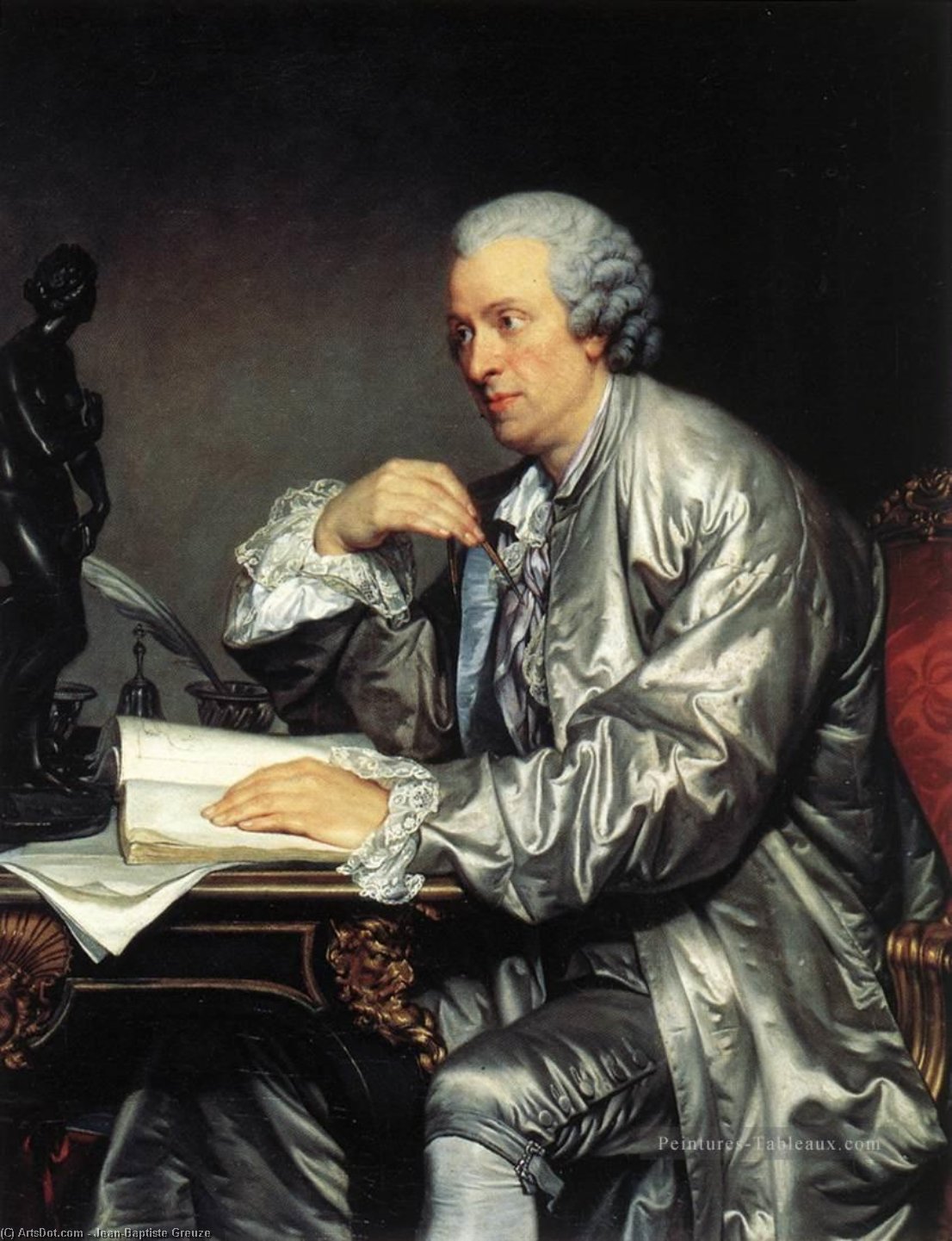
Portrait of Claude-Henri Watalet
 Oil On Canvas
- WallArt
- Romantic Sentiment
 1763
1763- Early Modern
 115.0 x 88.0 cm
 Louvre
 Weiterlesen
Handgefertigte Ölreproduktion
Handgemaltes Ölgemälde auf Leinwand in Ihrer Wunschgröße und mit Rahmen, auf Bestellung von unseren Künstlern angefertigt. ( Druck bestellen Bild kaufen)




P118B $10

P118H $10

P118W $10

P438Z $10

P508JH $12

P508YH $12

P805H $10

P805Z $10

P919BZ $10

P919G $10

P919XJ $10

P959ZH $10

P968JZ $12

W106C $8

W218G $10

W218JH $8

W218Y $10

W307PJ $10

W316G $10

W316PJ $8

W316Y $10

W398PJ $8

W4111J $10

W500HY $15

W500JH $15

W692G $12

W849H $8

W940BG $15

W953PJ $8




Wählen Sie aus unseren vordefinierten Formaten, die den ursprünglichen Proportionen des Kunstwerks entsprechen.

Sie können Ihre eigenen Maße eingeben, um einen bestimmten Rahmen oder Platz auszufüllen. Wenn die gewählte Größe nicht den Proportionen des Originalbildes entspricht, werden wir das Kunstwerk entweder beschneiden oder das Gemälde durch zusätzliche, handgemalte Elemente erweitern. Ein digitales Mockup wird Ihnen zur Genehmigung zugesandt, bevor die Produktion beginnt.
Bitte beachten Sie, dass die Bildschirmvorschau nicht die tatsächliche Beschneidung oder Erweiterung widerspiegelt. Nur das Mockup zeigt die endgültige Komposition exakt an.
Obwohl Sondermaße verfügbar sind, empfehlen wir, eine Größe aus der vordefinierten Liste zu wählen, um die ursprünglichen Proportionen beizubehalten.
Nach der Bestellung wird das ArtsDot.com-Team dem Kunden Anweisungen per E-Mail zusenden und eine Mockup-Vorschau bereitstellen.
Weltweiter Versand () in nur 3 bis 4 Wochen statt der üblichen 5 Wochen. (30 August). Keine Kompromisse bei der Qualität.

Kostenloser weltweiter Expressversand

Hochwertige Leinenleinwand

Umfassender Versicherungsschutz beim Versand

Zollgebühren-Rückerstattungsgarantie

Garantie für exakte Farbtreue

60 Tage Rückgaberecht (nur bei Mängeln)

100% Geld-zurück-Garantie

Mengenrabatt verfügbar
 Die Glasoption ist nur für Größen unter 110 cm verfügbar.

Portrait of Claude-Henri Watalet
Art der Reproduktion
Format der Reproduktion
-


Gesamtpreis
$ 263
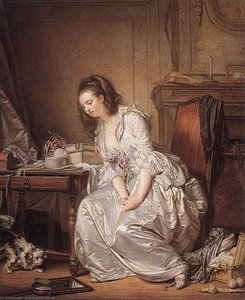
A Portrait Steeped in Sentiment: Jean-Baptiste Greuze’s “Portrait of Claude-Henri Watalet”
The year is 1763, and nestled within the opulent salons of Parisian society resides a painting that transcends mere representation—Jean-Baptiste Greuze’s “Portrait of Claude-Henri Watalet.” More than just an image of a gentleman, it embodies the very essence of the burgeoning sentimental movement that captivated Europe during the Enlightenment. This artwork isn't merely observed; it’s felt – a testament to Greuze’s unparalleled ability to translate emotion onto canvas.The Subject and Style: An Embodiment of Refinement
Claude-Henri Watalet, depicted with meticulous detail, embodies the ideals of aristocratic virtue. He sits poised at a desk, bathed in soft light emanating from a window behind him—a deliberate compositional choice designed to convey serenity and contemplation. The man wears a meticulously crafted suit, adorned with subtle lace accents – symbols of status and sophistication characteristic of the period. His gaze is directed downwards, suggesting introspection and perhaps melancholy; Greuze expertly captures the nuances of human psychology, prioritizing emotional resonance over idealized beauty. This stylistic preference distinguishes Greuze from his contemporaries who favored grand historical narratives or mythological allegories. Instead, he focused on capturing fleeting expressions of feeling—a radical departure from artistic conventions that would define his legacy.Technique: Delicate Brushwork and Atmospheric Depth
Greuze’s technique is remarkable for its subtlety and precision. He employed a glazing method – applying thin layers of translucent paint over underlying colors – to achieve an astonishing level of atmospheric depth and luminosity. This painstaking process allowed him to render textures with breathtaking realism, particularly in the fabric of Watalet's suit and the folds of his waistcoat. The artist’s brushstrokes are delicate yet confident, conveying a sense of movement and capturing the ephemeral quality of human emotion. Notably, Greuze utilized pastel chalk extensively, supplementing oil paints with this medium to achieve vibrant hues and create luminous highlights—a technique that would become synonymous with his distinctive style.Historical Context: Sentimentality’s Rise in Parisian Culture
“Portrait of Claude-Henri Watalet” emerged during a pivotal moment in French cultural history – the ascendance of sentimentalism. This artistic movement championed empathy, compassion, and psychological realism, reacting against the rationalism prevalent in earlier eras. Influenced by thinkers like Rousseau and Voltaire, sentimental painters sought to evoke powerful emotions within their viewers—love, grief, regret—rather than simply presenting idealized figures or recounting heroic tales. Greuze’s work aligns perfectly with this aesthetic sensibility, reflecting a broader societal preoccupation with moral virtue and emotional sincerity. The painting speaks to the anxieties of its time – concerns about social responsibility and the importance of cultivating inner harmony – themes that continue to resonate with audiences today.Symbolism: Objects as Vessels of Emotion
Beyond Watalet himself, several elements within the composition contribute to the artwork’s symbolic significance. The desk serves as a focal point for contemplation, representing intellect and ambition. However, it is overshadowed by the presence of two books—symbols of knowledge and learning—yet they are positioned slightly off-center, hinting at an imbalance between reason and emotion. A vase sits quietly in the background, offering a visual respite from the intensity of the scene and suggesting a yearning for tranquility. Finally, the clock mounted on the wall underscores the passage of time – a reminder that beauty and virtue must be cherished while they endure. These carefully chosen objects amplify the painting’s emotional impact, inviting viewers to contemplate the complexities of human experience.Emotional Impact: A Window into the Soul
“Portrait of Claude-Henri Watalet” transcends its formal elements to deliver a profound emotional statement. Greuze's masterful portrayal captures not just physical likeness but also an inner state—a quiet sadness that speaks volumes about the sitter’s character and vulnerabilities. The painting compels us to consider questions of morality, compassion, and the enduring power of human emotion. It remains a poignant reminder that true beauty lies not merely in outward appearance but in the depth of feeling conveyed – a timeless achievement that secures Greuze's place as one of France’s most celebrated portraitists and a cornerstone of sentimental art history.Ähnliche Kunstwerke
Über den Künstler
Frühe Jahre und Ausbildung
Jean-Baptiste Greuze, ein französischer Maler, wurde am 21. August 1725 in Tournus, Burgund, geboren. Sein Vater, ein Dachdeckermeister, ermutigte seinen Sohn zunächst nicht zu künstlerischen Neigungen, aber schließlich förderte Grandon, ein lyonesischer Künstler, Greuze, seine Leidenschaft zu verfolgen. Im Jahr 1750 zog Greuze nach Paris, um unter Charles-Joseph Natoire an der Königlichen Akademie für Malerei und Bildhauerei zu studieren.Aufstieg zum Ruhm
Greuzes Durchbruch kam 1755 mit seinem Gemälde „Le Père de famille expliquant la bible à ses enfants“, das von einem wohlhabenden Kunstliebhaber, Ange-Laurent Lalive de Jully, erworben wurde. Dies führte zu Greuzes Anerkennung in der philosophischen und Kunstgemeinschaft. Er reiste daraufhin mit Abbé Gougenot nach Italien, wo er etwa ein Jahr verbrachte und seine zukünftigen Werke inspirierte.Künstlerischer Stil und bemerkenswerte Werke
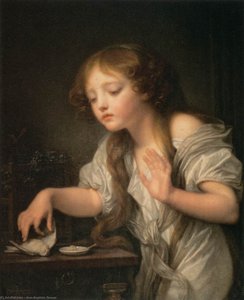
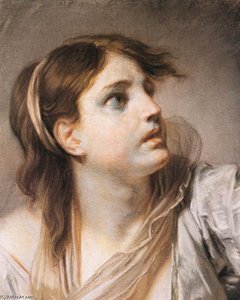
Greuzes Stil ist durch seinen Fokus auf Genreszenen gekennzeichnet, die das Wesen des täglichen Lebens einfangen. Einige bemerkenswerte Werke sind:- „A Girl with a Dead Canary“ (Scottish National Gallery, Edinburgh), das Greuzes Fähigkeit zeigt, Emotionen hervorzurufen.
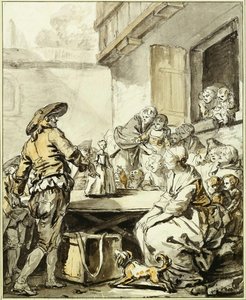
- „Savoyard with a Dancing Doll“ (Albertina, Wien), das seine Fähigkeit hervorhebt, den Geist seiner Sujets einzufangen.
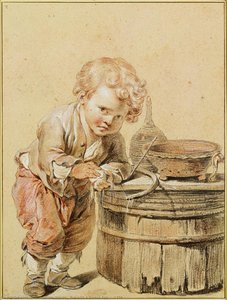
- „Boy with a Broken Egg“, um 1756 (Albertina, Wien), das Greuzes frühes Können in der Genresmalerei demonstriert.
Vermächtnis und spätere Jahre
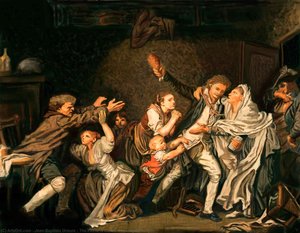
Greuzes Erfolg gipfelte 1765 mit dreizehn Werken, die im Salon ausgestellt wurden, darunter „La jeune fille qui pleure son oiseau mort“, „La bonne mère“ und „Le mauvais fils puni“ (Louvre). Sein Versuch, in die historische Malerei überzugehen, wurde jedoch kritisiert. Greuze verstarb am 4. März 1805 im Louvre, nach einem Leben, das von sowohl künstlerischen Triumphen als auch finanziellen Schwierigkeiten geprägt war.Einflüsse und Entwicklung
Greuzes Werk zeigt Einflüsse der niederländischen Genresmalerei des 17. Jahrhunderts, insbesondere in seiner Darstellung alltäglicher Szenen und seinem Fokus auf Details. Er kombinierte Elemente des Rokoko-Stils mit realistischen Elementen, was zu einem einzigartigen Stil führte, der sowohl sentimental als auch moralisierend war. Seine frühen Werke wie „Boy with a Broken Egg“ zeigen bereits seine Fähigkeit, Emotionen durch subtile Gesichtsausdrücke und Gesten darzustellen. Im Laufe seiner Karriere versuchte Greuze sich auch historischen Themen zuzuwenden, was jedoch weniger erfolgreich war und von Kritik begleitet wurde. Trotzdem bleibt er als einer der bedeutendsten Vertreter der Genresmalerei des 18. Jahrhunderts in Frankreich anerkannt.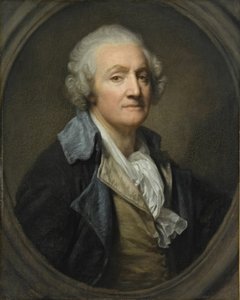
Jean-Baptiste Greuze
1725 - 1805 , Frankreich
Kurzinfos
- Bemerkenswerte Werke:
- Le Père de Famille expliquant la Bible
- A Girl with a Dead Canary
- Savoyard mit einer Tanzpuppe
- Boy with a Broken Egg
- Einflussreiche Künstler: ['Charles-Joseph Natoire']
- Geburtsdatum: 21. August 1725
- Geburtsort: Tournus, Frankreich
- Künstlerische Bewegung: Rokoko
- Nationalität: Französisch
- Sterbedatum: 4. März 1805
- Vollständiger Name: Jean-Baptiste Greuze
Ähnliche Artikel
Henri Matisse: Die 25 Meisterwerke des Farbgenies – Kunst für Ihr Zuhause | ArtsDot
Entdecken Sie die 25 Meisterwerke von Henri Matisse! Tauchen Sie ein in die Welt des Fauvismus, der leuchtenden Farben und ikonischen Formen. Kunstreproduktionen & Inspiration für Ihr Zuhause – exklusiv auf ArtsDot.com.

Claude Monet: Die 25 Meisterwerke des Impressionismus für Ihr Zuhause | ArtsDot
Entdecken Sie die 25 Meisterwerke von Claude Monet! Tauchen Sie ein in die Welt des Impressionismus, erleben Sie Seerosen, Sonnenaufgänge & Kathedralen. Hochwertige Reproduktionen für Ihr Zuhause – exklusiv auf ArtsDot.com.
Jean-Baptiste Greuze: Moral, Gefühl und der Aufstieg der Genremalerei
Entdecken Sie das Werk von Jean-Baptiste Greuze – dem Meister der Genremalerei! Erfahren Sie mehr über seine moralischen Botschaften, den Einfluss der Aufklärung und sein bleibendes Vermächtnis in der Kunstgeschichte.
Jean-Baptiste Pater: Rococo Charm & Ephemeral Beauty of 18th-Century France
Explore the captivating world of Jean-Baptiste Pater, a master of Rococo painting. Discover his elegant *fête galante* scenes and shimmering portraits – a glimpse into 18th-century French aristocracy. Learn about his legacy & find high-quality reproductions.
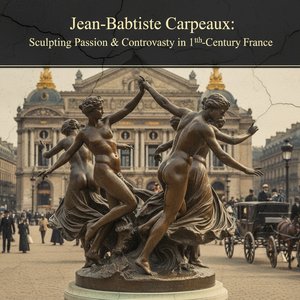
Jean-Baptiste Carpeaux: Sculpting Passion & Controversy in 19th-Century France
Explore the passionate life & controversial works of Jean-Baptiste Carpeaux, a leading French sculptor of the Second Empire. Discover his realism, iconic sculptures like 'Ugolino,' and lasting legacy as a precursor to Rodin.