

 Vorschau anzeigen
 Versenden
 Teilen
 Details anzeigen

 Herunterladen
 Ähnliche Objekte
 Röntgenaufnahme
 Diashow
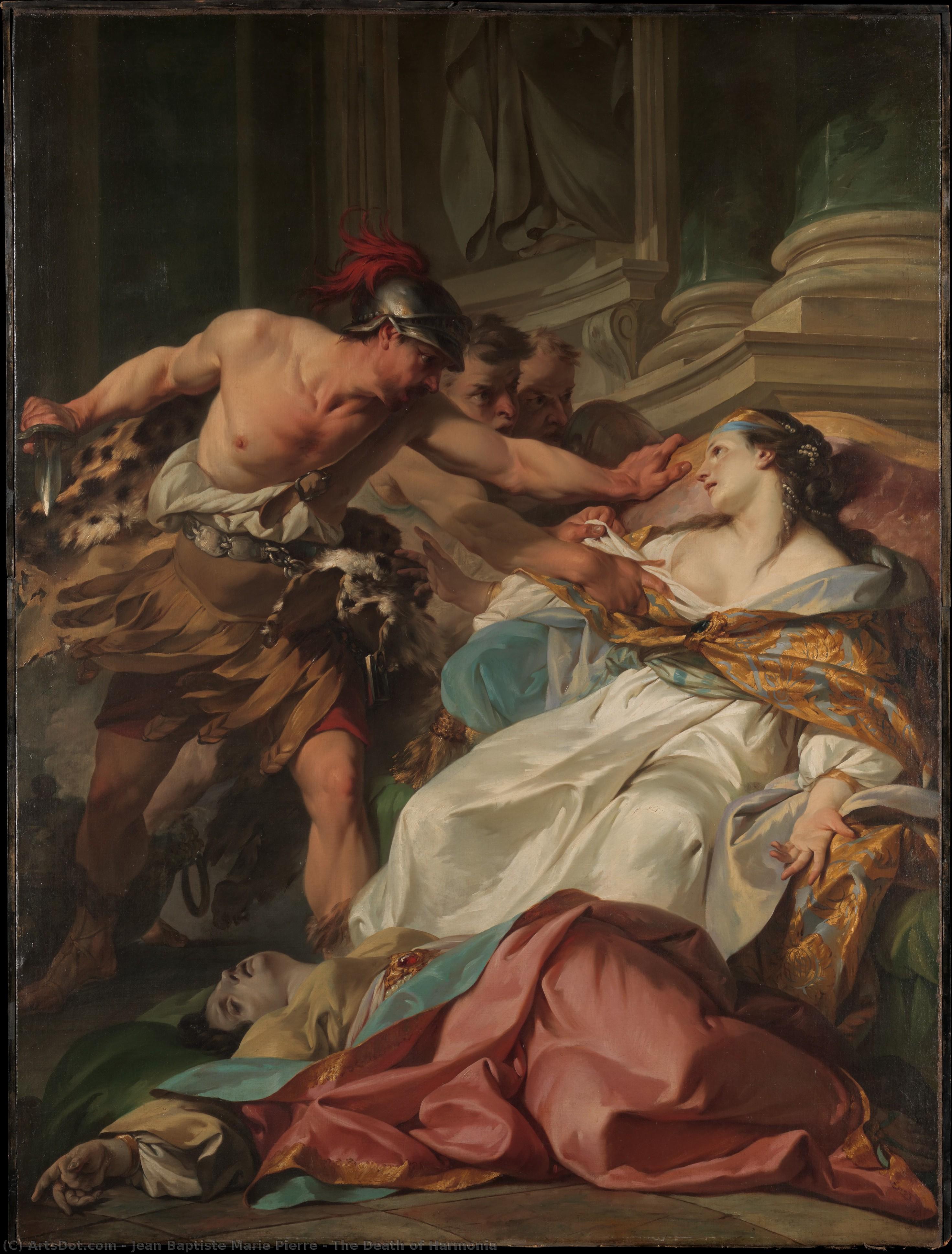
The Death of Harmonia
 Baroque
 1740
1740 197.0 x 148.0 cm
 Metropolitan Museum of Art
 Weiterlesen
Handgefertigte Ölreproduktion
Handgemaltes Ölgemälde auf Leinwand in Ihrer Wunschgröße und mit Rahmen, auf Bestellung von unseren Künstlern angefertigt. ( Druck bestellen Bild kaufen)




P118B $10

P118H $10

P118W $10

P438Z $10

P508JH $12

P508YH $12

P805H $10

P805Z $10

P919BZ $10

P919G $10

P919XJ $10

P959ZH $10

P968JZ $12

W106C $8

W218G $10

W218JH $8

W218Y $10

W307PJ $10

W316G $10

W316PJ $8

W316Y $10

W398PJ $8

W4111J $10

W500HY $15

W500JH $15

W692G $12

W849H $8

W940BG $15

W953PJ $8




Wählen Sie aus unseren vordefinierten Formaten, die den ursprünglichen Proportionen des Kunstwerks entsprechen.

Sie können Ihre eigenen Maße eingeben, um einen bestimmten Rahmen oder Platz auszufüllen. Wenn die gewählte Größe nicht den Proportionen des Originalbildes entspricht, werden wir das Kunstwerk entweder beschneiden oder das Gemälde durch zusätzliche, handgemalte Elemente erweitern. Ein digitales Mockup wird Ihnen zur Genehmigung zugesandt, bevor die Produktion beginnt.
Bitte beachten Sie, dass die Bildschirmvorschau nicht die tatsächliche Beschneidung oder Erweiterung widerspiegelt. Nur das Mockup zeigt die endgültige Komposition exakt an.
Obwohl Sondermaße verfügbar sind, empfehlen wir, eine Größe aus der vordefinierten Liste zu wählen, um die ursprünglichen Proportionen beizubehalten.
Nach der Bestellung wird das ArtsDot.com-Team dem Kunden Anweisungen per E-Mail zusenden und eine Mockup-Vorschau bereitstellen.
Weltweiter Versand () in nur 3 bis 4 Wochen statt der üblichen 5 Wochen. (27 August). Keine Kompromisse bei der Qualität.

Kostenloser weltweiter Expressversand

Hochwertige Leinenleinwand

Umfassender Versicherungsschutz beim Versand

Zollgebühren-Rückerstattungsgarantie

Garantie für exakte Farbtreue

60 Tage Rückgaberecht (nur bei Mängeln)

100% Geld-zurück-Garantie

Mengenrabatt verfügbar
 Die Glasoption ist nur für Größen unter 110 cm verfügbar.

The Death of Harmonia
Art der Reproduktion
Format der Reproduktion
-


Gesamtpreis
$ 363
Beschreibung des Kunstwerks
A Dramatic Echo of Ancient Tragedy: Jean-Baptiste Pierre’s “The Death of Harmonia”
Jean-Baptiste Marie Pierre's "The Death of Harmonia," painted around 1740-42, is more than just a depiction of a historical event; it’s a visceral exploration of betrayal, sacrifice, and the haunting consequences of ambition. Emerging from the vibrant Rococo period, yet firmly rooted in Baroque theatricality, this oil on canvas work transports the viewer to a scene of profound sorrow and unsettling beauty. The painting's subject—a retelling of the ancient Greek tale of Harmonia, daughter of Syracuse’s King Gelon II—was relatively obscure during Pierre’s time, mirroring its obscurity for us today, yet it provided him with a compelling narrative framework to showcase his mastery of dramatic composition and emotional intensity.
Pierre's artistic choices immediately establish the painting’s powerful atmosphere. The scene unfolds within a lavishly appointed chamber, hinting at the fallen royalty and the opulence that has ultimately led to destruction. A draped wall, partially visible through a window, suggests both confinement and a glimpse of the outside world—a stark contrast to the enclosed drama unfolding below. The figures are arranged in a tightly packed composition, dominated by strong diagonals that propel the eye relentlessly across the scene, mirroring the chaotic nature of the events depicted. This deliberate arrangement creates a sense of urgency and claustrophobia, drawing us into the heart of the tragedy.
A Baroque Masterpiece: Composition and Technique
Pierre’s technical skill is evident in every brushstroke. He expertly employs chiaroscuro—the dramatic contrast between light and dark—to sculpt the muscular forms of the male figures surrounding Harmonia, imbuing them with a sense of power and menace. The rich reds, browns, and golds that dominate the palette – particularly in the luxurious bedding and the men’s attire – speak to the decadence and moral decay at play. However, these opulent colors are tempered by cooler blues and whites used for Harmonia's clothing, highlighting her vulnerability and impending doom. Lines are strategically utilized to define both the figures’ bodies and the architectural details of the room, creating a remarkable sense of volume and depth.
The artist’s layering technique is particularly noteworthy. He builds up the paint in multiple thin layers, resulting in textures that range from smooth on the men's skin to rougher on the floor and surrounding walls – a subtle yet effective means of conveying the materiality of the scene and adding to its overall realism. Furthermore, Pierre demonstrates an acute understanding of perspective, creating a flattened effect characteristic of Baroque painting while still striving for depth through foreshortening and atmospheric effects, subtly guiding our gaze through the complex arrangement.
Symbolism and Historical Context
“The Death of Harmonia” is deeply rooted in classical mythology. The story itself—a tale of mistaken identity, tragic sacrifice, and the devastating consequences of political intrigue—resonates with themes of justice, betrayal, and the corrupting influence of power. Many scholars believe the painting alludes to Lucretia, a Roman noblewoman who committed suicide to expose her brother’s attempted rape, thereby sparking a revolution. The scene's arrangement mirrors elements of this mythic narrative, reinforcing its symbolic weight.
Painted during the Rococo period, Pierre’s work reflects both the era’s exuberance and its underlying anxieties. While Rococo is often associated with frivolity and ornamentation, it also embraced dramatic narratives and emotional intensity—qualities powerfully evident in “The Death of Harmonia.” The painting's presentation a decade after its execution was likely prompted by the publication of Charles Nicolas Cochin’s engraving of it in 1751, demonstrating the significant impact of visual art on public discourse at the time.
Emotional Resonance and Lasting Impact
Ultimately, “The Death of Harmonia” is a profoundly moving work that transcends its historical subject matter. The painting’s depiction of violence, betrayal, and despair evokes a powerful emotional response in the viewer—a sense of unease, sorrow, and perhaps even a chilling recognition of humanity's capacity for both cruelty and sacrifice. It stands as a testament to Pierre’s artistic skill and his ability to capture not just a historical event but also the complex emotions that lie beneath its surface. Reproductions of this dramatic masterpiece continue to captivate audiences today, offering a glimpse into a world of ancient tragedy and Baroque artistry.
Ähnliche Kunstwerke
Über den Künstler
Jean-Baptiste Marie Pierre: Ein Leben in der Rokoko-Kunst
Frühes Leben und Ausbildung
Jean-Baptiste Marie Pierre wurde 1714 in Aix-en-Provence, Frankreich, geboren. Schon im jungen Alter zeigte er künstlerisches Talent, was ihn dazu veranlasste, an der renommierten Académie Royale de Peinture et de Sculpture in Paris zu studieren. Sein Lehrer dort war der einflussreiche Maler Charles-Joseph Natoire, der seinen frühen Stil und seine Herangehensweise an die Kunst maßgeblich prägte.
Künstlerische Entwicklung und Einflüsse
Pierres künstlerische Entwicklung war tief in der Rokoko-Bewegung verwurzelt, die sich durch ihre Eleganz, detaillierte Verzierungen und spielerischen Themen auszeichnet. Obwohl er von Natoires klassischer Ausbildung beeinflusst wurde, entwickelte Pierre einen eigenen Stil, der mythologische Erzählungen mit einem raffinierten Sinn für Farbe und Komposition verband. Er fand auch Inspiration bei italienischen Renaissance-Meistern, was sich in seinen meisterhaften Darstellungen der menschlichen Anatomie und dramatischen Erzählweise zeigt.
Wichtige Werke und künstlerischer Stil
Im Laufe seiner Karriere schuf Pierre einen vielfältigen Œuvreumfang, der mythologische Szenen, religiöse Gemälde und Porträts umfasst. Einige seiner bekanntesten Werke sind:
- Alter Mann in einer Küche (ca. 1745) – Eine Genreszene, die alltägliches Leben mit bemerkenswerter Realität darstellt.
- Die Jahreszeiten (1749) – Eine allegorische Serie, die die Schönheit und den Reichtum der Natur feiert.
- Jupiter und Antiope – Eine dramatische Darstellung eines klassischen Mythos, die seine Fähigkeit demonstriert, komplexe Emotionen darzustellen.
- Die Rabe von Europa (1750) - Illustriert eine weitere fesselnde mythologische Geschichte mit dynamischer Komposition.
- Der Tod Harmonies – Ein Barock Meisterwerk, das intensive Emotionen und opulente Details zeigt.
Sein Stil ist durch einen zarten Pinselstrich, eine lebendige Farbpalette und einen Fokus auf die Schaffung optisch beeindruckender Kompositionen gekennzeichnet.
Berufliche Highlights und königliche Förderung
Pierres Talent erlangte schnell Anerkennung und führte zu bedeutenden Aufträgen und Auszeichnungen. Im Jahr 1770 wurde er zum Premier peintre du roi (Ersten Maler des Königs) unter Louis XV ernannt, einer Position immenser Bedeutung in der französischen Kunstwelt. Diese Ernennung festigte seinen Status als einen der wichtigsten Künstler Frankreichs.
Vermächtnis und historische Bedeutung
Jean-Baptiste Marie Pierre spielte eine entscheidende Rolle bei der Gestaltung des Rokoko-Stils während seiner Blütezeit. Er schuf nicht nur wunderschöne und technisch versierte Werke, sondern betreute auch eine Generation aufstrebender Künstler, darunter Étienne-Louis Boullée, Louis-Jacques Durameau und andere. Sein Einfluss erstreckte sich über seinen unmittelbaren Kreis hinaus und trug zur breiteren künstlerischen Landschaft Frankreichs des 18. Jahrhunderts bei.
Obwohl er manchmal von radikaleren Bewegungen, die ihm folgten, in den Schatten gestellt wurde, bleibt Pierres Werk ein Zeugnis für die Eleganz, Raffinesse und technische Meisterschaft der Rokoko-Ära. Er starb 1789 und hinterließ ein Vermächtnis als geschickter Maler und einflussreiche Figur in der französischen Kunstgeschichte.
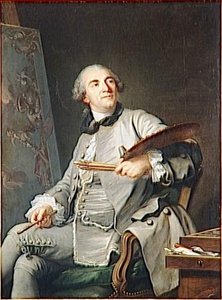
jean baptiste marie pierre
1714 - 1789 , Frankreich
Kurzinfos
- Artistic Movement Or Style: Rokoko
- Artists Or Movements Influenced By This Artist: ['Étienne-Louis Boullée']
- Artists Who Influenced This Artist: ['Charles-Joseph Natoire']
- Date Of Birth: 1714
- Date Of Death: 1789
- Full Name: Jean Baptiste Marie Pierre
- Nationality: Französisch
- Notable Artworks:
- Alter Mann in einer Küche
- Die Jahreszeiten
- Jupiter und Antiope
- Die Rabe von Europa
- Der Tod Harmonies
- Place Of Birth: Aix-en-Provence, Frankreich
Ähnliche Artikel
Jean-Baptiste Pater: Rococo Charm & Ephemeral Beauty of 18th-Century France
Explore the captivating world of Jean-Baptiste Pater, a master of Rococo painting. Discover his elegant *fête galante* scenes and shimmering portraits – a glimpse into 18th-century French aristocracy. Learn about his legacy & find high-quality reproductions.

Barocke Pracht: Wie Sie Opulenz und Emotionen in zeitgenössische Innenräume bringen
Entdecken Sie die Pracht des Barock! Expertenratgeber für luxuriöse Innenräume mit barocken Elementen. Inspiration, Tipps & hochwertige Kunst bei .

The Dramatic Flourish: Exploring the Baroque Movement's Enduring Legacy in Art History
Explore the dramatic world of Baroque art! Discover iconic artists like Caravaggio & Rubens, defining techniques, and its lasting impact on art history. Expert insights for collectors & enthusiasts at ArtsDot.
From Grandeur to Grace: Exploring the Evolution of Baroque & Rococo Art
Explore the captivating evolution from Baroque's drama to Rococo's grace! Discover key artists, characteristics & lasting influence of these art movements with expert insights at ArtsDot.

Barock Meisterwerke: Die 10 prägendsten Kunstwerke für Ihr Zuhause |
Entdecken Sie die 10 prägendsten Meisterwerke des Barock! Caravaggio, Rembrandt & Co. – Erfahren Sie die Geschichten hinter ikonischen Gemälde und finden Sie hochwertige Kunst Reproduktionen für Ihr Zuhause auf .

