 Vorschau anzeigen
 Versenden
 Teilen
 Details anzeigen

 Herunterladen
 Ähnliche Objekte
 Röntgenaufnahme
 Diashow
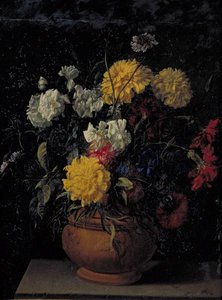
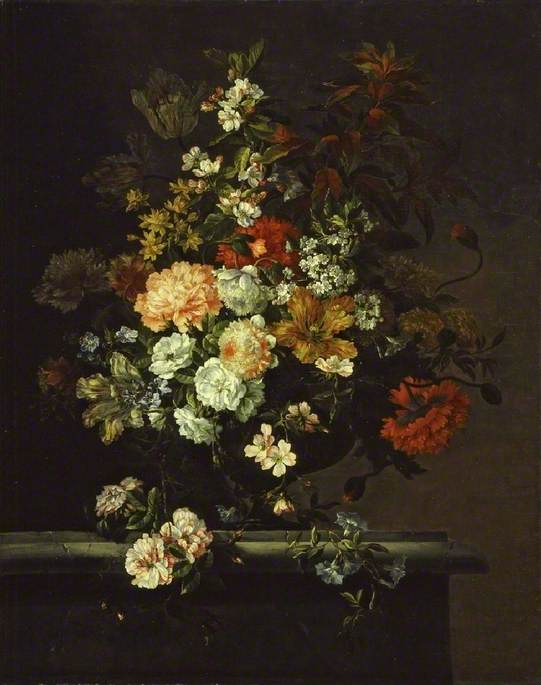
Still Life of Mixed Flowers in a Vase on a Ledge
 Oil On Canvas
- WallArt
- Baroque
 108.0 x 85.0 cm
 Fitzwilliam-Museum
 Weiterlesen
Handgefertigte Ölreproduktion
Handgemaltes Ölgemälde auf Leinwand in Ihrer Wunschgröße und mit Rahmen, auf Bestellung von unseren Künstlern angefertigt. ( Druck bestellen Bild kaufen)




P118B $10

P118H $10

P118W $10

P438Z $10

P508JH $12

P508YH $12

P805H $10

P805Z $10

P919BZ $10

P919G $10

P919XJ $10

P959ZH $10

P968JZ $12

W106C $8

W218G $10

W218JH $8

W218Y $10

W307PJ $10

W316G $10

W316PJ $8

W316Y $10

W398PJ $8

W4111J $10

W500HY $15

W500JH $15

W692G $12

W849H $8

W940BG $15

W953PJ $8




Wählen Sie aus unseren vordefinierten Formaten, die den ursprünglichen Proportionen des Kunstwerks entsprechen.

Sie können Ihre eigenen Maße eingeben, um einen bestimmten Rahmen oder Platz auszufüllen. Wenn die gewählte Größe nicht den Proportionen des Originalbildes entspricht, werden wir das Kunstwerk entweder beschneiden oder das Gemälde durch zusätzliche, handgemalte Elemente erweitern. Ein digitales Mockup wird Ihnen zur Genehmigung zugesandt, bevor die Produktion beginnt.
Bitte beachten Sie, dass die Bildschirmvorschau nicht die tatsächliche Beschneidung oder Erweiterung widerspiegelt. Nur das Mockup zeigt die endgültige Komposition exakt an.
Obwohl Sondermaße verfügbar sind, empfehlen wir, eine Größe aus der vordefinierten Liste zu wählen, um die ursprünglichen Proportionen beizubehalten.
Nach der Bestellung wird das ArtsDot.com-Team dem Kunden Anweisungen per E-Mail zusenden und eine Mockup-Vorschau bereitstellen.
Weltweiter Versand () in nur 3 bis 4 Wochen statt der üblichen 5 Wochen. (30 August). Keine Kompromisse bei der Qualität.

Kostenloser weltweiter Expressversand

Hochwertige Leinenleinwand

Umfassender Versicherungsschutz beim Versand

Zollgebühren-Rückerstattungsgarantie

Garantie für exakte Farbtreue

60 Tage Rückgaberecht (nur bei Mängeln)

100% Geld-zurück-Garantie

Mengenrabatt verfügbar
 Die Glasoption ist nur für Größen unter 110 cm verfügbar.

Still Life of Mixed Flowers in a Vase on a Ledge
Art der Reproduktion
Format der Reproduktion
-


Gesamtpreis
$ 263
Jean Baptiste Monnoyer: A Master of Floral Still Life
Jean Baptiste Monnoyer (1636–1699) stands as a pivotal figure bridging the opulent Baroque period and the burgeoning fascination with botanical illustration. Born in Lille, France, his artistic journey began within the structured confines of apprenticeship, relocating to Paris by 1650 where he swiftly established himself amidst the lavish decorations commissioned for prominent residences like the Hôtel Lambert—a testament to the era’s penchant for grandeur and visual splendor. This formative exposure instilled a refined aesthetic sensibility and access to influential circles that would profoundly shape his artistic trajectory. He wasn't merely capturing flowers; he was crafting narratives of beauty, reflecting the humanist ideals prevalent during his time.- Early Influences: Monnoyer’s initial training under Godfrey Kneller instilled in him a meticulous attention to detail and a mastery of oil painting techniques—skills honed through collaborations with Charles Le Brun at Versailles and Meudon, where he contributed to monumental decorative schemes celebrating royal patronage.
- The Hôtel Lambert Legacy: His involvement in adorning the Hôtel Lambert cemented his reputation as a decorator of exceptional caliber, showcasing his ability to integrate floral motifs into architectural spaces—a hallmark of Baroque design characterized by dramatic contrasts and opulent embellishments.
- Royal Patronage & Artistic Innovation: Monnoyer’s association with Louis XIV solidified his position at the apex of artistic achievement, propelling him to create breathtaking murals for the Château de Marly and Meudon – demonstrating a commitment to innovation and pushing the boundaries of botanical representation.
Style and Technique: Botanical Precision Meets Baroque Ornamentation
Monnoyer’s distinctive style embodies the harmonious fusion of Baroque ornamentation with exacting botanical accuracy—a hallmark of Flemish still life painting during his era. He meticulously rendered flowers, fruits, and foliage using a glazing technique that achieved luminous color palettes and subtle tonal variations—resulting in images imbued with an ethereal quality. His compositions prioritized visual balance and harmony, reflecting the humanist preoccupation with idealized beauty and mirroring the principles championed by artists like Gaspar Peeter Verbruggen the Younger. The artist’s meticulous observation of nature combined with masterful brushwork created artworks that transcended mere depiction; they conveyed a profound appreciation for the natural world.- Glazing Technique: Monnoyer skillfully employed glazing—applying thin layers of translucent paint over underlying colors—to achieve depth and luminosity, capturing the subtle nuances of light and shadow within his floral subjects.
- Compositional Balance: His paintings prioritized visual equilibrium, arranging elements in a deliberate manner to create aesthetically pleasing compositions that captivated viewers’ eyes.
- Botanical Detail: Monnoyer's meticulous rendering of botanical specimens—evident in works like “An Urn with Flowers”—demonstrated an unparalleled understanding of plant anatomy and coloration.
Symbolism & Emotional Resonance: Reflections of Renaissance Ideals
Monnoyer’s floral still lifes resonated deeply with the humanist sensibilities of the Baroque period, embodying symbolic representations of virtue, beauty, and contemplation—echoing the artistic traditions established during the Renaissance. Flowers served as emblems of purity, grace, and divine love—reflecting the prevailing spiritual fervor of the time. The artist's ability to evoke emotion through visual imagery underscored the transformative power of art—capturing not only the outward appearance of nature but also its inner essence. His works continue to inspire admiration for their exquisite craftsmanship and profound artistic vision.- Floral Symbolism: Monnoyer’s paintings frequently incorporated flowers as symbols of spiritual contemplation, mirroring Renaissance ideals of harmony and balance.
- Emotional Impact: The luminous color palettes and delicate brushwork employed by Monnoyer conveyed a sense of serenity and beauty—capturing the viewer's gaze with an irresistible allure.
- Renaissance Legacy: His artistic endeavors upheld the humanist tradition of celebrating human intellect and creativity—demonstrating a commitment to capturing the sublime grandeur of the natural world.
Legacy & Influence: A Continuing Inspiration
Jean Baptiste Monnoyer’s enduring legacy extends beyond his individual masterpieces—he established himself as a cornerstone of Baroque floral painting, influencing generations of artists who followed him. His meticulous technique and profound understanding of botanical representation continue to inspire contemporary painters and designers—affirming the timeless beauty of his artistic vision. The artist's contribution to decorative arts solidified his place in art history—a testament to his unparalleled skill and unwavering devotion to capturing the splendor of nature.Ähnliche Kunstwerke
Über den Künstler
Jean-Baptiste Monnoyer: Ein Leben in Blumen und Wandteppichen
- Geboren: Lille, Frankreich (1636)
- Gestorben: London, England (1699)
Jean-Baptiste Monnoyer war ein franco-flämischer Maler, der für seine exquisiten Blumenstücke und bedeutenden Beiträge zu den dekorativen Künsten bekannt ist. Seine Karriere erstreckte sich über Frankreich und England und hinterließ einen bleibenden Eindruck auf das Wandteppichdesign und die Malerei von floralen Stillleben.
Frühes Leben und Ausbildung
Geboren 1636 in Lille, zeigte Monnoyer früh künstlerisches Talent. Er zog um 1650 nach Paris, wo er seine Karriere mit dekorativen Projekten für das Hôtel Lambert begann. Diese anfängliche Exposition gegenüber höfischen Aufträgen prägte wahrscheinlich seinen späteren Stil und sein Thema. Er wurde von Charles Le Brun, einem führenden Künstler der Zeit, gefördert, der ihn bei der Dekoration verschiedener königlicher Residenzen wie dem Château de Marly und dem Wohnsitz des Grand Dauphin im Château de Meudon einsetzte. Diese Erfahrungen vermittelten Monnoyer wertvolle Schulungen und Zugang zu einflussreichen Mäzenen.
Künstlerische Entwicklung und Hauptwerke
Monnoyers künstlerische Spezialität waren Blumenstücke, oft kombiniert mit Objets d'art. Er wurde 1665 Mitglied der Académie Royale de Peinture et de Sculpture, was seine Position in der französischen Kunstwelt festigte. Seine Arbeit in den Werkstätten für Wandteppiche von Gobelins und Beauvais war besonders bedeutend. Er schuf Cartoons – vorläufige Entwürfe – für Frucht- und Blumenmotive, die bei der Herstellung von Wandteppichen verwendet wurden, was ein tiefes Verständnis sowohl für künstlerische Komposition als auch für industrielle Produktion demonstrierte. Diese Kooperationen führten zu luxuriösen Suiten wie "Der Kaiser von China", die seine Fähigkeit zeigten, florale Schönheit in großformatige dekorative Werke umzusetzen.
- Wandteppichdesigns: Monnoyers Designs für die Werkstätten von Gobelins und Beauvais waren sehr gefragt und trugen wesentlich zur Herstellung luxuriöser Wandteppiche bei.
- Stilllebenmalerei: Seine individuellen Stillleben sind geprägt von lebendigen Farben, akribischer Detailgenauigkeit und einem Gefühl von opulentem Überfluss.
- Radierungen: *Le Livre de toutes sortes de fleurs d'après nature* (Das Buch aller Arten von Blumen nach der Natur) war eine entscheidende Veröffentlichung, die seine botanische Genauigkeit demonstrierte und dekorative Designer über Jahrzehnte hinweg beeinflusste.
Spätere Karriere in England
Im Jahr 1690 zog Monnoyer auf Einladung von Ralph Montagu nach London. Er verbrachte fast ein Jahrzehnt damit, über fünfzig Panels mit Früchten und Blumen für Überfelder und Übertüren zu schaffen, hauptsächlich für Montagu House (später bekannt als das British Museum) und andere prominente Residenzen wie Boughton House in Northamptonshire. Diese Periode markierte eine bedeutende Phase in seiner Karriere und demonstrierte seine Anpassungsfähigkeit an den englischen Geschmack bei gleichzeitiger Beibehaltung seines unverwechselbaren Stils.
Einfluss und Vermächtnis
Monnoyers Einfluss erstreckte sich durch seine Radierungen über sein Leben hinaus, die seine floralen Designs weit verbreiteten. Seine Arbeit hatte einen bedeutenden Einfluss auf die dekorativen Künste und inspirierte Generationen von Wandteppichmachern und anderen Kunsthandwerkern. Der Dichter Wallace Stevens bezog sich berühmt auf Monnoyers *Livre de toutes sortes de fleurs d'après nature* in seinem Gedicht "Esthétique du Mal", das die bleibende kulturelle Resonanz seiner künstlerischen Vision hervorhebt. Er wird als Meister der floralen Stillleben, ein geschickter Designer für Wandteppiche und ein Künstler erinnert, der erfolgreich französische und englische künstlerische Traditionen miteinander verband.
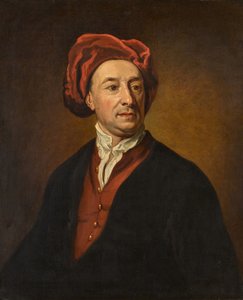
Jean-Baptiste Monnoyer
1636 - 1699 , Frankreich
Kurzinfos
- Bemerkenswerte Werke: ['Le Livre de toutes sortes de fleurs']
- Einflussreiche Künstler:
- Davidsz de Heem
- Fyt
- Hieronymus Galle
- Geburtsdatum: 12. Januar 1636
- Geburtsort: Lille, Frankreich
- Künstlerische Richtung: Französischer Barock
- Nationalität: Franco-flämisch
- Sterbedatum: 16. Februar 1699
- Vollständiger Name: Jean-Baptiste Monnoyer
Ähnliche Artikel
Blossoms of Time: A Historical & Aesthetic Exploration of Floral Painting Across Cultures
Explore the rich history of floral painting! Discover symbolism, techniques & masterpieces from Van Huysum to O'Keeffe. Expert insights for art lovers & collectors at ArtsDot.
Blossoming Symbolism: A Historical Journey Through Flowers in Western Painting
Explore the rich history of flower symbolism in Western painting! Discover how artists from the Renaissance to Modernism used blossoms to convey meaning, emotion & beauty. Learn about iconic artworks and movements.
Silent Narratives: Exploring the Enduring Appeal of Still Life Painting Across Centuries
Explore the rich history of still life painting with ArtsDot. Discover Dutch Masters, decode vanitas symbolism & learn about collecting timeless art. Expert insights and museum-quality reproductions.
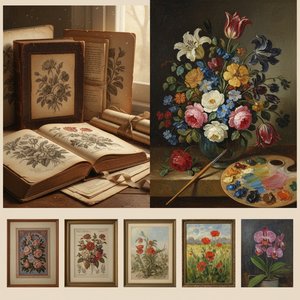
Blossoms of Time: A Historical Journey Through Flower Painting
Explore the captivating history of flower painting! Discover Dutch masters, symbolic meanings, & botanical art. Expert insights & high-quality reproductions at ArtsDot.
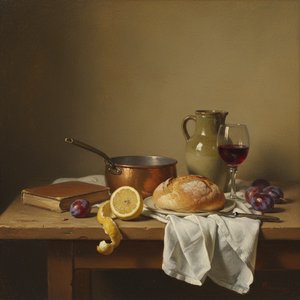
Jean-Baptiste-Siméon Chardin: Meister des Stilllebens und der alltäglichen Eleganz
Entdecken Sie das Werk von Jean-Baptiste Simeon Chardin – Meister des Stilllebens und der alltäglichen Eleganz. Erfahren Sie mehr über seinen Stil, seine Technik und sein Vermächtnis. Hochwertige Reproduktionen bei ArtsDot!