 Vorschau anzeigen
 Versenden
 Teilen
 Details anzeigen

 Herunterladen
 Ähnliche Objekte
 Röntgenaufnahme
 Diashow
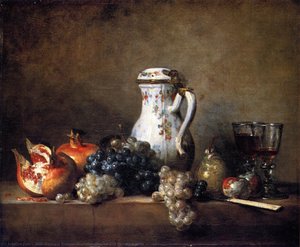
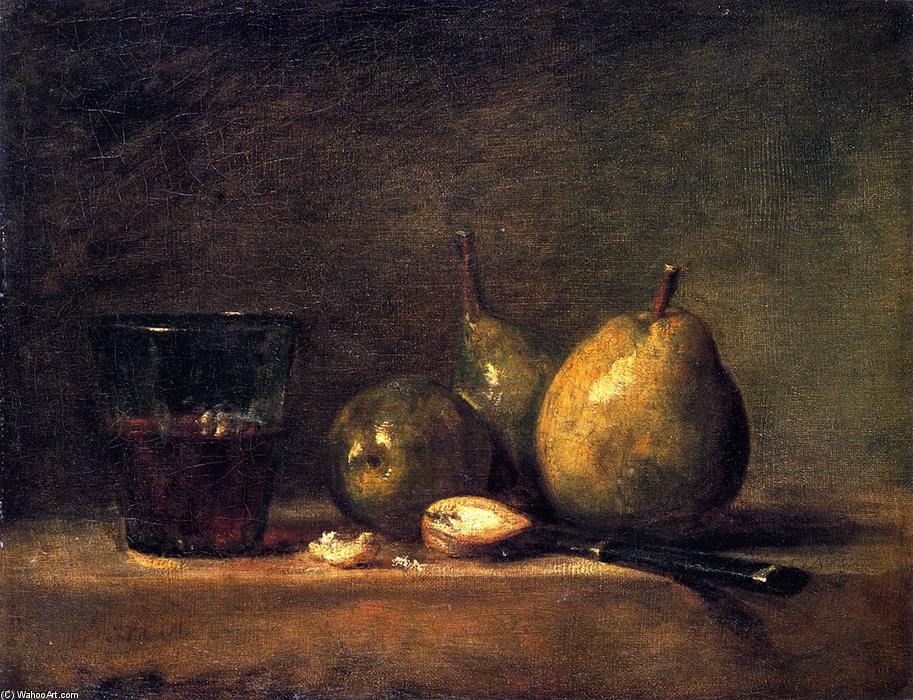
Drei Birnen, Walnüsse, Glaswein und Messer
 Öl auf Leinwand
- Wandkunst
- Neoclassicism
 1768
1768 33.0 x 41.0 cm
 Louvre
 Weiterlesen
Giclée / Kunstdruck
Giclée- oder Leinwanddruck in Museumsqualität mit schneller Produktion und flexiblen Veredelungsoptionen. ( Handgemalte Reproduktion bestellen Bild kaufen)




P118B $10

P118H $10

P118W $10

P438Z $10

P508JH $12

P508YH $12

P805H $10

P805Z $10

P919BZ $10

P919G $10

P919XJ $10

P959ZH $10

P968JZ $12

W106C $8

W218G $10

W218JH $8

W218Y $10

W307PJ $10

W316G $10

W316PJ $8

W316Y $10

W398PJ $8

W4111J $10

W500HY $15

W500JH $15

W692G $12

W849H $8

W940BG $15

W953PJ $8




Wählen Sie aus unseren vordefinierten Formaten, die den ursprünglichen Proportionen des Kunstwerks entsprechen.

Sie können Ihre eigenen Maße eingeben, um ein bestimmtes Format oder einen speziellen Platz einzupassen. Wenn das von Ihnen gewählte Format nicht den Proportionen des Originalbildes entspricht, werden wir das Kunstwerk entweder beschneiden oder das Bild mit einem gespiegelten oder einfarbigen Rand erweitern. Ein digitaler Entwurf wird Ihnen zur Genehmigung zugesandt, bevor die Produktion beginnt.
Bitte beachten Sie, dass die Vorschau auf dem Bildschirm nicht den tatsächlichen Zuschnitt oder die Erweiterung widerspiegelt. Nur der Entwurf zeigt die endgültige Komposition präzise an.
Obwohl Sondermaße verfügbar sind, empfehlen wir die Auswahl eines Maßes aus der vordefinierten Liste, um die ursprünglichen Proportionen zu bewahren.
Weltweiter Versand () innerhalb von 2 Wochen statt der üblichen 4/5 Wochen. (27 August)

Kostenloser weltweiter Expressversand

Hochwertige Leinenleinwand

Umfassender Versicherungsschutz beim Versand

Zollgebühren-Rückerstattungsgarantie

Garantie für exakte Farbtreue

60 Tage Rückgaberecht (nur bei Mängeln)

100% Geld-zurück-Garantie

Mengenrabatt verfügbar
 Die Glasoption ist nur für Größen unter 110 cm verfügbar.

Drei Birnen, Walnüsse, Glaswein und Messer
Giclée / Kunstdruck
Format der Reproduktion
-


Gesamtpreis
$ 62
Jean-Baptiste Simeon Chardin’s Still Life – A Moment of Quiet Contemplation
The painting “Three Pears, Walnuts, Glass of Wine and Knife” by Jean-Baptiste Simeon Chardin, created in 1768, is more than just a depiction of fruit and drink; it's an invitation to pause, to observe, and to appreciate the subtle beauty inherent in everyday objects. Housed within the hallowed halls of the Louvre Museum in Paris, this work offers a rare glimpse into the artist’s profoundly observant world – a world far removed from grand historical narratives or dramatic theatrical scenes. Chardin, born in 1699 in the heart of Paris, eschewed the conventions of his time, choosing instead to focus on the quiet dignity of domestic life and the simple pleasures of existence. His father's profession as a cabinetmaker undoubtedly shaped his artistic sensibility, fostering an acute awareness of form, texture, and the inherent elegance found within seemingly ordinary materials.
The Language of Light and Texture – Chardin’s Signature Style
Chardin’s genius lies not in flamboyant display but in the masterful manipulation of light and shadow. The painting exemplifies his signature *chiaroscuro*, a technique he perfected to create an astonishing sense of depth and volume. Notice how the pear skins, rendered with delicate brushstrokes, seem to radiate a soft, internal glow – almost as if they are holding back a secret ripeness. The walnuts, dark and subtly textured, contrast sharply with the luminous pears, while the glass of wine catches the light in shimmering reflections. This careful orchestration of light isn’t merely decorative; it's integral to conveying the painting’s mood—a feeling of peaceful intimacy and quiet enjoyment. The canvas itself feels almost tactile, inviting the viewer to reach out and touch the smooth surfaces of the fruit and the cool glass.
Symbolism Within Simplicity – A Reflection of French Life
Beyond its technical brilliance, “Three Pears, Walnuts, Glass of Wine and Knife” is rich in symbolic meaning. The pears themselves are often associated with fertility, abundance, and even immortality—a potent symbol within the context of 18th-century France. The walnuts, similarly, represent prosperity and good fortune. The glass of wine speaks to conviviality and shared moments, while the knife, a simple tool, hints at both sustenance and the potential for transformation. It’s important to remember that Chardin wasn't interested in grand allegories; he used these objects—familiar elements of daily life—to evoke deeper emotions and ideas. The arrangement feels deliberately casual, as if captured in a fleeting moment of domestic tranquility.
A Pioneer of Still Life – Influences and Legacy
Chardin’s work profoundly influenced the development of still life painting, moving it away from purely decorative concerns and towards a more contemplative and philosophical approach. He anticipated the innovations of later artists like Paul Cézanne, who similarly explored the interplay of light and form in his own still lifes – notably his “Green Apples.” Furthermore, Chardin’s emphasis on capturing the essence of objects rather than merely representing them paved the way for Impressionism and Post-Impressionism. His ability to imbue ordinary subjects with a sense of profound beauty and emotional resonance continues to resonate with viewers today. The painting stands as a testament to his remarkable talent and his unique vision of the world.
Bringing Chardin Home – High-Quality Reproductions Available
ArtsDot offers meticulously crafted, hand-painted reproductions of “Three Pears, Walnuts, Glass of Wine and Knife,” allowing art enthusiasts to experience the beauty and serenity of this iconic masterpiece in their own homes. These reproductions capture not only the visual details but also the very spirit and atmosphere of Chardin’s original work. For those seeking a deeper understanding of this remarkable artist and his oeuvre, we encourage you to visit the Musée du Louvre or explore Anne Vallayer-Coster's biography – another significant figure in the history of still life painting.
Ähnliche Kunstwerke
Über den Künstler
Frühes Leben und Ausbildung
Jean-Baptiste Siméon Chardin, ein französischer Maler, wurde am 2. November 1699 in Paris geboren. Er gilt als einer der größten Meister des Stilllebens und der Genremalerei. Chardins frühes Leben war geprägt von seiner Geburt als Sohn eines Schrankmachers, was wahrscheinlich sein Interesse an der Kunst beeinflusste. Er verließ Paris selten und lebte bis 1757 auf der linken Seine in der Nähe von Saint-Sulpice.Künstlerische Karriere
Chardin schloss 1723 einen Heiratsvertrag mit Marguerite Saintard, heiratete sie jedoch erst 1731. Er absolvierte Lehrzeiten bei den Historienmalern Pierre-Jacques Cazes und Noël-Nicolas Coypel und wurde 1724 Meister der Académie de Saint-Luc.- Chardins erster Erfolg kam durch die Ausstellung eines Gemäldes am 'Small Corpus Christi' auf dem Place Dauphine, das von Van Loo gekauft wurde, der den jungen Maler später unterstützte.
- Im Jahr 1728 präsentierte er "Der Rochen" und "Das Buffet", was zu seiner Aufnahme in die Académie Royale de Peinture et de Sculpture führte.
Wichtige Werke und Ausstellungen
Chardins Werk erlangte durch reproduktive Stiche Popularität, was ihm Einnahmen in Form von Tantiemen einbrachte. Zu den bemerkenswerten Werken gehören:- Der Rochen, ein Meisterwerk, das seine Fähigkeiten im Stillleben demonstriert.
- Stillleben mit Äpfeln und einem Krug, das seine Verwendung einer weichen Lichtdiffusion und körnigen Impasto zeigt.
Entwicklung und Vermächtnis
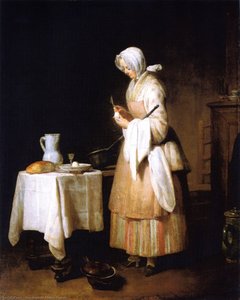
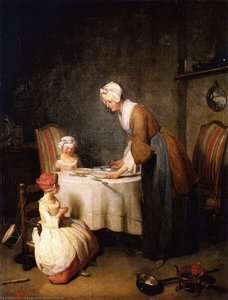
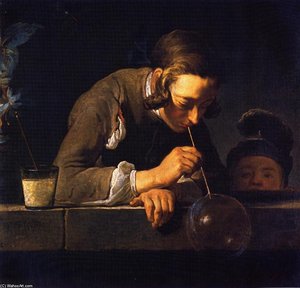
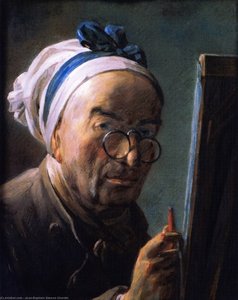
Chardins künstlerische Entwicklung lässt sich in drei Phasen unterteilen: zunächst konzentrierte er sich auf Stillleben, dann auf Genreszenen mit einzelnen oder wenigen Figuren, die ohne Sentimentalität dargestellt sind. Später wandte er sich wieder dem Stillleben zu, wobei er teurere Objekte malte. In seinen letzten Jahren wechselte er zur Pastellmalerei und porträtierte erfolgreich Personen, darunter auch Selbstporträts. Chardins Vermächtnis als Meister des Stilllebens und der Genremalerei inspiriert weiterhin Künstler und Kunstliebhaber. Seine Werke, die durch sorgfältig ausgewogene Kompositionen, weiche Lichteffekte und eine körnige Impasto gekennzeichnet sind, zeugen von seinem Können und seiner Hingabe an das Handwerk. Sein Einfluss auf nachfolgende Generationen von Künstlern ist unbestreitbar, insbesondere im Bereich der realistischen Darstellung des Alltagslebens. Er wird als einer der bedeutendsten französischen Maler des 18. Jahrhunderts angesehen.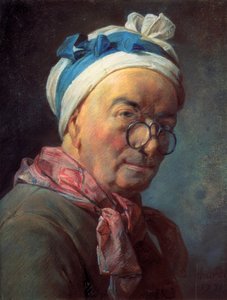
Jean-Baptiste-Siméon Chardin
1699 - 1779 , Frankreich
Kurzinfos
- Bemerkenswerte Werke:
- Der Steinbrecher
- Obstschale mit Krug
- Oh! Wenn er nur so treu wäre
- Einflussreiche Künstler:
- Pierre-Jacques Cazes
- Noël-Nicolas Coypel
- Geburtsdatum: 2. November 1699
- Geburtsort: Paris, Frankreich
- Künstlerische Richtung: Stillleben, Genremalerei
- Nationalität: Französisch
- Sterbedatum: 1779
- Vollständiger Name: Jean-Baptiste-Siméon Chardin
Ähnliche Artikel
Wein, Wände und Wärme: Eine kuratorische Anleitung zur Kunstauswahl für Weinkeller und Verkostungsräume – Die Steigerung der önologischen Erfahrung durch Landschaft, Symbolik und innere Harmonie
Gestalten Sie Ihren Weinkeller oder Verkostungsraum mit Kunst! Expertenrat zur Auswahl von Gemälden, Symbolik & Ästhetik für ein unvergleichliches Weinerlebnis. Jetzt entdecken!
Jean-Baptiste-Siméon Chardin: Meister des Stilllebens und der alltäglichen Eleganz
Entdecken Sie das Werk von Jean-Baptiste Simeon Chardin – Meister des Stilllebens und der alltäglichen Eleganz. Erfahren Sie mehr über seinen Stil, seine Technik und sein Vermächtnis. Hochwertige Reproduktionen bei ArtsDot!
Silent Narratives: Exploring the Enduring Appeal of Still Life Painting Across Centuries
Explore the rich history of still life painting with ArtsDot. Discover Dutch Masters, decode vanitas symbolism & learn about collecting timeless art. Expert insights and museum-quality reproductions.
Die Top 10 berühmter Gemälde in Walnusstönen – Kunst für Ihr Zuhause |
Entdecken Sie die Top 10 berühmter Gemälde in warmen Walnusstönen! Von Rembrandt bis Van Gogh – Kunstgeschichte, Techniken & Inspiration für Ihr Zuhause. Hochwertige Reproduktionen auf .
The Enduring Appeal of Still Life: A Historical & Contemporary Exploration
Explore the rich history & symbolism of still life painting with ArtsDot. Discover masterpieces from the Dutch Golden Age, learn about vanitas art, and find expert guidance for collecting timeless artworks.