 Vorschau anzeigen
 Versenden
 Teilen
 Details anzeigen

 Herunterladen
 Ähnliche Objekte
 Röntgenaufnahme
 Diashow
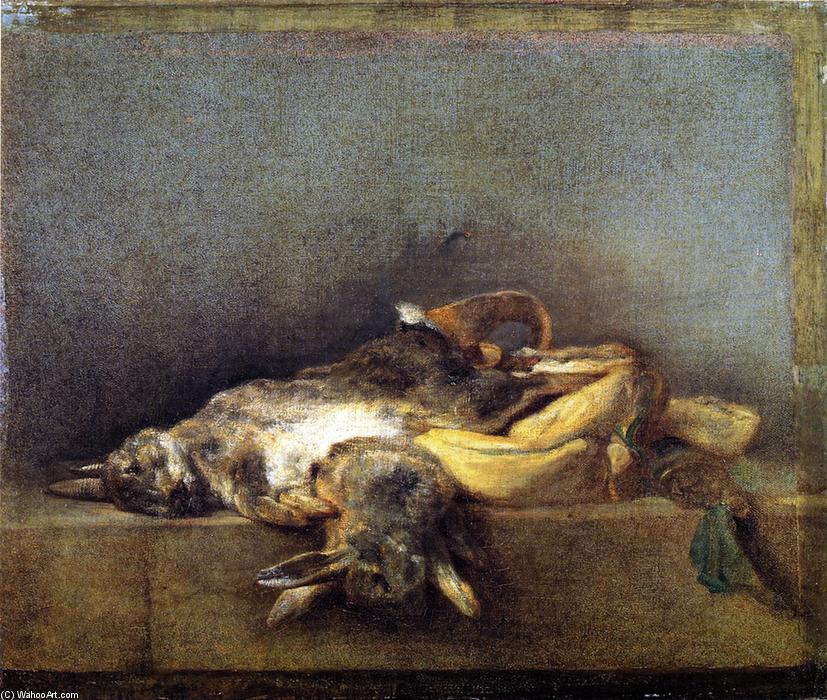
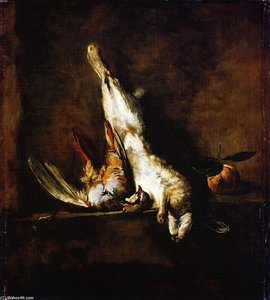
Two Rabbits with Game Bag and Powder Flask


 Weiterlesen
Giclée / Kunstdruck
Giclée- oder Leinwanddruck in Museumsqualität mit schneller Produktion und flexiblen Veredelungsoptionen. ( Handgemalte Reproduktion bestellen Bild kaufen)




P118B $10

P118H $10

P118W $10

P438Z $10

P508JH $12

P508YH $12

P805H $10

P805Z $10

P919BZ $10

P919G $10

P919XJ $10

P959ZH $10

P968JZ $12

W106C $8

W218G $10

W218JH $8

W218Y $10

W307PJ $10

W316G $10

W316PJ $8

W316Y $10

W398PJ $8

W4111J $10

W500HY $15

W500JH $15

W692G $12

W849H $8

W940BG $15

W953PJ $8




Wählen Sie aus unseren vordefinierten Formaten, die den ursprünglichen Proportionen des Kunstwerks entsprechen.

Sie können Ihre eigenen Maße eingeben, um ein bestimmtes Format oder einen speziellen Platz einzupassen. Wenn das von Ihnen gewählte Format nicht den Proportionen des Originalbildes entspricht, werden wir das Kunstwerk entweder beschneiden oder das Bild mit einem gespiegelten oder einfarbigen Rand erweitern. Ein digitaler Entwurf wird Ihnen zur Genehmigung zugesandt, bevor die Produktion beginnt.
Bitte beachten Sie, dass die Vorschau auf dem Bildschirm nicht den tatsächlichen Zuschnitt oder die Erweiterung widerspiegelt. Nur der Entwurf zeigt die endgültige Komposition präzise an.
Obwohl Sondermaße verfügbar sind, empfehlen wir die Auswahl eines Maßes aus der vordefinierten Liste, um die ursprünglichen Proportionen zu bewahren.
Weltweiter Versand () innerhalb von 2 Wochen statt der üblichen 4/5 Wochen. (24 August)

Kostenloser weltweiter Expressversand

Hochwertige Leinenleinwand

Umfassender Versicherungsschutz beim Versand

Zollgebühren-Rückerstattungsgarantie

Garantie für exakte Farbtreue

60 Tage Rückgaberecht (nur bei Mängeln)

100% Geld-zurück-Garantie

Mengenrabatt verfügbar
 Die Glasoption ist nur für Größen unter 110 cm verfügbar.

Two Rabbits with Game Bag and Powder Flask
Giclée / Kunstdruck
Format der Reproduktion
-


Gesamtpreis
$ 62
Sammlerstück-Beschreibung
A Moment Frozen in Time: Jean-Baptiste-Siméon Chardin’s “Two Rabbits with Game Bag and Powder Flask”
Jean-Baptiste-Siméon Chardin's "Two Rabbits with Game Bag and Powder Flask," painted circa 1724-1728, isn’t merely a still life; it’s a profound meditation on the quiet beauty of everyday existence. Within its deceptively simple composition lies a wealth of observation, a subtle commentary on human interaction with nature, and an exquisite demonstration of Chardin's mastery of light and texture. This painting, housed within the National Gallery of Art in Washington D.C., offers a rare glimpse into the world of a 18th-century hunter and his companions – a world rendered with remarkable tenderness and a keen eye for detail.
Chardin’s style is instantly recognizable: he eschewed the grand narratives favored by many of his contemporaries, choosing instead to focus on the humble subjects of domestic life and the natural world. His paintings are characterized by an almost unnerving stillness, a sense that time has stopped within the frame. This isn't a dramatic scene of action or triumph; it’s a quiet tableau capturing a fleeting moment – perhaps after a successful hunt, or simply a shared pause amongst friends. The figures are rendered with remarkable realism, yet imbued with a gentle humanity that transcends mere representation.
The painting itself is dominated by the two rabbits, sprawled on the ground, their heads raised as if observing something just beyond the viewer’s sight. Their fur, depicted with meticulous detail and a subtle use of granular impasto – tiny dabs of paint creating a tactile surface – appears incredibly soft and inviting. Beside them stands a man, his posture relaxed yet attentive, holding a game bag and a powder flask. The inclusion of these objects immediately anchors the scene in the context of hunting, but Chardin doesn’t glorify the pursuit itself. Instead, he presents it as a shared experience, a moment of camaraderie amidst the natural world.
The Language of Light and Texture
Chardin's technical skill is evident in his masterful manipulation of light and shadow. He employs a technique known as *chiaroscuro* – the dramatic contrast between light and dark – to create a sense of depth and volume within the painting. The light, seemingly emanating from an unseen source, gently illuminates the rabbits’ fur and highlights the textures of the game bag and powder flask. This careful use of light not only enhances the visual appeal but also draws the viewer's eye to key elements within the composition.
Furthermore, Chardin’s technique is characterized by a loose, expressive brushstroke. He avoids smooth, polished surfaces, opting instead for a slightly rough and uneven texture that adds to the painting’s sense of immediacy and authenticity. This tactile quality invites the viewer to engage with the artwork on a sensory level, as if they could reach out and touch the soft fur of the rabbits or feel the weight of the game bag.
A Window into 18th-Century Life
“Two Rabbits with Game Bag and Powder Flask” offers a fascinating glimpse into the social customs and leisure activities of 18th-century France. Hunting was a popular pastime among the aristocracy, providing both sport and an opportunity to demonstrate skill and status. However, Chardin’s painting suggests that hunting wasn't solely about prestige; it also involved a degree of shared experience and companionship. The relaxed posture of the man and the attentive gaze of the rabbits suggest a moment of mutual appreciation for the natural world.
The inclusion of the powder flask is particularly noteworthy. Gunpowder was a valuable commodity, and its presence in the scene highlights the importance of hunting as a source of sustenance and wealth. It also subtly underscores the potential dangers associated with this activity – a reminder that even amidst beauty and tranquility, there exists an element of risk.
Symbolism and Emotional Resonance
Beyond its realistic depiction of a hunting scene, “Two Rabbits with Game Bag and Powder Flask” is rich in symbolic meaning. The rabbits themselves can be interpreted as symbols of fertility, abundance, and the cyclical nature of life. Their presence on the ground suggests a connection to the earth – a reminder of our dependence on the natural world.
The painting’s overall mood is one of quiet contemplation and understated beauty. It evokes a sense of nostalgia for a simpler time, a time when people took pleasure in observing the natural world and sharing experiences with their companions. Chardin's ability to capture such profound emotion within a seemingly simple composition is a testament to his genius as an artist – a reminder that true beauty can be found in the most unexpected places.
Ähnliche Kunstwerke
Über den Künstler
Frühes Leben und Ausbildung
Jean-Baptiste Siméon Chardin, ein französischer Maler, wurde am 2. November 1699 in Paris geboren. Er gilt als einer der größten Meister des Stilllebens und der Genremalerei. Chardins frühes Leben war geprägt von seiner Geburt als Sohn eines Schrankmachers, was wahrscheinlich sein Interesse an der Kunst beeinflusste. Er verließ Paris selten und lebte bis 1757 auf der linken Seine in der Nähe von Saint-Sulpice.Künstlerische Karriere
Chardin schloss 1723 einen Heiratsvertrag mit Marguerite Saintard, heiratete sie jedoch erst 1731. Er absolvierte Lehrzeiten bei den Historienmalern Pierre-Jacques Cazes und Noël-Nicolas Coypel und wurde 1724 Meister der Académie de Saint-Luc.- Chardins erster Erfolg kam durch die Ausstellung eines Gemäldes am 'Small Corpus Christi' auf dem Place Dauphine, das von Van Loo gekauft wurde, der den jungen Maler später unterstützte.
- Im Jahr 1728 präsentierte er "Der Rochen" und "Das Buffet", was zu seiner Aufnahme in die Académie Royale de Peinture et de Sculpture führte.
Wichtige Werke und Ausstellungen
Chardins Werk erlangte durch reproduktive Stiche Popularität, was ihm Einnahmen in Form von Tantiemen einbrachte. Zu den bemerkenswerten Werken gehören:- Der Rochen, ein Meisterwerk, das seine Fähigkeiten im Stillleben demonstriert.
- Stillleben mit Äpfeln und einem Krug, das seine Verwendung einer weichen Lichtdiffusion und körnigen Impasto zeigt.
Entwicklung und Vermächtnis
Chardins künstlerische Entwicklung lässt sich in drei Phasen unterteilen: zunächst konzentrierte er sich auf Stillleben, dann auf Genreszenen mit einzelnen oder wenigen Figuren, die ohne Sentimentalität dargestellt sind. Später wandte er sich wieder dem Stillleben zu, wobei er teurere Objekte malte. In seinen letzten Jahren wechselte er zur Pastellmalerei und porträtierte erfolgreich Personen, darunter auch Selbstporträts. Chardins Vermächtnis als Meister des Stilllebens und der Genremalerei inspiriert weiterhin Künstler und Kunstliebhaber. Seine Werke, die durch sorgfältig ausgewogene Kompositionen, weiche Lichteffekte und eine körnige Impasto gekennzeichnet sind, zeugen von seinem Können und seiner Hingabe an das Handwerk. Sein Einfluss auf nachfolgende Generationen von Künstlern ist unbestreitbar, insbesondere im Bereich der realistischen Darstellung des Alltagslebens. Er wird als einer der bedeutendsten französischen Maler des 18. Jahrhunderts angesehen.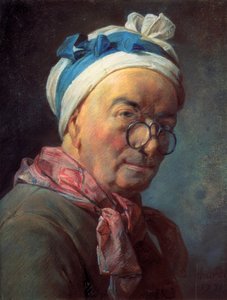
Jean-Baptiste-Siméon Chardin
1699 - 1779 , Frankreich
Kurzinfos
- Bemerkenswerte Werke:
- Der Steinbrecher
- Obstschale mit Krug
- Oh! Wenn er nur so treu wäre
- Einflussreiche Künstler:
- Pierre-Jacques Cazes
- Noël-Nicolas Coypel
- Geburtsdatum: 2. November 1699
- Geburtsort: Paris, Frankreich
- Künstlerische Richtung: Stillleben, Genremalerei
- Nationalität: Französisch
- Sterbedatum: 1779
- Vollständiger Name: Jean-Baptiste-Siméon Chardin
Ähnliche Artikel
Pixelierte Prestige: Erkundung von Knappheit, Wert und kultureller Wirkung limitierter Gaming-Gemälde
Entdecken Sie die Welt limitierter Gaming-Gemälde! Expertenwissen zu Wert, Knappheit & Sammlerkultur. Hochwertige Kunst für Kenner und leidenschaftliche Gamer – jetzt informieren!
Jenseits von Pixeln und Spieltrieb: Ästhetische und identitätsstiftende Bedeutung von Gaming-Art für den modernen Sammler
Entdecken Sie die faszinierende Welt der Gaming-Art! Expertenwissen über Sammlerstücke, Trends & Investitionen. Hochwertige Reproduktionen und individuelle Kunstberatung bei ArtsDot.
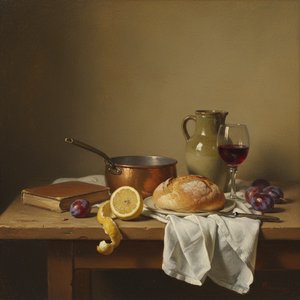
Jean-Baptiste-Siméon Chardin: Meister des Stilllebens und der alltäglichen Eleganz
Entdecken Sie das Werk von Jean-Baptiste Simeon Chardin – Meister des Stilllebens und der alltäglichen Eleganz. Erfahren Sie mehr über seinen Stil, seine Technik und sein Vermächtnis. Hochwertige Reproduktionen bei ArtsDot!
Pinselstriche und Endgegner: Die Künstler hinter den handgemalten Spielwelten – Inspirationen, Prozesse und persönliche Gaming-Erfahrungen
Entdecken Sie die faszinierende Welt handgemalter Spielwelten! Expertenwissen über Künstler, Techniken & den Einfluss der Kunstgeschichte auf moderne Videospiele. Jetzt lesen!

Von Pixeln zu Pflastersteinen: Wie Gaming-Ästhetik die Popkultur prägt
Entdecken Sie, wie Gaming-Ästhetik die Popkultur revolutioniert! Von Retro-Pixelkunst bis zu neuen Trends – wir analysieren den Einfluss von Videospielen auf Kunst, Mode und mehr. Expertenwissen für Kulturliebhaber.