

 Vorschau anzeigen
 Versenden
 Teilen
 Details anzeigen

 Herunterladen
 Ähnliche Objekte
 Röntgenaufnahme
 Diashow
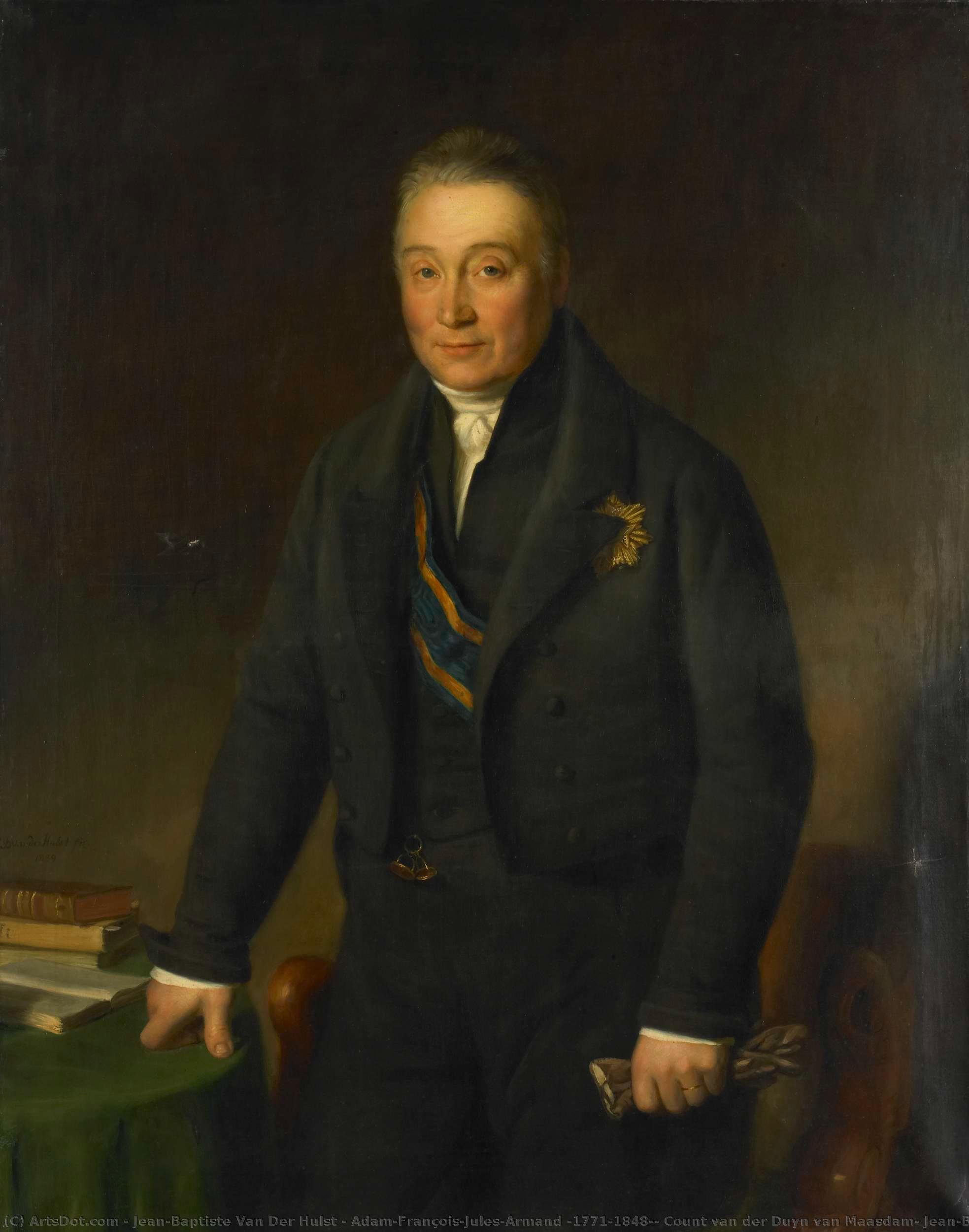
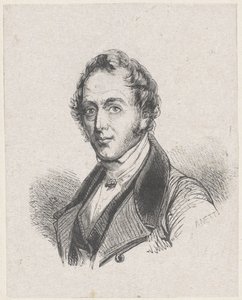
Adam-François-Jules-Armand (1771-1848), Count van der Duyn van Maasdam, Jean-Baptiste Van der Hulst, 1839
 1839
1839 122.0 x 95.0 cm
 Weiterlesen
Erwerben Sie ein hochauflösendes, optimiertes digitales Bild, das der Online-Vorschau weit überlegen ist.
Jede Datei wird von unseren hauseigenen Spezialisten mit modernsten Werkzeugen und fachmännischer manueller Retusche sorgfältig vorbereitet. Wir stellen sicher, dass jedes Bild eine außergewöhnliche Klarheit, präzise Farbgenauigkeit und feinste Details aufweist.
Die endgültige Datei wird innerhalb von 72 Stunden per E-Mail zugestellt und ist für den sofortigen Einsatz in professionellen, redaktionellen und Druckumgebungen optimiert. Es handelt sich um dieselbe Qualität, der führende Designstudios, Verlage und Galerien vertrauen.
Digitales Bild
Laden Sie eine hochauflösende Datei für die persönliche Präsentation, den Druck und kreative Projekte herunter. ( Druck bestellen Handgemalte Reproduktion bestellen)
In jeder Bestellung digitaler Bilder enthalten
Professionelle digitale Bereitstellung, garantiert
Wenn Sie sich für ArtsDot.com entscheiden, erhalten Sie nicht nur ein Bild – Sie erhalten ein professionell aufbereitetes digitales Kunstwerk, das mit höchster Präzision erstellt und durch eine Zufriedenheitsgarantie abgesichert wird. Hier ist alles, was automatisch mit Ihrer Bestellung geliefert wird:

Schnelle E-Mail-Zustellung
Ihre hochauflösende digitale Bilddatei wird Ihnen innerhalb von 72 Stunden nach der Bestellung per E-Mail zugestellt – bereit zur sofortigen Verwendung.

KI-optimierte digitale Datei
Ihre Kunstwerke werden professionell mithilfe fortschrittlicher KI-Tools und manueller Bearbeitung optimiert, um maximale Detailtreue, Klarheit und Farbgenauigkeit zu gewährleisten.

Lebenslanger kostenloser Neudruckservice
Datei versehentlich gelöscht oder verloren? Keine Sorge – wir senden sie Ihnen jederzeit kostenlos erneut zu.

Keine Einfuhrgebühren – jemals
Genießen Sie Ihr Kunstwerk sofort ohne Zollgebühren, Einfuhrabgaben oder Versandkosten – digitale Downloads sind immer steuerfrei.

Garantierte Farbtreue
Wir garantieren, dass Ihr digitales Bild mithilfe professioneller Werkzeuge und Farbmanagement die Originalfarben so präzise wie möglich wiedergibt.

60-Tage-Zufriedenheitsgarantie
Sollten Sie mit Ihrem digitalen Bild nicht zufrieden sein, werden wir es überarbeiten oder Ihnen innerhalb von 60 Tagen 100% erstatten – ohne Wenn und Aber.

100% Geld-zurück-Garantie
Nicht zufrieden? Erhalten Sie innerhalb von 60 Tagen nach Erhalt Ihrer digitalen Datei eine vollständige Rückerstattung – ohne Angabe von Gründen.

Rabatte bei Großbestellungen
3 Bilder kaufen, 10% sparen – 5 Bilder kaufen, 15% sparen – Ab 10 Bildern 20% sparen. Ideal für kreative Projekte, Galerien und Agenturen.
Ähnliche Kunstwerke







Biografie des Künstlers
A Brush with Royalty: The Life and Art of Jean-Baptiste van der Hulst
Born in Leuven, Belgium, in 1790, Jean-Baptiste van der Hulst emerged as a significant figure in the artistic landscape of the early 19th century. His life coincided with a period of immense political and social upheaval in Europe, events that would profoundly shape not only his personal trajectory but also the subject matter he chose to immortalize on canvas. While initially trained in the traditional Flemish style, van der Hulst quickly distinguished himself through an exceptional talent for portraiture, a skill that ultimately led him to the heart of Dutch royal circles. His journey from aspiring artist to *hofschilder* (court painter) is a testament to his dedication, technical prowess, and ability to capture not merely likenesses but the very essence of his sitters.Early Training and Artistic Development
Van der Hulst’s early artistic education remains somewhat shrouded in mystery; however, it's understood he received foundational training within the established Flemish schools. This grounding instilled in him a meticulous attention to detail, a mastery of light and shadow, and a deep appreciation for classical composition—elements that would become hallmarks of his mature style. He wasn’t merely replicating techniques, though. Van der Hulst possessed an innate sensitivity to human expression, allowing him to move beyond simple representation towards a more nuanced portrayal of character. This talent was particularly evident in his early portraits, which, while not widely known today, demonstrate a burgeoning ability to convey personality and social standing through subtle gestures and carefully chosen attire. He began exhibiting works that garnered local attention, slowly building a reputation for quality and precision.The Court of the Netherlands: A Portraitist Ascendant
The pivotal moment in van der Hulst’s career arrived with his appointment as court painter to King William I of the Netherlands in 1830. This prestigious position thrust him into a world of aristocracy, diplomacy, and national identity. He was tasked with creating official portraits of the royal family and prominent members of Dutch society—a commission that demanded not only artistic skill but also an understanding of court etiquette and political symbolism. Van der Hulst excelled in this role, producing a series of elegant and dignified portraits that served to solidify the image of the newly established monarchy. His depictions weren’t simply flattering; they were carefully constructed narratives designed to project power, stability, and legitimacy. He became adept at using props, backgrounds, and even clothing to subtly communicate messages about his sitters' status and achievements.Beyond Portraits: History Painting and Artistic Legacy
While van der Hulst is best remembered for his royal portraits, he also engaged in history painting, a genre considered more prestigious at the time. These works, though less numerous than his portraiture, reveal a broader artistic ambition and a desire to engage with significant historical events. He tackled scenes of national heroism and moments of political importance, demonstrating a command of composition and narrative storytelling.- Technical Mastery: Van der Hulst’s technique was characterized by smooth brushwork, rich color palettes, and an exceptional attention to detail. He employed glazing techniques to create depth and luminosity in his paintings.
- Symbolism and Narrative: His portraits were often imbued with subtle symbolism, reflecting the social status and political affiliations of his sitters.
- Influence of Contemporaries: While maintaining a distinct style, van der Hulst was influenced by contemporary portraitists such as Jacques-Louis David and Jean-Auguste-Dominique Ingres.
Jean-Baptiste Van Der Hulst
1790 - 1862

