

 Vorschau anzeigen
 Versenden
 Teilen
 Details anzeigen

 Herunterladen
 Ähnliche Objekte
 Röntgenaufnahme
 Diashow
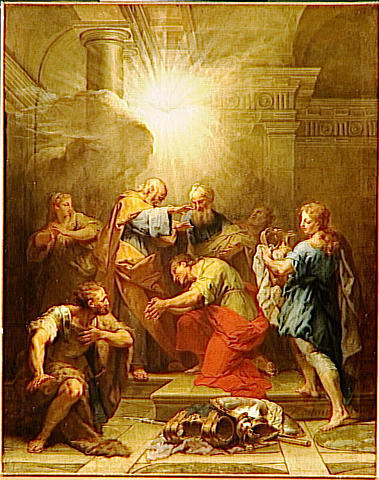
ANANIE IMPOSANT LES MAINS A SAINT PAUL


 Weiterlesen
Giclée / Kunstdruck
Giclée- oder Leinwanddruck in Museumsqualität mit schneller Produktion und flexiblen Veredelungsoptionen. ( Handgemalte Reproduktion bestellen Bild kaufen)




P118B $10

P118H $10

P118W $10

P438Z $10

P508JH $12

P508YH $12

P805H $10

P805Z $10

P919BZ $10

P919G $10

P919XJ $10

P959ZH $10

P968JZ $12

W106C $8

W218G $10

W218JH $8

W218Y $10

W307PJ $10

W316G $10

W316PJ $8

W316Y $10

W398PJ $8

W4111J $10

W500HY $15

W500JH $15

W692G $12

W849H $8

W940BG $15

W953PJ $8




Wählen Sie aus unseren vordefinierten Formaten, die den ursprünglichen Proportionen des Kunstwerks entsprechen.

Sie können Ihre eigenen Maße eingeben, um ein bestimmtes Format oder einen speziellen Platz einzupassen. Wenn das von Ihnen gewählte Format nicht den Proportionen des Originalbildes entspricht, werden wir das Kunstwerk entweder beschneiden oder das Bild mit einem gespiegelten oder einfarbigen Rand erweitern. Ein digitaler Entwurf wird Ihnen zur Genehmigung zugesandt, bevor die Produktion beginnt.
Bitte beachten Sie, dass die Vorschau auf dem Bildschirm nicht den tatsächlichen Zuschnitt oder die Erweiterung widerspiegelt. Nur der Entwurf zeigt die endgültige Komposition präzise an.
Obwohl Sondermaße verfügbar sind, empfehlen wir die Auswahl eines Maßes aus der vordefinierten Liste, um die ursprünglichen Proportionen zu bewahren.
Weltweiter Versand () innerhalb von 2 Wochen statt der üblichen 4/5 Wochen. (24 August)

Kostenloser weltweiter Expressversand

Hochwertige Leinenleinwand

Umfassender Versicherungsschutz beim Versand

Zollgebühren-Rückerstattungsgarantie

Garantie für exakte Farbtreue

60 Tage Rückgaberecht (nur bei Mängeln)

100% Geld-zurück-Garantie

Mengenrabatt verfügbar
 Die Glasoption ist nur für Größen unter 110 cm verfügbar.

ANANIE IMPOSANT LES MAINS A SAINT PAUL
Giclée / Kunstdruck
Format der Reproduktion
-


Gesamtpreis
$ 62
Sammlerstück-Beschreibung
Ananie Impostant Les Mains à Saint Paul: A Dramatic Revelation
Jean-Bernard Restout’s “Ananie Impostant Les Mains à Saint Paul” is not merely a painting; it's a visceral plunge into the heart of a pivotal biblical narrative. Completed in 1719, this monumental work, now housed within the esteemed collection of the Louvre Museum in Paris, captures a moment of profound transformation – the restoration of sight to St. Paul by Ananias, a scene brimming with spiritual intensity and theatrical drama. Restout, a prominent figure of the Rococo period, masterfully blends Baroque dynamism with the era’s characteristic opulence, creating an artwork that continues to resonate with viewers centuries later.
The composition immediately commands attention. A central beam of light, radiating from above like divine grace itself, illuminates the scene, bathing the figures in a golden glow. This dramatic lighting is a hallmark of Restout’s style, expertly employed to heighten the emotional impact and draw the eye towards the core of the narrative: Ananias extending his hands toward the blinded Paul. The setting, likely inspired by Roman or classical architecture – evidenced by the imposing columns and arches in the background – provides a suitably grand backdrop for this transformative event. The figures are arranged with deliberate precision, creating a sense of movement and urgency as Paul’s eyes slowly open to reveal the world anew.
A Symphony of Color and Texture
Restout's palette is rich and warm, dominated by ochres, browns, reds, and yellows – colors that evoke both earthly solidity and divine illumination. These hues are skillfully layered with cooler blues and greens in the architectural details and shadows, adding depth and complexity to the scene. The artist’s brushwork is visible, contributing a textured surface that invites close examination. Notice how he uses impasto—thickly applied paint—to emphasize the folds of the drapery and the intensity of Paul's expression. The use of glazing techniques further enhances the luminosity of the light source, creating an almost ethereal quality.
Beyond the technical mastery, Restout’s choice of colors is deeply symbolic. The vibrant red robe worn by one figure – likely Ananias himself – draws immediate attention and signifies his role as a conduit for divine intervention. The muted tones of Paul's clothing contrast sharply with the brilliance of the light, underscoring his transition from darkness to enlightenment. The discarded armor and weaponry scattered at the base of the scene represent the relinquishment of worldly power—a key element in Paul’s conversion story.
Symbolism and Spiritual Depth
“Ananie Impostant Les Mains à Saint Paul” is far more than a depiction of a biblical event; it's an exploration of faith, repentance, and the transformative power of divine grace. The central beam of light serves as a potent symbol of revelation—a direct connection between God and humanity. The act of Ananias extending his hands represents not just physical restoration but also spiritual awakening. Paul’s expression – a mixture of surprise, gratitude, and nascent faith – is remarkably lifelike, conveying the profound emotional impact of this pivotal moment.
Furthermore, the scene resonates with broader themes of redemption and the possibility of new beginnings. The discarded armor speaks to the shedding of old attachments and the embrace of a higher purpose. The composition as a whole invites contemplation on the nature of faith and the journey from darkness to light—a timeless message that continues to inspire viewers today.
A Legacy of Rococo Grandeur
Jean-Bernard Restout’s “Ananie Impostant Les Mains à Saint Paul” stands as a testament to the dynamism and emotional intensity of the Rococo period. Influenced by the grandeur of the Baroque, Restout infused his work with a sense of theatrical drama and heightened emotion. This painting exemplifies his skill in capturing complex narratives through carefully constructed compositions, rich color palettes, and masterful use of light and shadow. Reproductions of this powerful artwork offer a captivating glimpse into a pivotal moment in Christian history—a reminder of the enduring power of faith and the transformative potential within us all.
Ähnliche Kunstwerke

Über den Künstler
Frühes Leben und Ausbildung
Jean-Bernard Restout, ein bedeutender französischer Maler, wurde 1732 in Paris geboren und verstarb 1797 in derselben Stadt. Als Sohn von Jean II. Restout trat er in die Fußstapfen seines Vaters und wurde selbst Mitglied der Académie de Rouen. Seine künstlerische Laufbahn war von bemerkenswerten Erfolgen geprägt, darunter die Verleihung des prestigeträchtigen Prix de Rome im Jahr 1758. Nach seiner Rückkehr aus Italien im Jahr 1765 wurde er in die Académie Royale aufgenommen und erhielt 1769 die volle Aufnahme in diesen elitären Kreis.Ausstellungen und Sammlungen
Jean-Bernard Restout präsentierte seine Werke zwischen 1767 und 1791 regelmäßig auf dem berühmten Salon de Paris. Sein künstlerisches Erbe ist heute im Musée des Beaux-Arts de Rouen bewahrt, dessen Schätze über die Plattform von [ArtsDot.com](https://ArtsDot.com/@@/a@d3aq25) erkundet werden können.Revolutionäre Ära und spätere Jahre
Die turbulenten Zeiten der Französischen Revolution hinterließen tiefe Spuren in seinem Leben. Jean-Bernard Restout übernahm die Präsidentschaft der Commune des Arts und setzte sich gemeinsam mit dessen Gründer David für die Auflösung der Akademie ein. In seiner Rolle als Hüter des Garde-Meuble Royal unter Roland geriet er während der Schreckensherrschaft in Gefangenschaft, konnte jedoch nach dem Staatsstreich des 9. Thermidor im Jahr 1794 wieder freigelassen werden.Vermächtnis und künstlerische Bedeutung
Das künstlerische Vermächtnis von Jean-Bernard Restout zeichnet sich durch die Treue zu traditionellen französischen Maltechniken aus, während er gleichzeitig die ersten Anzeichen revolutionären Eifers widerspiegelt. Obwohl sein Werk weniger berühmt ist als das einiger Zeitgenossen, bietet es ein einzigartiges Fenster in die künstlerische und politische Landschaft des Frankreich des 18. Jahrhunderts.Wichtige Werke und Sammlungen
- Die Gemälde von Jean-Bernard Restout sind durch ihre Eleganz und Zurückhaltung charakterisiert, was seine Ausbildung in der Tradition der Académie de Rouen widerspiegelt.
- Entdecken Sie mehr über das Werk von Jean-Bernard Restout und andere französische Künstler auf [ArtsDot.com](https://ArtsDot.com/@/jean-bernard-restout).
- Entdecken Sie die Meisterwerke des Musée des Beaux-Arts de Rouen mit Werken von Jean-Bernard Restout und anderen französischen Künstlern in der [Musée des Beaux-Arts de Rouen Sammlung von ArtsDot.com](https://ArtsDot.com/@@/a@d3aq25).
Fazit
Jean-Bernard Restout, eine prägende Figur der französischen Kunstgeschichte, hinterließ mit seiner einzigartigen Mischung aus traditionellen Techniken und revolutionärem Eifer einen unvergesslichen Eindruck in der Welt der Malerei. Sein Erbe bietet, wenngleich weniger weit verbreitet bekannt, einen fesselnden Einblick in die künstlerischen und politischen Strömungen des Frankreich des 18. Jahrhunderts.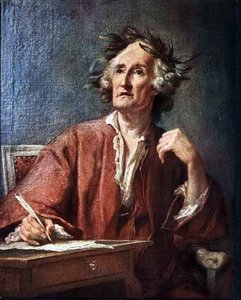
Jean-Bernard Restout
1732 - 1797 , Frankreich
Ähnliche Artikel

Paul Cézanne: Die 25 Meisterwerke des Impressionismus | ArtsDot
Entdecken Sie die 25 Meisterwerke von Paul Cézanne! Tauchen Sie ein in die Welt des Impressionismus und Postimpressionismus. Erfahren Sie mehr über seine Stillleben, Landschaften & berühmten Gemälde – jetzt hochwertige Kunstdrucke auf ArtsDot.com.
Paul Klee: Die 25 Meisterwerke des Abstrakten – Kunst für Ihr Zuhause | ArtsDot
Entdecken Sie die 25 Meisterwerke von Paul Klee! Tauchen Sie ein in seine abstrakte Welt, voller Expressionismus und Bauhaus-Einflüsse. Hochwertige Kunst für Ihr Zuhause – jetzt bei ArtsDot entdecken!
Paul Huet: Capturing the Essence of French Romanticism Through Light and Landscape
Explore the captivating world of Paul Huet (1803-1869), a master of French Romantic landscape painting. Discover his influence on Barbizon & Impressionism, and browse high-quality reproductions at ArtsDot.

The Enduring Legacy of Oil on Canvas: Technique, History & Aesthetic Impact
Explore the rich history & techniques of oil painting – from Renaissance masters to Impressionism. Discover pigments, layering methods, and why this timeless medium endures. Expert insights for artists & art enthusiasts.
Öl auf Holz: 10 Meisterwerke, die Kunstgeschichte veränderten | ArtsDot.com
Entdecken Sie die 10 legendärsten Gemälde auf Holz! Von Van Gogh bis Monet – erfahren Sie die Geschichten hinter den Meisterwerken des Impressionismus, Expressionismus & mehr. Hochwertige Reproduktionen für Ihr Zuhause finden Sie auf ArtsDot.com.

