

 Vorschau anzeigen
 Versenden
 Teilen
 Details anzeigen

 Herunterladen
 Ähnliche Objekte
 Röntgenaufnahme
 Diashow
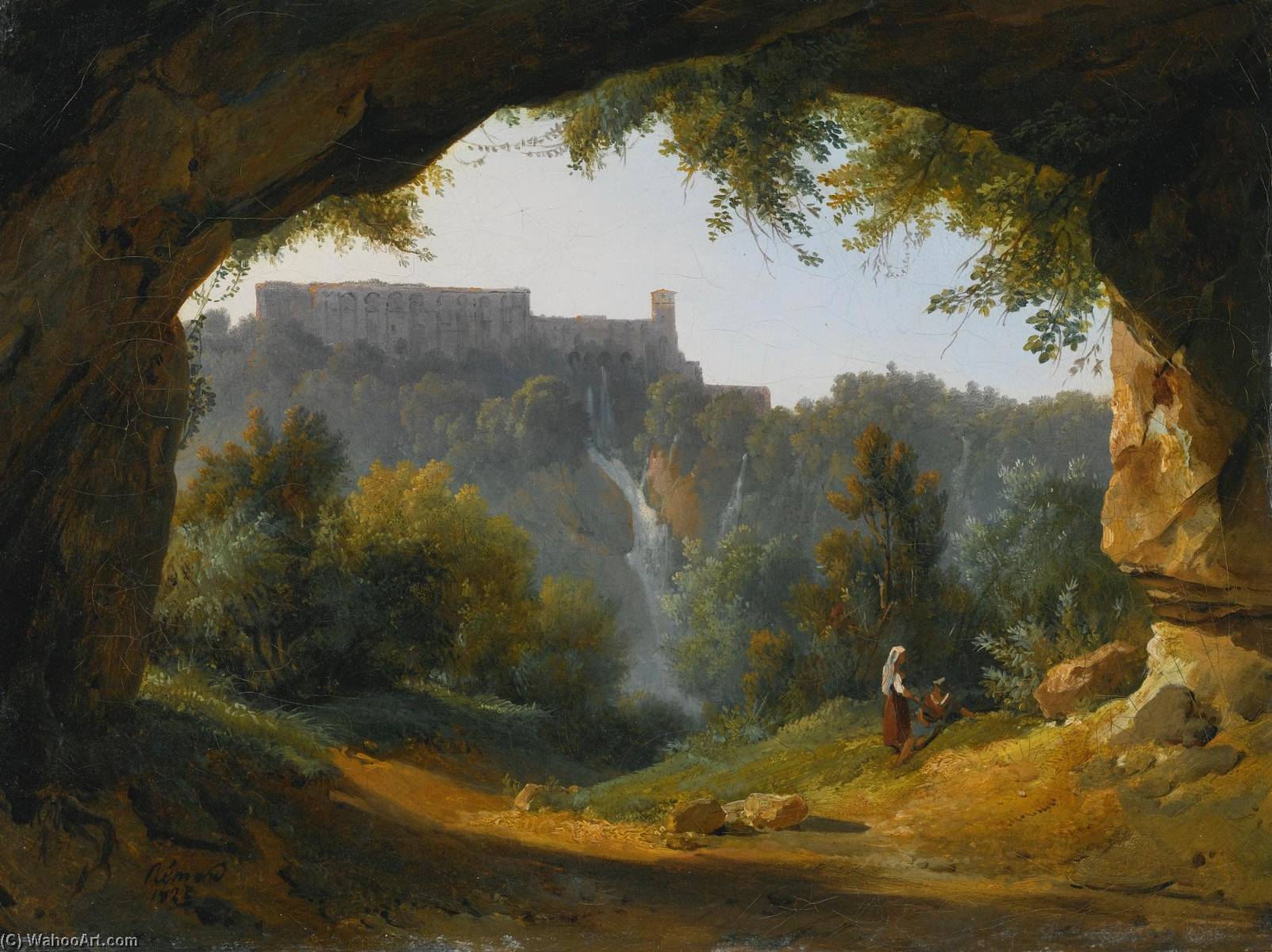
View of Tivoli from a grotto
 25.0 x 33.0 cm
 Weiterlesen
Giclée / Kunstdruck
Giclée- oder Leinwanddruck in Museumsqualität mit schneller Produktion und flexiblen Veredelungsoptionen. ( Handgemalte Reproduktion bestellen Bild kaufen)




































Wählen Sie aus unseren vordefinierten Formaten, die den ursprünglichen Proportionen des Kunstwerks entsprechen.

Sie können Ihre eigenen Maße eingeben, um ein bestimmtes Format oder einen speziellen Platz einzupassen. Wenn das von Ihnen gewählte Format nicht den Proportionen des Originalbildes entspricht, werden wir das Kunstwerk entweder beschneiden oder das Bild mit einem gespiegelten oder einfarbigen Rand erweitern. Ein digitaler Entwurf wird Ihnen zur Genehmigung zugesandt, bevor die Produktion beginnt.
Bitte beachten Sie, dass die Vorschau auf dem Bildschirm nicht den tatsächlichen Zuschnitt oder die Erweiterung widerspiegelt. Nur der Entwurf zeigt die endgültige Komposition präzise an.
Obwohl Sondermaße verfügbar sind, empfehlen wir die Auswahl eines Maßes aus der vordefinierten Liste, um die ursprünglichen Proportionen zu bewahren.
Weltweiter Versand () innerhalb von 2 Wochen statt der üblichen 4/5 Wochen. (27 August)

Kostenloser weltweiter Expressversand

Hochwertige Leinenleinwand

Umfassender Versicherungsschutz beim Versand

Zollgebühren-Rückerstattungsgarantie

Garantie für exakte Farbtreue

60 Tage Rückgaberecht (nur bei Mängeln)

100% Geld-zurück-Garantie

Mengenrabatt verfügbar
 Die Glasoption ist nur für Größen unter 110 cm verfügbar.

View of Tivoli from a grotto
Giclée / Kunstdruck
Format der Reproduktion
-


Gesamtpreis
$ 62
Ähnliche Kunstwerke









Über den Künstler
Jean-Charles Rémond: Painter of Romantic Landscapes
Jean-Charles Joseph Rémond (1795 – 1875) stands as a prominent figure in French landscape history painting, embodying the spirit of Romanticism and capturing the grandeur of natural vistas with meticulous detail. Born in Paris, he benefited from a privileged upbringing that fostered artistic inclinations early on, ultimately shaping him into one of his era’s most respected artists. His formative years were marked by instruction under luminaries like Jean-Victor Bertin and Jean-Baptiste Regnault, establishing a foundation for his distinctive style—characterized by luminous color palettes and an unwavering commitment to portraying the sublime beauty of the outdoors.- Early Life & Education: Rémond’s artistic journey commenced with formal training at the École Royale Supérieure des Beaux-Arts in Paris, where he honed his skills alongside fellow artists destined for acclaim. This rigorous academic environment instilled in him a disciplined approach to observation and representation, crucial elements that would permeate his subsequent oeuvre.
- Prix de Rome & Artistic Style: A pivotal moment arrived when Rémond secured the prestigious Prix de Rome award in 1821—a competition designed to nurture talent and propel young artists toward artistic excellence. This honor afforded him invaluable opportunities for travel and study in Italy, immersing him in the artistic traditions of antiquity and informing his stylistic sensibilities.
- Notable Works: Rémond’s artistic output spanned decades, producing numerous landscapes that exemplify the Romantic aesthetic. Among his most celebrated paintings are “The Grotto of Neptune at Tivoli,” a masterful depiction of the Roman villa’s spectacular grotto—a testament to his ability to convey atmospheric depth and textural richness—and “Carloman blessé à mort dans la forêt d’Yvelines,” an emotionally charged scene capturing the solemn beauty of a woodland landscape.
- Influence & Legacy: Rémond's work resonated deeply with contemporaries, establishing him as a champion of Romantic ideals – emotion, imagination, and reverence for nature—and securing his place within the canon of French art history. His meticulous technique and expressive use of color continue to inspire artists today, demonstrating the enduring power of Romantic landscape painting.
Exploring Rémond’s Artistic Vision: Techniques & Inspirations
Rémond's artistic approach was rooted in a profound understanding of scientific observation combined with an intuitive grasp of artistic expression. Like many artists of his time, he meticulously studied geological formations and atmospheric phenomena—drawing inspiration from the writings of Alexandre Humboldt and Johann Wolfgang von Goethe—to accurately represent the complexities of natural environments. His canvases pulsate with vibrant hues achieved through layering glazes—a technique perfected by Regnault—creating an illusion of depth and luminosity that captures the essence of sunlight filtering through foliage or reflecting off cascading waterfalls.- Glazing Technique: Rémond’s masterful glazing technique involved applying thin, translucent layers of pigment over previously painted surfaces, gradually building up color intensity and achieving remarkable tonal gradations. This method—inherited from Regnault—allowed him to simulate the effects of light and shadow with unparalleled realism.
- Color Palette: Rémond favored a palette dominated by blues, greens, and yellows—colors that evoked the serenity and majesty of mountainous landscapes or the verdant splendor of riverside meadows. He skillfully blended hues to create harmonious compositions that conveyed both visual beauty and emotional resonance.
- Romantic Ideals: Influenced by the philosophical currents of his era, Rémond embraced Romantic ideals – particularly the sublime—believing that art should inspire awe and contemplation before the grandeur of nature. His paintings served as vehicles for conveying profound emotions—such as sorrow, joy, and wonder—reflecting the Romantic preoccupation with subjective experience.
Rémond’s Contribution to Château de Fontainebleau & Landscape Art History
Jean-Charles Rémond's artistic legacy extends beyond his individual paintings; he played a significant role in shaping the aesthetic sensibilities of Château de Fontainebleau—a UNESCO World Heritage site and former royal residence—where his landscapes adorn prominent halls, offering visitors glimpses into the splendor of Napoleon I’s reign. His canvases exemplify the Romantic movement’s fascination with historical grandeur and contribute to the museum's narrative of artistic patronage during the Napoleonic era. Furthermore, Rémond stands as a cornerstone in landscape art history, demonstrating how artists can translate scientific observation into emotive visual representations—a tradition that continues to inspire painters worldwide.Further Resources
- The Grotto of Neptune at Tivoli: Explore this stunning artwork!
- Carloman blessé à mort dans la forêt d’Yvelines: Discover this evocative painting!
- RÉMOND, Jean-Charles-Joseph: Learn more about his biography.
jean charles joseph rémond
1795 - 1875
Kurzinfos
- Artistic Movement Or Style: Romantic Landscape
- Artists Or Movements Influenced By This Artist: ['Romanticism']
- Artists Who Influenced This Artist:
- Jean-Victor Bertin
- Jean-Baptiste Regnault
- Date Of Birth: 1795
- Full Name: Jean-Charles Joseph Rémond
- Nationality: French
- Notable Artworks: ['Niagara & Fontainebleau']
- Place Of Birth: Paris, France

