 Vorschau anzeigen
 Versenden
 Teilen
 Details anzeigen

 Herunterladen
 Ähnliche Objekte
 Röntgenaufnahme
 Diashow
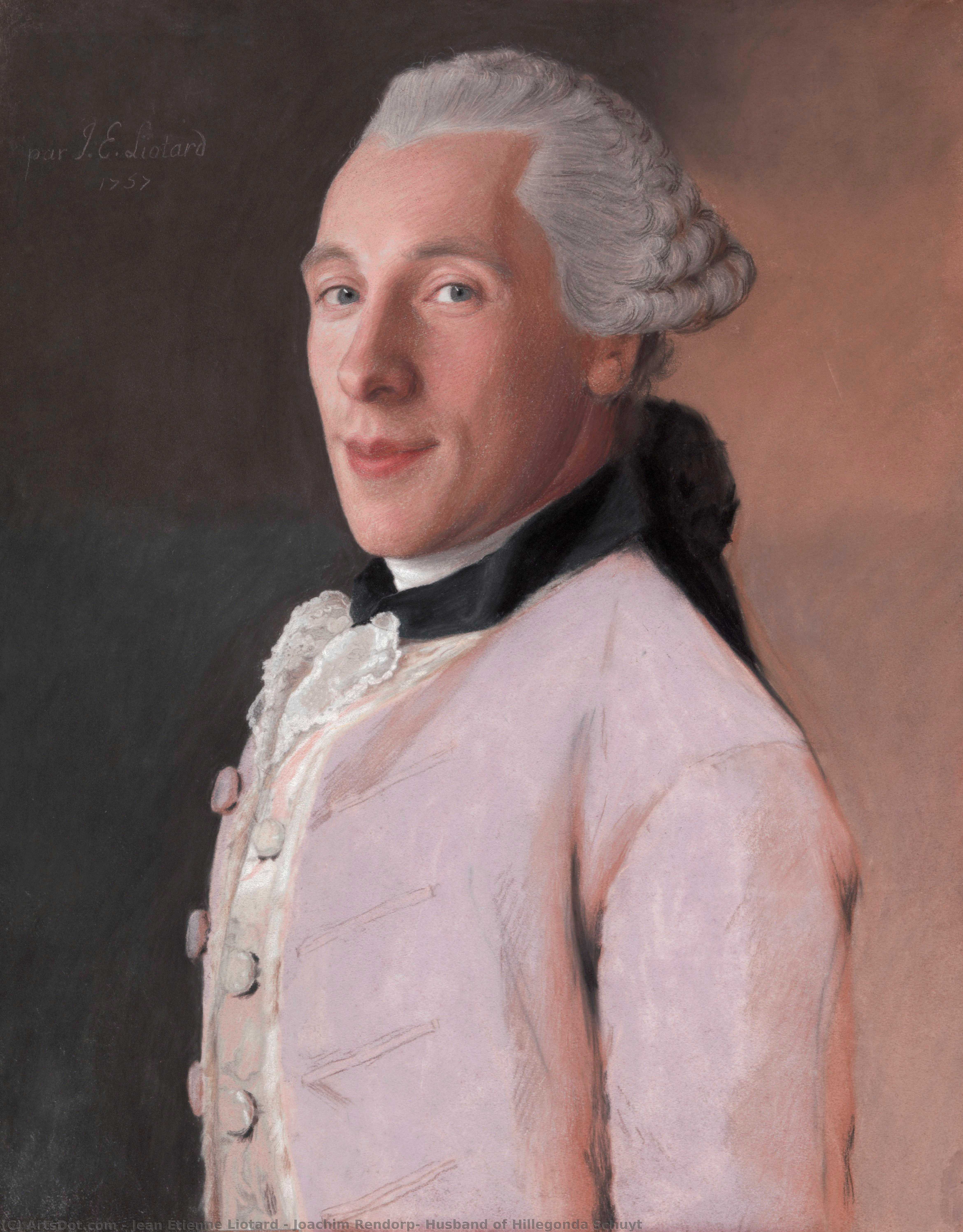
Joachim Rendorp, Husband of Hillegonda Schuyt


 Weiterlesen
Handgefertigte Ölreproduktion
Handgemaltes Ölgemälde auf Leinwand in Ihrer Wunschgröße und mit Rahmen, auf Bestellung von unseren Künstlern angefertigt. ( Druck bestellen Bild kaufen)




P118B $10

P118H $10

P118W $10

P438Z $10

P508JH $12

P508YH $12

P805H $10

P805Z $10

P919BZ $10

P919G $10

P919XJ $10

P959ZH $10

P968JZ $12

W106C $8

W218G $10

W218JH $8

W218Y $10

W307PJ $10

W316G $10

W316PJ $8

W316Y $10

W398PJ $8

W4111J $10

W500HY $15

W500JH $15

W692G $12

W849H $8

W940BG $15

W953PJ $8




Wählen Sie aus unseren vordefinierten Formaten, die den ursprünglichen Proportionen des Kunstwerks entsprechen.

Sie können Ihre eigenen Maße eingeben, um einen bestimmten Rahmen oder Platz auszufüllen. Wenn die gewählte Größe nicht den Proportionen des Originalbildes entspricht, werden wir das Kunstwerk entweder beschneiden oder das Gemälde durch zusätzliche, handgemalte Elemente erweitern. Ein digitales Mockup wird Ihnen zur Genehmigung zugesandt, bevor die Produktion beginnt.
Bitte beachten Sie, dass die Bildschirmvorschau nicht die tatsächliche Beschneidung oder Erweiterung widerspiegelt. Nur das Mockup zeigt die endgültige Komposition exakt an.
Obwohl Sondermaße verfügbar sind, empfehlen wir, eine Größe aus der vordefinierten Liste zu wählen, um die ursprünglichen Proportionen beizubehalten.
Nach der Bestellung wird das ArtsDot.com-Team dem Kunden Anweisungen per E-Mail zusenden und eine Mockup-Vorschau bereitstellen.
Weltweiter Versand () in nur 3 bis 4 Wochen statt der üblichen 5 Wochen. (29 August). Keine Kompromisse bei der Qualität.

Kostenloser weltweiter Expressversand

Hochwertige Leinenleinwand

Umfassender Versicherungsschutz beim Versand

Zollgebühren-Rückerstattungsgarantie

Garantie für exakte Farbtreue

60 Tage Rückgaberecht (nur bei Mängeln)

100% Geld-zurück-Garantie

Mengenrabatt verfügbar
 Die Glasoption ist nur für Größen unter 110 cm verfügbar.

Joachim Rendorp, Husband of Hillegonda Schuyt
Art der Reproduktion
Format der Reproduktion
-


Gesamtpreis
$ 263
A Glimpse into Rococo Elegance: Joachim Rendorp, Husband of Hillegonda Schuyt
To gaze upon this portrait is to step directly into the vibrant, sophisticated atmosphere of mid-eighteenth-century European society. The subject, Joachim Rendorp, husband of Hillegonda Schuyt, is captured in a moment of studied grace, radiating an air of prosperous leisure and fashionable refinement. His presentation speaks volumes about the social codes and aesthetic ideals of the era—a time when portraiture served not merely as commemoration, but as a carefully curated statement of status.
The Allure of Fashion and Persona
Rendorp himself is rendered with an almost theatrical flourish. The striking pink suit immediately draws the eye, a bold choice that speaks to the flamboyant tastes prevalent during the Rococo period. This vibrant hue, contrasted sharply by the pristine white lace adorning his collar, suggests wealth and an appreciation for delicate craftsmanship. His wig, meticulously styled, completes the illusion of aristocratic elegance, framing a face marked by a knowing smile. The goatee and mustache contribute to a carefully constructed masculine persona—one that is both charmingly self-aware and undeniably distinguished.
Artistic Technique and Historical Context
While the original work dates to 1757, its execution embodies the polished portraiture style favored by masters like Jean-Étienne Liotard, whose own travels across Europe imbued his subjects with an international flair. The background, a rich, deep red wall, serves as more than mere backdrop; it functions as a dramatic foil, allowing the luminosity of Rendorp’s costume and skin tones to advance forward into the viewer's space. The technique employed suggests a mastery of oil painting, capable of rendering both the soft texture of lace and the solid depth of color with equal conviction.
Symbolism and Emotional Resonance
The portrait is steeped in subtle symbolism. Beyond the obvious markers of wealth—the fine fabric and elaborate wig—lies the performance of identity. The smile itself is perhaps the most compelling element; it is not a candid moment, but a posed acknowledgment of being observed. It invites the viewer into a shared secret, suggesting wit and conviviality. For the modern collector or designer, this piece offers an unparalleled connection to historical glamour, evoking feelings of opulent drawing-room gatherings and sophisticated social maneuvering.
Bringing Salon Grandeur Home
Reproducing such a work allows one to integrate a piece of history's most vibrant social tapestry into contemporary living spaces. Whether adorning a formal study or a richly decorated salon, this reproduction captures the ephemeral beauty of aristocratic life. It is an object that whispers tales of powdered wigs, fashionable silks, and the enduring power of personal charisma, making it a captivating focal point for any discerning interior design scheme.
Ähnliche Kunstwerke
Über den Künstler
Frühes Leben und Ausbildung
Jean-Étienne Liotard, ein renommierter Genfer Maler, Kunstkenner und Händler, wurde am 22. Dezember 1702 in Genf, Schweiz, geboren. Seine Eltern, französische Protestanten, waren nach 1685 nach Genf geflohen. Liotards künstlerische Reise begann unter der Anleitung der Professoren Daniel Gardelle und Petitot, deren Emailarbeiten und Miniaturen er mit meisterhafter Geschicklichkeit nachahmte.Künstlerische Karriere
Liotards Reisen führten ihn in verschiedene europäische Hauptstädte, darunter Paris, Rom, Istanbul und Wien, wo seine Porträts äußerst begehrt waren. Im Jahr 1725 studierte er in Paris bei Jean-Baptiste Massé und François Lemoyne. Seine Zeit in Konstantinopel (1738–1742) beeinflusste sein Werk maßgeblich, was in seinen zahlreichen Pasteldarstellungen türkischer häuslicher Szenen deutlich wird.Bemerkenswerte Werke und Stil
Liotards Meisterschaft des Pastells zeigt sich in Werken wie:- Dutch Girl at Breakfast (ca. 1756, Öl auf Leinwand, Rijksmuseum), das seine Vielseitigkeit demonstriert.
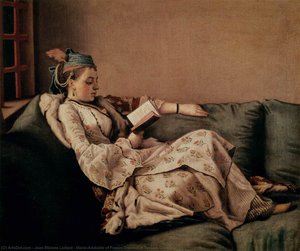
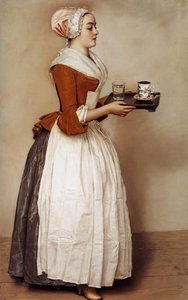
- La Liseuse, The Chocolate Girl und La Belle Lyonnaise in der Dresdner Galerie, die seine zarten Pastellzeichnungen beispielhaft darstellen.
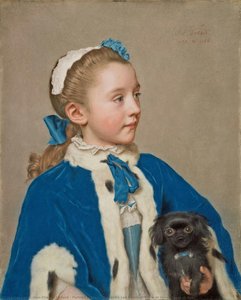
- Maria Frederike van Reede-Athlone at Seven (J. Paul Getty Museum), ein Zeugnis seiner naturalistischen Porträtkunst.
Vermächtnis und spätes Leben
Liotards spätere Jahre waren geprägt von der Veröffentlichung seiner Abhandlung, dem Traité des principes et des règles de la peinture (1781). Er malte weiterhin Stillleben und Landschaften bis zu seinem Tod am 12. Juni 1789 in Genf. Wichtige Links:- Jean-Étienne Liotard | ArtsDot.com (Künstlerseite)
- Jean-Étienne Liotard | Wikipedia
- A Woman in Turkish Dress | ArtsDot.com (Gemälde)
Museen und Sammlungen:
- The Museum Private Collection (Genf, Schweiz), die eine beeindruckende Auswahl an Liotards Werken umfasst.
- Musée d'Art et d'Histoire (Genf, Schweiz), das eine bedeutende Sammlung von Liotards Pastellen und Zeichnungen beherbergt.
Jean-Étienne Liotard
1702 - 1789 , Schweiz
Kurzinfos
- Artistic Movement Or Style: Pastoralismus
- Artists Or Movements Influenced By This Artist:
- Jean Baptiste Massé
- François Lemoyne
- Artists Who Influenced This Artist:
- Daniel Gardelle
- Petitot
- Date Of Birth: December 22, 1702
- Date Of Death: June 12, 1789
- Full Name: Jean-Étienne Liotard
- Nationality: Schweizerisch
- Notable Artworks:
- Dutch Girl at Breakfast
- La Liseuse, Das Schokoladenmädchen
- Maria Frederike van Reede-Athlone at Seven
- Place Of Birth: Geneva, Switzerland
Ähnliche Artikel
Die zartesten Meisterwerke: Top 10 Gemälde in Lichtrosa & ihre Geschichte |
Entdecken Sie die Top 10 berühmter Gemälde in zarten Rosatönen! Von impressionistischen Meisterwerken bis hin zu romantischen Ikonen – erfahren Sie mehr über Künstler, Techniken & Geschichte. Hochwertige Kunstdrucke auf .

Rococo Meisterwerke: Die Top 10, die eine Epoche prägten |
Entdecken Sie die Top 10 Rokoko Meisterwerke von Watteau, Boucher & Fragonard! Erfahren Sie die Geschichten hinter diesen ikonischen Gemälden und lassen Sie sich für Ihre Inneneinrichtung inspirieren. Hochwertige Kunstdrucke auf .

The Rococo Aesthetic: Opulence, Rebellion & the Pursuit of Pleasure in 18th-Century Art
Explore the opulent world of Rococo art! Discover its origins, key artists like Watteau & Boucher, and lasting influence on design. Expert insights for collectors & enthusiasts.
The Rococo Style: Aristocratic Leisure & the Pursuit of Delight in 18th-Century Art
Explore the opulent world of Rococo art! Discover Watteau, Boucher & Nattier's masterpieces. Expert insights for collectors seeking museum-quality reproductions and custom portraits at ArtsDot.
Illuminating the Enlightenment: A Comprehensive Exploration of 18th-Century Painting
Explore the captivating world of 18th-century painting! Discover Rococo's playful elegance & Neoclassicism’s Enlightenment ideals with expert insights into Fragonard, David, and more. A comprehensive guide for art enthusiasts.