

 Vorschau anzeigen
 Versenden
 Teilen
 Details anzeigen

 Herunterladen
 Ähnliche Objekte
 Röntgenaufnahme
 Diashow
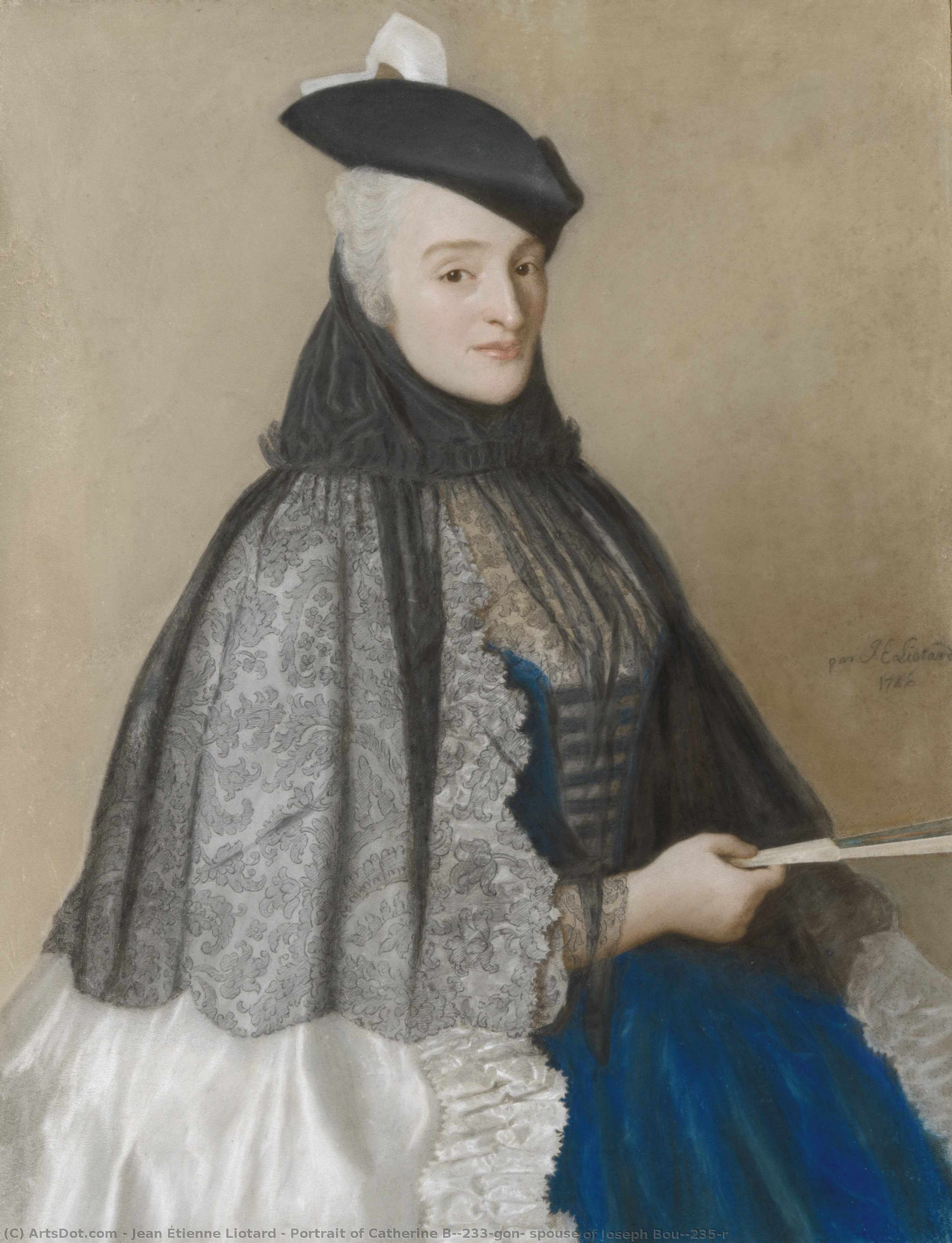
Portrait of Catherine Bégon, spouse of Joseph Bouër


 Weiterlesen
Erwerben Sie ein hochauflösendes, optimiertes digitales Bild, das der Online-Vorschau weit überlegen ist.
Jede Datei wird von unseren hauseigenen Spezialisten mit modernsten Werkzeugen und fachmännischer manueller Retusche sorgfältig vorbereitet. Wir stellen sicher, dass jedes Bild eine außergewöhnliche Klarheit, präzise Farbgenauigkeit und feinste Details aufweist.
Die endgültige Datei wird innerhalb von 72 Stunden per E-Mail zugestellt und ist für den sofortigen Einsatz in professionellen, redaktionellen und Druckumgebungen optimiert. Es handelt sich um dieselbe Qualität, der führende Designstudios, Verlage und Galerien vertrauen.
Digitales Bild
Laden Sie eine hochauflösende Datei für die persönliche Präsentation, den Druck und kreative Projekte herunter. ( Druck bestellen Handgemalte Reproduktion bestellen)
In jeder Bestellung digitaler Bilder enthalten
Professionelle digitale Bereitstellung, garantiert
Wenn Sie sich für ArtsDot.com entscheiden, erhalten Sie nicht nur ein Bild – Sie erhalten ein professionell aufbereitetes digitales Kunstwerk, das mit höchster Präzision erstellt und durch eine Zufriedenheitsgarantie abgesichert wird. Hier ist alles, was automatisch mit Ihrer Bestellung geliefert wird:

Schnelle E-Mail-Zustellung
Ihre hochauflösende digitale Bilddatei wird Ihnen innerhalb von 72 Stunden nach der Bestellung per E-Mail zugestellt – bereit zur sofortigen Verwendung.

KI-optimierte digitale Datei
Ihre Kunstwerke werden professionell mithilfe fortschrittlicher KI-Tools und manueller Bearbeitung optimiert, um maximale Detailtreue, Klarheit und Farbgenauigkeit zu gewährleisten.

Lebenslanger kostenloser Neudruckservice
Datei versehentlich gelöscht oder verloren? Keine Sorge – wir senden sie Ihnen jederzeit kostenlos erneut zu.

Keine Einfuhrgebühren – jemals
Genießen Sie Ihr Kunstwerk sofort ohne Zollgebühren, Einfuhrabgaben oder Versandkosten – digitale Downloads sind immer steuerfrei.

Garantierte Farbtreue
Wir garantieren, dass Ihr digitales Bild mithilfe professioneller Werkzeuge und Farbmanagement die Originalfarben so präzise wie möglich wiedergibt.

60-Tage-Zufriedenheitsgarantie
Sollten Sie mit Ihrem digitalen Bild nicht zufrieden sein, werden wir es überarbeiten oder Ihnen innerhalb von 60 Tagen 100% erstatten – ohne Wenn und Aber.

100% Geld-zurück-Garantie
Nicht zufrieden? Erhalten Sie innerhalb von 60 Tagen nach Erhalt Ihrer digitalen Datei eine vollständige Rückerstattung – ohne Angabe von Gründen.

Rabatte bei Großbestellungen
3 Bilder kaufen, 10% sparen – 5 Bilder kaufen, 15% sparen – Ab 10 Bildern 20% sparen. Ideal für kreative Projekte, Galerien und Agenturen.
A Glimpse of Elegance: Catherine Bégon’s Portrait by Liotard
Jean-Étienne Liotard's "Portrait of Catherine Bégon, Spouse of Joseph Bouër," painted in 1746, is more than a simple likeness; it’s an exquisite distillation of Rococo artistry—a shimmering tableau of grace, refinement, and subtle intrigue. This pastel masterpiece, currently residing within the hallowed halls of the Rijksmuseum in Amsterdam, offers a captivating window into the world of 18th-century French aristocracy, revealing not just a woman's beauty but also the delicate dance between social standing and artistic expression.
The portrait immediately draws the eye to Catherine Bégon herself. Dressed in a sumptuous Venetian carnival costume—a deliberate nod to the fashionable masquerades of the era—she embodies an air of poised elegance. The vibrant, layered application of pastel hues creates a remarkable sense of texture and depth; the silk of her gown seems to shimmer with light, while the intricate details of her headdress and jewelry are rendered with breathtaking precision. Liotard’s masterful use of color isn't merely decorative; it’s carefully calibrated to evoke a specific mood—a blend of sophistication, mystery, and quiet confidence.
The Painter’s Technique: Pastel as Poetry
Liotard was renowned for his virtuosity with pastel, a medium he elevated to an art form. Unlike the heavier oils favored by many of his contemporaries, pastel allowed for unparalleled delicacy and luminosity. He employed a technique known as “glazing,” layering thin washes of color upon one another to build up depth and richness. This meticulous approach is particularly evident in the portrait’s delicate rendering of fabric and skin tones—a testament to Liotard's keen eye for detail and his ability to capture the subtle nuances of light and shadow.
Furthermore, Liotard’s use of white pastel was revolutionary. Rather than relying solely on darker pigments to create contrast, he strategically employed white to lift color from the paper, creating a luminous effect that is both ethereal and remarkably realistic. This technique, combined with his masterful blending skills, results in an image that seems to radiate an inner light—a characteristic that defines much of Liotard’s work.
A Window into a World of Intrigue
The portrait's historical context adds another layer of fascination. Catherine Bégon was the wife of Joseph Bouër, a prominent figure in Amsterdam’s merchant community. The choice of a Venetian carnival costume suggests a deliberate attempt to project an image of worldly sophistication and social grace—a fitting representation for a woman navigating the complexities of aristocratic society. The inclusion of a book or scroll hints at her intellectual pursuits, further enriching our understanding of her character.
Interestingly, Liotard’s background as a collector and dealer in art also informs this portrait. He was deeply familiar with the latest fashions and trends, and his ability to capture them with such exquisite detail speaks to his keen eye for beauty and his deep appreciation for the arts. The portrait itself can be viewed as an embodiment of these values—a celebration of elegance, refinement, and artistic skill.
Symbolism and Emotional Resonance
Beyond its technical brilliance, “Portrait of Catherine Bégon” resonates with a profound sense of emotional depth. The woman’s gaze is direct and engaging, inviting the viewer to connect with her on a personal level. There's an underlying serenity in her expression—a quiet confidence that speaks volumes about her character. The pastel medium itself contributes to this effect, lending a softness and intimacy to the image that is rarely achieved with other painting techniques.
Ultimately, Liotard’s portrait transcends mere representation; it captures a fleeting moment of beauty, grace, and sophistication—a timeless testament to the enduring power of art to illuminate the human spirit. It remains a captivating work, offering viewers an intimate glimpse into the world of 18th-century France and the artistry of one of its most celebrated painters.
Ähnliche Kunstwerke
Biografie des Künstlers
Frühes Leben und Ausbildung
Jean-Étienne Liotard, ein renommierter Genfer Maler, Kunstkenner und Händler, wurde am 22. Dezember 1702 in Genf, Schweiz, geboren. Seine Eltern, französische Protestanten, waren nach 1685 nach Genf geflohen. Liotards künstlerische Reise begann unter der Anleitung der Professoren Daniel Gardelle und Petitot, deren Emailarbeiten und Miniaturen er mit meisterhafter Geschicklichkeit nachahmte.Künstlerische Karriere
Liotards Reisen führten ihn in verschiedene europäische Hauptstädte, darunter Paris, Rom, Istanbul und Wien, wo seine Porträts äußerst begehrt waren. Im Jahr 1725 studierte er in Paris bei Jean-Baptiste Massé und François Lemoyne. Seine Zeit in Konstantinopel (1738–1742) beeinflusste sein Werk maßgeblich, was in seinen zahlreichen Pasteldarstellungen türkischer häuslicher Szenen deutlich wird.Bemerkenswerte Werke und Stil
Liotards Meisterschaft des Pastells zeigt sich in Werken wie:- Dutch Girl at Breakfast (ca. 1756, Öl auf Leinwand, Rijksmuseum), das seine Vielseitigkeit demonstriert.
- La Liseuse, The Chocolate Girl und La Belle Lyonnaise in der Dresdner Galerie, die seine zarten Pastellzeichnungen beispielhaft darstellen.
- Maria Frederike van Reede-Athlone at Seven (J. Paul Getty Museum), ein Zeugnis seiner naturalistischen Porträtkunst.
Vermächtnis und spätes Leben
Liotards spätere Jahre waren geprägt von der Veröffentlichung seiner Abhandlung, dem Traité des principes et des règles de la peinture (1781). Er malte weiterhin Stillleben und Landschaften bis zu seinem Tod am 12. Juni 1789 in Genf. Wichtige Links:- Jean-Étienne Liotard | ArtsDot.com (Künstlerseite)
- Jean-Étienne Liotard | Wikipedia
- A Woman in Turkish Dress | ArtsDot.com (Gemälde)
Museen und Sammlungen:
- The Museum Private Collection (Genf, Schweiz), die eine beeindruckende Auswahl an Liotards Werken umfasst.
- Musée d'Art et d'Histoire (Genf, Schweiz), das eine bedeutende Sammlung von Liotards Pastellen und Zeichnungen beherbergt.
Jean-Étienne Liotard
1702 - 1789 , Schweiz
Kurzinfos
- Artistic Movement Or Style: Pastoralismus
- Artists Or Movements Influenced By This Artist:
- Jean Baptiste Massé
- François Lemoyne
- Artists Who Influenced This Artist:
- Daniel Gardelle
- Petitot
- Date Of Birth: December 22, 1702
- Date Of Death: June 12, 1789
- Full Name: Jean-Étienne Liotard
- Nationality: Schweizerisch
- Notable Artworks:
- Dutch Girl at Breakfast
- La Liseuse, Das Schokoladenmädchen
- Maria Frederike van Reede-Athlone at Seven
- Place Of Birth: Geneva, Switzerland

