 Vorschau anzeigen
 Versenden
 Teilen
 Details anzeigen

 Herunterladen
 Ähnliche Objekte
 Röntgenaufnahme
 Diashow
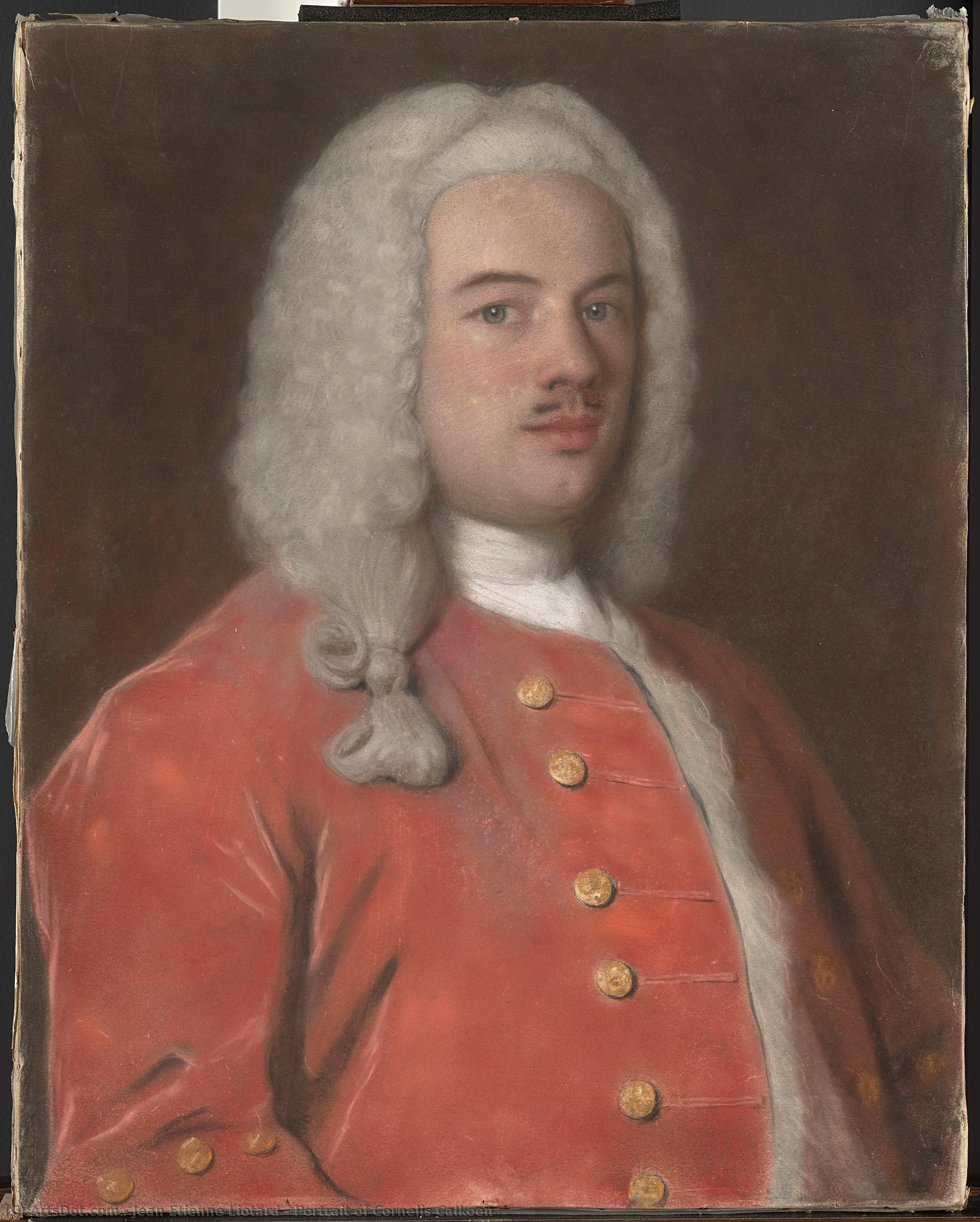
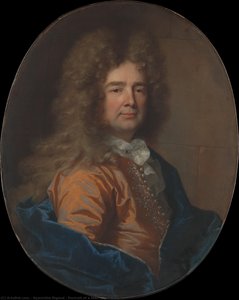
Portrait of Cornelis Calkoen


 Weiterlesen
Handgefertigte Ölreproduktion
Handgemaltes Ölgemälde auf Leinwand in Ihrer Wunschgröße und mit Rahmen, auf Bestellung von unseren Künstlern angefertigt. ( Druck bestellen Bild kaufen)




P118B $10

P118H $10

P118W $10

P438Z $10

P508JH $12

P508YH $12

P805H $10

P805Z $10

P919BZ $10

P919G $10

P919XJ $10

P959ZH $10

P968JZ $12

W106C $8

W218G $10

W218JH $8

W218Y $10

W307PJ $10

W316G $10

W316PJ $8

W316Y $10

W398PJ $8

W4111J $10

W500HY $15

W500JH $15

W692G $12

W849H $8

W940BG $15

W953PJ $8




Wählen Sie aus unseren vordefinierten Formaten, die den ursprünglichen Proportionen des Kunstwerks entsprechen.

Sie können Ihre eigenen Maße eingeben, um einen bestimmten Rahmen oder Platz auszufüllen. Wenn die gewählte Größe nicht den Proportionen des Originalbildes entspricht, werden wir das Kunstwerk entweder beschneiden oder das Gemälde durch zusätzliche, handgemalte Elemente erweitern. Ein digitales Mockup wird Ihnen zur Genehmigung zugesandt, bevor die Produktion beginnt.
Bitte beachten Sie, dass die Bildschirmvorschau nicht die tatsächliche Beschneidung oder Erweiterung widerspiegelt. Nur das Mockup zeigt die endgültige Komposition exakt an.
Obwohl Sondermaße verfügbar sind, empfehlen wir, eine Größe aus der vordefinierten Liste zu wählen, um die ursprünglichen Proportionen beizubehalten.
Nach der Bestellung wird das ArtsDot.com-Team dem Kunden Anweisungen per E-Mail zusenden und eine Mockup-Vorschau bereitstellen.
Weltweiter Versand () in nur 3 bis 4 Wochen statt der üblichen 5 Wochen. (25 August). Keine Kompromisse bei der Qualität.

Kostenloser weltweiter Expressversand

Hochwertige Leinenleinwand

Umfassender Versicherungsschutz beim Versand

Zollgebühren-Rückerstattungsgarantie

Garantie für exakte Farbtreue

60 Tage Rückgaberecht (nur bei Mängeln)

100% Geld-zurück-Garantie

Mengenrabatt verfügbar
 Die Glasoption ist nur für Größen unter 110 cm verfügbar.

Portrait of Cornelis Calkoen
Art der Reproduktion
Format der Reproduktion
-


Gesamtpreis
$ 263
Beschreibung des Kunstwerks
Portrait of Cornelis Calkoen: A Glimpse into 18th-Century Nobility Through Liotard’s Delicate Brush
Jean-Étienne Liotard's "Portrait of Cornelis Calkoen," painted around 1738-1742, is more than just a likeness; it’s a meticulously crafted window into the world of 18th-century European aristocracy. This captivating portrait, now housed in various collections and widely reproduced, reveals Liotard's mastery of pastel and his profound understanding of capturing not only physical appearance but also the subtle nuances of personality and social standing. The painting immediately draws the eye with its vibrant red coat, a bold statement against the muted browns and creams that define the background – a deliberate choice designed to elevate Calkoen’s status and draw attention to his commanding presence.
Liotard's style is distinctly Rococo, characterized by an emphasis on elegance, grace, and a certain theatricality. He moved away from the rigid formality of earlier portraiture, embracing a more relaxed and intimate approach. This is evident in Calkoen’s pose – he isn’t stiffly upright but leans slightly forward, engaging the viewer with a direct gaze. His powdered wig, meticulously styled according to the fashions of the time, frames his face, while the delicate folds of his clothing are rendered with remarkable precision, showcasing Liotard's skill in layering and blending pastel hues to create a sense of texture and depth.
The Art of Pastel: Technique and Innovation
Liotard was particularly renowned for his virtuosity with pastel – a medium he exploited to its fullest potential. Unlike oil paints, which require extensive drying time, pastels allow the artist to work directly on the paper, creating incredibly luminous and delicate effects. He employed a technique of ‘stippling’ and ‘hatching,’ building up layers of color through tiny dots and short lines, achieving an astonishing level of detail and tonal variation. Notice how he uses subtle gradations of pinks and reds to capture the sheen of Calkoen's coat, while delicate blues and greens are used to suggest the fabric beneath. This masterful control over the medium is a hallmark of Liotard’s work.
Furthermore, Liotard’s use of light is particularly noteworthy. The soft, diffused lighting creates an atmosphere of intimacy and serenity, highlighting Calkoen's features without harshness. The background is deliberately blurred, directing the viewer’s attention entirely to the subject. This technique, combined with his meticulous rendering of textures – from the velvet of the coat to the sheen of the wig – contributes significantly to the portrait’s overall realism and impact.
Symbolism and Social Context
Beyond its technical brilliance, “Portrait of Cornelis Calkoen” offers a glimpse into the social dynamics of 18th-century Europe. The subject himself, Cornelis Calkoen, was likely a member of the landed gentry – evidenced by his attire and bearing. The red coat, often associated with nobility and military rank, signifies wealth and status. The inclusion of gold buttons further emphasizes this distinction. The portrait served not merely as a representation of an individual but also as a visual declaration of social standing, reflecting the importance of lineage and patronage within that era.
Interestingly, Liotard’s travels throughout Europe – to Paris, Rome, Istanbul, and Vienna – profoundly influenced his artistic style. His time in Constantinople, particularly, exposed him to Turkish culture and aesthetics, which can be seen reflected in the subtle details of Calkoen's attire and the overall atmosphere of the portrait. The painting is a testament to Liotard’s ability to synthesize diverse influences into a uniquely personal and compelling artistic vision.
A Timeless Masterpiece: Reproduction and Inspiration
Today, “Portrait of Cornelis Calkoen” remains a beloved example of Rococo portraiture. Its delicate beauty, technical sophistication, and evocative symbolism continue to captivate viewers centuries after its creation. Reproductions, such as those offered by ArtsDot.com, allow us to appreciate Liotard’s artistry in our own homes, bringing a touch of elegance and historical insight into any space. The painting's enduring appeal lies not only in its aesthetic qualities but also in its ability to transport us back to a world of aristocratic grandeur and artistic innovation.
Ähnliche Kunstwerke


Über den Künstler
Frühes Leben und Ausbildung
Jean-Étienne Liotard, ein renommierter Genfer Maler, Kunstkenner und Händler, wurde am 22. Dezember 1702 in Genf, Schweiz, geboren. Seine Eltern, französische Protestanten, waren nach 1685 nach Genf geflohen. Liotards künstlerische Reise begann unter der Anleitung der Professoren Daniel Gardelle und Petitot, deren Emailarbeiten und Miniaturen er mit meisterhafter Geschicklichkeit nachahmte.Künstlerische Karriere
Liotards Reisen führten ihn in verschiedene europäische Hauptstädte, darunter Paris, Rom, Istanbul und Wien, wo seine Porträts äußerst begehrt waren. Im Jahr 1725 studierte er in Paris bei Jean-Baptiste Massé und François Lemoyne. Seine Zeit in Konstantinopel (1738–1742) beeinflusste sein Werk maßgeblich, was in seinen zahlreichen Pasteldarstellungen türkischer häuslicher Szenen deutlich wird.Bemerkenswerte Werke und Stil
Liotards Meisterschaft des Pastells zeigt sich in Werken wie:- Dutch Girl at Breakfast (ca. 1756, Öl auf Leinwand, Rijksmuseum), das seine Vielseitigkeit demonstriert.
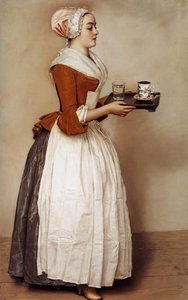
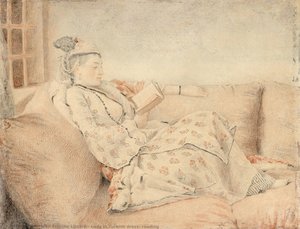
- La Liseuse, The Chocolate Girl und La Belle Lyonnaise in der Dresdner Galerie, die seine zarten Pastellzeichnungen beispielhaft darstellen.
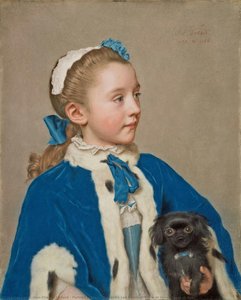
- Maria Frederike van Reede-Athlone at Seven (J. Paul Getty Museum), ein Zeugnis seiner naturalistischen Porträtkunst.
Vermächtnis und spätes Leben
Liotards spätere Jahre waren geprägt von der Veröffentlichung seiner Abhandlung, dem Traité des principes et des règles de la peinture (1781). Er malte weiterhin Stillleben und Landschaften bis zu seinem Tod am 12. Juni 1789 in Genf. Wichtige Links:- Jean-Étienne Liotard | ArtsDot.com (Künstlerseite)
- Jean-Étienne Liotard | Wikipedia
- A Woman in Turkish Dress | ArtsDot.com (Gemälde)
Museen und Sammlungen:
- The Museum Private Collection (Genf, Schweiz), die eine beeindruckende Auswahl an Liotards Werken umfasst.
- Musée d'Art et d'Histoire (Genf, Schweiz), das eine bedeutende Sammlung von Liotards Pastellen und Zeichnungen beherbergt.
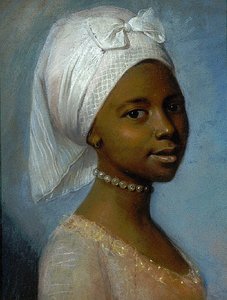
Jean-Étienne Liotard
1702 - 1789 , Schweiz
Kurzinfos
- Artistic Movement Or Style: Pastoralismus
- Artists Or Movements Influenced By This Artist:
- Jean Baptiste Massé
- François Lemoyne
- Artists Who Influenced This Artist:
- Daniel Gardelle
- Petitot
- Date Of Birth: December 22, 1702
- Date Of Death: June 12, 1789
- Full Name: Jean-Étienne Liotard
- Nationality: Schweizerisch
- Notable Artworks:
- Dutch Girl at Breakfast
- La Liseuse, Das Schokoladenmädchen
- Maria Frederike van Reede-Athlone at Seven
- Place Of Birth: Geneva, Switzerland
Ähnliche Artikel

Crimson Threads of Narrative: Exploring Symbolism & Representation in Artworks Featuring the Red Dress
Explore the rich symbolism of the red dress in art history! From ancient power displays to iconic portraits like Cézanne’s 'Madame Cezanne', discover the cultural and artistic significance behind this captivating color. Expert analysis & insights.
Die 10 Meisterwerke des Neoklassizismus: Kunst für Ihr Zuhause |
Entdecken Sie die 10 Meisterwerke des Neoklassizismus! Von David bis Canova – erleben Sie Kunstgeschichte, elegante Ästhetik & zeitlose Schönheit. Hochwertige Reproduktionen auf .

The Enduring Legacy of Oil on Canvas: Technique, History & Aesthetic Impact
Explore the rich history & techniques of oil painting – from Renaissance masters to Impressionism. Discover pigments, layering methods, and why this timeless medium endures. Expert insights for artists & art enthusiasts.
Timeless Elegance: The Ultimate Buyer's Guide to Choosing Classical Portraits for Sophisticated Interiors
Discover how to select the perfect classical portrait for your home. Our expert guide explores matching art styles to interiors, choosing between hand-painted oils and Giclée prints, and transforming personal photos into timeless masterpieces with professional artistry.

Öl auf Leinwand: Eine historische und technische Erkundung eines zeitlosen künstlerischen Mediums
Entdecken Sie die faszinierende Welt der Ölmalerei! Von historischen Techniken bis zur modernen Anwendung – wir bieten Expertenwissen, Restaurierungstipps und hochwertige Reproduktionen. Jetzt informieren!