 Vorschau anzeigen
 Versenden
 Teilen
 Details anzeigen

 Herunterladen
 Ähnliche Objekte
 Röntgenaufnahme
 Diashow
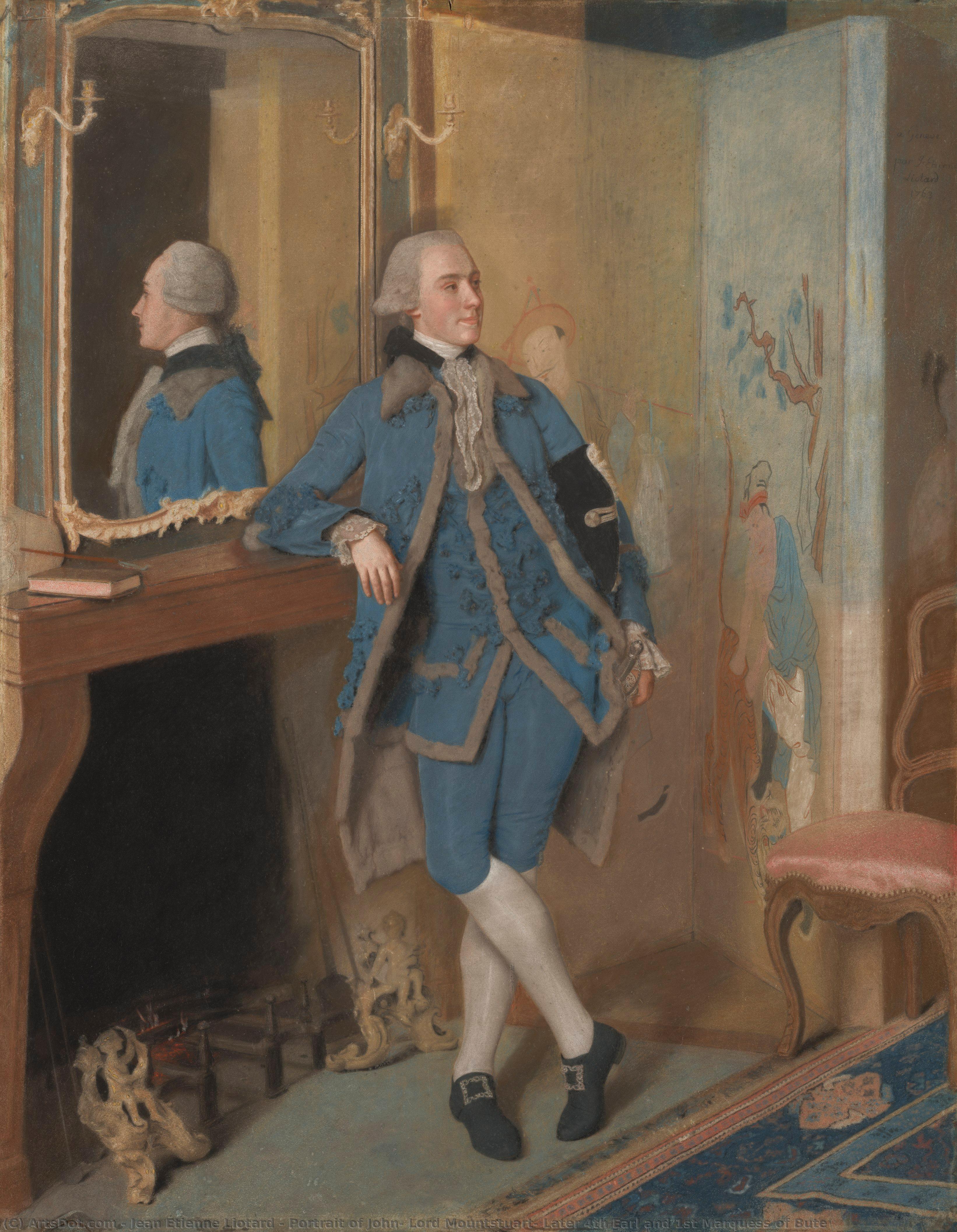
Portrait of John, Lord Mountstuart, Later 4th Earl and 1st Marquess of Bute


 Weiterlesen
Giclée / Kunstdruck
Giclée- oder Leinwanddruck in Museumsqualität mit schneller Produktion und flexiblen Veredelungsoptionen. ( Handgemalte Reproduktion bestellen Bild kaufen)




P118B $10

P118H $10

P118W $10

P438Z $10

P508JH $12

P508YH $12

P805H $10

P805Z $10

P919BZ $10

P919G $10

P919XJ $10

P959ZH $10

P968JZ $12

W106C $8

W218G $10

W218JH $8

W218Y $10

W307PJ $10

W316G $10

W316PJ $8

W316Y $10

W398PJ $8

W4111J $10

W500HY $15

W500JH $15

W692G $12

W849H $8

W940BG $15

W953PJ $8




Wählen Sie aus unseren vordefinierten Formaten, die den ursprünglichen Proportionen des Kunstwerks entsprechen.

Sie können Ihre eigenen Maße eingeben, um ein bestimmtes Format oder einen speziellen Platz einzupassen. Wenn das von Ihnen gewählte Format nicht den Proportionen des Originalbildes entspricht, werden wir das Kunstwerk entweder beschneiden oder das Bild mit einem gespiegelten oder einfarbigen Rand erweitern. Ein digitaler Entwurf wird Ihnen zur Genehmigung zugesandt, bevor die Produktion beginnt.
Bitte beachten Sie, dass die Vorschau auf dem Bildschirm nicht den tatsächlichen Zuschnitt oder die Erweiterung widerspiegelt. Nur der Entwurf zeigt die endgültige Komposition präzise an.
Obwohl Sondermaße verfügbar sind, empfehlen wir die Auswahl eines Maßes aus der vordefinierten Liste, um die ursprünglichen Proportionen zu bewahren.
Weltweiter Versand () innerhalb von 2 Wochen statt der üblichen 4/5 Wochen. (26 August)

Kostenloser weltweiter Expressversand

Hochwertige Leinenleinwand

Umfassender Versicherungsschutz beim Versand

Zollgebühren-Rückerstattungsgarantie

Garantie für exakte Farbtreue

60 Tage Rückgaberecht (nur bei Mängeln)

100% Geld-zurück-Garantie

Mengenrabatt verfügbar
 Die Glasoption ist nur für Größen unter 110 cm verfügbar.

Portrait of John, Lord Mountstuart, Later 4th Earl and 1st Marquess of Bute
Giclée / Kunstdruck
Format der Reproduktion
-


Gesamtpreis
$ 62
Sammlerstück-Beschreibung
Portrait of John, Lord Mountstuart, Later 4th Earl and 1st Marquess of Bute – A Pastel Masterpiece Reflecting Enlightenment Dignity
Jean-Étienne Liotard’s “Portrait of John, Lord Mountstuart, Later 4th Earl and 1st Marquess of Bute” stands as a testament to the elegance and intellectual fervor of the Rococo period. Executed in 1763, this pastel on parchment exemplifies Liotard's unparalleled mastery of delicate color and nuanced detail—a skill honed through meticulous observation and unwavering dedication to capturing the essence of his subject. The painting’s provenance traces back to John Mountstuart, a prominent Scottish statesman and diplomat who commissioned the portrait as a cherished memento of his son’s ambitious Grand Tour across Europe.- Subject Matter: The portrait depicts John Mountstuart in a formal pose, seated against a richly textured background that subtly hints at the grandeur of Bute House, Mount Stuart’s ancestral estate. His gaze is direct and contemplative, conveying an air of quiet confidence and intellectual seriousness – qualities highly valued during the Enlightenment era.
- Style & Technique: Liotard's distinctive pastel technique—characterized by layering thin washes of pigment onto prepared parchment—allowed him to achieve astonishing luminosity and tonal subtlety. Unlike oil painting, which relies on blending colors extensively, pastel employs dry pigments that adhere loosely to the surface, resulting in a luminous quality unmatched by other mediums. The artist skillfully utilizes hatching and cross-hatching to sculpt form and create depth, capturing the contours of Mount Stuart’s face with remarkable precision.
- Historical Context: Created during the reign of George III, “Portrait of John, Lord Mountstuart” reflects the prevailing artistic sensibilities of its time—a fascination with idealized beauty and a preoccupation with portraying individuals as embodiments of virtue and intellect. The pastel medium itself was favored by artists seeking to capture fleeting moments of emotion and atmosphere, aligning perfectly with the Rococo’s emphasis on sensual pleasure and refined taste.
- Symbolism & Composition: Beyond its realistic depiction of Mount Stuart, the portrait incorporates symbolic elements that underscore his status as a respected nobleman and statesman. The mirror positioned behind Mount Stuart's reflection serves not merely as an optical device but also as a visual metaphor for self-awareness and contemplation—a central theme in Enlightenment philosophy.
- Emotional Impact: Liotard’s masterful rendering of Mount Stuart’s expression evokes a sense of dignified composure mingled with intellectual curiosity. The pastel hues – predominantly muted blues and creams – contribute to the painting's serene atmosphere, conveying an impression of inner peace and contemplative reflection. It is a portrait that transcends mere likeness, capturing something deeper: the spirit of a man engaged in the pursuit of knowledge and virtue.
Ähnliche Kunstwerke
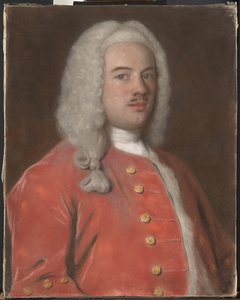
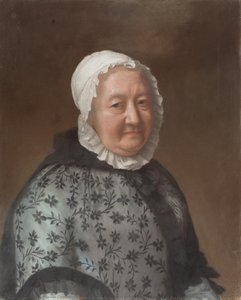
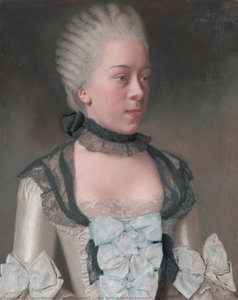
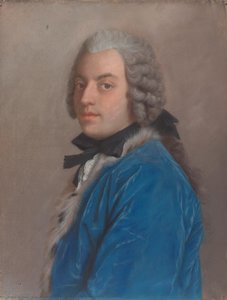
Über den Künstler
Frühes Leben und Ausbildung
Jean-Étienne Liotard, ein renommierter Genfer Maler, Kunstkenner und Händler, wurde am 22. Dezember 1702 in Genf, Schweiz, geboren. Seine Eltern, französische Protestanten, waren nach 1685 nach Genf geflohen. Liotards künstlerische Reise begann unter der Anleitung der Professoren Daniel Gardelle und Petitot, deren Emailarbeiten und Miniaturen er mit meisterhafter Geschicklichkeit nachahmte.Künstlerische Karriere
Liotards Reisen führten ihn in verschiedene europäische Hauptstädte, darunter Paris, Rom, Istanbul und Wien, wo seine Porträts äußerst begehrt waren. Im Jahr 1725 studierte er in Paris bei Jean-Baptiste Massé und François Lemoyne. Seine Zeit in Konstantinopel (1738–1742) beeinflusste sein Werk maßgeblich, was in seinen zahlreichen Pasteldarstellungen türkischer häuslicher Szenen deutlich wird.Bemerkenswerte Werke und Stil
Liotards Meisterschaft des Pastells zeigt sich in Werken wie:- Dutch Girl at Breakfast (ca. 1756, Öl auf Leinwand, Rijksmuseum), das seine Vielseitigkeit demonstriert.
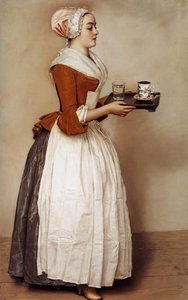
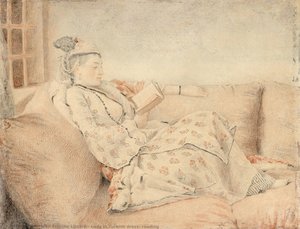
- La Liseuse, The Chocolate Girl und La Belle Lyonnaise in der Dresdner Galerie, die seine zarten Pastellzeichnungen beispielhaft darstellen.
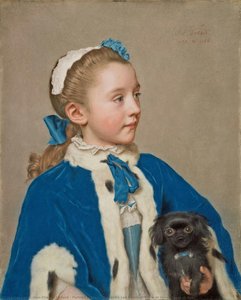
- Maria Frederike van Reede-Athlone at Seven (J. Paul Getty Museum), ein Zeugnis seiner naturalistischen Porträtkunst.
Vermächtnis und spätes Leben
Liotards spätere Jahre waren geprägt von der Veröffentlichung seiner Abhandlung, dem Traité des principes et des règles de la peinture (1781). Er malte weiterhin Stillleben und Landschaften bis zu seinem Tod am 12. Juni 1789 in Genf. Wichtige Links:- Jean-Étienne Liotard | ArtsDot.com (Künstlerseite)
- Jean-Étienne Liotard | Wikipedia
- A Woman in Turkish Dress | ArtsDot.com (Gemälde)
Museen und Sammlungen:
- The Museum Private Collection (Genf, Schweiz), die eine beeindruckende Auswahl an Liotards Werken umfasst.
- Musée d'Art et d'Histoire (Genf, Schweiz), das eine bedeutende Sammlung von Liotards Pastellen und Zeichnungen beherbergt.
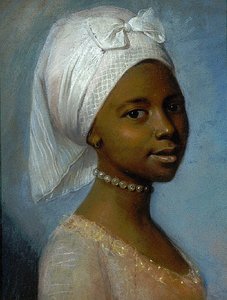
Jean-Étienne Liotard
1702 - 1789 , Schweiz
Kurzinfos
- Artistic Movement Or Style: Pastoralismus
- Artists Or Movements Influenced By This Artist:
- Jean Baptiste Massé
- François Lemoyne
- Artists Who Influenced This Artist:
- Daniel Gardelle
- Petitot
- Date Of Birth: December 22, 1702
- Date Of Death: June 12, 1789
- Full Name: Jean-Étienne Liotard
- Nationality: Schweizerisch
- Notable Artworks:
- Dutch Girl at Breakfast
- La Liseuse, Das Schokoladenmädchen
- Maria Frederike van Reede-Athlone at Seven
- Place Of Birth: Geneva, Switzerland
Ähnliche Artikel
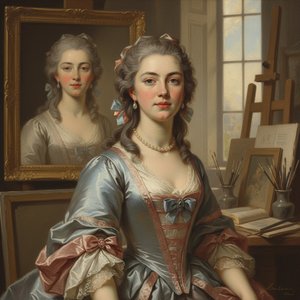
Jean-Étienne Liotard: Rococo Portraiture & the Pursuit of Naturalism
Explore the exquisite Rococo portraits of Jean-Étienne Liotard, a master of pastel and enamel. Discover his innovative techniques, captivating Turkish scenes, and lasting influence on art history. Learn more at ArtsDot.

John Singer Sargent: Die 25 Meisterwerke des Porträts – Kunst für Ihr Zuhause | ArtsDot
Entdecken Sie die 25 Meisterwerke von John Singer Sargent! Tauchen Sie ein in die Welt der Porträtmalerei, des Impressionismus & der Belle Époque. Hochwertige Kunstdrucke & Reproduktionen für Ihr Zuhause – jetzt auf ArtsDot.com!

John Constable: Die 25 Meisterwerke des englischen Landschaftsgenies – ArtsDot
Entdecken Sie die 25 Meisterwerke von John Constable! Erleben Sie englische Landschaftsmalerei vom Hay Wain bis zur Stour Valley. Hochwertige Reproduktionen & Kunst für Ihr Zuhause auf ArtsDot.com.

Rococo Meisterwerke: Die Top 10, die eine Epoche prägten |
Entdecken Sie die Top 10 Rokoko Meisterwerke von Watteau, Boucher & Fragonard! Erfahren Sie die Geschichten hinter diesen ikonischen Gemälden und lassen Sie sich für Ihre Inneneinrichtung inspirieren. Hochwertige Kunstdrucke auf .

The Rococo Aesthetic: Opulence, Rebellion & the Pursuit of Pleasure in 18th-Century Art
Explore the opulent world of Rococo art! Discover its origins, key artists like Watteau & Boucher, and lasting influence on design. Expert insights for collectors & enthusiasts.