

 Vorschau anzeigen
 Versenden
 Teilen
 Details anzeigen

 Herunterladen
 Ähnliche Objekte
 Röntgenaufnahme
 Diashow
 Statistiken
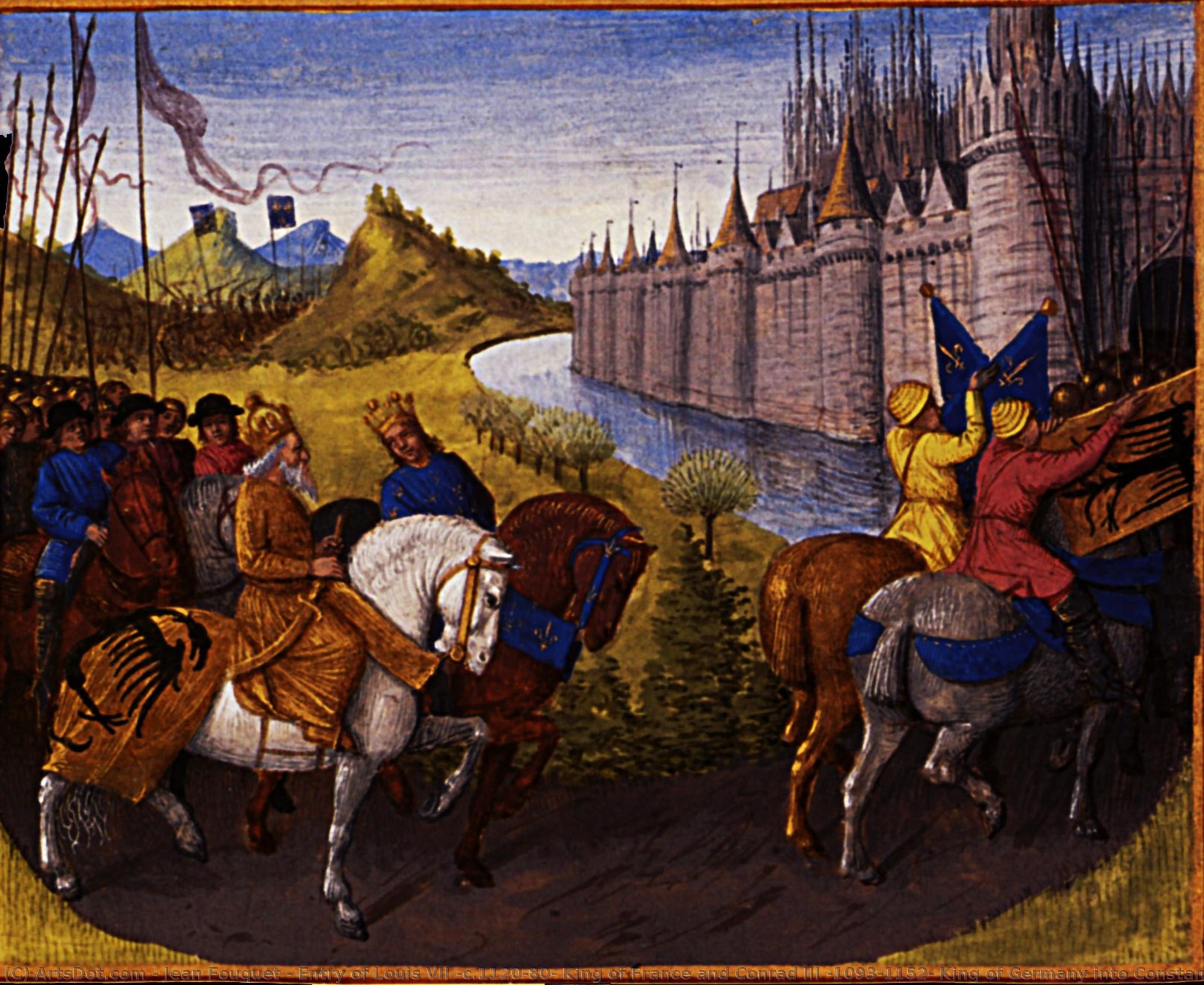
Entry of Louis VII (c.1120-80) King of France and Conrad III (1093-1152) King of Germany into Constantinople during the Crusades, 1147-49


 Weiterlesen
Handgefertigte Ölreproduktion
Handgemaltes Ölgemälde auf Leinwand in Ihrer Wunschgröße und mit Rahmen, auf Bestellung von unseren Künstlern angefertigt. ( Zu Druck wechseln Zum digitalen Bild wechseln)




P118B $10

P118H $10

P118W $10

P438Z $10

P508JH $12

P508YH $12

P805H $10

P805Z $10

P919BZ $10

P919G $10

P919XJ $10

P959ZH $10

P968JZ $12

W106C $8

W218G $10

W218JH $8

W218Y $10

W307PJ $10

W316G $10

W316PJ $8

W316Y $10

W398PJ $8

W4111J $10

W500HY $15

W500JH $15

W692G $12

W849H $8

W940BG $15

W953PJ $8




Wählen Sie aus unseren vordefinierten Formaten, die den ursprünglichen Proportionen des Kunstwerks entsprechen.

Sie können Ihre eigenen Maße eingeben, um einen bestimmten Rahmen oder Platz auszufüllen. Wenn die gewählte Größe nicht den Proportionen des Originalbildes entspricht, werden wir das Kunstwerk entweder beschneiden oder das Gemälde durch zusätzliche, handgemalte Elemente erweitern. Ein digitales Mockup wird Ihnen zur Genehmigung zugesandt, bevor die Produktion beginnt.
Bitte beachten Sie, dass die Bildschirmvorschau nicht die tatsächliche Beschneidung oder Erweiterung widerspiegelt. Nur das Mockup zeigt die endgültige Komposition exakt an.
Obwohl Sondermaße verfügbar sind, empfehlen wir, eine Größe aus der vordefinierten Liste zu wählen, um die ursprünglichen Proportionen beizubehalten.
Nach der Bestellung wird das ArtsDot.com-Team dem Kunden Anweisungen per E-Mail zusenden und eine Mockup-Vorschau bereitstellen.
Weltweiter Versand () in nur 3 bis 4 Wochen statt der üblichen 5 Wochen. (9 September). Keine Kompromisse bei der Qualität.

Kostenloser weltweiter Expressversand

Hochwertige Leinenleinwand

Umfassender Versicherungsschutz beim Versand

Zollgebühren-Rückerstattungsgarantie

Garantie für exakte Farbtreue

100-Tage-Rückgaberecht (nur bei Mängeln)

100% Geld-zurück-Garantie

Mengenrabatt verfügbar
 Die Glasoption ist nur für Größen unter 110 cm verfügbar.

Entry of Louis VII (c.1120-80) King of France and Conrad III (1093-1152) King of Germany into Constantinople during the Crusades, 1147-49
Art der Reproduktion
Format der Reproduktion
-


Gesamtpreis
$ 338
A Chronicle in Color: Jean Fouquet’s Depiction of a Royal Pilgrimage
Jean Fouquet's “Entry of Louis VII (c.1120-80) King of France and Conrad III (1093-1152) King of Germany into Constantinople during the Crusades, 1147-49” is not merely a historical illustration; it’s a vibrant snapshot of ambition, power, and the fraught realities of medieval diplomacy. Painted around 1447-1448, this remarkable work transcends its subject matter to become a testament to Fouquet's unique artistic vision – a synthesis of burgeoning Italian Renaissance ideals with the enduring traditions of French manuscript illumination.
The scene unfolds within a meticulously rendered landscape, dominated by rolling hills and a winding river that guides the procession towards Constantinople. The city itself, a formidable fortress shimmering in the distance, embodies both promise and peril. At the heart of the composition stand King Louis VII and King Conrad III, figures of imposing stature and regal bearing, mounted on magnificent steeds. Their attire – rich fabrics, elaborate headdresses, and gleaming armor – speaks volumes about their status and the immense resources invested in this diplomatic mission. The surrounding entourage—soldiers, attendants, and heralds—further emphasizes the gravity of the occasion, a carefully orchestrated display of royal authority.
The Language of Detail: Fouquet’s Innovative Technique
Fouquet's mastery lies not just in his ability to capture grand historical events but also in his innovative approach to technique. Executed on vellum – a high-quality animal skin favored for illuminated manuscripts – the painting showcases a remarkable level of detail, characteristic of the artist’s distinctive style. Notice the subtle gradations of color achieved through layering thin washes of tempera paint, creating a luminous and almost tactile quality. The flattened perspective, a hallmark of medieval manuscript art, is skillfully employed to prioritize clarity and narrative flow, guiding the viewer's eye along the procession.
Furthermore, Fouquet’s use of line is particularly noteworthy. Angular lines define the sharp edges of castle walls, shields, and banners, contrasting with the more rounded forms of horses and human figures. This deliberate juxtaposition creates a dynamic tension within the composition, emphasizing both the strength of military power and the inherent humanity of the participants. The artist's meticulous attention to detail extends to the rendering of textures – from the rough surfaces of armor to the flowing drapery of the royal garments – adding layers of visual richness.
A Window into a Turbulent Era: Historical Context
The “Entry of Louis VII and Conrad III” is deeply rooted in the political landscape of 15th-century Europe. The Second Crusade, which culminated in the siege of Constantinople, was a period marked by shifting alliances, religious fervor, and profound geopolitical instability. This particular journey represented an attempt to secure a fragile peace between France and Germany – a precarious balance threatened by territorial disputes and dynastic rivalries. The painting therefore serves as a visual record of this complex diplomatic endeavor, capturing the atmosphere of both anticipation and uncertainty.
Fouquet’s work also reflects the broader cultural currents shaping European art at the time. The artist's exposure to Italian Renaissance influences – particularly the works of Fra Angelico and Filarete – is evident in his use of color, perspective, and portraiture. Yet, he skillfully integrates these new elements with established French traditions, forging a uniquely personal style that would profoundly influence subsequent generations of artists.
Symbolism and Emotional Resonance
Beyond its historical significance, the painting resonates with powerful symbolic meaning. The journey itself represents a quest for glory, power, and ultimately, peace. The imposing fortress of Constantinople symbolizes both opportunity and danger – a gateway to new territories and a potential source of conflict. The figures of Louis VII and Conrad III embody the weight of responsibility they bear as rulers, tasked with safeguarding their kingdoms and navigating the treacherous currents of international politics.
Ultimately, “Entry of Louis VII” is a captivating work that invites viewers to contemplate not only the events depicted but also the broader themes of power, diplomacy, and the enduring human desire for stability in a world often defined by conflict.
Ähnliche Kunstwerke

Über den Künstler
Jean Fouquet: Ein Pionier der französischen Renaissancekunst
- Geboren: Tours, Frankreich (ca. 1420)
- Gestorben: 1481
Frühes Leben und italienische Einflüsse
Über Jean Fouquets frühes Leben ist wenig gesichert bekannt. Lange Zeit ging man davon aus, dass er ein Schüler des Bedford Masters in Paris war, doch die aktuelle Forschung deutet darauf hin, dass er möglicherweise unter dem Jouvenal Master in Nantes lernte. Ein entscheidender Moment in seiner künstlerischen Entwicklung war eine Reise nach Italien zwischen 1445 und 1447. Diese Begegnung mit der aufblühenden italienischen Renaissance hatte einen bedeutenden Einfluss auf seinen Stil. Er traf Künstler wie Fra Angelico und Filarete, von denen er Elemente ihrer Arbeit aufnahm – insbesondere die Klarheit und Perspektive, die für die Quattrocento-Kunst charakteristisch sind – die er später in seinen eigenen Ansatz integrierte.
Künstlerischer Stil und Innovationen
Fouquets künstlerischer Stil stellt eine faszinierende Brücke zwischen den späten gotischen Traditionen und der aufkommenden Renaissanceästhetik dar. Er vereinte meisterhaft die detailreiche Ausarbeitung und die reichen Farben, die für die gotische Malerei typisch sind, mit der natürlicheren Darstellung und der linearen Perspektive, die er in Italien beobachtete. Eine wichtige Innovation, die Fouquet zugeschrieben wird, ist die Entwicklung des Porträtminiatur – eines bemerkenswert detaillierten Portraits, das auf kleinen Tafeln gemalt wurde, einem Format, das eine größere Tragbarkeit und persönliche Verbundenheit ermöglichte. Seine Tafelbilder zeichnen sich durch seine sorgfältige Detailgenauigkeit, elegante Kompositionen und subtile psychologische Einblicke in seine Modelle aus.
Hauptwerke und Auftraggeber
- Melun-Diptychon (ca. 1450): Dieses Diptychon, das ursprünglich in der Kathedrale von Melun aufbewahrt wurde, gilt als eines von Fouquets Meisterwerken. Die linke Tafel zeigt Étienne Chevalier mit seinem Schutzpatron St. Stephan, während die rechte Tafel eine blasse Jungfrau und ein Kind inmitten von Engeln darstellt, vermutlich ein Porträt von Agnès Sorel.
- Karl VII. als einer der drei Weisen: Dieses ikonische Gemälde bietet eines der wenigen erhaltenen Porträts von König Karl VII. und demonstriert Fouquets Fähigkeit, königliche Darstellung mit symbolischer Erzählung zu verbinden.
- Illustrationen für die Grandes Chroniques de France (1455-1460): Fouquets Illustrationen für diese Chronik geben wertvolle Einblicke in das französische Hofleben und militärische Ereignisse des 15. Jahrhunderts und zeigen seine Fähigkeit, Szenen von Pracht und Aktion darzustellen.
- Gebetbuch von Étienne Chevalier: Dieses illuminierten Manuskript enthält vierzig Miniaturen, die 1461 für Chevalier gemalt wurden, und demonstriert Fouquets Expertise in der Miniaturmalerei und detailreichen Ausarbeitung.
Fouquets Karriere blühte unter der Schirmherrschaft des französischen Hofes auf, wo er Karl VII., Étienne Chevalier, Guillaume Jouvenel des Ursins und später Ludwig XI. diente. Sein künstlerisches Schaffen war eng mit den politischen Ambitionen dieser Auftraggeber verbunden und spiegelte ihren Wunsch wider, ein Bild von Macht und nationaler Identität zu projizieren.
Historische Bedeutung und Vermächtnis
Jean Fouquet nimmt einen bedeutenden Platz in der Kunstgeschichte als eine entscheidende Figur im Übergang von der Gotik zur Renaissancemalerei in Frankreich ein. Er trug maßgeblich dazu bei, italienische künstlerische Einflüsse in die französische Kunst einzuführen und legte damit den Grundstein für nachfolgende Generationen von Künstlern. Seine Pionierarbeit in der Porträtminiatur etablierte ein neues Genre, das äußerst beliebt wurde. Fouquets Fähigkeit, sorgfältige Detailgenauigkeit mit innovativer Komposition und psychologischem Einblick zu verbinden, festigte seinen Ruf als einer der wichtigsten Maler des 15. Jahrhunderts und hinterließ ein Vermächtnis künstlerischer Innovation und verfeinerter Eleganz.
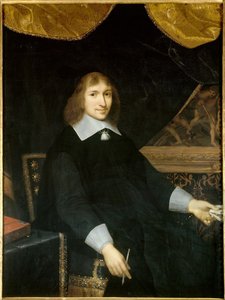
Jean Fouquet
1420 - 1481 , Frankreich
Kurzinfos
- Beeinflusste Künstler:
- Fra Angelico
- Filarete
- Bemerkenswerte Werke:
- Melun Diptychon
- Karl VII. als Magi
- Stunden des Étienne Chevalier
- Geburtsdatum: ca. 1420
- Geburtsort: Tours, Frankreich
- Künstlerische Richtung: Frührenaissance, Gotik
- Nationalität: Französisch
- Sterbedatum: 1481
- Vollständiger Name: Jean Fouquet
- Von Künstlern Beeinflusst: ['Van Eycks']
Ähnliche Artikel
Meisterwerke des Hochmittelalters: 10 Kunstwerke für Ihr Zuhause | ArtsDot
Entdecken Sie die 10 bedeutendsten Meisterwerke des Hochmittelalters! Erfahren Sie Geschichten von Romanik, Gotik & berühmten Künstlern. Finden Sie hochwertige Reproduktionen für Ihr Zuhause auf ArtsDot.com.
Edmund Dulac: Mythos, Symbolik und das Erbe der Art Nouveau – Eine Erkundung des Goldenen Zeitalters der Illustration
Entdecken Sie das faszinierende Werk von Edmund Dulac! Wir analysieren seine Art Nouveau-Einflüsse, mythologischen Illustrationen und die kritische Auseinandersetzung mit dem Orientalismus. Ein tiefer Einblick in ein goldenes Zeitalter der Kunst.
The Refined Aesthetic of Victorian Illustration: A Study in Narrative & Technique
Explore the captivating world of Victorian illustration! Discover Pre-Raphaelite influences, key artists like Rossetti & Stephens, and the era's rich narrative detail. A deep dive for art enthusiasts.

Angelo Chiacchio: A Mid-Century American Illustration Master & the Rise of Commercial Art
Explore the captivating world of Angelo Chiacchio, a master of mid-century American illustration. Discover his evolution, signature style, and lasting impact on commercial art & design. Learn about his legacy at the Museum of American Illustration.
Kay Rasmus Nielsen: A Golden Age Illustrator's Enchanting Legacy of Symbolism & Narrative
Explore the captivating world of Kay Rasmus Nielsen, a celebrated Golden Age illustrator renowned for his Art Nouveau fairy tale art & Disney contributions. Discover his unique style, enduring legacy, and how to collect his enchanting works.