 Vorschau anzeigen
 Versenden
 Teilen
 Details anzeigen

 Herunterladen
 Ähnliche Objekte
 Röntgenaufnahme
 Diashow
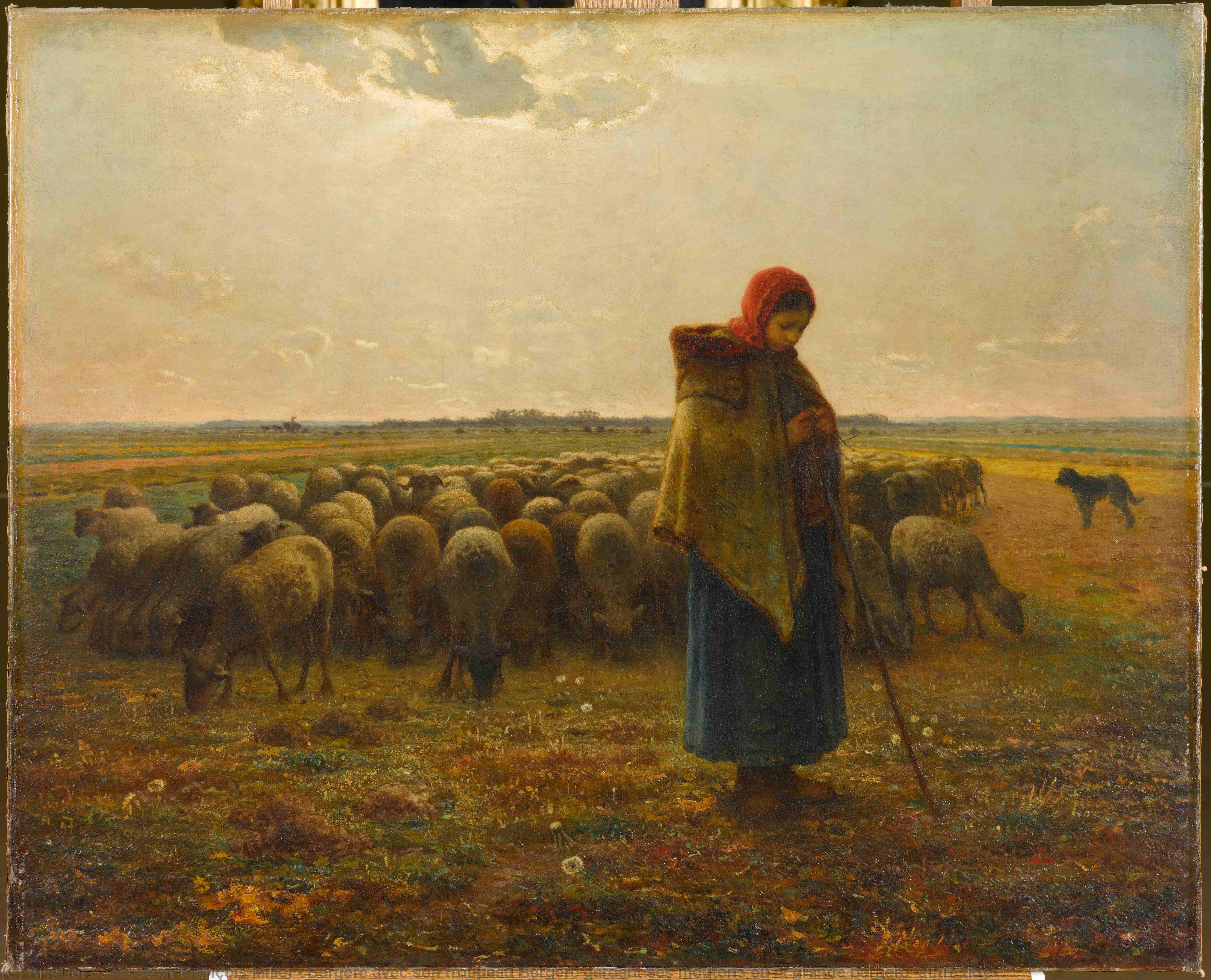
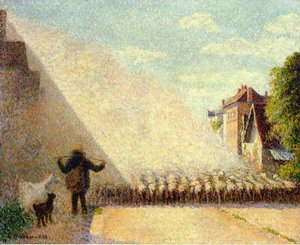
Bergère avec son troupeau Bergère gardant ses moutons ou la grande bergère (autre titre)

 Weiterlesen
Giclée / Kunstdruck
Giclée- oder Leinwanddruck in Museumsqualität mit schneller Produktion und flexiblen Veredelungsoptionen. ( Handgemalte Reproduktion bestellen Bild kaufen)




P118B $10

P118H $10

P118W $10

P438Z $10

P508JH $12

P508YH $12

P805H $10

P805Z $10

P919BZ $10

P919G $10

P919XJ $10

P959ZH $10

P968JZ $12

W106C $8

W218G $10

W218JH $8

W218Y $10

W307PJ $10

W316G $10

W316PJ $8

W316Y $10

W398PJ $8

W4111J $10

W500HY $15

W500JH $15

W692G $12

W849H $8

W940BG $15

W953PJ $8




Wählen Sie aus unseren vordefinierten Formaten, die den ursprünglichen Proportionen des Kunstwerks entsprechen.

Sie können Ihre eigenen Maße eingeben, um ein bestimmtes Format oder einen speziellen Platz einzupassen. Wenn das von Ihnen gewählte Format nicht den Proportionen des Originalbildes entspricht, werden wir das Kunstwerk entweder beschneiden oder das Bild mit einem gespiegelten oder einfarbigen Rand erweitern. Ein digitaler Entwurf wird Ihnen zur Genehmigung zugesandt, bevor die Produktion beginnt.
Bitte beachten Sie, dass die Vorschau auf dem Bildschirm nicht den tatsächlichen Zuschnitt oder die Erweiterung widerspiegelt. Nur der Entwurf zeigt die endgültige Komposition präzise an.
Obwohl Sondermaße verfügbar sind, empfehlen wir die Auswahl eines Maßes aus der vordefinierten Liste, um die ursprünglichen Proportionen zu bewahren.
Weltweiter Versand () innerhalb von 2 Wochen statt der üblichen 4/5 Wochen. (4 September)

Kostenloser weltweiter Expressversand

Hochwertige Leinenleinwand

Umfassender Versicherungsschutz beim Versand

Zollgebühren-Rückerstattungsgarantie

Garantie für exakte Farbtreue

60 Tage Rückgaberecht (nur bei Mängeln)

100% Geld-zurück-Garantie

Mengenrabatt verfügbar
 Die Glasoption ist nur für Größen unter 110 cm verfügbar.

Bergère avec son troupeau Bergère gardant ses moutons ou la grande bergère (autre titre)
Giclée / Kunstdruck
Format der Reproduktion
-


Gesamtpreis
$ 62
A Portrait of Rural Dignity: Exploring Millet’s “Bergère avec son troupeau”
Jean-François Millet's "Bergère avec son troupeau" – translated as “Shepherdess with Her Flock” – transcends mere depiction; it embodies the spirit of Realism and offers a poignant glimpse into the lives of ordinary people during the mid-19th century. Painted around 1857-1858, this iconic artwork captures a scene from rural France, specifically Normandy, where Millet meticulously observed the daily routines of shepherds tending their sheep – an activity that was becoming increasingly marginalized as industrialization spread across Europe. The painting isn’t simply about livestock; it's a profound meditation on labor, faith, and the enduring connection between humanity and nature.- Subject Matter: At its core lies a simple yet powerful tableau – a woman shepherdess standing amidst a field populated by sheep. Millet deliberately eschewed grand narratives or mythological references, opting instead for an unflinching portrayal of rural existence.
- Style & Technique: Millet’s approach aligns perfectly with the tenets of Realism, rejecting Romantic idealism in favor of objective observation and accurate representation. He employed a muted palette dominated by earthy tones – browns, ochres, greens – mirroring the colors of the landscape itself. The brushstrokes are deliberately coarse and textured, conveying a palpable sense of physicality and grounding the image in tangible reality.
Historical Context: The Rise of Realism
The painting emerged during a period of significant social upheaval in France. Following the revolutions of 1830 and 1848, artists like Millet were grappling with questions about how to depict contemporary life authentically. They rejected academic conventions that prioritized idealized beauty over truthful representation, arguing for art’s role as a mirror reflecting society's complexities. The Realist movement sought to portray the lives of working-class individuals – farmers, laborers, artisans – without romantic embellishment or moral judgment. Millet’s work became emblematic of this movement, sparking debate and admiration alike.Symbolism Beyond the Surface
While seemingly straightforward, “Bergère avec son troupeau” is laden with symbolic significance. The shepherdess herself represents piety and humility – qualities considered essential to rural virtue. Her gaze directs upwards, suggesting contemplation of God’s presence in the natural world. The sheep symbolize innocence and pastoral tranquility, but also serve as a reminder of the burdens of agricultural labor. Millet's careful positioning of the figures within the landscape reinforces this connection between humanity and the earth, emphasizing the importance of rural traditions amidst encroaching industrialization.Emotional Impact & Legacy
The painting’s enduring appeal stems from its ability to evoke a deep sense of empathy for those who toil in obscurity. Millet's masterful technique captures not just what is seen but also what is felt – the quiet dignity of rural life, the steadfastness of faith, and the beauty inherent in simplicity. “Bergère avec son troupeau” continues to inspire artists and designers today, serving as a testament to Millet’s unwavering commitment to portraying reality with honesty and compassion. It remains a cornerstone of Impressionist heritage and an unforgettable image of the French countryside.Ähnliche Kunstwerke
Über den Künstler
frühes Leben und Ausbildung
Jean-François Millet, geboren am 4. Oktober 1814 in der Normandie, Frankreich, etablierte sich als eine Schlüsselgestalt der Barbizon-Schule und war ein Verfechter des Realismus. Er wuchs in einer Bauerngemeinschaft auf, und sein frühes Leben war von ländlichen Erfahrungen geprägt, die seine künstlerischen Themen maßgeblich beeinflussten.Künstlerische Reise
Millets formale Kunstausbildung begann 1833 unter der Anleitung des Porträtmalers Bon du Mouchel in Cherbourg. Später studierte er bei Théophile Langlois de Chèvreville, einem Schüler von Baron Gros. Mit einer Stipendiumunterstützung zog er 1837 nach Paris, um an der École des Beaux-Arts zu studieren und unter Paul Delaroche zu lernen. Seine Reise war jedoch nicht ohne Rückschläge; 1839 verlor er sein Stipendium und wurde von der Salon-Ausstellung abgelehnt.Bekannte Werke und Realismusbewegung
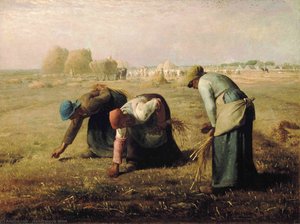
Millets künstlerische Reise spiegelt seine tiefe Verbindung zu seinen ländlichen Wurzeln und seine Hingabe wider, das Leben der Bauern mit Würde und Realismus darzustellen. Zu seinen bekanntesten Werken gehören:- Die Ernte (1855), eine eindringliche Darstellung von Bauernernnten, die Millets Meisterschaft des Realismus demonstriert.
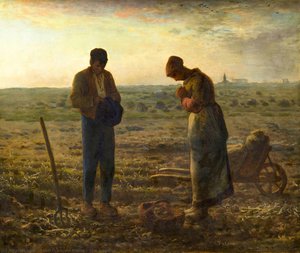
- Das Angelus (1850-1861), eine Reihe von Gemälden, die die täglichen Kämpfe des ländlichen Lebens hervorheben.
- Der Sämaschine (1850), eine ikonische Darstellung der Schwierigkeiten, mit denen Bauern konfrontiert sind, und die heute im Musée d'Orsay in Paris ausgestellt ist.
Vermächtnis und Einfluss
Millets Vermächtnis als Begründer der Barbizon-Schule macht ihn zu einer zentralen Figur bei der Übergangsbewegung zum Realismus in der Kunst. Sein Einfluss ist in den Werken nachfolgender Künstler wie Correa Benito Rebolledo erkennbar, die die Grenzen des Realismus weiter verschoben haben. Erfahren Sie mehr über Millets Werke und die Realismusbewegung auf ArtsDot: Jean François Millet der Ältere | ArtsDot Die Nouvelle Réalisme Kunstbewegung | ArtsDot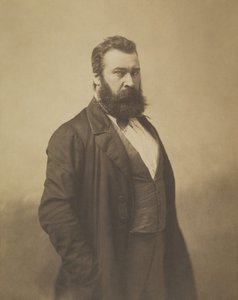
Jean-François Millet
1814 - 1875 , Frankreich
Kurzinfos
- Artistic Movement Or Style: Realismus, Barbizon-Schule
- Artists Or Movements Influenced By This Artist: ['Correa Benito Rebolledo']
- Artists Who Influenced This Artist:
- Bon du Mouchel
- Théophile Langlois
- Paul Delaroche
- Date Of Birth: 4. Oktober 1814
- Date Of Death: 1875
- Full Name: Jean-François Millet
- Nationality: Französisch
- Notable Artworks:
- Die Erntehelfer
- Das Angelus
- Der Sämann
- Place Of Birth (City And Country): Gruchy, Frankreich
Ähnliche Artikel

Romantic Realism's Finest: 10 Masterpieces for Your Home | ArtsDot
Explore 10 defining masterpieces of Romantic Realism! Discover Courbet, Millet & Daumier's powerful paintings—capturing emotion and social realities. Find museum-quality reproductions for your home at ArtsDot.com.
The Evocative Embrace of Reality: Exploring Romantic Realism in 19th-Century Painting
Explore the captivating world of Romantic Realism! Discover key artists like Courbet & Millet, masterpieces, and the social context behind this influential art movement. Expert insights for collectors at ArtsDot.
Idyllic Visions: Exploring the Pastoral Scene in Art History – From Arcadia to Modern Interpretations
Explore the captivating history of pastoral art from classical Arcadia to modern masterpieces. Discover key artists like Millet & Cole at ArtsDot. Find serene landscape paintings for your home.

The Enduring Legacy of Oil on Canvas: Technique, History & Aesthetic Impact
Explore the rich history & techniques of oil painting – from Renaissance masters to Impressionism. Discover pigments, layering methods, and why this timeless medium endures. Expert insights for artists & art enthusiasts.

Öl auf Leinwand: Eine historische und technische Erkundung eines zeitlosen künstlerischen Mediums
Entdecken Sie die faszinierende Welt der Ölmalerei! Von historischen Techniken bis zur modernen Anwendung – wir bieten Expertenwissen, Restaurierungstipps und hochwertige Reproduktionen. Jetzt informieren!