

 Vorschau anzeigen
 Versenden
 Teilen
 Details anzeigen

 Herunterladen
 Ähnliche Objekte
 Röntgenaufnahme
 Diashow
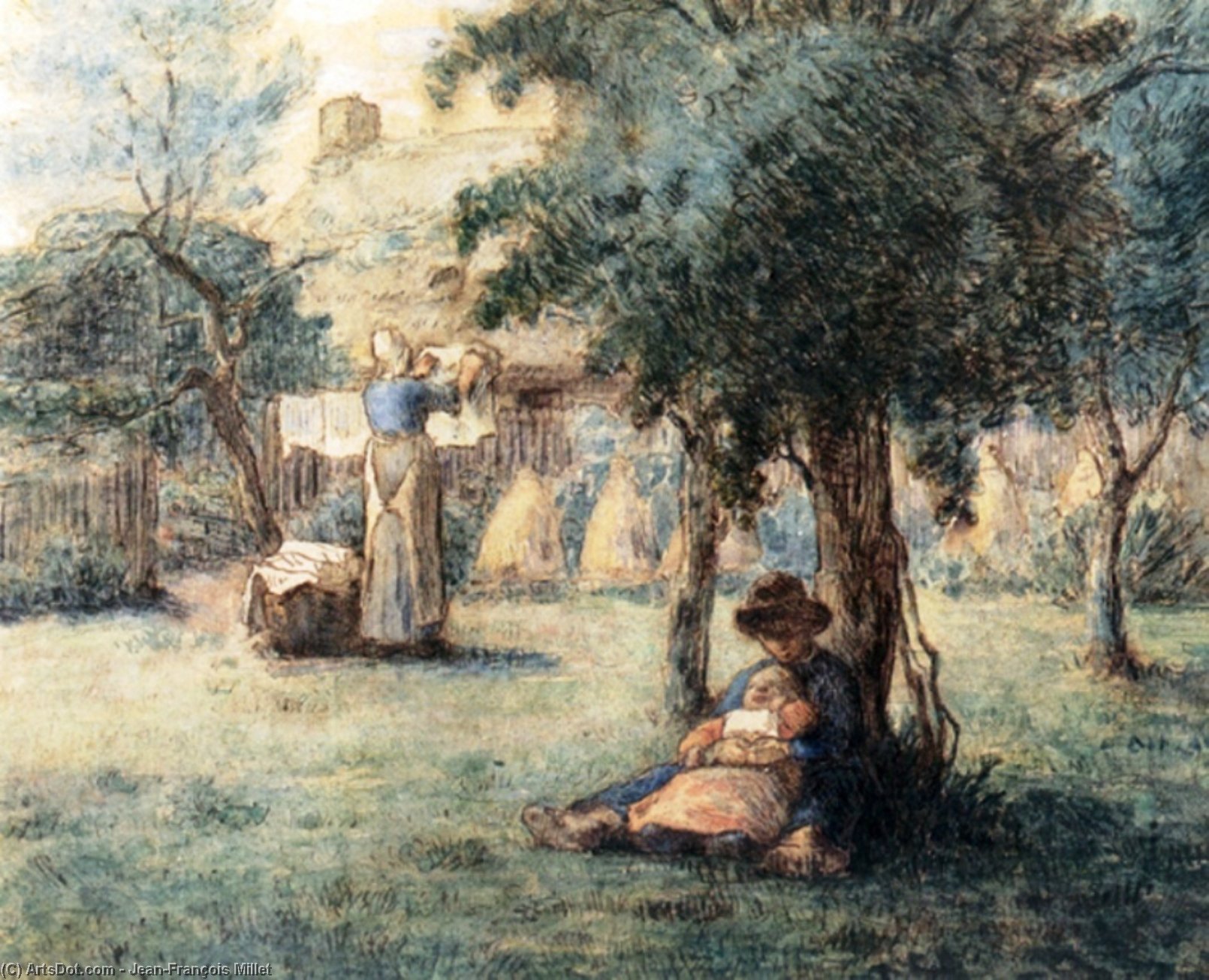
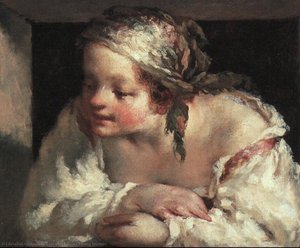
femme etandant sonlinge


 Weiterlesen
Erwerben Sie ein hochauflösendes, optimiertes digitales Bild, das der Online-Vorschau weit überlegen ist.
Jede Datei wird von unseren hauseigenen Spezialisten mit modernsten Werkzeugen und fachmännischer manueller Retusche sorgfältig vorbereitet. Wir stellen sicher, dass jedes Bild eine außergewöhnliche Klarheit, präzise Farbgenauigkeit und feinste Details aufweist.
Die endgültige Datei wird innerhalb von 72 Stunden per E-Mail zugestellt und ist für den sofortigen Einsatz in professionellen, redaktionellen und Druckumgebungen optimiert. Es handelt sich um dieselbe Qualität, der führende Designstudios, Verlage und Galerien vertrauen.
Digitales Bild
Laden Sie eine hochauflösende Datei für die persönliche Präsentation, den Druck und kreative Projekte herunter. ( Druck bestellen Handgemalte Reproduktion bestellen)
In jeder Bestellung digitaler Bilder enthalten
Professionelle digitale Bereitstellung, garantiert
Wenn Sie sich für ArtsDot.com entscheiden, erhalten Sie nicht nur ein Bild – Sie erhalten ein professionell aufbereitetes digitales Kunstwerk, das mit höchster Präzision erstellt und durch eine Zufriedenheitsgarantie abgesichert wird. Hier ist alles, was automatisch mit Ihrer Bestellung geliefert wird:

Schnelle E-Mail-Zustellung
Ihre hochauflösende digitale Bilddatei wird Ihnen innerhalb von 72 Stunden nach der Bestellung per E-Mail zugestellt – bereit zur sofortigen Verwendung.

KI-optimierte digitale Datei
Ihre Kunstwerke werden professionell mithilfe fortschrittlicher KI-Tools und manueller Bearbeitung optimiert, um maximale Detailtreue, Klarheit und Farbgenauigkeit zu gewährleisten.

Lebenslanger kostenloser Neudruckservice
Datei versehentlich gelöscht oder verloren? Keine Sorge – wir senden sie Ihnen jederzeit kostenlos erneut zu.

Keine Einfuhrgebühren – jemals
Genießen Sie Ihr Kunstwerk sofort ohne Zollgebühren, Einfuhrabgaben oder Versandkosten – digitale Downloads sind immer steuerfrei.

Garantierte Farbtreue
Wir garantieren, dass Ihr digitales Bild mithilfe professioneller Werkzeuge und Farbmanagement die Originalfarben so präzise wie möglich wiedergibt.

60-Tage-Zufriedenheitsgarantie
Sollten Sie mit Ihrem digitalen Bild nicht zufrieden sein, werden wir es überarbeiten oder Ihnen innerhalb von 60 Tagen 100% erstatten – ohne Wenn und Aber.

100% Geld-zurück-Garantie
Nicht zufrieden? Erhalten Sie innerhalb von 60 Tagen nach Erhalt Ihrer digitalen Datei eine vollständige Rückerstattung – ohne Angabe von Gründen.

Rabatte bei Großbestellungen
3 Bilder kaufen, 10% sparen – 5 Bilder kaufen, 15% sparen – Ab 10 Bildern 20% sparen. Ideal für kreative Projekte, Galerien und Agenturen.
Jean-François Millet’s ‘Femme etandant sonlinge’: A Portrait of Rural Harmony
Jean-François Millet's “Femme etandant sonlinge” (Woman Leaning on a Tree), painted circa 1860, offers a poignant glimpse into the heart of rural life during the mid-19th century. This evocative scene, depicting a woman and child beneath the shade of a tree, transcends mere representation; it’s a profound meditation on family, labor, and the enduring connection between humanity and the land – hallmarks of Millet's Realist approach. Born in Gruchy, Normandy, in 1814, Millet’s artistic journey was inextricably linked to his upbringing amidst the agricultural rhythms of Norman farming. His early life, spent observing and documenting the lives of peasants, instilled a deep respect for their dignity and a commitment to portraying them with unflinching honesty.
- Subject Matter: The painting’s central focus is a woman seated beneath a tree, seemingly engaged in quiet contemplation – perhaps nursing her child or simply enjoying a moment of respite. The inclusion of the child adds an element of tenderness and innocence to the scene, highlighting the importance of familial bonds within this rural setting.
- Composition: Millet masterfully employs a simple yet effective composition, drawing the viewer’s eye directly to the woman at the heart of the image. The placement of the other figures – one standing on the left and another on the right – subtly reinforces the sense of domestic tranquility while simultaneously suggesting the broader context of rural life.
Technique and Style: The Essence of Realism
Millet’s artistic style is firmly rooted in the tenets of Realism, a movement that sought to depict everyday subjects with accuracy and objectivity, rejecting the idealized forms favored by previous artistic movements. “Femme etandant sonlinge” exemplifies this approach through its meticulous attention to detail and its rejection of romanticized or sentimental interpretations. Millet’s brushwork is characterized by short, broken strokes – a technique he developed to capture the textures of rough fabrics, weathered skin, and the uneven surfaces of the landscape. The muted color palette, dominated by earthy tones, further contributes to the painting's sense of realism and its connection to the natural world.
- Color Palette: The subdued colors – browns, greens, and grays – reflect Millet’s commitment to portraying the realities of rural life without embellishment.
- Brushwork: His distinctive brushstrokes create a palpable sense of texture and depth, enhancing the painting's visual impact.
Symbolism and Historical Context
“Femme etandant sonlinge” is not simply a depiction of a mother and child; it’s imbued with deeper symbolic meaning. The tree itself represents life, growth, and connection to nature – themes central to Millet's worldview. Painted during a period of significant social and economic change in France, the painting reflects the growing interest in portraying the lives of ordinary people, particularly those engaged in agricultural labor. Millet’s work challenged the prevailing artistic conventions of his time and contributed to the development of Realism as a dominant force in 19th-century art. The scene speaks to the dignity of manual labor and the importance of community within rural society – values that resonated deeply with viewers at the time and continue to hold relevance today.
Emotional Impact and Artistic Legacy
The painting’s enduring appeal lies in its ability to evoke a sense of quiet contemplation and emotional resonance. The serene atmosphere, coupled with Millet's masterful use of light and shadow, creates a powerful image of domestic tranquility. “Femme etandant sonlinge” remains a testament to Millet’s artistic vision – a celebration of rural life, a tribute to the dignity of labor, and a poignant reminder of the enduring bonds between mother and child. A hand-painted reproduction offers an unparalleled opportunity to experience the beauty and emotional depth of this iconic work of art.
Ähnliche Kunstwerke

Biografie des Künstlers
frühes Leben und Ausbildung
Jean-François Millet, geboren am 4. Oktober 1814 in der Normandie, Frankreich, etablierte sich als eine Schlüsselgestalt der Barbizon-Schule und war ein Verfechter des Realismus. Er wuchs in einer Bauerngemeinschaft auf, und sein frühes Leben war von ländlichen Erfahrungen geprägt, die seine künstlerischen Themen maßgeblich beeinflussten.Künstlerische Reise
Millets formale Kunstausbildung begann 1833 unter der Anleitung des Porträtmalers Bon du Mouchel in Cherbourg. Später studierte er bei Théophile Langlois de Chèvreville, einem Schüler von Baron Gros. Mit einer Stipendiumunterstützung zog er 1837 nach Paris, um an der École des Beaux-Arts zu studieren und unter Paul Delaroche zu lernen. Seine Reise war jedoch nicht ohne Rückschläge; 1839 verlor er sein Stipendium und wurde von der Salon-Ausstellung abgelehnt.Bekannte Werke und Realismusbewegung
Millets künstlerische Reise spiegelt seine tiefe Verbindung zu seinen ländlichen Wurzeln und seine Hingabe wider, das Leben der Bauern mit Würde und Realismus darzustellen. Zu seinen bekanntesten Werken gehören:- Die Ernte (1855), eine eindringliche Darstellung von Bauernernnten, die Millets Meisterschaft des Realismus demonstriert.
- Das Angelus (1850-1861), eine Reihe von Gemälden, die die täglichen Kämpfe des ländlichen Lebens hervorheben.
- Der Sämaschine (1850), eine ikonische Darstellung der Schwierigkeiten, mit denen Bauern konfrontiert sind, und die heute im Musée d'Orsay in Paris ausgestellt ist.
Vermächtnis und Einfluss
Millets Vermächtnis als Begründer der Barbizon-Schule macht ihn zu einer zentralen Figur bei der Übergangsbewegung zum Realismus in der Kunst. Sein Einfluss ist in den Werken nachfolgender Künstler wie Correa Benito Rebolledo erkennbar, die die Grenzen des Realismus weiter verschoben haben. Erfahren Sie mehr über Millets Werke und die Realismusbewegung auf ArtsDot: Jean François Millet der Ältere | ArtsDot Die Nouvelle Réalisme Kunstbewegung | ArtsDot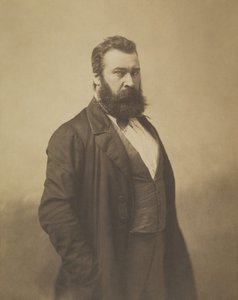
Jean-François Millet
1814 - 1875 , Frankreich
Kurzinfos
- Artistic Movement Or Style: Realismus, Barbizon-Schule
- Artists Or Movements Influenced By This Artist: ['Correa Benito Rebolledo']
- Artists Who Influenced This Artist:
- Bon du Mouchel
- Théophile Langlois
- Paul Delaroche
- Date Of Birth: 4. Oktober 1814
- Date Of Death: 1875
- Full Name: Jean-François Millet
- Nationality: Französisch
- Notable Artworks:
- Die Erntehelfer
- Das Angelus
- Der Sämann
- Place Of Birth (City And Country): Gruchy, Frankreich

