

 Vorschau anzeigen
 Versenden
 Teilen
 Details anzeigen

 Herunterladen
 Ähnliche Objekte
 Röntgenaufnahme
 Diashow
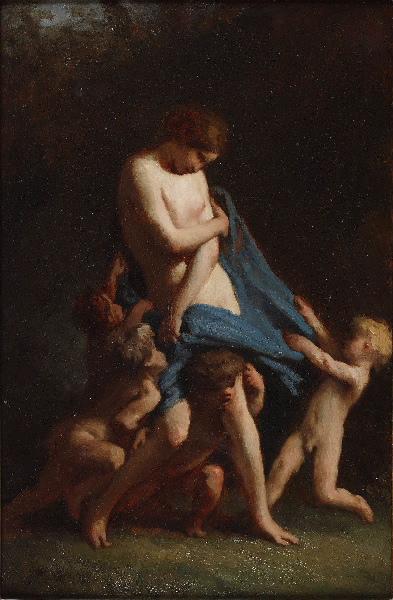
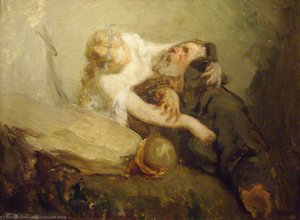
L'Amour vainqueur


 Weiterlesen
Erwerben Sie ein hochauflösendes, optimiertes digitales Bild, das der Online-Vorschau weit überlegen ist.
Jede Datei wird von unseren hauseigenen Spezialisten mit modernsten Werkzeugen und fachmännischer manueller Retusche sorgfältig vorbereitet. Wir stellen sicher, dass jedes Bild eine außergewöhnliche Klarheit, präzise Farbgenauigkeit und feinste Details aufweist.
Die endgültige Datei wird innerhalb von 72 Stunden per E-Mail zugestellt und ist für den sofortigen Einsatz in professionellen, redaktionellen und Druckumgebungen optimiert. Es handelt sich um dieselbe Qualität, der führende Designstudios, Verlage und Galerien vertrauen.
Digitales Bild
Laden Sie eine hochauflösende Datei für die persönliche Präsentation, den Druck und kreative Projekte herunter. ( Druck bestellen Handgemalte Reproduktion bestellen)
In jeder Bestellung digitaler Bilder enthalten
Professionelle digitale Bereitstellung, garantiert
Wenn Sie sich für ArtsDot.com entscheiden, erhalten Sie nicht nur ein Bild – Sie erhalten ein professionell aufbereitetes digitales Kunstwerk, das mit höchster Präzision erstellt und durch eine Zufriedenheitsgarantie abgesichert wird. Hier ist alles, was automatisch mit Ihrer Bestellung geliefert wird:

Schnelle E-Mail-Zustellung
Ihre hochauflösende digitale Bilddatei wird Ihnen innerhalb von 72 Stunden nach der Bestellung per E-Mail zugestellt – bereit zur sofortigen Verwendung.

KI-optimierte digitale Datei
Ihre Kunstwerke werden professionell mithilfe fortschrittlicher KI-Tools und manueller Bearbeitung optimiert, um maximale Detailtreue, Klarheit und Farbgenauigkeit zu gewährleisten.

Lebenslanger kostenloser Neudruckservice
Datei versehentlich gelöscht oder verloren? Keine Sorge – wir senden sie Ihnen jederzeit kostenlos erneut zu.

Keine Einfuhrgebühren – jemals
Genießen Sie Ihr Kunstwerk sofort ohne Zollgebühren, Einfuhrabgaben oder Versandkosten – digitale Downloads sind immer steuerfrei.

Garantierte Farbtreue
Wir garantieren, dass Ihr digitales Bild mithilfe professioneller Werkzeuge und Farbmanagement die Originalfarben so präzise wie möglich wiedergibt.

60-Tage-Zufriedenheitsgarantie
Sollten Sie mit Ihrem digitalen Bild nicht zufrieden sein, werden wir es überarbeiten oder Ihnen innerhalb von 60 Tagen 100% erstatten – ohne Wenn und Aber.

100% Geld-zurück-Garantie
Nicht zufrieden? Erhalten Sie innerhalb von 60 Tagen nach Erhalt Ihrer digitalen Datei eine vollständige Rückerstattung – ohne Angabe von Gründen.

Rabatte bei Großbestellungen
3 Bilder kaufen, 10% sparen – 5 Bilder kaufen, 15% sparen – Ab 10 Bildern 20% sparen. Ideal für kreative Projekte, Galerien und Agenturen.
Details zum Sammlerstück
L'Amour Vainqueur: A Chronicle of Rural Resilience
Jean-François Millet’s “L’Amour vainqueur” (The Triumphant Love) is not merely a depiction of a scene; it’s an embodiment of the enduring spirit of rural France during the mid-19th century. Born in 1814 in Gruchy, Normandy, Millet's life was inextricably linked to the land and its people – a connection that profoundly shaped his artistic vision. This painting, rendered in stark black and white, captures a moment of quiet intensity, a tableau of familial devotion amidst what would have been a challenging existence for those living within this agricultural community. The composition itself is deliberately complex, layered with figures and imbued with a sense of restrained movement, reflecting Millet’s commitment to Realism – an artistic approach that sought to portray life as it truly was, without idealization or romantic embellishment.
Subject Matter and Compositional Dynamics
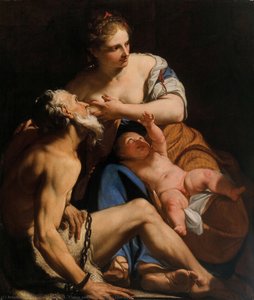
The central focus of “L’Amour vainqueur” is a woman, seemingly nude, cradling a child in her arms. This figure immediately evokes associations with motherhood, vulnerability, and the primal bond between parent and child – themes that were particularly resonant within Millet's work. The other child, reaching towards her, adds another layer of emotional complexity, suggesting both hope and perhaps a subtle tension. The presence of two additional figures—one at the top and one at the bottom of the composition—further enriches the narrative, hinting at a wider social context, possibly representing community support or the interconnectedness of rural life. The inclusion of a discarded tie adds an element of everyday realism, grounding the scene in the practicalities of daily existence. Millet’s masterful use of light and shadow contributes significantly to the painting's dramatic effect, emphasizing the figures' forms and creating a sense of depth within the composition.
Technique and Artistic Style – A Realist Masterpiece
Millet’s technique is characterized by meticulous detail and a remarkable ability to capture texture. The rough fabric of the woman’s clothing, the delicate features of the children, and the weathered appearance of the figures are rendered with painstaking accuracy. This commitment to realism was central to Millet's artistic philosophy, reflecting his desire to portray the lives of ordinary people – particularly those who worked the land – with honesty and dignity. The monochromatic palette intensifies the emotional impact of the scene, eliminating any distractions from color and focusing attention on form and expression. The painting’s style firmly places it within the Realist movement, a reaction against the idealized depictions prevalent in earlier Romantic art. Millet sought to depict the world as he saw it, unvarnished and without sentimentality.
Symbolism and Historical Context
"L'Amour vainqueur" transcends a simple depiction of a family scene; it carries profound symbolic weight. The title itself – “The Triumphant Love” – suggests resilience in the face of adversity, a theme deeply rooted in the lives of rural communities during Millet’s time. France in the 19th century was undergoing significant social and economic changes, with industrialization disrupting traditional agricultural practices. Millet's work can be seen as a poignant commentary on this transition, celebrating the enduring values of family, labor, and connection to the land. The painting speaks to the dignity of manual labor and the strength of human bonds in a world undergoing rapid transformation. It’s a testament to the quiet heroism found within everyday life.
Ähnliche Kunstwerke
Biografie des Künstlers
frühes Leben und Ausbildung
Jean-François Millet, geboren am 4. Oktober 1814 in der Normandie, Frankreich, etablierte sich als eine Schlüsselgestalt der Barbizon-Schule und war ein Verfechter des Realismus. Er wuchs in einer Bauerngemeinschaft auf, und sein frühes Leben war von ländlichen Erfahrungen geprägt, die seine künstlerischen Themen maßgeblich beeinflussten.Künstlerische Reise
Millets formale Kunstausbildung begann 1833 unter der Anleitung des Porträtmalers Bon du Mouchel in Cherbourg. Später studierte er bei Théophile Langlois de Chèvreville, einem Schüler von Baron Gros. Mit einer Stipendiumunterstützung zog er 1837 nach Paris, um an der École des Beaux-Arts zu studieren und unter Paul Delaroche zu lernen. Seine Reise war jedoch nicht ohne Rückschläge; 1839 verlor er sein Stipendium und wurde von der Salon-Ausstellung abgelehnt.Bekannte Werke und Realismusbewegung
Millets künstlerische Reise spiegelt seine tiefe Verbindung zu seinen ländlichen Wurzeln und seine Hingabe wider, das Leben der Bauern mit Würde und Realismus darzustellen. Zu seinen bekanntesten Werken gehören:- Die Ernte (1855), eine eindringliche Darstellung von Bauernernnten, die Millets Meisterschaft des Realismus demonstriert.
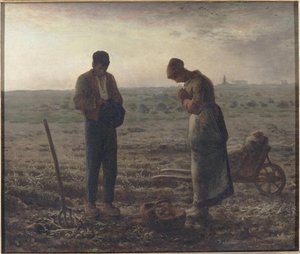
- Das Angelus (1850-1861), eine Reihe von Gemälden, die die täglichen Kämpfe des ländlichen Lebens hervorheben.
- Der Sämaschine (1850), eine ikonische Darstellung der Schwierigkeiten, mit denen Bauern konfrontiert sind, und die heute im Musée d'Orsay in Paris ausgestellt ist.
Vermächtnis und Einfluss
Millets Vermächtnis als Begründer der Barbizon-Schule macht ihn zu einer zentralen Figur bei der Übergangsbewegung zum Realismus in der Kunst. Sein Einfluss ist in den Werken nachfolgender Künstler wie Correa Benito Rebolledo erkennbar, die die Grenzen des Realismus weiter verschoben haben. Erfahren Sie mehr über Millets Werke und die Realismusbewegung auf ArtsDot: Jean François Millet der Ältere | ArtsDot Die Nouvelle Réalisme Kunstbewegung | ArtsDot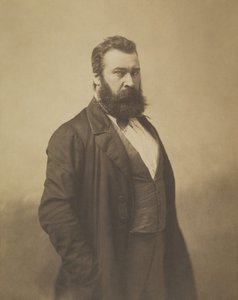
Jean-François Millet
1814 - 1875 , Frankreich
Kurzinfos
- Artistic Movement Or Style: Realismus, Barbizon-Schule
- Artists Or Movements Influenced By This Artist: ['Correa Benito Rebolledo']
- Artists Who Influenced This Artist:
- Bon du Mouchel
- Théophile Langlois
- Paul Delaroche
- Date Of Birth: 4. Oktober 1814
- Date Of Death: 1875
- Full Name: Jean-François Millet
- Nationality: Französisch
- Notable Artworks:
- Die Erntehelfer
- Das Angelus
- Der Sämann
- Place Of Birth (City And Country): Gruchy, Frankreich

