 Vorschau anzeigen
 Versenden
 Teilen
 Details anzeigen

 Herunterladen
 Ähnliche Objekte
 Röntgenaufnahme
 Diashow
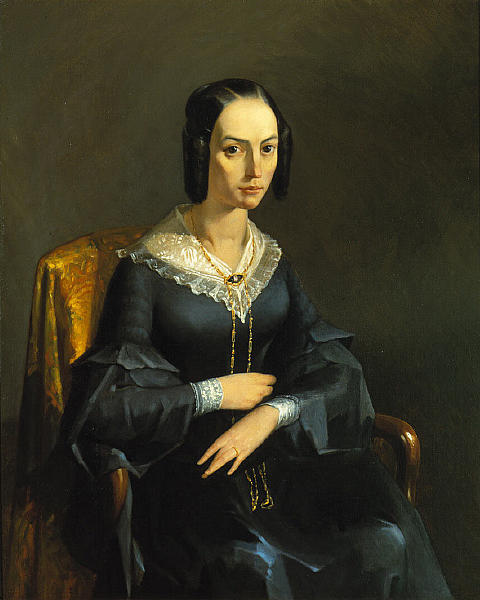
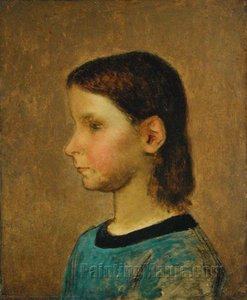
The Comtesse of Valmont
 Oil On Canvas
- WallArt
- Barbizon School Realism
 1841
1841 101.0 x 81.0 cm
 Weiterlesen
Handgefertigte Ölreproduktion
Handgemaltes Ölgemälde auf Leinwand in Ihrer Wunschgröße und mit Rahmen, auf Bestellung von unseren Künstlern angefertigt. ( Druck bestellen Bild kaufen)




P118B $10

P118H $10

P118W $10

P438Z $10

P508JH $12

P508YH $12

P805H $10

P805Z $10

P919BZ $10

P919G $10

P919XJ $10

P959ZH $10

P968JZ $12

W106C $8

W218G $10

W218JH $8

W218Y $10

W307PJ $10

W316G $10

W316PJ $8

W316Y $10

W398PJ $8

W4111J $10

W500HY $15

W500JH $15

W692G $12

W849H $8

W940BG $15

W953PJ $8




Wählen Sie aus unseren vordefinierten Formaten, die den ursprünglichen Proportionen des Kunstwerks entsprechen.

Sie können Ihre eigenen Maße eingeben, um einen bestimmten Rahmen oder Platz auszufüllen. Wenn die gewählte Größe nicht den Proportionen des Originalbildes entspricht, werden wir das Kunstwerk entweder beschneiden oder das Gemälde durch zusätzliche, handgemalte Elemente erweitern. Ein digitales Mockup wird Ihnen zur Genehmigung zugesandt, bevor die Produktion beginnt.
Bitte beachten Sie, dass die Bildschirmvorschau nicht die tatsächliche Beschneidung oder Erweiterung widerspiegelt. Nur das Mockup zeigt die endgültige Komposition exakt an.
Obwohl Sondermaße verfügbar sind, empfehlen wir, eine Größe aus der vordefinierten Liste zu wählen, um die ursprünglichen Proportionen beizubehalten.
Nach der Bestellung wird das ArtsDot.com-Team dem Kunden Anweisungen per E-Mail zusenden und eine Mockup-Vorschau bereitstellen.
Weltweiter Versand () in nur 3 bis 4 Wochen statt der üblichen 5 Wochen. (23 August). Keine Kompromisse bei der Qualität.

Kostenloser weltweiter Expressversand

Hochwertige Leinenleinwand

Umfassender Versicherungsschutz beim Versand

Zollgebühren-Rückerstattungsgarantie

Garantie für exakte Farbtreue

60 Tage Rückgaberecht (nur bei Mängeln)

100% Geld-zurück-Garantie

Mengenrabatt verfügbar
 Die Glasoption ist nur für Größen unter 110 cm verfügbar.

The Comtesse of Valmont
Art der Reproduktion
Format der Reproduktion
-


Gesamtpreis
$ 263
Beschreibung des Kunstwerks
A Glimpse into the Life of a Noblewoman – Jean-François Millet’s “The Comtesse of Valmont”
Jean-François Millet's "The Comtesse de Valmont," painted in 1841, is more than just a portrait; it’s a carefully constructed tableau that invites contemplation on the social dynamics and subtle power dynamics of mid-19th century France. Measuring a modest 101 x 81 cm, this oil on canvas work reveals Millet's signature Realist style – an unwavering commitment to depicting everyday life with remarkable accuracy and emotional depth. The painting immediately draws the eye to its subject: a woman seated in a chair, her gaze direct and engaging, seemingly observing the viewer as much as she is observed. Her posture exudes a quiet dignity, a subtle strength that belies the traditional expectations of female representation at the time.
The Realist Vision – Millet’s Connection to the Land
Born in Gruchy, Normandy, in 1814, Millet's artistic journey was inextricably linked to his rural upbringing. His family were farmers, and he spent his childhood immersed in the rhythms of agricultural life—the planting, harvesting, and the daily struggles of those who worked the land. This intimate connection profoundly shaped his artistic vision. Unlike many artists of the era focused on grand historical or mythological themes, Millet chose to depict the lives of ordinary people – peasants, laborers, and women – with a respect and empathy rarely seen in academic art. “The Comtesse de Valmont” exemplifies this approach; there’s no elaborate background, no theatrical gesture, only a simple chair, a woman, and an unadorned setting that speaks volumes about her status and the world she inhabits.
- Technique: Millet masterfully employs a muted palette of blues, browns, and golds. The rich blue of her dress contrasts subtly with the warm tones of the chair and the surrounding space, drawing attention to her figure without overwhelming it.
- Composition: The composition is deliberately restrained, emphasizing the woman’s presence within the frame. Her placement in the center, coupled with her direct gaze, creates a sense of intimacy and invites the viewer into her world.
- Brushwork: Millet's brushstrokes are visible, contributing to the painting’s textured surface and conveying a sense of immediacy and authenticity. This is characteristic of the Barbizon School, where artists sought to capture the essence of nature directly on canvas.
Symbolism and Social Context – A Portrait of Quiet Authority
While seemingly straightforward, “The Comtesse de Valmont” is rich in symbolic meaning. The gold necklace she wears signifies her wealth and social standing, a subtle reminder of the privileges afforded to women of her class. Her seated posture and direct gaze suggest an air of authority – not overt dominance, but a quiet confidence born from her position within society. Considering Millet’s background as a farmer's son, it is interesting to note how he portrays nobility with such understated elegance. The painting can be interpreted as a commentary on the complexities of social hierarchy and the subtle ways in which power operates within a patriarchal society.
Bringing Millet’s Vision Home – High-Quality Reproductions
ArtsDot offers meticulously crafted, hand-painted reproductions of “The Comtesse de Valmont,” capturing the essence of Millet's masterpiece with unparalleled detail and fidelity. Whether you are an art enthusiast, a collector seeking to expand your collection, or an interior designer looking for a striking piece to elevate a space, our reproductions provide a beautiful and authentic representation of this iconic work. Each reproduction is created using archival-quality materials, ensuring that it will retain its beauty and vibrancy for generations to come. Explore the full artwork details and order your custom reproduction today at ArtsDot.
Ähnliche Kunstwerke


Über den Künstler
frühes Leben und Ausbildung
Jean-François Millet, geboren am 4. Oktober 1814 in der Normandie, Frankreich, etablierte sich als eine Schlüsselgestalt der Barbizon-Schule und war ein Verfechter des Realismus. Er wuchs in einer Bauerngemeinschaft auf, und sein frühes Leben war von ländlichen Erfahrungen geprägt, die seine künstlerischen Themen maßgeblich beeinflussten.Künstlerische Reise
Millets formale Kunstausbildung begann 1833 unter der Anleitung des Porträtmalers Bon du Mouchel in Cherbourg. Später studierte er bei Théophile Langlois de Chèvreville, einem Schüler von Baron Gros. Mit einer Stipendiumunterstützung zog er 1837 nach Paris, um an der École des Beaux-Arts zu studieren und unter Paul Delaroche zu lernen. Seine Reise war jedoch nicht ohne Rückschläge; 1839 verlor er sein Stipendium und wurde von der Salon-Ausstellung abgelehnt.Bekannte Werke und Realismusbewegung
Millets künstlerische Reise spiegelt seine tiefe Verbindung zu seinen ländlichen Wurzeln und seine Hingabe wider, das Leben der Bauern mit Würde und Realismus darzustellen. Zu seinen bekanntesten Werken gehören:- Die Ernte (1855), eine eindringliche Darstellung von Bauernernnten, die Millets Meisterschaft des Realismus demonstriert.
- Das Angelus (1850-1861), eine Reihe von Gemälden, die die täglichen Kämpfe des ländlichen Lebens hervorheben.
- Der Sämaschine (1850), eine ikonische Darstellung der Schwierigkeiten, mit denen Bauern konfrontiert sind, und die heute im Musée d'Orsay in Paris ausgestellt ist.
Vermächtnis und Einfluss
Millets Vermächtnis als Begründer der Barbizon-Schule macht ihn zu einer zentralen Figur bei der Übergangsbewegung zum Realismus in der Kunst. Sein Einfluss ist in den Werken nachfolgender Künstler wie Correa Benito Rebolledo erkennbar, die die Grenzen des Realismus weiter verschoben haben. Erfahren Sie mehr über Millets Werke und die Realismusbewegung auf ArtsDot: Jean François Millet der Ältere | ArtsDot Die Nouvelle Réalisme Kunstbewegung | ArtsDot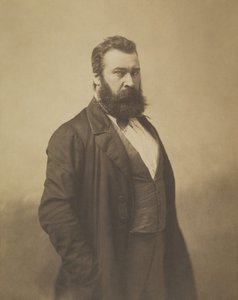
Jean-François Millet
1814 - 1875 , Frankreich
Kurzinfos
- Artistic Movement Or Style: Realismus, Barbizon-Schule
- Artists Or Movements Influenced By This Artist: ['Correa Benito Rebolledo']
- Artists Who Influenced This Artist:
- Bon du Mouchel
- Théophile Langlois
- Paul Delaroche
- Date Of Birth: 4. Oktober 1814
- Date Of Death: 1875
- Full Name: Jean-François Millet
- Nationality: Französisch
- Notable Artworks:
- Die Erntehelfer
- Das Angelus
- Der Sämann
- Place Of Birth (City And Country): Gruchy, Frankreich
Ähnliche Artikel

Jean-François Millet: Realismus, ländliche Poesie und die Würde der Arbeit
Entdecken Sie das Werk von Jean-François Millet! Erfahren Sie mehr über den Realismus, seine bahnbrechende Darstellung des bäuerlichen Lebens und seinen Einfluss auf die Kunstgeschichte. Jetzt bei ArtsDot!

Romantic Realism's Finest: 10 Masterpieces for Your Home | ArtsDot
Explore 10 defining masterpieces of Romantic Realism! Discover Courbet, Millet & Daumier's powerful paintings—capturing emotion and social realities. Find museum-quality reproductions for your home at ArtsDot.com.

Realismus in der Kunst: Die 10 Meisterwerke, die eine Ära prägten |
Entdecken Sie die 10 Meisterwerke des Realismus! Courbet, Millet & Daumier prägten eine Ära. Erfahren Sie die Geschichten hinter ikonischen Gemälden und finden Sie hochwertige Art Reproduktionen für Ihr Zuhause auf

The Poetic Truth of Observation: Exploring 19th-Century Realism in Painting
Explore the captivating world of 19th-century Realism! Discover key artists like Courbet & Millet, masterpieces, and the powerful social commentary behind this influential art movement. Expert insights at ArtsDot.

The Enduring Appeal of Realism: Technique, History & Emotional Resonance in Representational Art
Explore the captivating world of Realism! Discover key artists like Courbet & Millet, masterpieces, and the social commentary behind this influential art movement. Expert insights for collectors & enthusiasts.