 Vorschau anzeigen
 Versenden
 Teilen
 Details anzeigen

 Herunterladen
 Ähnliche Objekte
 Röntgenaufnahme
 Diashow
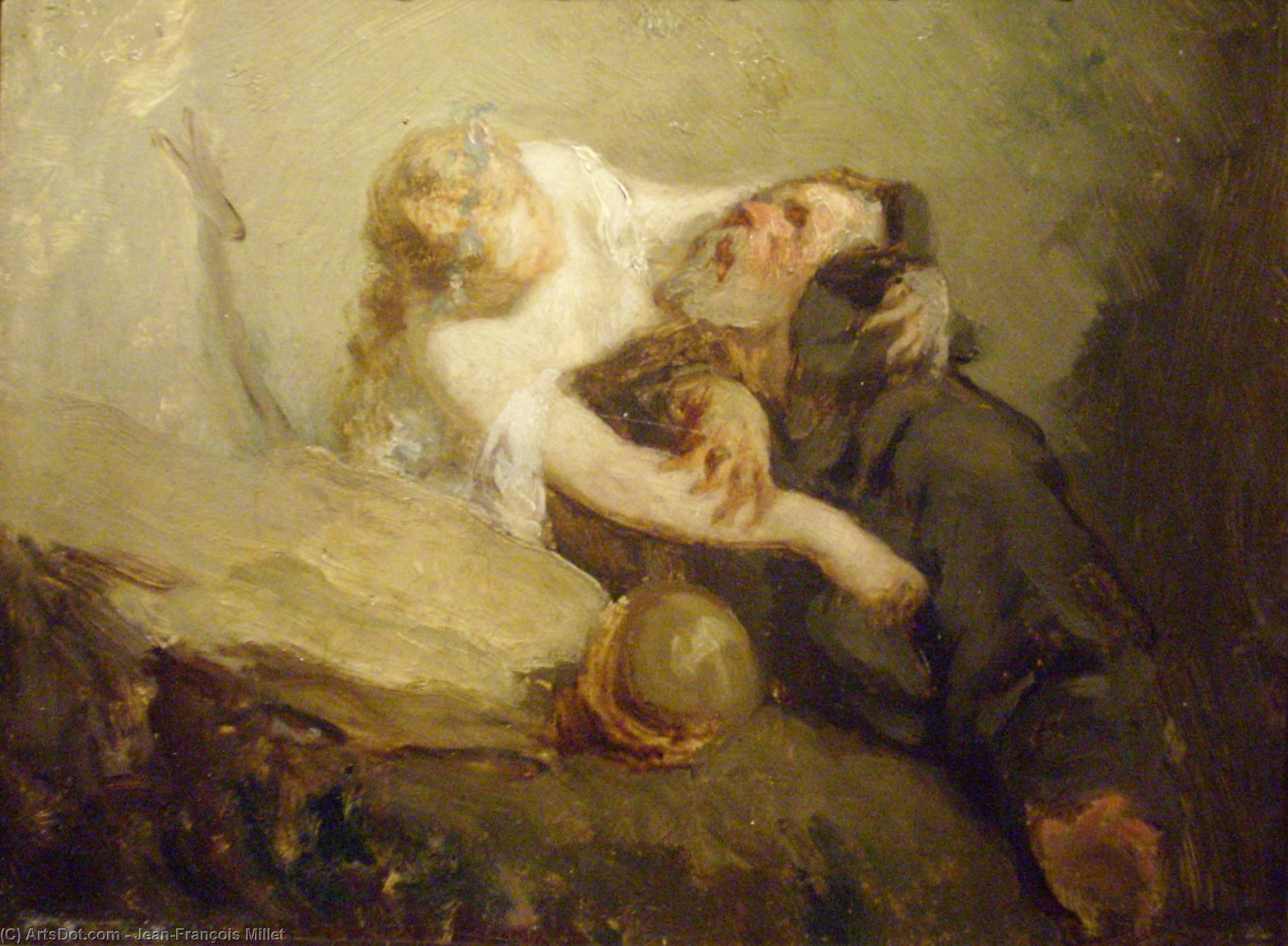
The Temptation of St. Anthony

 Weiterlesen
Giclée / Kunstdruck
Giclée- oder Leinwanddruck in Museumsqualität mit schneller Produktion und flexiblen Veredelungsoptionen. ( Handgemalte Reproduktion bestellen Bild kaufen)




P118B $10

P118H $10

P118W $10

P438Z $10

P508JH $12

P508YH $12

P805H $10

P805Z $10

P919BZ $10

P919G $10

P919XJ $10

P959ZH $10

P968JZ $12

W106C $8

W218G $10

W218JH $8

W218Y $10

W307PJ $10

W316G $10

W316PJ $8

W316Y $10

W398PJ $8

W4111J $10

W500HY $15

W500JH $15

W692G $12

W849H $8

W940BG $15

W953PJ $8




Wählen Sie aus unseren vordefinierten Formaten, die den ursprünglichen Proportionen des Kunstwerks entsprechen.

Sie können Ihre eigenen Maße eingeben, um ein bestimmtes Format oder einen speziellen Platz einzupassen. Wenn das von Ihnen gewählte Format nicht den Proportionen des Originalbildes entspricht, werden wir das Kunstwerk entweder beschneiden oder das Bild mit einem gespiegelten oder einfarbigen Rand erweitern. Ein digitaler Entwurf wird Ihnen zur Genehmigung zugesandt, bevor die Produktion beginnt.
Bitte beachten Sie, dass die Vorschau auf dem Bildschirm nicht den tatsächlichen Zuschnitt oder die Erweiterung widerspiegelt. Nur der Entwurf zeigt die endgültige Komposition präzise an.
Obwohl Sondermaße verfügbar sind, empfehlen wir die Auswahl eines Maßes aus der vordefinierten Liste, um die ursprünglichen Proportionen zu bewahren.
Weltweiter Versand () innerhalb von 2 Wochen statt der üblichen 4/5 Wochen. (26 August)

Kostenloser weltweiter Expressversand

Hochwertige Leinenleinwand

Umfassender Versicherungsschutz beim Versand

Zollgebühren-Rückerstattungsgarantie

Garantie für exakte Farbtreue

60 Tage Rückgaberecht (nur bei Mängeln)

100% Geld-zurück-Garantie

Mengenrabatt verfügbar
 Die Glasoption ist nur für Größen unter 110 cm verfügbar.

The Temptation of St. Anthony
Giclée / Kunstdruck
Format der Reproduktion
-


Gesamtpreis
$ 62
Sammlerstück-Beschreibung
Jean-François Millet’s ‘The Temptation of St. Anthony’: A Chronicle of Spiritual Struggle
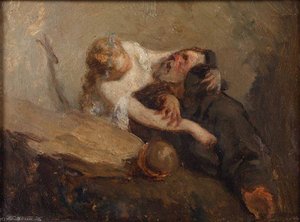
Jean-François Millet's “The Temptation of St. Anthony” is not merely a depiction of a biblical narrative; it’s a profound meditation on human vulnerability and the relentless battle between good and evil. Painted in 1863, this work exemplifies Millet’s commitment to Realism, eschewing idealized beauty for an unflinching portrayal of rural life and its attendant spiritual anxieties. The scene unfolds within a rugged Norman landscape – a deliberate choice by Millet, grounding the fantastical elements of the story in the tangible reality of the French countryside. The composition itself is deliberately unsettling, with figures caught in a moment of intense struggle, their gestures conveying both physical exertion and profound emotional turmoil.
- Subject Matter: The painting directly addresses the biblical episode from the *Life of St. Anthony*, where the saint is lured away from his ascetic life by demons and seductive temptations.
- Compositional Tension: Millet masterfully employs diagonal lines to create a sense of dynamism and instability, mirroring the chaotic nature of the temptation itself. The figures are not arranged in a harmonious manner; rather, they are thrust together, amplifying the feeling of conflict.
A Masterclass in Realist Technique
Millet’s technique is characterized by its meticulous observation and earthy palette. He employed a dry brushstroke method, building up layers of paint to create a textured surface that captures the rough quality of the stone, the weathered wood of the trees, and the palpable tension between the figures. The use of muted browns, ochres, and grays reflects the harsh realities of rural life and contributes to the painting’s somber mood. Notably, Millet's attention to detail – the individual strands of hair, the worn clothing, the subtle expressions on the faces – elevates this scene beyond a simple illustration and transforms it into a powerful psychological study.
- Brushwork: Millet’s signature dry brushstroke technique creates a tactile surface, emphasizing the materiality of the landscape and figures.
- Color Palette: The muted earth tones evoke a sense of austerity and reinforce the painting's themes of struggle and temptation.
Symbolism and Interpretation
The symbolism within “The Temptation of St. Anthony” is layered and open to interpretation. The three figures represent distinct forces at play: Saint Anthony, wrestling with his inner demons; the demon, embodying worldly desires and corrupting influences; and the woman, a potent symbol of temptation – perhaps representing earthly pleasures or even a fallen angel. The two swords are particularly significant, representing both spiritual defense and the potential for self-destruction. The bowl on the ground could symbolize the fleeting nature of material possessions or the emptiness of worldly pursuits. Millet’s deliberate ambiguity invites viewers to contemplate their own struggles with temptation and the enduring human condition.
- Saint Anthony: Represents spiritual resistance and the pursuit of virtue.
- The Demon: Embodies earthly desires, sin, and the corrupting influence of evil.
- The Woman: Symbolizes temptation, allure, and the potential for deviation from a righteous path.
Historical Context and Artistic Significance
“The Temptation of St. Anthony” was created during a period of significant social and artistic change in France. Millet’s work aligned with the burgeoning Realist movement, which sought to depict everyday life and human experiences without idealization or romanticism. This painting reflects Millet's deep connection to rural France and his desire to portray the dignity and struggles of its people. It stands as a testament to his ability to infuse religious narratives with profound psychological depth and social commentary, solidifying his place as one of the most important artists of the 19th century.
Ähnliche Kunstwerke
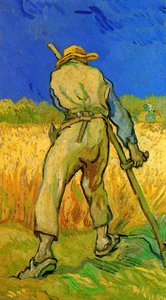
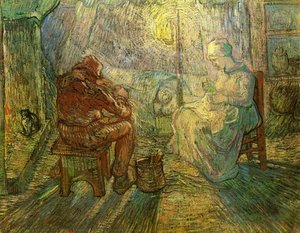
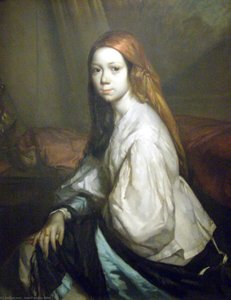
Über den Künstler
frühes Leben und Ausbildung
Jean-François Millet, geboren am 4. Oktober 1814 in der Normandie, Frankreich, etablierte sich als eine Schlüsselgestalt der Barbizon-Schule und war ein Verfechter des Realismus. Er wuchs in einer Bauerngemeinschaft auf, und sein frühes Leben war von ländlichen Erfahrungen geprägt, die seine künstlerischen Themen maßgeblich beeinflussten.Künstlerische Reise
Millets formale Kunstausbildung begann 1833 unter der Anleitung des Porträtmalers Bon du Mouchel in Cherbourg. Später studierte er bei Théophile Langlois de Chèvreville, einem Schüler von Baron Gros. Mit einer Stipendiumunterstützung zog er 1837 nach Paris, um an der École des Beaux-Arts zu studieren und unter Paul Delaroche zu lernen. Seine Reise war jedoch nicht ohne Rückschläge; 1839 verlor er sein Stipendium und wurde von der Salon-Ausstellung abgelehnt.Bekannte Werke und Realismusbewegung
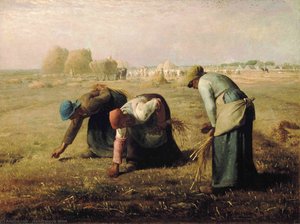
Millets künstlerische Reise spiegelt seine tiefe Verbindung zu seinen ländlichen Wurzeln und seine Hingabe wider, das Leben der Bauern mit Würde und Realismus darzustellen. Zu seinen bekanntesten Werken gehören:- Die Ernte (1855), eine eindringliche Darstellung von Bauernernnten, die Millets Meisterschaft des Realismus demonstriert.
- Das Angelus (1850-1861), eine Reihe von Gemälden, die die täglichen Kämpfe des ländlichen Lebens hervorheben.
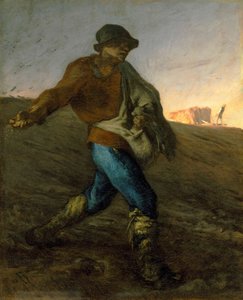
- Der Sämaschine (1850), eine ikonische Darstellung der Schwierigkeiten, mit denen Bauern konfrontiert sind, und die heute im Musée d'Orsay in Paris ausgestellt ist.
Vermächtnis und Einfluss
Millets Vermächtnis als Begründer der Barbizon-Schule macht ihn zu einer zentralen Figur bei der Übergangsbewegung zum Realismus in der Kunst. Sein Einfluss ist in den Werken nachfolgender Künstler wie Correa Benito Rebolledo erkennbar, die die Grenzen des Realismus weiter verschoben haben. Erfahren Sie mehr über Millets Werke und die Realismusbewegung auf ArtsDot: Jean François Millet der Ältere | ArtsDot Die Nouvelle Réalisme Kunstbewegung | ArtsDot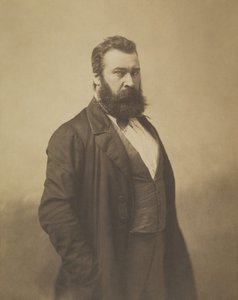
Jean-François Millet
1814 - 1875 , Frankreich
Kurzinfos
- Artistic Movement Or Style: Realismus, Barbizon-Schule
- Artists Or Movements Influenced By This Artist: ['Correa Benito Rebolledo']
- Artists Who Influenced This Artist:
- Bon du Mouchel
- Théophile Langlois
- Paul Delaroche
- Date Of Birth: 4. Oktober 1814
- Date Of Death: 1875
- Full Name: Jean-François Millet
- Nationality: Französisch
- Notable Artworks:
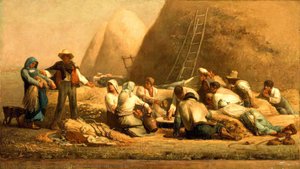
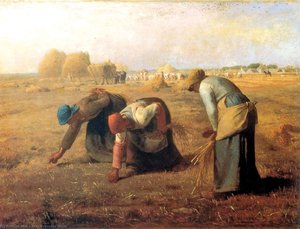
- Die Erntehelfer
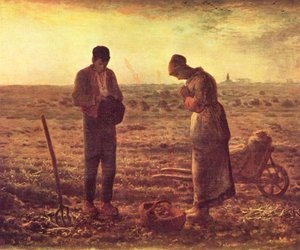
- Das Angelus
- Der Sämann
- Place Of Birth (City And Country): Gruchy, Frankreich
Ähnliche Artikel

Giclée Prints: Archival Quality & Aesthetic Nuances for the Discerning Collector
Explore the world of giclée prints with ArtsDot. Learn about archival quality, aesthetic nuances & investment potential. Expert guidance for discerning art collectors seeking museum-quality reproductions and lasting value.

The Enduring Legacy of Fine Art Prints: Technique, History & Aesthetic Impact
Explore the rich history & techniques of fine art prints. Discover investment potential, assess authenticity, and learn how to preserve your collection with expert guidance. Trusted insights for discerning collectors.

Echoes of Time: Exploring the Enduring Appeal & Historical Context of Vintage Art Prints
Explore the captivating world of vintage art prints! Discover their history, collecting tips & enduring appeal. Expert insights on chromolithography and building a legacy collection with ArtsDot.
The Enduring Legacy of Printmaking: Techniques, Themes & Artistic Innovation Across Centuries
Explore the rich history of printmaking with ArtsDot. Discover techniques from intaglio to lithography, learn about collecting valuable prints & find museum-quality reproductions. Expert insights for art enthusiasts and collectors.

Realismus in der Kunst: Die 10 Meisterwerke, die eine Ära prägten |
Entdecken Sie die 10 Meisterwerke des Realismus! Courbet, Millet & Daumier prägten eine Ära. Erfahren Sie die Geschichten hinter ikonischen Gemälden und finden Sie hochwertige Art Reproduktionen für Ihr Zuhause auf