 Vorschau anzeigen
 Versenden
 Teilen
 Details anzeigen

 Herunterladen
 Ähnliche Objekte
 Röntgenaufnahme
 Diashow
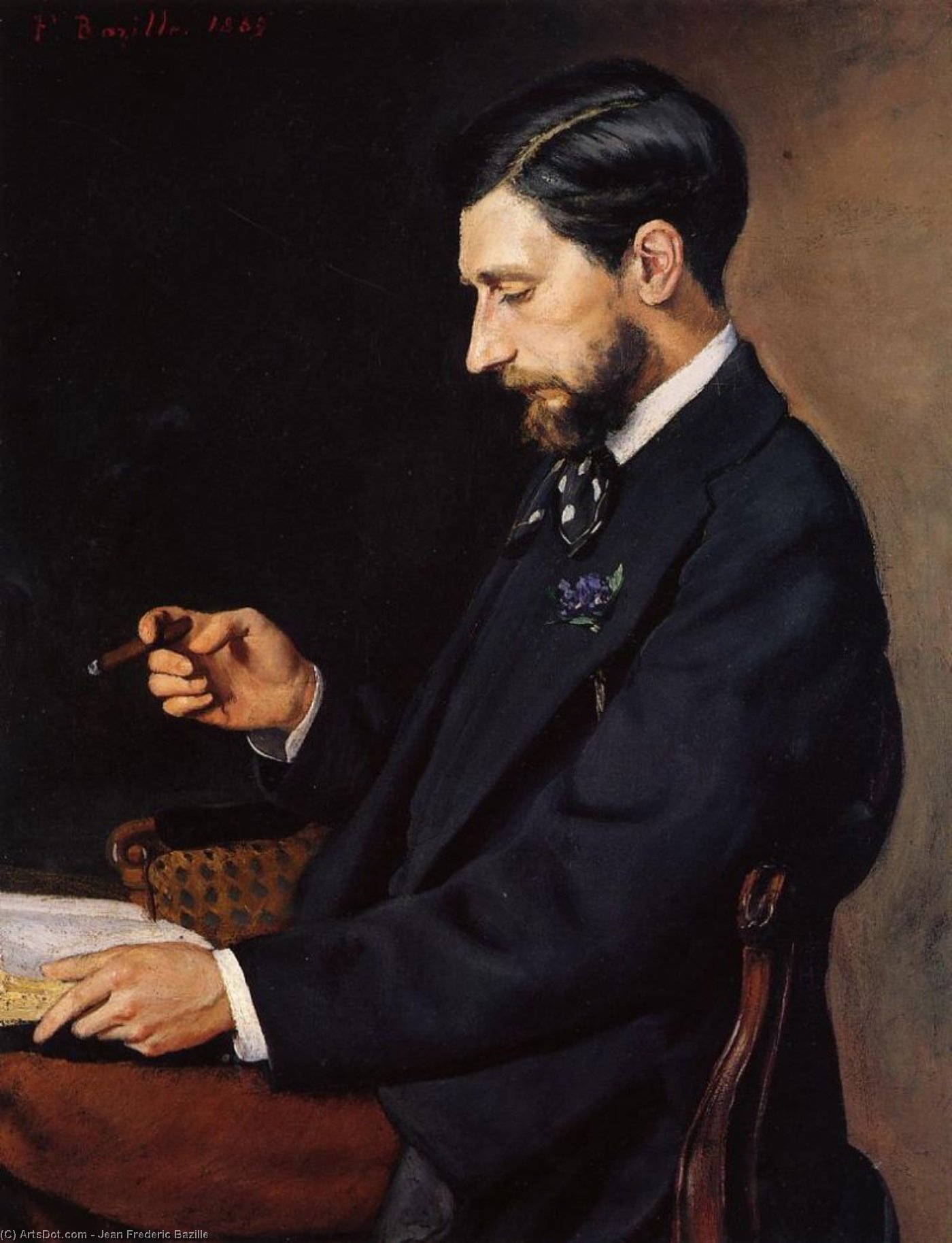
Portrait of Edmond Maitre


 Weiterlesen
Giclée / Kunstdruck
Giclée- oder Leinwanddruck in Museumsqualität mit schneller Produktion und flexiblen Veredelungsoptionen. ( Handgemalte Reproduktion bestellen Bild kaufen)




P118B $10

P118H $10

P118W $10

P438Z $10

P508JH $12

P508YH $12

P805H $10

P805Z $10

P919BZ $10

P919G $10

P919XJ $10

P959ZH $10

P968JZ $12

W106C $8

W218G $10

W218JH $8

W218Y $10

W307PJ $10

W316G $10

W316PJ $8

W316Y $10

W398PJ $8

W4111J $10

W500HY $15

W500JH $15

W692G $12

W849H $8

W940BG $15

W953PJ $8




Wählen Sie aus unseren vordefinierten Formaten, die den ursprünglichen Proportionen des Kunstwerks entsprechen.

Sie können Ihre eigenen Maße eingeben, um ein bestimmtes Format oder einen speziellen Platz einzupassen. Wenn das von Ihnen gewählte Format nicht den Proportionen des Originalbildes entspricht, werden wir das Kunstwerk entweder beschneiden oder das Bild mit einem gespiegelten oder einfarbigen Rand erweitern. Ein digitaler Entwurf wird Ihnen zur Genehmigung zugesandt, bevor die Produktion beginnt.
Bitte beachten Sie, dass die Vorschau auf dem Bildschirm nicht den tatsächlichen Zuschnitt oder die Erweiterung widerspiegelt. Nur der Entwurf zeigt die endgültige Komposition präzise an.
Obwohl Sondermaße verfügbar sind, empfehlen wir die Auswahl eines Maßes aus der vordefinierten Liste, um die ursprünglichen Proportionen zu bewahren.
Weltweiter Versand () innerhalb von 2 Wochen statt der üblichen 4/5 Wochen. (25 August)

Kostenloser weltweiter Expressversand

Hochwertige Leinenleinwand

Umfassender Versicherungsschutz beim Versand

Zollgebühren-Rückerstattungsgarantie

Garantie für exakte Farbtreue

60 Tage Rückgaberecht (nur bei Mängeln)

100% Geld-zurück-Garantie

Mengenrabatt verfügbar
 Die Glasoption ist nur für Größen unter 110 cm verfügbar.

Portrait of Edmond Maitre
Giclée / Kunstdruck
Format der Reproduktion
-


Gesamtpreis
$ 62
Sammlerstück-Beschreibung
A Study in Quiet Dignity: The Soul of Edmond Maitre
In the quiet corners of art history, certain works possess the power to halt time, offering a window into a moment of profound stillness. Jean Frédéric Bazille’s “Portrait of Edmond Maitre,” completed in 1869, is precisely such a masterpiece. It is not merely a formal depiction of a man; it is an evocative exploration of intellect, solitude, and a subtly conveyed melancholy that resonates deeply with the viewer. As we gaze upon the profile of Maitre, we are drawn into a world where the boundaries between Realism and the burgeoning Impressionist movement blur, creating a portrait that feels both grounded in physical reality and elevated by emotional depth.
The painting captures a man lost in thought, his presence defined by a dignified composure. Bazille masterfully centers the figure, utilizing a strong vertical axis to guide our eyes upward toward the subject's face—the undeniable focal point of this composition. There is an unmistakable sense of gravity here; the way Maitre sits, perhaps engaged in writing or deep contemplation, suggests a life of intellectual rigor and quiet introspection. For the collector or the interior designer, this piece offers a sophisticated anchor for a room, bringing a sense of scholarly calm and timeless elegance to any curated space.
The Mastery of Light, Shadow, and Texture
Technically, the work is a triumph of 19 مت century oil painting. Bazille employs a sophisticated interplay of light and shadow, often referred to as chiaroscuro, to sculpt the subject's features and create a palpable sense of three-dimensional form. The lighting is dramatic yet controlled, illuminating the contours of Maitre’s face and the crisp edges of his attire while allowing deep, velvety shadows to recede into the background. This contrast does more than just create depth; it imbues the portrait with a psychological weight, mirroring the complexity of the human spirit.
A closer inspection reveals Bazille's meticulous commitment to material truth. The artist’s brushwork, while smooth in the rendering of skin tones, becomes wonderfully textured when depicting the heavy fabric of the subject's coat. One can almost feel the weight and weave of the cloth through the layered application of oil paint. This attention to detail is complemented by a somber, sophisticated color palette dominated by blacks, navy blues, and deep greys, punctuated only by the most subtle hints of color—a touch of purple in a tie or a delicate floral accent—which prevents the composition from feeling heavy and instead lends it an air of refined grace.
A Legacy of Brilliance and Transition
To understand this portrait is to understand a pivotal moment in the evolution of modern art. Created on the cusp of the Impressionist revolution, the work sits at a fascinating crossroads. While Bazille’s technique retains the precision and formal structure of the Realist tradition, his sensitivity to light and atmosphere foreshadows the radical shifts brought about by his contemporaries, such as Monet and Renoir. There is a palpable sense of vulnerability in this work, perhaps a reflection of Bazille’s own life; the artist would tragically pass away at the young age of 28, leaving behind a legacy that was as brilliant as it was brief.
For those seeking to adorn their homes with art that tells a story, “Portrait of Edmond Maitre” serves as an exquisite choice. It is a piece that invites conversation and contemplation, offering a sense of historical continuity and emotional resonance. Whether placed in a private library, a formal study, or a contemporary living area, this reproduction brings with it the quiet strength of a bygone era, reminding us of the enduring power of the human intellect and the beauty found in moments of silent reflection.
Ähnliche Kunstwerke
Über den Künstler
Frédéric Bazilles frühes Leben und Ausbildung
Jean Frédéric Bazille, ein französischer Impressionistischer Maler, wurde am 6. Dezember 1841 in Montpellier, Hérault, Languedoc-Roussillon, Frankreich geboren. Er stammte aus einer wohlhabenden protestantischen Familie. Inspiriert von den Werken Eugène Delacroix’s erlaubten seine Eltern ihm, Malerei zu studieren, allerdings nur unter der Bedingung, dass er auch Medizin studierte.Künstlerische Karriere
Bazille begann 1859 mit dem Medizinstudium und zog 1862 nach Paris, um sein Studium fortzusetzen. Dort lernte er Pierre-Auguste Renoir und Alfred Sisley kennen und fühlte sich zum Impressionismus hingezogen. Er besuchte Kurse im Atelier von Charles Gleyre. Nach seinem gescheiterten medizinischen Examen 1864 begann er Vollzeit zu malen.Bemerkenswerte Werke und Stil
Zu Bazilles engen Freunden gehörten Claude Monet, Alfred Sisley und Édouard Manet. Er war großzügig mit seinem Vermögen und unterstützte seine weniger begabten Kollegen, indem er ihnen Platz in seinem Atelier und Malmaterialien zur Verfügung stellte. Einige seiner bemerkenswertesten Werke sind:- Das Rosa Kleid (ca. 1864, Musée d'Orsay, Paris)
- Familientreffen (1867–1868, Musée d'Orsay, Paris)
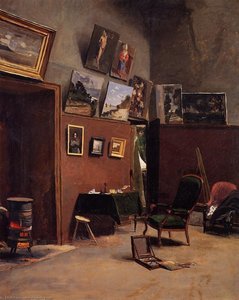
- Atelier in der Rue de Furstenberg (1865, Musée Fabre, Fogg Art Museum, Cambridge, Massachusetts)
Tragischer Tod und Vermächtnis
Bazille trat im August 1870 in ein Zouave-Regiment ein, nur einen Monat nach Ausbruch des Deutsch-Französischen Krieges. Am 28. November 1870 fiel er im Alter von 28 Jahren in der Schlacht bei Beaune-la-Rolande. Sein früher Tod verhinderte eine umfassendere künstlerische Entwicklung, doch seine Werke werden heute als wichtige Beiträge zum Impressionismus gewürdigt. Seine Gemälde sind heute in verschiedenen Museen zu sehen, darunter das Musée d'Orsay in Paris und das Musée Fabre in Montpellier. Seine Bedeutung liegt darin, dass er früh die Prinzipien des Impressionismus verinnerlichte und mit einer eigenen Sensibilität interpretierte. Er war ein wichtiger Bindeglied zwischen der frühen impressionistischen Bewegung und den nachfolgenden Generationen von Malern.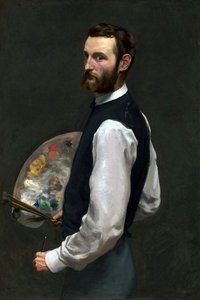
Jean Frédéric Bazille
1841 - 1870 , Frankreich
Kurzinfos
- Bemerkenswerte Werke:
- Das Rosa Kleid
- Familienzusammenkunft
- Atelier in der Rue de Furstenberg
- Geburtsdatum: 6. Dezember 1841
- Geburtsort (Stadt, Land): Montpellier, Frankreich
- Künstler, Die Diesen Künstler Beeinflussten: ['Eugène Delacroix']
- Künstlerische Bewegung/Stil: Impressionismus
- Nationalität: Französisch
- Sterbedatum: 28. November 1870
- Vollständiger Name: Jean Frédéric Bazille
Ähnliche Artikel

Meisterwerke des 19. Jahrhunderts: Kunst für Ihr Zuhause | ArtsDot
Entdecken Sie die 10 bedeutendsten Kunstwerke des 19. Jahrhunderts! Von Impressionismus bis Realismus – erleben Sie die Geschichten berühmter Maler und ihre Meisterwerke. Hochwertige Reproduktionen für Ihr Zuhause auf ArtsDot.com.
Émile Vernet: Romantische Realität und die Darstellung des Lebens im 19. Jahrhundert
Entdecken Sie das faszinierende Werk von Émile Vernet! Expertenwissen über den französischen Maler der Romantik und des Realismus, seine ikonischen Schlachtszenen und orientalistischen Gemälde. Hochwertige Reproduktionen & individuelle Kunstberatung bei ArtsDot.
Realismus in der Kunst: Die 10 Meisterwerke, die eine Ära prägten |
Entdecken Sie die 10 Meisterwerke des Realismus! Courbet, Millet & Daumier prägten eine Ära. Erfahren Sie die Geschichten hinter ikonischen Gemälden und finden Sie hochwertige Art Reproduktionen für Ihr Zuhause auf
Jean-Léon Gérôme: Akademische Strenge und orientalistische Visionen – Ein Meister der französischen Malerei
Entdecken Sie das faszinierende Werk von Jean-Léon Gérôme! Wir analysieren seine akademische Strenge, orientalistischen Visionen und ikonischen Gemälde. Ein tiefer Einblick in den Meister der französischen Malerei des 19. Jahrhunderts.
The Gaze of Reality: Exploring Themes & Techniques in 19th-Century Realist Painting
Explore the captivating world of 19th-century Realist painting! Discover key artists like Courbet & Manet, groundbreaking techniques, and the powerful social commentary that defined this influential art movement. Expert insights at ArtsDot.