 Vorschau anzeigen
 Versenden
 Teilen
 Details anzeigen

 Herunterladen
 Ähnliche Objekte
 Röntgenaufnahme
 Diashow
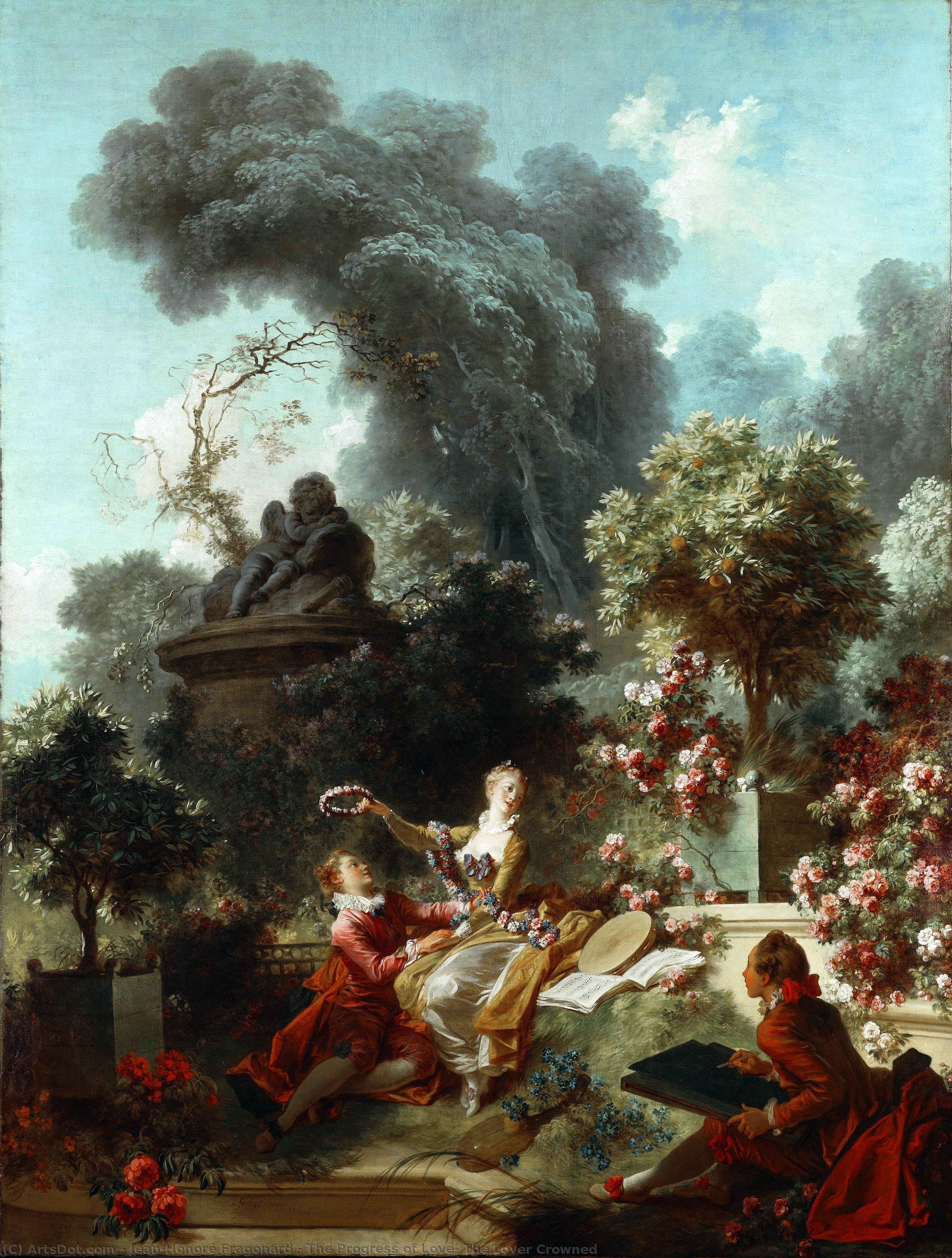
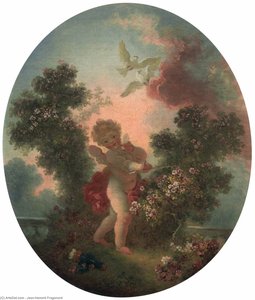
The Progress of Love: The Lover Crowned
 Öl auf Leinwand
- Wandkunst
- Rococo
 1771
1771 318.0 x 243.0 cm
 Frick Collection
 Weiterlesen
Giclée / Kunstdruck
Giclée- oder Leinwanddruck in Museumsqualität mit schneller Produktion und flexiblen Veredelungsoptionen. ( Handgemalte Reproduktion bestellen Bild kaufen)




P118B $10

P118H $10

P118W $10

P438Z $10

P508JH $12

P508YH $12

P805H $10

P805Z $10

P919BZ $10

P919G $10

P919XJ $10

P959ZH $10

P968JZ $12

W106C $8

W218G $10

W218JH $8

W218Y $10

W307PJ $10

W316G $10

W316PJ $8

W316Y $10

W398PJ $8

W4111J $10

W500HY $15

W500JH $15

W692G $12

W849H $8

W940BG $15

W953PJ $8




Wählen Sie aus unseren vordefinierten Formaten, die den ursprünglichen Proportionen des Kunstwerks entsprechen.

Sie können Ihre eigenen Maße eingeben, um ein bestimmtes Format oder einen speziellen Platz einzupassen. Wenn das von Ihnen gewählte Format nicht den Proportionen des Originalbildes entspricht, werden wir das Kunstwerk entweder beschneiden oder das Bild mit einem gespiegelten oder einfarbigen Rand erweitern. Ein digitaler Entwurf wird Ihnen zur Genehmigung zugesandt, bevor die Produktion beginnt.
Bitte beachten Sie, dass die Vorschau auf dem Bildschirm nicht den tatsächlichen Zuschnitt oder die Erweiterung widerspiegelt. Nur der Entwurf zeigt die endgültige Komposition präzise an.
Obwohl Sondermaße verfügbar sind, empfehlen wir die Auswahl eines Maßes aus der vordefinierten Liste, um die ursprünglichen Proportionen zu bewahren.
Weltweiter Versand () innerhalb von 2 Wochen statt der üblichen 4/5 Wochen. (26 August)

Kostenloser weltweiter Expressversand

Hochwertige Leinenleinwand

Umfassender Versicherungsschutz beim Versand

Zollgebühren-Rückerstattungsgarantie

Garantie für exakte Farbtreue

60 Tage Rückgaberecht (nur bei Mängeln)

100% Geld-zurück-Garantie

Mengenrabatt verfügbar
 Die Glasoption ist nur für Größen unter 110 cm verfügbar.

The Progress of Love: The Lover Crowned
Giclée / Kunstdruck
Format der Reproduktion
-


Gesamtpreis
$ 62
Sammlerstück-Beschreibung
The Progress of Love: The Lover Crowned – A Rococo Reverie
Jean-Honoré Fragonard’s “The Progress of Love: The Lover Crowned,” completed in 1771, stands as a quintessential emblem of the Rococo artistic movement and a poignant reflection on the complexities of courtship during Louis XV's reign. Commissioned by Madame du Barry, the flamboyant mistress of the King, this monumental oil painting – measuring an impressive 318 x 243 cm – resides within the esteemed Frick Collection in New York City, offering visitors a privileged glimpse into a world steeped in opulent beauty and veiled sensuality.- Composition & Setting: The canvas depicts a serene outdoor tableau featuring two lovers seated upon a stone bench adorned with an abundance of roses—a deliberate visual cue referencing the central theme of the series “The Progress of Love.” Surrounding them is a lively garden scene populated by figures engaged in animated conversations and activities, creating an atmosphere brimming with joy and celebration.
- Style & Technique: Fragonard’s masterful brushwork characterizes his distinctive Rococo style—characterized by loose, flowing lines and delicate pastel hues—a stylistic departure from the rigid formalism of Neoclassicism that dominated artistic circles at the time. The artist skillfully employs chiaroscuro (light and shadow) to sculpt form and imbue the scene with depth and realism, capturing the ephemeral beauty of a fleeting moment.
- Historical Context: “The Progress of Love” is part of a larger quartet commissioned by Madame du Barry, intended to chronicle the four stages of romantic affection—proposal, meeting, consummation, and blissful union. The series reflects the prevailing social mores of the era, where aristocratic courtship involved elaborate rituals and symbolic gestures designed to solidify bonds of affection.
- Symbolism & Imagery: The crowning gesture performed by the woman symbolizes not merely physical intimacy but also spiritual unity—a testament to the transformative power of love. Roses, universally recognized as emblems of passion and devotion, permeate the composition, reinforcing the painting’s overarching message.
- Emotional Impact: “The Progress of Love” transcends mere visual representation; it evokes a profound emotional response in viewers—capturing the tenderness, vulnerability, and exhilaration inherent in the pursuit of romantic happiness. Its enduring appeal lies in its ability to transport us back to a bygone era while simultaneously resonating with timeless themes of desire and connection.
Provenance & Legacy
The painting’s journey through history began with its initial creation for Madame du Barry, subsequently returning to Fragonard's atelier before finding its permanent home in the Wallace Collection in London. Its subsequent acquisition by J. Pierpont Morgan solidified its place as a cornerstone of American art heritage. Today, “The Progress of Love” continues to inspire artists and collectors alike—serving as a poignant reminder of the enduring beauty and expressive power of Rococo artistry.Reproductions & Appreciation
ArtsDot offers meticulously crafted oil painting reproductions that faithfully capture the intricate details and vibrant colors of Fragonard’s masterpiece, allowing art enthusiasts to experience its splendor firsthand. These reproductions are produced using archival-quality materials—ensuring their longevity and preserving the original artwork's aesthetic integrity. Explore “The Progress of Love” – a timeless testament to romantic passion and artistic brilliance – at ArtsDot today!Further Exploration
For deeper insights into Jean-Honoré Fragonard’s life and oeuvre, visit Jean-Honoré Fragonard: The Progress of Love: The Lover Crowned on ArtsDot. Additionally, delve into scholarly analyses examining the painting's stylistic innovations and its contribution to the broader artistic landscape of the Enlightenment period.Ähnliche Kunstwerke

Über den Künstler
Frühe Jahre und Ausbildung
Jean-Honoré Fragonard, ein bedeutender französischer Maler und Grafiker, wurde am 4. April 1732 in Grasse, Alpes-Maritimes geboren. Sein Vater, François Fragonard, war Handschuhmacher, und seine Mutter, Françoise Petit, Hausfrau. Im Alter von achtzehn Jahren wurde Fragonard an den renommierten Künstler François Boucher vermittelt, wo er seine Fähigkeiten verfeinerte.Künstlerische Karriere
Fragonards künstlerische Karriere lässt sich in mehrere Phasen unterteilen:- Frühwerk (1750er Jahre): Fragonard gewann 1752 den Prix de Rome mit einem Gemälde von Jeroboam, der zum goldenen Kalb opfert. Anschließend studierte er drei Jahre bei Charles-André van Loo.
- Italienische Einflüsse (1760er Jahre): Fragonard schloss Freundschaft mit dem Maler Hubert Robert und bereiste Italien, wo er zahlreiche Skizzen der lokalen Landschaft anfertigte. Diese Zeit sah die Entwicklung seines charakteristischen Stils.
- Rokoko-Reife (1770er Jahre): Fragonards Gemälde aus dieser Zeit, wie „Die Schaukel“ (1767) und „Der blinde Manns Fangspiel“ (1780), zeugen von seiner Meisterschaft des Rokostils.
- Neoklassizismus (späte 1770er Jahre): Fragonard experimentierte mit dem Neoklassizismus, wie in seinem Werk „Porträt von Denis Diderot“ (1769) zu sehen ist.
Wichtige Werke und Stil
Fragonards Stil zeichnet sich durch eine leichte Eleganz, sinnliche Darstellungen und lebendige Farben aus. Er bevorzugte Szenen des höfischen Lebens, Liebesbegegnungen und Porträts. Zu seinen bekanntesten Werken zählen:- „Die Schaukel“ (1767): Ein ikonisches Werk des Rokoko, das die Leichtigkeit und den Vergnügenstreib der Aristokratie einfängt.
- „Der blinde Manns Fangspiel“ (1780): Eine spielerische Szene, die Fragonards Fähigkeit zeigt, Bewegung und Emotionen darzustellen.
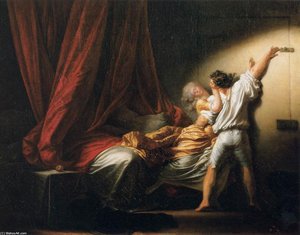
- „Die Bolt“: Zeigt eine idyllische Landschaftsszene mit Figuren.
- „Liebesgelübde“: Ein Gemälde, das romantische Gefühle und Zärtlichkeit vermittelt.
Vermächtnis und Bedeutung
Fragonards Werk hatte einen bedeutenden Einfluss auf die Entwicklung der französischen Malerei des 18. Jahrhunderts. Er gilt als einer der wichtigsten Vertreter des Rokoko und seine Werke werden für ihre Schönheit, Anmut und sinnliche Atmosphäre geschätzt. Sein Einfluss erstreckt sich bis in nachfolgende Kunstbewegungen hinein. Fragonards Gemälde befinden sich heute in zahlreichen Museen weltweit, darunter das Louvre-Museum. Er starb am 22. August 1806 in Paris.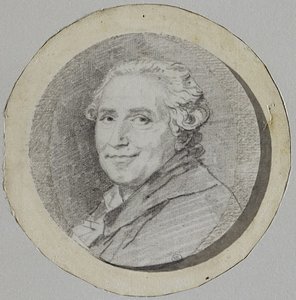
Jean-Honoré Fragonard
1732 - 1806 , Frankreich
Kurzinfos
- Beeinflusste Künstler: ['Alexis Grimou']
- Bemerkenswerte Werke:
- Der Schwinge
- Liebesgelübde
- Das Hemd entfernt
- Der Blinde Manns Spiel
- Geburtsdatum: 4. April 1732
- Geburtsort: Grasse, Frankreich
- Künstlerische Bewegung: Rokoko
- Nationalität: Französisch
- Sterbedatum: 22. August 1806
- Vollständiger Name: Jean-Honoré Fragonard
- Von Künstlern Beeinflusst:
- François Boucher
- Charles-André van Loo
Ähnliche Artikel
Fragonards Rokoko: Eine Ära der Liebe, des Vergnügens und des Lebensgefühls im Frankreich des 18. Jahrhunderts
Entdecken Sie die faszinierende Welt des Rokoko mit Fragonard! Erfahren Sie mehr über die Kunst, das Lebensgefühl und die Meisterwerke dieser einzigartigen Epoche im Frankreich des 18. Jahrhunderts – fundiert analysiert & hochwertig präsentiert.

Rococo Meisterwerke: Die Top 10, die eine Epoche prägten |
Entdecken Sie die Top 10 Rokoko Meisterwerke von Watteau, Boucher & Fragonard! Erfahren Sie die Geschichten hinter diesen ikonischen Gemälden und lassen Sie sich für Ihre Inneneinrichtung inspirieren. Hochwertige Kunstdrucke auf .
Illuminating the Enlightenment: A Comprehensive Exploration of 18th-Century Painting
Explore the captivating world of 18th-century painting! Discover Rococo's playful elegance & Neoclassicism’s Enlightenment ideals with expert insights into Fragonard, David, and more. A comprehensive guide for art enthusiasts.

The Rococo Aesthetic: Opulence, Rebellion & the Pursuit of Pleasure in 18th-Century Art
Explore the opulent world of Rococo art! Discover its origins, key artists like Watteau & Boucher, and lasting influence on design. Expert insights for collectors & enthusiasts.
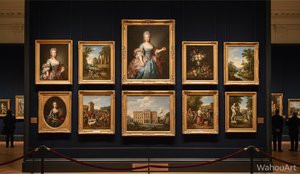
Die 10 Meisterwerke des 18. Jahrhunderts: Kunst für Ihr Zuhause | ArtsDot
Entdecken Sie die 10 prächtigsten Meisterwerke des 18. Jahrhunderts! Von Rokoko bis Klassizismus – erleben Sie die Kunst von Fragonard, David & Hogarth. Hochwertige Reproduktionen für Ihr Zuhause auf ArtsDot.com.